Fish
Fish Fire
Fire Hike
Hike Bird
Bird

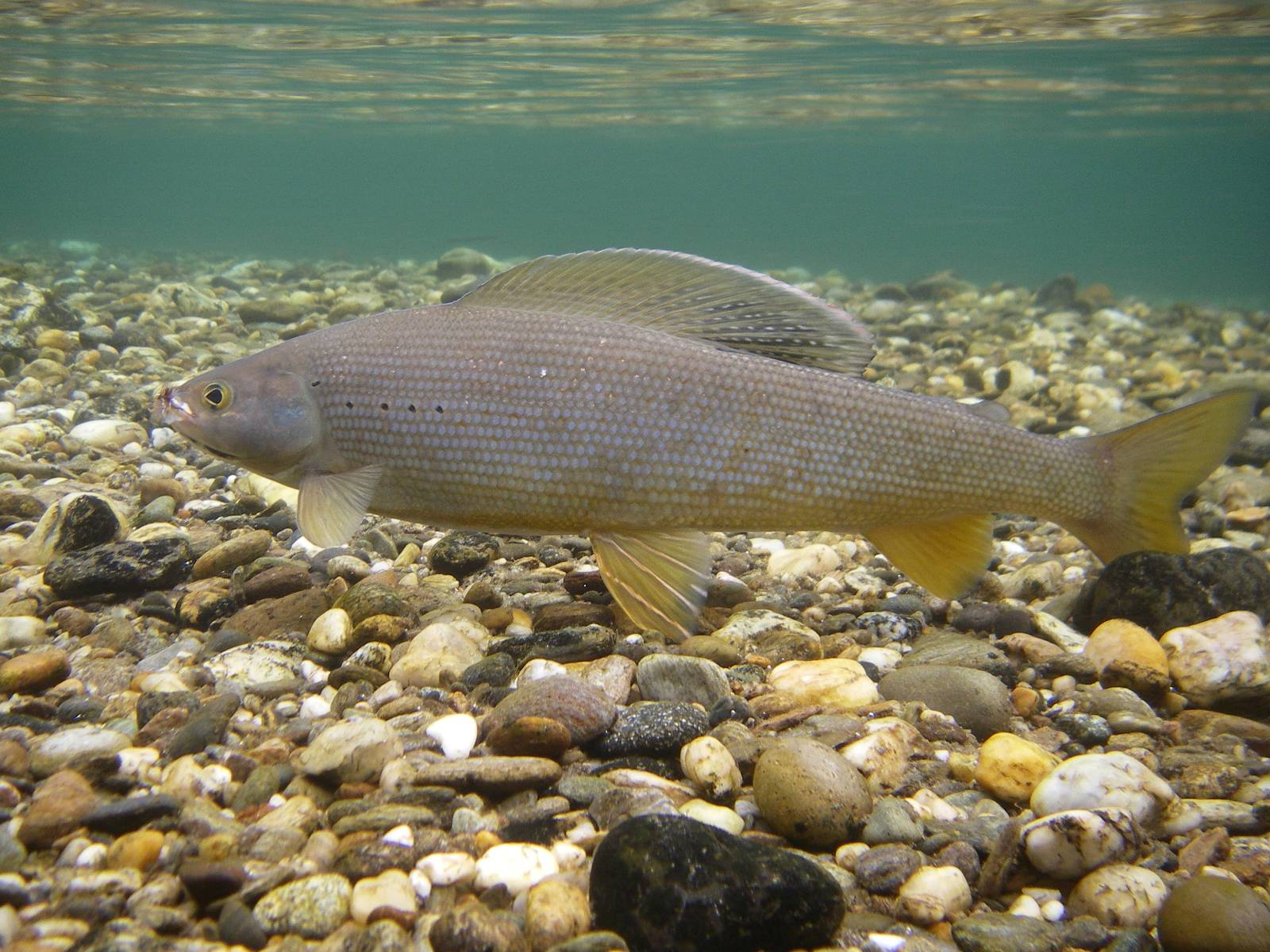

The Arctic grayling is one of the most beautiful fish in fresh water, and one of the most fun to catch. Its trademark is an enormous, iridescent, sail-like dorsal fin flecked with turquoise, pink, and violet spots, unfurled like a banner on a silvery, purple-sheened body. Grayling live in the cold, clear rivers and lakes of the far north and the high mountains, where they gather in eager pods and rise to a dry fly with abandon. That combination, stunning looks, wild country, and a willingness to bite that rivals a brook trout's, makes grayling a beloved target, and a perfect fish for anglers of every level. This guide covers where grayling live and every core technique, with step-by-step instruction, to catch them.
Ready to chase these northern jewels? Grayling share their eager, cold-water nature with a couple of kindred fish, see our guides on how to catch brook trout and how to catch cutthroat trout.
The Sailfish of the North
The Arctic grayling (Thymallus arcticus) is a member of the salmon family (it has the tell-tale adipose fin), but it's unmistakable thanks to that spectacular, oversized dorsal fin, bigger and showier on males, and used in courtship and dominance displays. The body is silvery with a purple, blue, and pewter sheen and small dark spots toward the front, and the mouth is small, suited to its diet of insects. Spawning fish glow with color; even an average grayling is a living jewel.
Grayling are a cold, clean-water fish, needing the pure, oxygen-rich water of the north and the high country, which is exactly why they, like brook trout, indicate a healthy watershed. Most run 10 to 16 inches (about 0.5 to 1.5 pounds); a fish over about 18 inches is a trophy, and the giants (from prime Arctic waters) exceed 3 pounds. They're native across Alaska, northern and western Canada, and, as a rare, treasured remnant and reintroduction, parts of Montana and the mountain West. Grayling are also social, often holding in loose pods, so where you catch one you'll usually catch several.
Eager and Everywhere (Up North)
The defining trait of grayling behavior is their eagerness to feed, especially on top. In their short, cool northern summers, grayling are opportunistic insect feeders that rise freely and confidently to dry flies, often in the middle of the day, and rarely demand a perfect presentation. They drift-feed in current, facing upstream and rising to take insects off the surface and in the film, and they'll also chase small subsurface flies and lures readily.
This makes grayling one of the easiest and most rewarding fish to catch on a fly, and a wonderful species to learn on or to enjoy fast, visual action. The main challenges are simply getting to their remote water and remembering their soft, small mouths, set gently and keep steady pressure so you don't pull the hook. Find a pod of grayling in a clear northern river and you can catch fish after fish on a dry fly, in some of the most gorgeous country on earth.
Where Grayling Live
Grayling relate to cold, clear water and current. Focus on:
- Clear northern and subarctic rivers and streams, the classic grayling home across Alaska and Canada.
- The tails and slicks of pools, the runs and glides of even current, and the water below riffles, where grayling hold and drift-feed on insects.
- Current seams and eddies beside faster water, and the soft water behind rocks.
- Tundra and mountain lakes, where grayling cruise the shorelines, inlets, and drop-offs, often reachable only by float plane or a hike.
- High mountain streams and lakes in the reintroduced range of Montana and the West.
Grayling often stack in the better lies in loose schools, so when you find feeding fish, work that water thoroughly before moving on.
The Techniques That Catch Arctic Grayling
Grayling are primarily a fly-rod and light-tackle fish. Here are the core methods, how to fish each, and when to use it.
Dry Flies, the grayling's delight
If there's a perfect way to catch grayling, it's on a dry fly, their eagerness to rise makes it both easy and endlessly fun.
How to fish it: With a light fly rod, present a small, visible dry fly (a Parachute Adams, Elk Hair Caddis, Griffith's Gnat, or a black gnat, size 14–18) upstream to the heads, tails, and seams of pools and let it drift drag-free over the holding water. Grayling rise readily, so you'll often see fish come up for it, set with a gentle lift (remember the soft mouth) when the fish takes. In grayling country you rarely need to match a hatch exactly; a well-drifted small dry fools eager fish all day.
Fly Fishing for Arctic GraylingNymphing, when they won't rise
When grayling are holding deeper or the surface is quiet, a drifted nymph near the bottom catches fish that aren't looking up, and often the bigger ones.
How to fish it: Drift a small weighted nymph (a Pheasant Tail, Hare's Ear, or Copper John, size 14–18) under a small indicator or off a dry fly (a dry-dropper rig), adjusting depth so it ticks through the run where grayling hold. Set gently the instant the indicator or dry hesitates. Because grayling feed heavily subsurface on insect larvae, nymphing keeps you catching when nothing is rising, and it's deadly in colder or higher water.
Euro-Nymphing for Arctic GraylingSmall Spinners, the light-tackle option
You don't need a fly rod to enjoy grayling. A tiny inline spinner is highly effective and easy, perfect for anglers who prefer spinning gear or for covering water.
How to fish it: Tie a small spinner (a Mepps, Panther Martin, or Blue Fox in size 0–2) to light line, cast to the head or across a pool, and retrieve just fast enough to feel the blade turn as it swings through the holding water. Grayling chase and hit it readily. Keep casts accurate in the current, and cover each likely pod of fish. Small spoons work too. It's a simple, productive way to catch grayling on ultralight spinning tackle.
Small Creek Grayling Fishing with SpinnersIce Fishing, winter grayling in the north
Across their far-northern range, grayling remain active under the ice and are a fun winter target, especially in lakes.
How to fish it: Over the drop-offs, inlets, and shoals where grayling hold in a lake, drop a small jig or ice spoon tipped with a bit of bait (a maggot, a small piece of shrimp, or a soft plastic) and jig it gently, small lifts and pauses, at the depth you find fish. Grayling bites through the ice are light, so watch closely and set softly. In the land of long winters, hardwater grayling fishing extends the season for one of the north's most beautiful fish. Always put ice safety first.
Ice Fishing Tips for Northern SpeciesFinding and Reading Grayling Water
Because grayling hold in specific, readable lies and travel in pods, knowing where to look turns a good day into a great one.
How to fish it: In a river, read for the soft, even, insect-carrying water, the tails and slicks of pools, the steady glides and runs, the seams beside faster current, and the water below riffles where drifting food collects. Grayling face upstream and hold in these lies in loose schools, so once you rise or hook one, expect more from the same spot. In lakes, work the inlets, drop-offs, and shorelines. Learning to spot classic grayling water is the key skill that puts you over pods of eager, rising fish.
How to Fish for Arctic GraylingWhen to Go
In the far north, grayling fishing is a short-summer affair, the open-water season runs roughly June through September, with the long daylight of the northern summer offering superb dry-fly fishing, especially as insects hatch. In the mountain West, grayling in high lakes and streams fish best from ice-out through the summer. Grayling feed and rise well through the day in cool weather, so you're not tied to dawn and dusk the way you are with wary trout. Where grayling are ice-fished, winter extends the season. Plan a northern trip around the summer window and the hatches, and you'll find grayling at their eager best. And in the high Arctic, the midnight sun of June and July lets you fish around the clock, some of the most memorable grayling fishing happens under a sun that never quite sets, with pods of fish rising steadily through the small hours of a bright northern night.
Where to Chase Grayling
Part of grayling's magic is the country they live in. The classic destinations are worth a lifetime of trips:
- Alaska is grayling heaven, countless clear rivers and streams (the Gulkana, the Delta Clearwater, the interior and Arctic drainages) and fly-out tundra lakes hold abundant, willing fish, often unpressured and eager to rise all day.
- Northern and western Canada, the Yukon, Northwest Territories, northern British Columbia, and Alberta's mountain streams, offers vast, wild grayling water.
- Montana holds the treasured, protected fluvial grayling of the Big Hole River, a rare southern remnant, along with populations in high mountain lakes across the state and the West (many the result of careful stocking and reintroduction).
- High alpine lakes in the mountain West, often a hike or a horseback trip from the trailhead, can hold surprisingly willing grayling in stunning settings.
Many of the best grayling waters are remote, reached by float plane, boat, or a good pair of boots, which is a big part of the appeal. A grayling trip is as much a wilderness adventure as a fishing outing, and the fish are the gorgeous reward at the end of the journey.
A Perfect First Fly-Rod Fish
If you want to introduce someone, a kid, a partner, a friend, to fly fishing, it's hard to beat grayling (or their kindred brook trout). Grayling are forgiving and eager: they rise confidently to a big, visible dry fly without demanding a perfect cast or a flawless drift, they hold in readable water, and they school, so the action can be fast and steady. That means a beginner gets what they need most, frequent, visible success, while learning to cast, read water, and set the hook.
The one thing to teach early is the gentle hookset: because grayling have soft mouths, a violent yank pulls the fly right out, so a smooth, easy lift when the fish rises is the ticket. Hand a first-timer a light fly rod and a bushy dry, put them over a pod of grayling in a pretty northern stream, and you may well create a fly angler for life. Few fish are as generous to beginners, or as beautiful in the hand, as the sailfin of the north.
Gear for Arctic Grayling
Grayling are a light-tackle fish, and simple gear is all you need:
- Fly setup: A 3- to 5-weight fly rod, 8 to 9 feet, is ideal for dries and nymphs on grayling water.
- Ultralight spinning combo: A 5- to 6-foot light or ultralight spinning rod with a small reel for spinners and spoons.
- Line: 2- to 6-lb monofilament on the spinning reel; a standard tapered leader (4X–5X) on the fly rod.
- Terminal tackle and lures: A small box of attractor dry flies and small nymphs, and a few size 0–2 inline spinners and small spoons, plus small hooks and split shot, cover every technique above. Consider pinching your barbs for easy release of these soft-mouthed fish.
A Fragile Northern Treasure
Grayling are sensitive, slow-to-recover fish, and in the southern edges of their range, notably Montana, where fluvial (river) grayling are a rare, protected remnant, populations are fragile and often catch-and-release only. Even in the abundant north, grayling can be easily overharvested from a single pool. Practice catch-and-release where required and as a good default, especially for the bigger fish: use barbless hooks, keep fish in the water, handle them gently with wet hands, and release them quickly. Where a legal harvest is appropriate and sustainable, grayling are fine eating, but treating these living jewels with care keeps the northern rivers full of sailfins for the next angler.
Reaching the Sailfins
The biggest challenge with grayling is simply getting to their remote water. Wild rivers and tundra lakes full of eager, unpressured fish often lie far from the nearest road, reached by float plane, boat, or a long hike, and for the hardest-to-reach water, a lodge or a fly-out operation can earn its keep by delivering you there and reading the pods for you. However you get in, the payoff is the same: cast after cast to rising sailfins in country few anglers ever see. Do your homework on access, the summer season, and the local regulations before you go, and the journey itself becomes half the adventure.