Fish
Fish Fire
Fire Hike
Hike Bird
Bird

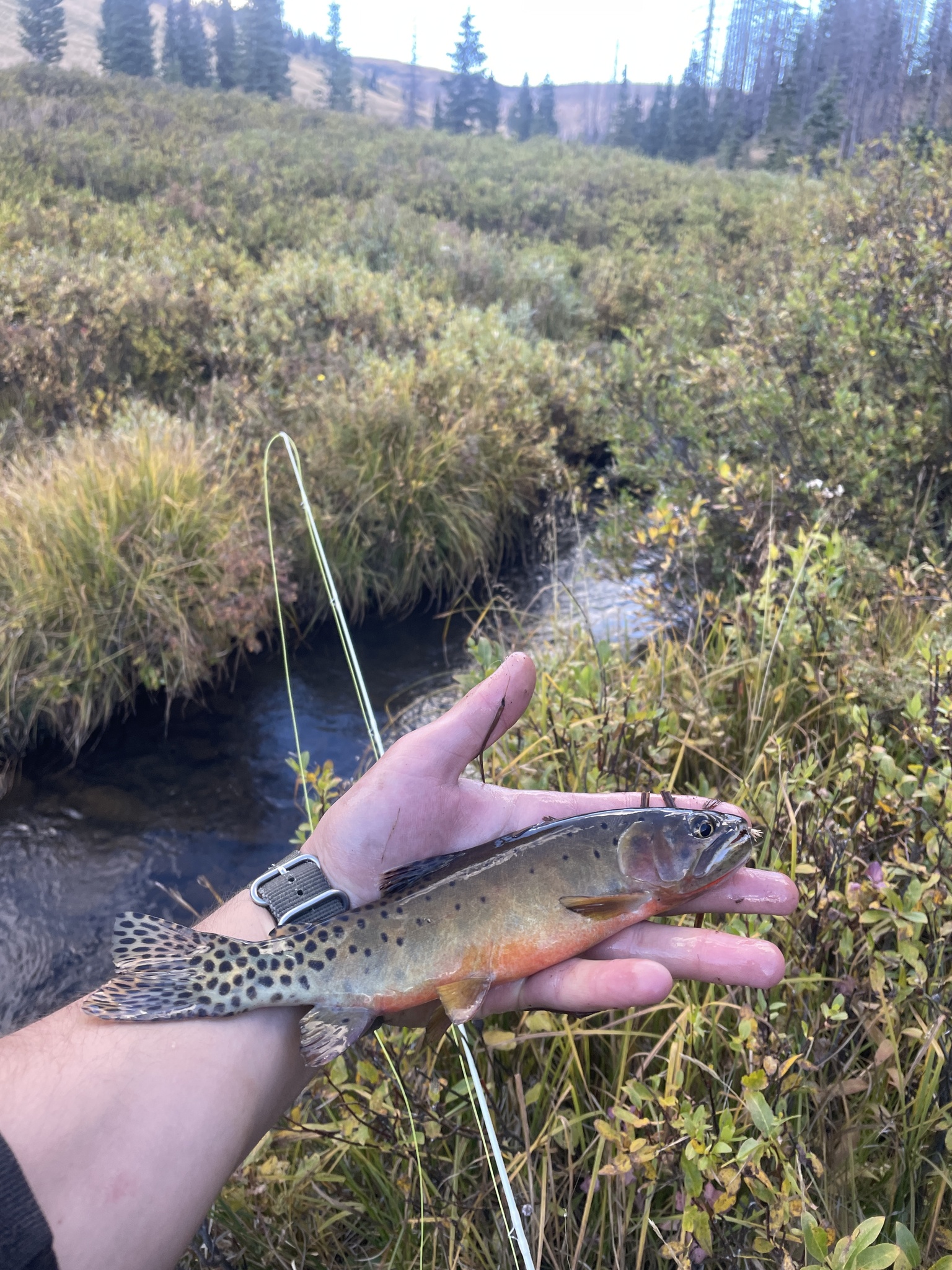

The cutthroat trout is the West's own trout, the native fish that swam the Rockies, the Sierra, and the coastal rainforests long before rainbows and browns were ever stocked. Named for the vivid red-orange slash under its jaw, the cutthroat is beloved for two things: living in some of the most beautiful country in North America, and being gloriously willing to eat a dry fly. Where a big brown might demand a perfect drift at dusk, a cutthroat in a clear mountain stream will rise up and slurp a bushy dry fly in broad daylight. That eagerness, combined with the wild places they live, makes cutthroat one of the most rewarding and accessible trout to pursue. This guide covers the cutthroat's many forms, where they live, and every core technique, with step-by-step instruction, to catch them.
Ready to fish wild cutthroat country? Explore the heart of cutthroat range with our guide to fishing West Yellowstone, Montana. New to trout? See our guides on how to catch rainbow trout and how to catch brown trout.
The Native Western Trout
The cutthroat trout (Oncorhynchus clarkii) is unmistakable thanks to the bright red, orange, or pink slash mark along the underside of its lower jaw, the "cut throat" that gives it its name. Beyond that, cutthroat come in a remarkable variety of subspecies, each adapted to its home water and each with its own look:
- Yellowstone cutthroat, golden-bronze with large spots concentrated toward the tail, the iconic fish of the Yellowstone region.
- Westslope cutthroat, heavily spotted with beautiful color, native to Montana and Idaho.
- Coastal cutthroat, the Pacific Northwest fish, including sea-run "harvest trout."
- Lahontan cutthroat, the giant of the family, native to Nevada's Pyramid Lake, where it grows past 20 pounds.
- Colorado River, Greenback, Bonneville, and Rio Grande cutthroat, rarer, native subspecies of the southern Rockies and Great Basin.
Most stream cutthroat run 8 to 16 inches, big-river and lake fish reach several pounds, and Lahontans are in a class of their own. One important note: cutthroat readily hybridize with rainbow trout, producing "cutbows", part of why pure native cutthroat are a conservation priority.
Where Cutthroat Live
Cutthroat occupy an enormous range of western water:
- High mountain streams and headwaters, the classic home of pure native cutthroat, in clear, cold, tumbling water.
- Big western rivers, the Yellowstone, Snake, and their tributaries hold famous cutthroat fisheries.
- High-country and alpine lakes, many stocked or native with eager cutthroat, often reached only by a hike.
- Coastal streams and estuaries, sea-run coastal cutthroat move between saltwater and fresh in the Pacific Northwest.
- Desert lakes, Pyramid Lake and a few others hold the giant Lahontan strain.
In streams, cutthroat hold in the familiar trout lies, pools, runs, riffles, seams, and behind boulders, but tend to sit in the slower, softer water and rise readily to the surface, which is part of what makes them such a pleasure to fish.
The Eager Dry-Fly Fish
The defining trait of cutthroat behavior is their willingness to feed on the surface. In their often food-scarce, high-elevation homes, cutthroat are opportunistic and rise confidently to dry flies, frequently in the middle of the day. Their rise is famously slow and deliberate, a cutthroat often eases up and sips the fly unhurriedly, which means the classic mistake is setting the hook too fast and pulling it away. Give the fish a beat (guides say to mutter "God save the Queen" before setting) so it fully takes the fly. Cutthroat are generally less wary than brown trout, but the biggest ones, and heavily fished waters, still reward a careful approach.
This forgiving nature makes cutthroat one of the best fish for a beginning fly angler or a young angler learning to fish. On a good cutthroat stream, a first-timer can raise fish on a big, visible dry fly without a perfect cast or a flawless drift, the trout are willing enough to overlook small mistakes. That instant, visible surface eat, in gorgeous mountain country, is exactly how a lot of lifelong fly anglers get hooked on the sport. It's also why cutthroat waters are such a rewarding place to bring someone new: the fish cooperate, the takes are dramatic, and the scenery does the rest.
The Techniques That Catch Cutthroat Trout
Cutthroat eat flies, lures, and bait, but the dry fly is the signature method. Here are the core techniques, how to fish each, and when to use it.
Dry Flies, the cutthroat's calling card
If there's one perfect way to catch cutthroat, it's on a dry fly. Their eagerness to rise makes dry-fly fishing both effective and pure joy.
How to fish it: With a light fly rod, tie on a buoyant attractor dry (a big foam hopper, a Royal Wulff, a Stimulator, or a Parachute Adams, size 10–16) that floats well and is easy to see. Cast upstream to the heads and edges of pools, seams, and pockets, and let it drift back drag-free over the holding water. When a cutthroat rises, pause before setting to let it take the fly, then lift gently. On big western rivers, a hopper in late summer draws savage eats; in the high country, almost any well-drifted attractor works.
Dry Fly Fishing for Cutthroat TroutThe Hopper-Dropper, two flies, twice the odds
The hopper-dropper (or dry-dropper) rig hedges your bets by fishing a dry fly and a nymph together, the buoyant dry doubles as both a fish-catcher and a strike indicator for the nymph below.
How to fish it: Tie a length of tippet (2–4 feet) off the bend of a buoyant hopper or attractor dry, and add a weighted nymph (a Pheasant Tail or Copper John) to the end. Drift the whole rig drag-free through likely water. If a fish takes the dry, set on the rise; if the dry twitches, hesitates, or drops, set, that's a fish on the nymph. It's one of the most productive and versatile ways to fish for cutthroat, covering both the surface and just below.
How to Set Up a Dry-Dropper RigNymphing, subsurface numbers
When cutthroat aren't looking up, high, cold water in spring, or deeper pools, drifting a nymph near the bottom is the highest-percentage fly method.
How to fish it: Drift a weighted nymph (a Pheasant Tail, Hare's Ear, or stonefly, size 12–18) under a strike indicator or off a dry, adjusting depth so it ticks near the bottom where trout hold. Set the instant the indicator pauses. A natural, drag-free drift is everything. Nymphing keeps you catching cutthroat even when there's nothing rising.
Nymphing for Trout: Beginner GuideStreamers, for the biggest cutthroat
The larger cutthroat, especially in big rivers and lakes, turn predatory and will chase a streamer that imitates a baitfish or sculpin.
How to fish it: Tie on a Woolly Bugger, a sculpin pattern, or a small streamer, cast it to banks, drop-offs, and current seams, and strip it back in short, erratic pulls with pauses so it darts like a fleeing baitfish. In lakes, cast it out, let it sink, and retrieve in slow strips. Streamers weed out the small fish and tempt the bigger, meat-eating cutthroat.
Streamer Fishing for Big CutthroatSpinners and Spin Fishing, the simple, deadly option
You don't need a fly rod to catch cutthroat. A small inline spinner is one of the most effective and easiest lures, especially for anglers new to trout.
How to fish it: Tie a spinner (a Panther Martin, Mepps, or Rooster Tail in size 1–3) to light line with a small snap swivel. In a stream, cast across and slightly upstream and retrieve just fast enough to feel the blade turn as it swings through pools and seams; in a lake, cast out, let it sink, and retrieve steadily. A drifted worm or a bit of PowerBait on a light bottom rig also takes plenty of cutthroat where bait is legal.
Spinner Fishing for Trout in StreamsHigh-Country Lakes, hike-in cutthroat
Some of the best and most eager cutthroat fishing is in alpine and high-country lakes, often a hike from the nearest road and full of hungry, colorful fish.
How to fish it: Work the inlets and outlets, drop-offs, and shoals of a mountain lake. Cast a small spinner or spoon, suspend a worm or a fly under a bobber, or fan-cast a Woolly Bugger on a fly rod, letting it sink and retrieving slowly. Cruising cutthroat patrol the shorelines, so cover water and cast to fish you see. Early morning, evening, and calm conditions are prime, and the remote setting is half the reward.
How to Fish High Mountain Lakes for TroutSea-Run Cutthroat, the coastal bonus
In the Pacific Northwest, sea-run coastal cutthroat ("harvest trout") move into estuaries and beaches, offering a unique saltwater-edge fishery.
How to fish it: Along estuary shorelines and beaches, cast small baitfish-imitating flies (Clousers, small streamers) on a fly rod, or small spoons and spinners on light spinning gear, and retrieve them steadily to imitate the small fish and shrimp sea-runs chase. Fish the moving tides around river mouths and structure. Sea-run cutthroat are aggressive and hard-fighting, a beloved regional pursuit through late summer and fall.
Sea-Run Cutthroat Trout Fly FishingWhen to Go
Cutthroat fishing follows the western calendar. Summer and early fall are prime for stream and high-lake fishing, after the spring snowmelt runoff clears, cutthroat feed aggressively on the surface, and the famous hopper fishing peaks in late summer. Spring brings high, cold water where nymphing shines (and is spawning season for many cutthroat, handle spawners gently and mind regulations). High mountain lakes fish best from ice-out through early fall. The giant Lahontan cutthroat of Pyramid Lake are a cold-season fishery, best from fall through spring. As always, early and late in the day are productive, though cutthroat will rise all day in the right conditions.
Chasing the Cutthroat Slam
Because cutthroat evolved into so many distinct subspecies, each isolated in its own corner of the West, a fun lifetime goal for many trout anglers is the "Cutthroat Slam", catching several (or all) of the native subspecies in their home waters. It's a wonderful way to explore the wild West, one river at a time. A few states even run official programs (Wyoming's Cutt-Slam and Utah's Cutthroat Slam) that reward anglers for catching their native subspecies.
The pursuit takes you to spectacular places: Yellowstone cutthroat in the Yellowstone River and its tributaries, Westslope cutthroat in the clear streams of Montana and Idaho, Bonneville cutthroat in the Great Basin, Colorado River and Greenback cutthroat in high Rocky Mountain creeks, Rio Grande cutthroat in New Mexico and southern Colorado, coastal cutthroat in Pacific Northwest streams and estuaries, and the giant Lahontan cutthroat at Pyramid Lake. Each fish is a slightly different jewel, and each lives in country worth the trip. Chasing the slam turns cutthroat fishing into an adventure across the mountain West, and because these are native fish, releasing them carefully keeps the tradition alive for the anglers who follow.
Gear for Cutthroat Trout
Cutthroat gear is classic light-trout tackle:
- Fly setup: A 9-foot 5-weight fly rod is the ideal all-around cutthroat outfit for dries, hopper-droppers, and nymphs; a 3- or 4-weight is a delight on small streams, and a 6-weight helps for big rivers, streamers, and Pyramid Lake.
- Spinning combo: A 6- to 7-foot light or ultralight spinning rod with a 1000–2500-size reel handles spinners, spoons, and bait.
- Line: 4- to 6-lb monofilament or fluorocarbon for spinning; a 9-foot 4X–5X leader for the fly rod.
- Terminal tackle, lures, and flies: A box of attractor dries, hoppers, a few nymphs, and Woolly Buggers, plus small spinners and spoons and light bait tackle, covers every technique above.
Protect a Native Treasure
Cutthroat are native fish, and many subspecies are threatened by habitat loss and by hybridization with introduced rainbow trout. In much of their range, especially for pure native strains, catch-and-release is the ethic, wet your hands, keep the fish in the water, pinch your barbs, and release them quickly and gently. Enjoy a legal harvest from healthy waters if you like, but treating native cutthroat with care keeps these irreplaceable western fish, and the wild places they represent, thriving for the future. In some drainages, anglers are even asked to keep non-native rainbows and hybrids to protect pure cutthroat strains, always check your local regulations before you decide what to keep.
Finding Wild Cutthroat Water
The hardest part of cutthroat fishing is often just figuring out where to go, which river reach holds eager natives, which high lake is worth the hike, and which stretch of headwater sits on public land you can legally reach. Cutthroat country is vast and much of it is remote, so a little scouting pays off: map the public land and access points, check the flows and snowmelt timing, and note the seasonal window for the water you have in mind. Match that to the technique and pattern for the week, a hopper on a late-summer freestone, a nymph in high spring water, a Woolly Bugger fan-cast across an alpine lake, and you turn a promising dot on the map into wild fish in the net.