Fish
Fish Fire
Fire Hike
Hike Bird
Bird


Washington lets you keep fifteen razor clams a day. Alaska, on the open side of Cook Inlet, lets you keep ten gallons.
That is not a typo, and the gap between those two numbers is most of what there is to say about razor clamming in Alaska. It is the same animal and a completely different fishery.
It is also two fisheries rather than one, in a single inlet, and only one of them is open.
The two sides of the inlet
Cook Inlet runs south from Anchorage between the Kenai Peninsula and the volcanoes on the west shore, and razor clams are dug on both sides. Managed, they are separate.
East Cook Inlet, which the state defines as running from the mouth of the Kenai River to the tip of the Homer Spit, is the side with the road on it. Clam Gulch, Ninilchik, Whiskey Gulch: beaches you can drive to, park above and walk down onto. It is where nearly everybody who has ever dug a razor clam in Alaska did it.
It is currently closed to all clamming under the state's razor clam management plan.
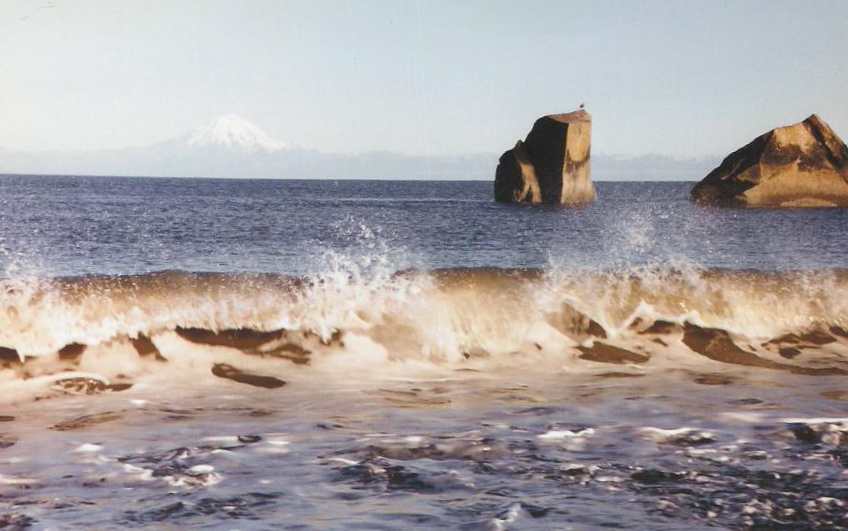
West Cook Inlet has no road at all. Polly Creek and the Crescent River Bar are the main dig beaches, with additional ground at Silver Salmon beach and Clam Cove in Chinitna Bay. It is open, and getting there is the entire problem.
What closed, and what the state says about it
The east side closure is not a season adjustment, and it is not an emergency order. It is a standing closure written into the East Cook Inlet Razor Clam Sport Fishery Management Plan, the Board of Fisheries regulation at 5 AAC 58.040, under which the fishery stays closed and opens only if the spring abundance surveys at Ninilchik and Clam Gulch meet the thresholds the regulation sets.
That is a conditional rather than a date. There is no scheduled reopening to plan around, and the department has said the east Cook Inlet sport and personal use razor clam fisheries are expected to remain closed in 2026, with an update issued in mid-May for those beaches.
If you have read an older guide describing a drive-up razor clam fishery at Clam Gulch, that guide is describing something that is not currently available. It is worth being blunt about, because the east side beaches are the ones with the signs, the parking and the reputation, and people still turn up for them.
The west side, which is open
Everything harvestable is across the water.
Polly Creek and the Crescent River Bar are the primary beaches. The state also lists Silver Salmon beach and Clam Cove in Chinitna Bay. There is no road to any of them.
Access is by boat or by air. Boats run from the Deep Creek tractor launch, which is the usual route, and also from the Anchor Point launch, the Kenai River dock and Homer Harbor. The alternative is a small wheel plane onto the beach, which is a normal thing to do in Alaska and an abnormal thing to do anywhere else.
None of that is casual. You are crossing open water in an inlet with enormous tides and a serious reputation for weather, on a schedule set by the tide rather than by you, to land on a beach with nothing on it. Most people who dig the west side go with somebody who runs the trip regularly.
The permit, which is new
For 2026 there is a permit, and it is new enough that a lot of people will not know about it.
It was established at the March 2025 Board of Fisheries meeting and is required for the 2026 razor clam harvest in Cook Inlet and the North Gulf Coast. Only one permit is issued per household. It comes from the ADF&G online store, under the fishing and shellfish permits tab, or through the department's app.
The reporting requirement is the part people miss, and it has teeth. Each permit holder has to report online by 31 December 2026, and that obligation stands whether or not you harvested anything. A permit you took and never used still has to be reported. A permit holder who fails to report by the deadline is not eligible for a permit the following year.
The point of it, in the department's own framing, is data: more timely and accurate effort and harvest information. Which is a reasonable thing to want when half the inlet is shut and the reopening is conditional on abundance.
Razor Clam Digging in West Cook InletThe limits, which are unlike anywhere else
On the west side the daily bag limit is ten gallons of razor clams per person.
Three conditions come attached and they all matter.
Each household member must dig their own clams. You cannot fill a limit for somebody standing next to you, and you cannot fill one for somebody who stayed on the boat. Every household member who intends to harvest has to be listed on the permit.
All clams that are dug must be retained. There is no sorting through a hole for the better ones and no putting the small ones back, which is the same reasoning behind Washington's first-fifteen rule: a dug razor clam usually dies, so the state makes you count it rather than leave it buried and uncounted.
And gear is limited to hand, rake, shovel or a manually operated clam gun. Nothing powered.
Ten gallons per person is an enormous number by the standards of every other razor clam fishery in this library, and it tells you something about the resource on that side of the inlet and about how few people reach it. A limit set that high is a limit that is rarely the binding constraint. The tide, the crossing and the weather are.
The tide, which is the real constraint
Cook Inlet has one of the largest tidal ranges in North America, and on a clamming trip that is not a piece of trivia, it is the schedule.
A big exchange here moves water a very long way across very flat ground, which is what exposes the clam beds in the first place and what makes the working window short and hard-edged. The productive band is uncovered for a couple of hours and then it is not, and the flood comes back across a wide flat faster than a person carrying ten gallons of clams wants to walk.
It also governs the crossing. A boat running from Deep Creek to Polly Creek is working around the same tide the diggers are, which means the trip is scheduled backwards from the low water rather than from anybody's convenience. Turning up at the launch at a time that suits you is not how this works.
The current in the inlet is the other half of it. Cook Inlet moves a great deal of water twice a day through a narrowing channel, and that produces genuinely strong tidal streams. This is not a body of water to improvise on in a small boat.
The animal
The Pacific razor clam is Siliqua patula, and Alaska has two razor clams rather than one.
The Pacific razor clam ranges from California to the Aleutians and is the common one. There is also an Arctic razor clam, found from southern Cook Inlet north and west into the Bering Sea. Both live on surf-swept and somewhat protected sand beaches, from about four feet above the low tide line down to thirty fathoms, which is far deeper than anything you will reach on foot.
They are long-lived for a clam, up to eighteen years, and they take their time getting started: sexual maturity arrives somewhere between the third and seventh growing season. Spawning runs May to September, once water temperatures reach around fifty-five degrees, and a female produces somewhere between three hundred thousand and a hundred and eighteen and a half million eggs.
Those two facts together explain the management. An animal that lives eighteen years and may not breed until its seventh has a population that responds slowly to a bad run of years and slowly to a closure.
The gear
Razor clamming in Alaska is the same technique as Washington or Oregon carried out somewhere considerably less forgiving.
A clam shovel or a clam gun, which is the same choice as anywhere, and note the permitted list is closed: hand, rake, shovel or a manually operated clam gun. Nothing powered. The state describes the method plainly: locate a show, meaning a dimple in the sand, and dig. A gun is faster in clean sand and a shovel handles mixed ground better.
The permit, on your phone or printed, because it is new for 2026 and it is the thing most likely to be missed.
Waders, and warmer ones than you would take to Washington. This is a north-facing inlet fed by glaciers and the water does not warm up.
Ten gallons of container, if you are optimistic, which is a genuinely large amount of bucket and the reason people bring totes rather than pails.
A tide book for the specific side you are digging, since Cook Inlet has some of the largest tidal ranges in North America and the working window is defined by it entirely.
A cooler and ice, because the clams have a boat ride and possibly a plane ride ahead of them.
And a way to get there that somebody else is responsible for, which is the honest recommendation. The west side is a chartered or guided trip for almost everybody who does it, and the failure modes on a self-organized crossing of Cook Inlet are severe.
Digging one
The technique is the technique everywhere, and the ground is what differs.
Find the show, dig beside it rather than on it, and go fast. A razor clam can dig faster than a relaxed person can, and the whole skill is committing early.
On a surf beach, work the outgoing water and follow it down. The productive band is the wet sand the waves have just left, and it moves.
Handle them carefully once out. A cracked razor clam will not keep, and razor clams break easily.
And clean them promptly rather than at the end of the day, because they are among the more perishable clams and a warm bucket is how a limit turns into a disappointment. The cleaning is the same as on the Washington coast, covered in razor clamming the Washington coast.
Digging Razor Clams at Polly Creek, AlaskaWho actually goes
It is worth being clear about who this fishery is for now, because the answer changed when the east side shut.
Before, it was anybody. A family on the Sterling Highway could pull off at Clam Gulch with a bucket and a shovel and come back with dinner, and a great many Alaskans have exactly that memory. It was one of the most accessible wild food harvests in the state.
Now it is people with a boat, people who charter, and people who fly. That is a meaningfully different group, and it costs meaningfully more. A ten gallon limit sounds generous until you price the crossing, and the honest framing is that the limit is large partly because the number of people able to reach it is small.
That is worth saying because it is a pattern rather than an accident. When a road-accessible fishery closes and a remote one stays open, the resource has not simply moved; access to it has narrowed to whoever can pay for the boat.
What this fishery has in common with the others
There is a pattern in this library and Alaska fits it exactly.
A fishery that was abundant, accessible and locally beloved gets closed, not by a decision anybody wanted to make, but because the animals stopped being there in the numbers the fishery assumed. The reopening is written as conditional on abundance rather than as a date, because the department does not know either.
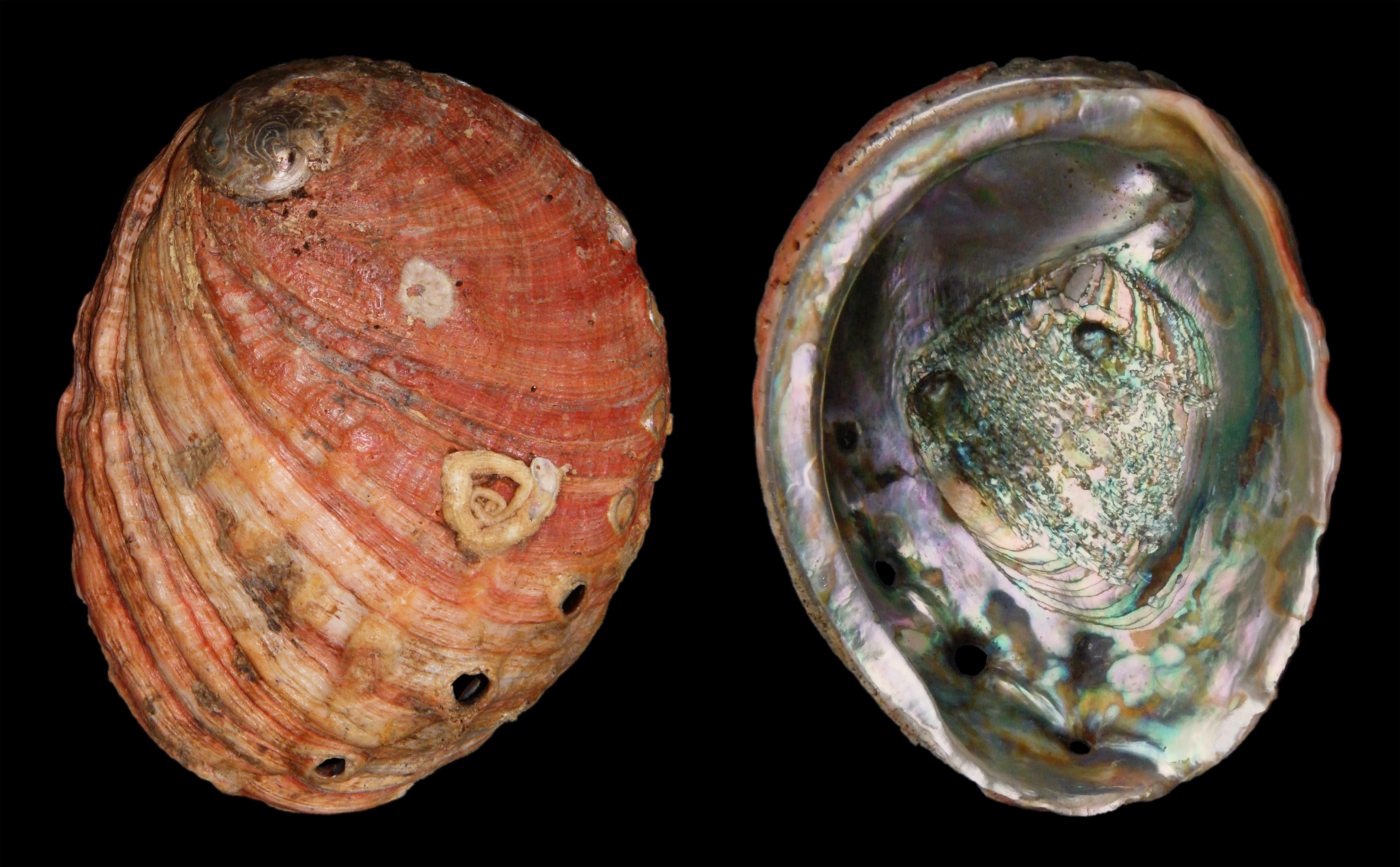
California's abalone went the same way and is covered in the abalone closure. Maine's northern shrimp went the same way and is in the Maine shrimp moratorium. What is unusual about Cook Inlet is that the two halves sit in the same body of water, one shut and one with a ten-gallon limit, which is about as clear a demonstration as you could ask for that access and abundance are different problems.
Eating them
Razor clams reward being dealt with quickly and punish being left.
Clean them the day you dig them. The process is the same everywhere: a brief blanch to open the shell, then cut away the gills, the dark digestive area and the tip of the siphon, keeping the foot and the neck. What is left is the part worth eating and it is most of the animal.
Then decide between fresh and frozen before you cook anything. Razor clam freezes well once cleaned, which matters here more than on a road-accessible beach, because a ten gallon limit is not a dinner, it is a winter's worth of chowder and fritters for a family.
Cook them briefly or cook them long, and nothing in between. A minute in hot fat makes a fritter and forty minutes in a pot makes chowder. Ten minutes in a pan makes something you will not want.
And keep the liquor. The broth from cleaning and blanching razor clams is the base for the chowder, and pouring it away is the most common thing people do wrong with an excellent clam.
The short version
Two fisheries, one inlet. The east side, from the mouth of the Kenai River to the tip of the Homer Spit, is closed to all clamming under the East Cook Inlet razor clam management plan and expected to stay closed through 2026.
The west side is open, has no road, and is reached by boat from Deep Creek, Anchor Point, the Kenai River dock or Homer, or by small plane onto the beach.
The daily limit there is ten gallons per person and every household member must dig their own.
A permit is required for 2026, one per household, from the ADF&G online store, and you must report by 31 December whether or not you dug anything.
The clams live up to eighteen years and may not spawn until their seventh, which is why a closure here is measured in abundance rather than in seasons.
And if you have a guidebook that says drive to Clam Gulch and dig, check the current status before you drive. The tide arithmetic is in minus tides for clamming, the licensing across state lines is in shellfish licenses by state, the biotoxin question that governs every shellfish trip is in shellfish biotoxin closures, and the same species on a coast where you can still drive to it is in razor clamming the Oregon coast.