Fish
Fish Fire
Fire Hike
Hike Bird
Bird

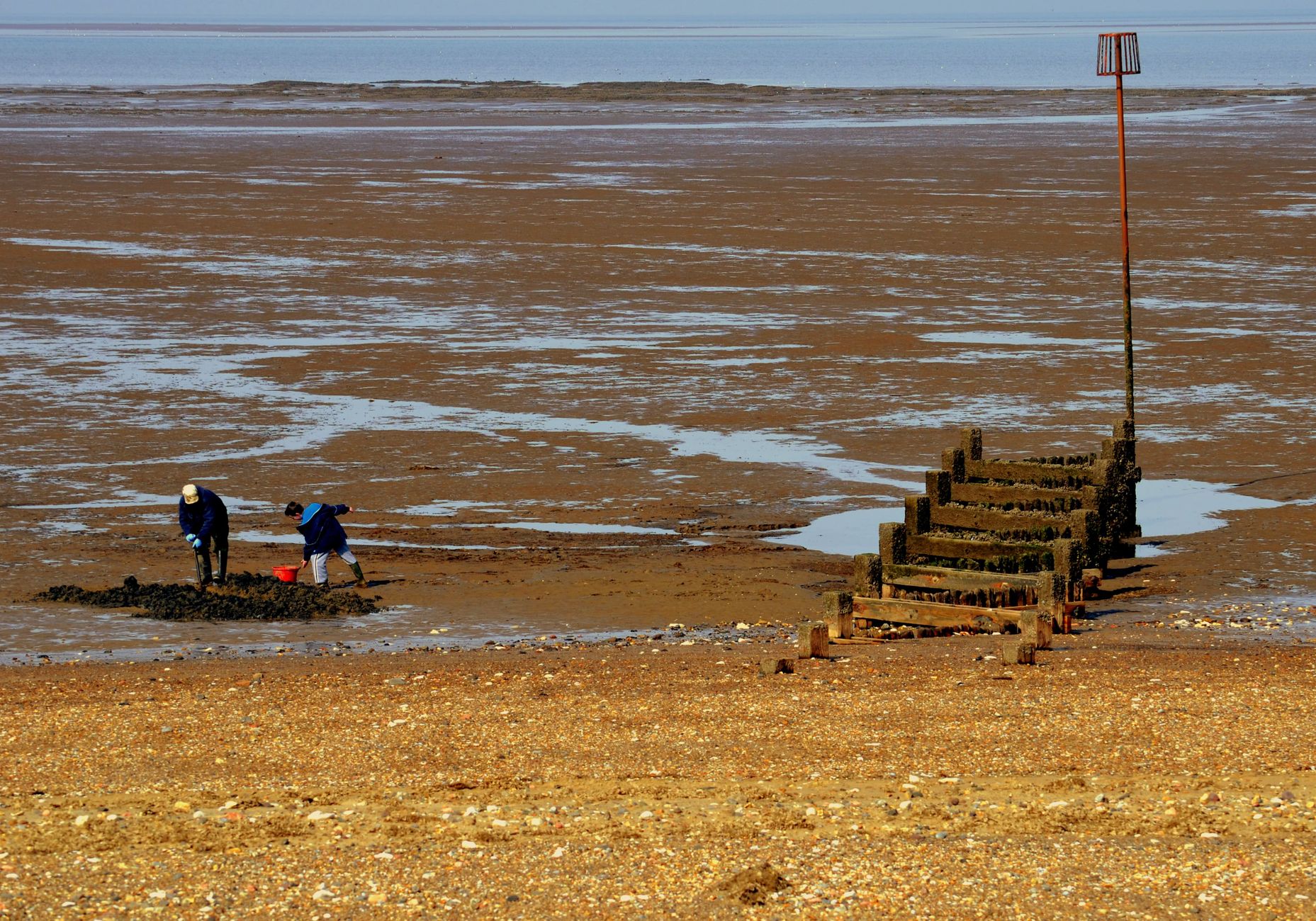

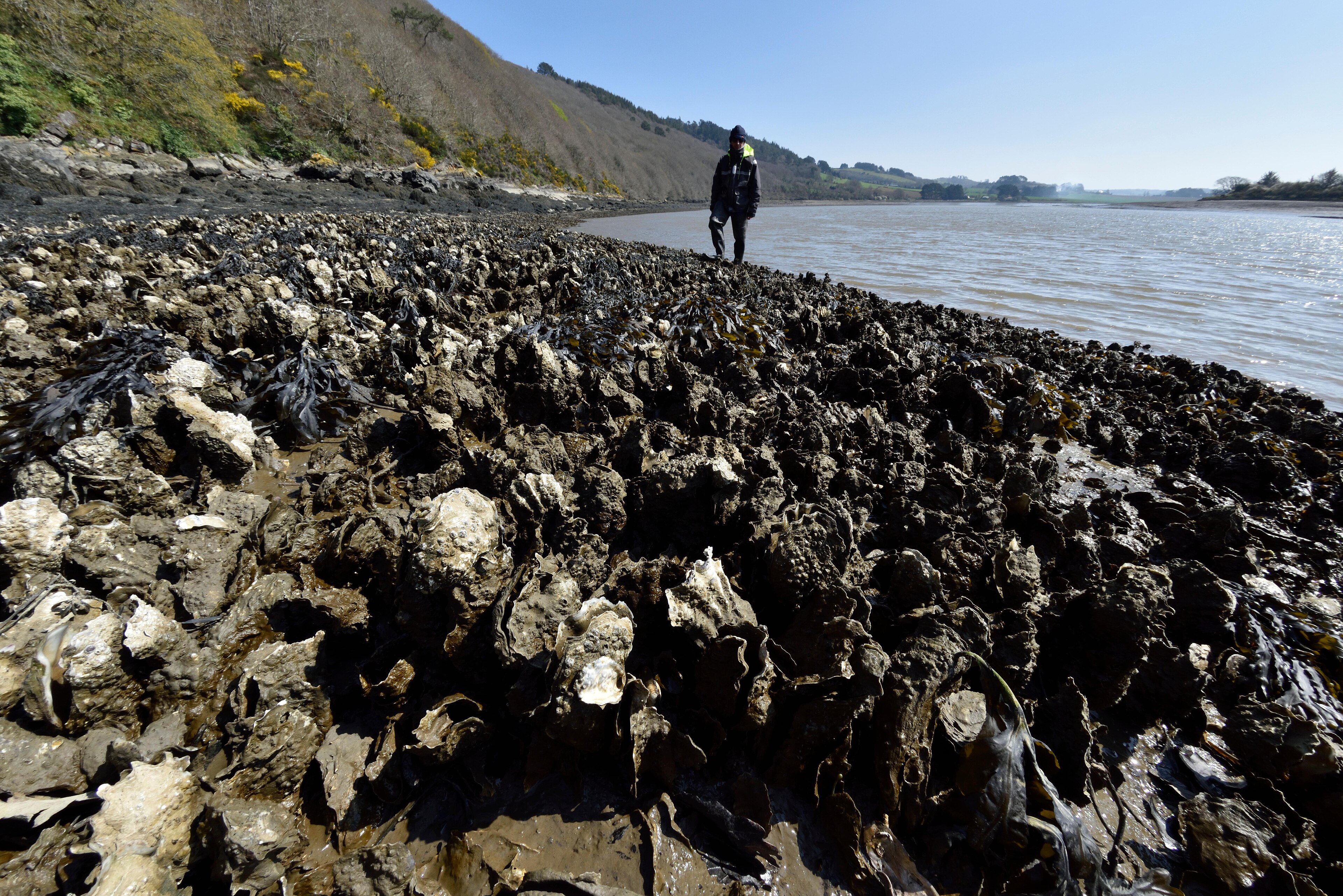
The water looks clean. The beach is busy. The clams are fat and they smell like clams.
None of that is information. Paralytic shellfish poisoning does not change how a clam looks, smells or tastes, it is not destroyed by cooking, and the first symptom is a tingling in your lips somewhere between thirty and sixty minutes after dinner.
This is the one article in the shellfish set that is not optional reading, because everything else assumes you have already checked.
Three different toxins, three different problems
The word biotoxin covers several unrelated things and they behave differently, which matters because a beach can be open for one species and shut for another on the same afternoon.
Paralytic shellfish poisoning, PSP, is caused by saxitoxin, produced by single-celled algae in the genus Alexandrium. Filter-feeding shellfish concentrate it out of the water. Saxitoxin blocks sodium channels in nerve and muscle cells, in the same way tetrodotoxin from a pufferfish does, which is why the symptoms are neurological rather than digestive. It is the one that kills people.
Amnesic shellfish poisoning, ASP, comes from domoic acid, produced by diatoms in the genus Pseudo-nitzschia. It causes gastrointestinal symptoms, and in serious cases confusion, seizures and permanent short-term memory loss, which is where the name comes from. Domoic acid is the toxin that closes razor clam beaches, because the algae that make it bloom in the open-coast surf zone where razor clams live.
Diarrhetic shellfish poisoning, DSP, comes from okadaic acid and related compounds. It is the least dangerous of the three and the most unpleasant, and it went essentially unrecognized on the American west coast until a cluster of cases in 2011.
What the numbers mean
Each toxin has a regulatory action level, and a beach closes when a sample crosses it. In Washington those levels are 80 micrograms per 100 grams of shellfish tissue for PSP, 20 parts per million for domoic acid, and 16 micrograms per 100 grams for DSP.
Those thresholds are not the dose that hurts you. They are set low, with a margin, on the assumption that somebody will eat a full meal of shellfish rather than a taste. The margin is why a beach at 79 is legally open and not meaningfully different from a beach at 81, and it is also why treating the number as a challenge to be beaten is a bad idea. A single razor clam has been enough to hospitalize people during a serious bloom.
The other thing worth understanding is that toxin concentration is not uniform. It varies between beaches a few miles apart, between species on the same beach, and between individual animals in the same bucket, which is why the testing is done beach by beach and species by species rather than as a regional advisory.
What to know about the FDA warning on paralytic shellfish poisoning in the Pacific NorthwestHow a beach opens and closes
The mechanism is worth knowing because it explains the timing, and the timing is what catches people out.
Closing is fast. A single sample over the action level shuts a beach, and it can happen in an afternoon, in the middle of an announced season, after the tide tables have been printed and the motel has been booked.
Opening is deliberately slow. In Washington, before a beach can reopen for razor clams, samples must test under the action level on two separate collections spaced seven to ten days apart, and the results must show a declining trend between them. That is a minimum of a week even after the water has cleared, and it is why a bloom in October can cost the whole autumn season rather than a weekend.
This asymmetry is the single most important operational fact in recreational shellfishing. The beach that was open when you planned the trip is not necessarily open when you arrive, the announcement may come two days before the dig, and there is no mechanism by which checking early substitutes for checking again the morning you go.
You cannot see it, taste it, or cook it out
Every year somebody dies or nearly dies because they applied a rule of thumb that does not work. It is worth stating the false ones plainly.
Cooking does not help. Saxitoxin and domoic acid are heat stable and survive boiling, steaming and frying intact. This is the opposite of the situation with bacteria, and the fact that cooking solves the Vibrio problem makes it easy to assume it solves this one too.
The shellfish are not obviously sick, the water is not obviously discolored, and the classic red tide does not reliably accompany a toxic bloom. Alexandrium blooms are frequently invisible, and plenty of visible red water is harmless. There is no folk test involving a silver coin, a cat, or feeding a bit to somebody else first.
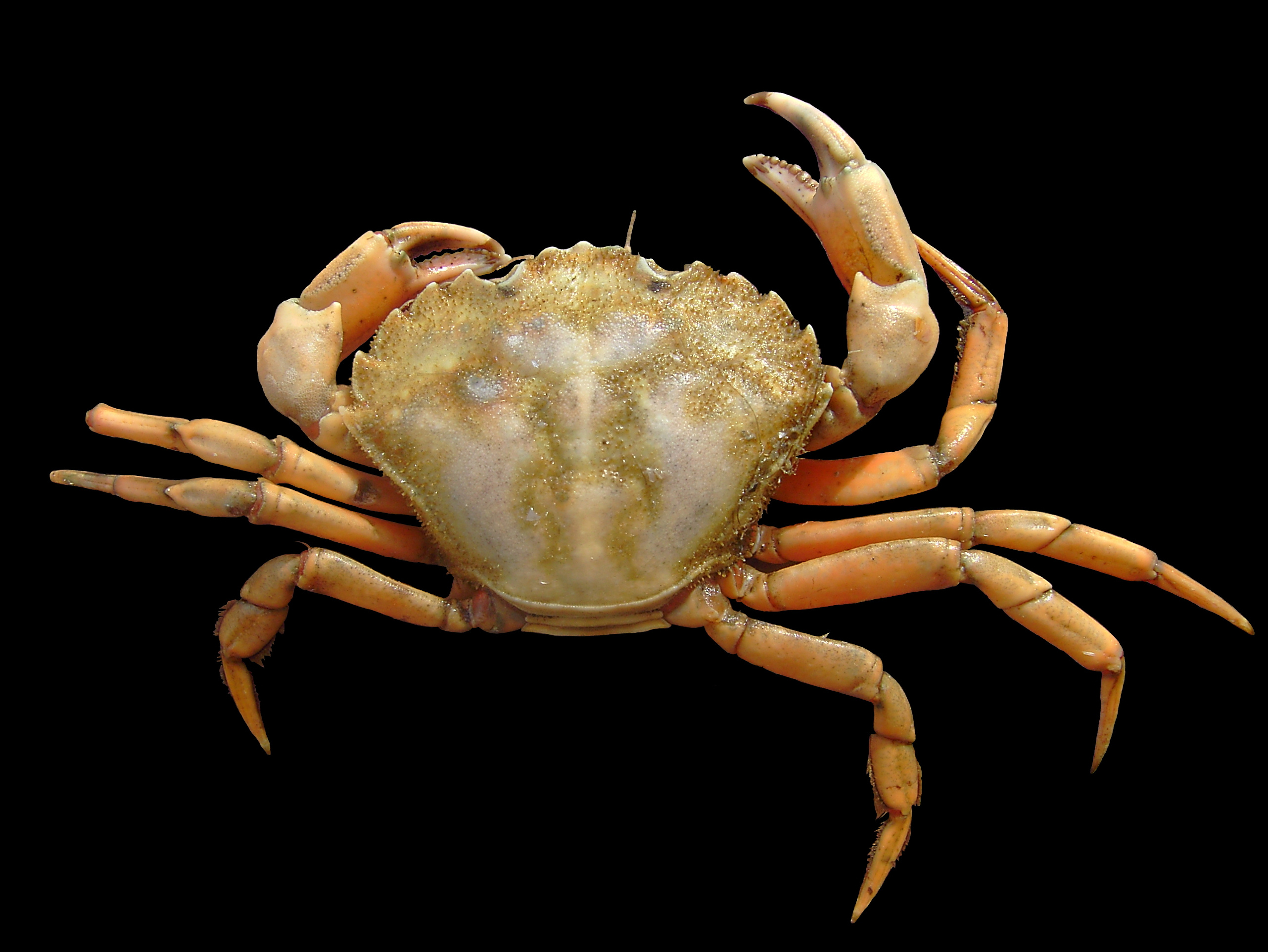
Discarding the guts helps with some toxins in some species and is not a general solution. Crab is the important exception here and it is a real one: in crab, domoic acid concentrates in the viscera, so the guidance during a domoic event is to clean crab and discard the butter rather than to stop eating crab. Do not extrapolate that to clams, where the toxin is in the meat.
Vibrio is a separate problem with a separate rule
Vibrio parahaemolyticus is a bacterium, not an algal toxin, and it behaves in the opposite way. It multiplies in warm water and in shellfish left warm after harvest, it makes people ill within a day, and it is destroyed by thorough cooking.
Washington's guidance is that from May through September, all recreationally harvested shellfish from all marine waters should be cooked thoroughly. The practical rules follow from the biology: harvest on the outgoing tide rather than from animals that have been sitting exposed and warming, get them into a cooler immediately, never into standing water, and cook them rather than eating them raw on the beach, which is exactly when and how people get sick.
The reason to keep these two categories separate in your head is that they demand opposite habits. Cooking is the answer to Vibrio and irrelevant to PSP. Checking the closure line is the answer to PSP and irrelevant to Vibrio.
The species differ, and butter clams are the outlier
Not everything on the beach responds to a bloom the same way, and the differences are large enough to be actionable.
Mussels take up toxin fastest and shed it fastest, which makes them the early warning species that monitoring programs sample most often. Oysters and manila clams take it up more slowly and clear within weeks of the bloom ending. Razor clams hold domoic acid for a long time, which is why coastal razor beaches can stay shut for months after the water has cleared.
Butter clams are the genuine outlier and the reason a separate article exists for them. They sequester saxitoxin in their siphon tissue and can hold it at dangerous levels for a year or more after a bloom has passed. A butter clam dug from a beach that is currently open for manilas is not automatically safe, and the closure notices distinguish between species for exactly this reason. Read which species the opening covers, not just the beach name.
Paralytic Shellfish Poison Update from ODFWWhere to check, and how often
Every coastal state runs a monitoring program and publishes closures, and the useful ones update daily during a bloom.
In Washington, the Department of Health maintains a Shellfish Safety Map showing every beach and its current status by species, and a recorded biotoxin hotline on 1-800-562-5632. Recreational razor clam digs are announced separately by the Department of Fish and Wildlife, usually a few days ahead, and are explicitly conditional on the most recent toxin results. Oregon, California and the Atlantic and Gulf states each run their own equivalent, generally through the state health department rather than the fish and wildlife agency, which is a common source of confusion because the agency that sets your limit is not the agency that closes your beach.
That split is the practical problem. The season comes from one agency, the closure from another, the tide from a third, and whether the beach under your feet is public comes from a county assessor. Guidepole carries the closure status against the specific beach alongside the tide and the ownership line, which is the combination that decides whether a dig is legal, safe and possible on a given morning, and it is the reason not to rely on a season announcement you read three weeks ago.
If you get it wrong
Know the presentation, because recognizing it early matters more than anything you can do afterwards.
PSP typically begins thirty to sixty minutes after eating, with tingling and numbness of the lips, tongue and face, spreading to the fingers and toes. It can progress to loss of coordination, difficulty speaking and swallowing, and in severe cases to paralysis of the muscles used for breathing. There is no antidote. The treatment is supportive care and, in serious cases, mechanical ventilation until the toxin clears, which is why the outcome depends almost entirely on getting to a hospital in time.
If you or anyone who ate the same meal develops tingling around the mouth after eating shellfish, treat it as an emergency, call 911 rather than driving yourself, and tell the dispatcher it is suspected paralytic shellfish poisoning, because it is uncommon enough that saying so changes what happens next. Keep any uneaten shellfish refrigerated: it lets the health department test what you actually ate and warn everyone else. Then report it, because most PSP cases come from beaches that were closed at the time and reporting is how the next closure gets called faster.
The gear
Nothing on this list makes a closed beach safe. The list exists because the difference between a clean trip and a bad one is mostly handling, and handling is equipment.
Your state's shellfish safety map, saved to your phone before you leave, is the first item and the only one that matters absolutely. Signal at a beach access is unreliable and the answer changes the same day a sample comes back over the action level, so check it that morning and screenshot the result rather than trusting that you will be able to load it again from the sand.
A hard cooler with real ice is the second, and it is the item that addresses Vibrio rather than saxitoxin. Warm shellfish sitting in a bucket in a car is where the bacterial count multiplies, and the fix is to get the catch cold within the first hour and keep it cold.
A mesh catch bag rather than a sealed bucket, because shellfish left in standing water suffocate and a dead clam is a discard regardless of what the biotoxin map said.
A shellfish license for the state you are standing in, which sounds obvious until you are on a trip that crosses a line.
A measuring gauge, since undersize animals are a citation and a habit worth building rather than a judgment call.
Waterproof gloves, because most of this work happens in cold water and cold hands make careless decisions.
And a pot large enough to cook the whole catch properly. Crowding a pot steams the top layer and leaves the bottom underdone, which does nothing about saxitoxin, which cooking never touches, but does matter for the warm-water bacterial risk that cooking solves.
The habit that keeps you safe
All of the above reduces to a short routine, and the people who do this for decades without incident are running it every time rather than knowing more than everyone else.
Check the closure line the morning you go, not the week before, and check it for the species you intend to take rather than for the beach in general. Confirm the beach is open to public harvest at all, which on Puget Sound is a separate question with a different answer. Keep your catch cold from the moment it leaves the sand. Cook it, especially between May and September. And if something has changed since you left the house, go home, because there are more tides.
The short version
Three toxins, three action levels, and one of them can kill you. Cooking does not remove any of them, and none of them change how the shellfish looks or tastes.
A beach closes on one bad sample and reopens only after two clean ones spaced seven to ten days apart with a declining trend, so closures arrive fast and lift slowly. Closures are by beach and by species, and butter clams can hold toxin for a year after the water is clean.
Vibrio is the opposite problem: a warm-weather bacterium that cooking does solve. Check the morning you go. Nothing else in this article matters if you skip that.
Where you may legally dig is a separate question, covered in public tidelands and private beaches, and the tide window that makes a dig possible at all is in minus tides for clamming.
The species that holds saxitoxin longest than any other is covered in butter clams and PSP, and the separate warm-water problem that cooking does solve is in the R rule is right for the wrong reason. Whether you may be on the beach at all is public tidelands and private beaches, and what you need in your pocket is shellfish licenses by state. If you want the practical version of all of this on one beach, it is in picking oysters on Puget Sound.