Fish
Fish Fire
Fire Hike
Hike Bird
Bird


The advice you have probably heard about European green crab is to catch them and eat them, on the reasoning that they are a destructive invasive and eating the problem is the elegant solution.
In Washington, that advice is wrong, and following it may make things worse.
Green crab is a Prohibited Level 1 Invasive Species in Washington. It is illegal to possess or transport a live one. And the state is specifically not asking the public to kill suspected green crabs, because native crabs are misidentified constantly and the animal you are confidently dispatching is more likely to be a native.
What you are supposed to do
The instruction is short and it is the opposite of what most people expect.
If you find a crab you believe is a European green crab, photograph it, report it through the Department of Fish and Wildlife's green crab reporting page, and return the crab where you found it. Do not kill it, do not keep it, and do not take it home to show somebody.
If you find a dead crab or an empty shell, you may collect and keep that, and it is useful, because a shell is an identifiable specimen that costs no live native crab to obtain.
That is it. The management response is a professional trapping program, and what it needs from the public is accurate reports of where the animals are, not a distributed and error-prone culling effort.
Why not just kill them
The reasoning is worth understanding rather than accepting on authority, because it is a good piece of applied thinking.
Green crabs are small, greenish-brown, and share a coastline with several native crabs that look broadly similar to an untrained eye. Helmet crabs, hairy shore crabs, juvenile Dungeness and several others get mistaken for them regularly, and the Department of Fish and Wildlife has published cases of exactly that.
Now run the arithmetic. If the public kills every crab it believes is a green crab, and identification is unreliable, then a campaign intended to remove an invasive kills a large number of native crabs including juvenile Dungeness. The invasive population is barely affected, because scattered opportunistic killing does not control an established population anyway, and the native populations take a real hit.
The professional trapping programs, run by the state, tribes, marine resources committees and volunteer groups with training, remove green crabs in numbers that matter and identify them correctly. That is where control happens.
Green Crabs Are Invading the Pacific Northwest CoastWhy the crab matters
None of the above means green crab is harmless. It is one of the more damaging marine invasives on either American coast.
Carcinus maenas is native to Europe and North Africa, arrived on the American east coast in the 1800s and on the west coast in the 1980s and 1990s, and is now established from California to British Columbia and through the Salish Sea. It is a voracious generalist predator and an aggressive competitor.
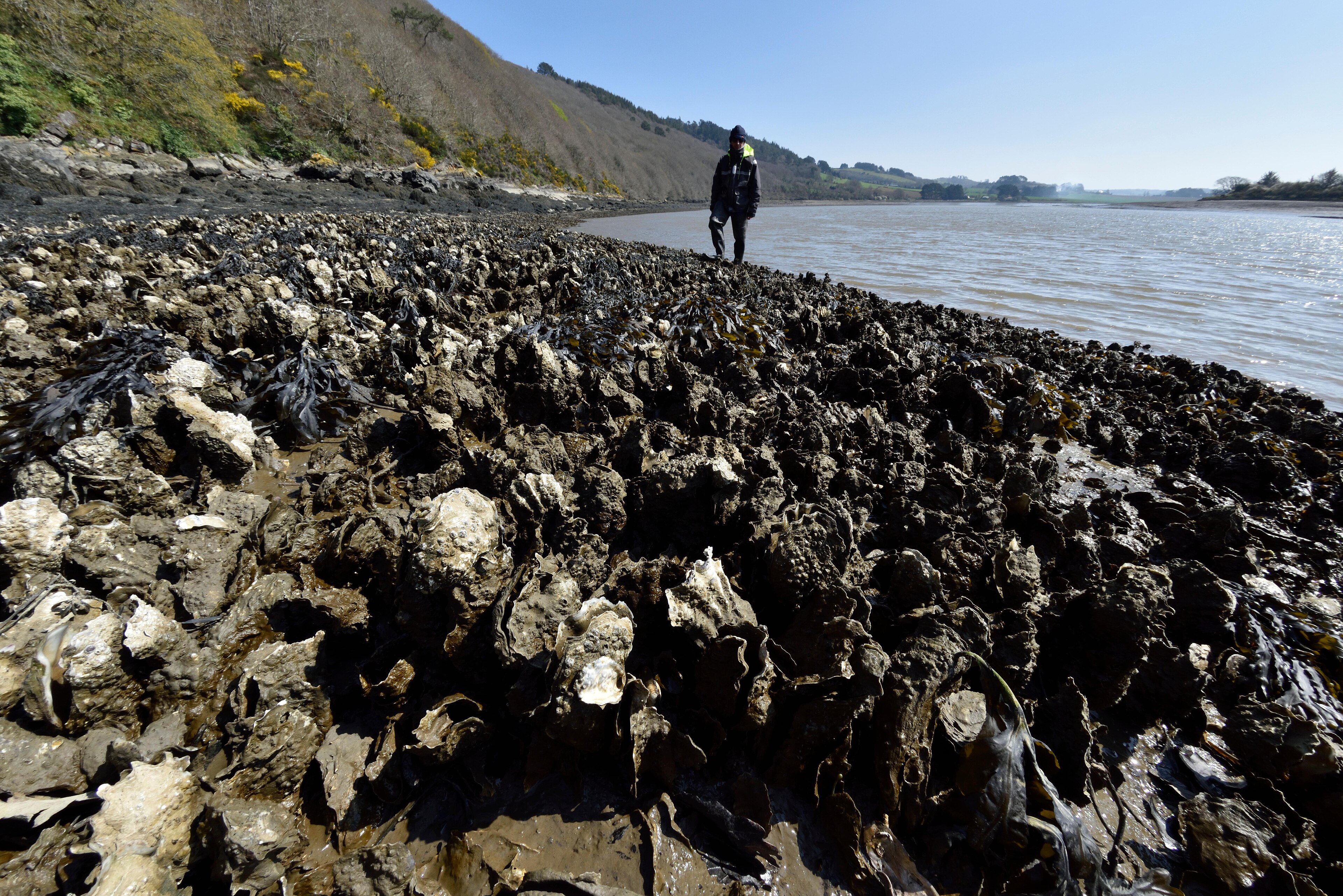
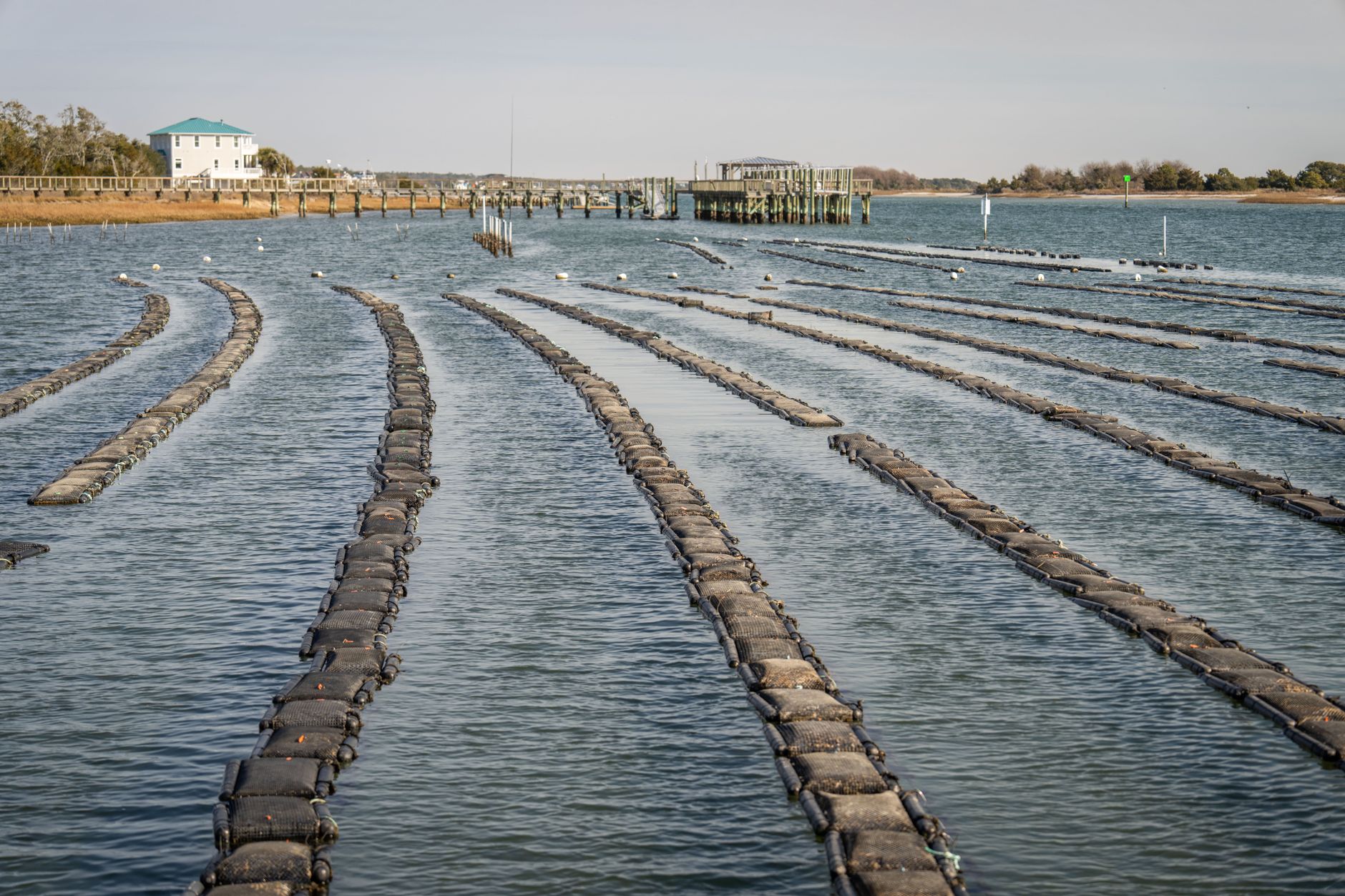
The damage is to shellfish and to habitat. Green crabs eat juvenile clams, oysters and mussels in large numbers, which is a direct problem for both wild populations and the aquaculture industry. They also dig while foraging, and that digging damages eelgrass beds, which are the nursery habitat for a long list of species including salmon and Dungeness crab. So the animal does harm at two levels: it eats the shellfish and it wrecks the ground the shellfish and everything else depend on.
Washington declared a state of emergency over green crab expansion, and the state has since published a long-term management plan. This is a serious and well-funded response rather than a routine invasive species listing.
The identification, since reporting requires it
Reporting usefully means being able to describe what you saw, and the features are learnable.
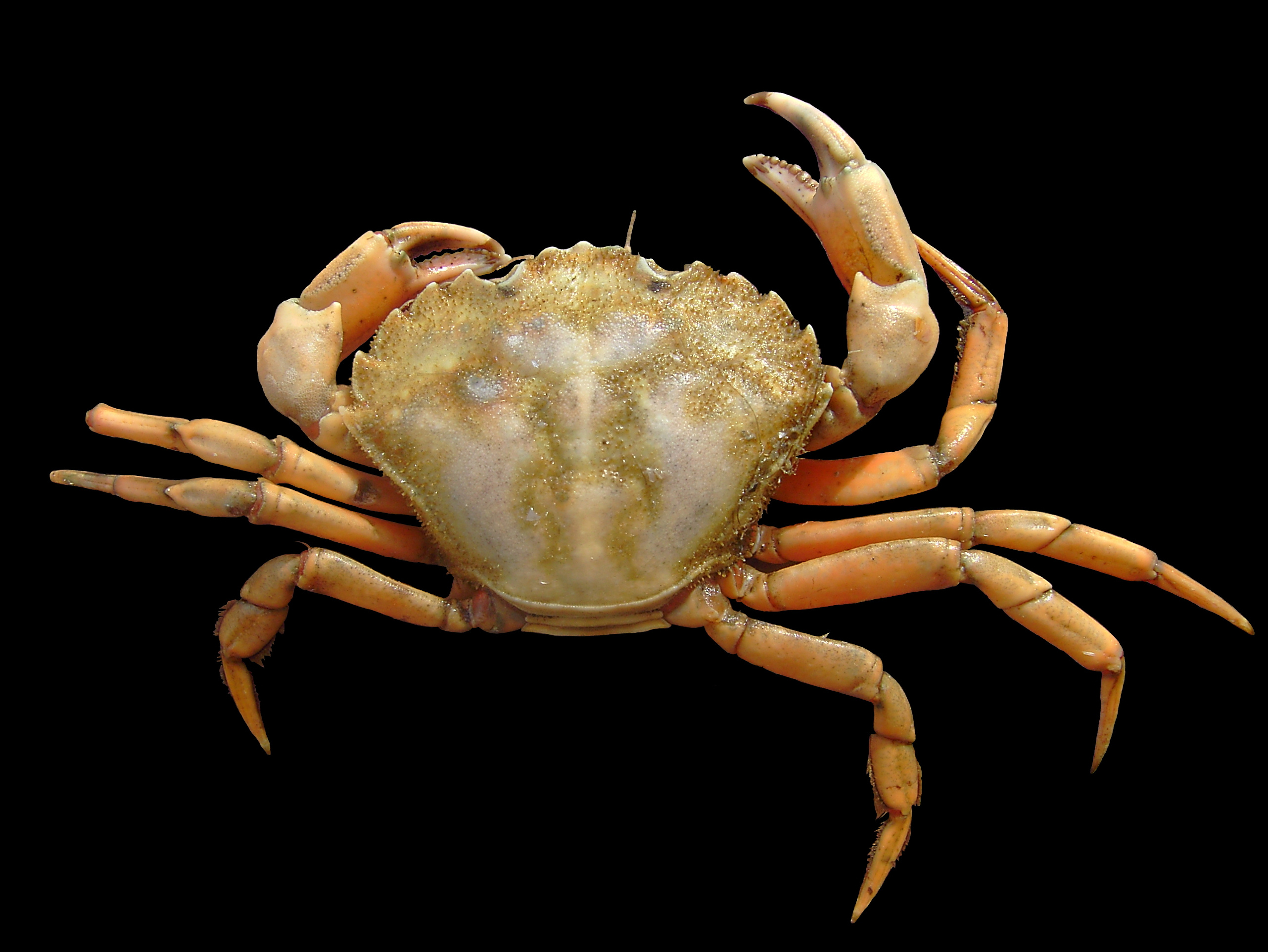
The reliable field mark is the shell edge. A green crab has five distinct spines, sometimes called teeth, along the shell edge on each side, outside the eye socket. Count them. Five is the number. Native crabs on this coast do not have that arrangement.
The name is unhelpful. A European green crab is frequently not green: it may be brown, red, orange or mottled, and the underside of a mature male is often bright orange or red. Color tells you nothing and the spines tell you everything.
Size is modest, generally under four inches across, and the shell is wider than it is long with a somewhat fan-shaped outline. They also have three rounded bumps between the eyes.
If you are not sure, that is the normal state, and it is exactly why the instruction is to photograph and report rather than to act. A photograph of the shell edge from above is what an identifier needs.
How they got here, and how fast
The spread is worth knowing because it explains why Washington is at a containment stage rather than a harvest one.
Carcinus maenas reached the American east coast in the 1800s, probably in ship ballast or in the packing material used for shipping goods, and it has been established there for so long that it is effectively part of the fauna. The west coast introduction is far more recent: it appeared in San Francisco Bay around 1989 and moved north from there, with the strong El Nino winters of the late 1990s carrying larvae up the coast in unusually favorable currents.
It reached the Washington outer coast, then the Salish Sea, and populations have expanded substantially in recent years in Willapa Bay, Grays Harbor, the Strait of Juan de Fuca, and the waters near the Canadian border including Drayton Harbor.
That timeline matters. A species that arrived thirty years ago and is still expanding is one where trapping, monitoring and early detection can change the outcome. A species established for two centuries is not, which is the entire reason the advice on the two coasts differs.
WDFW Creates New Hub to Fight Invasive European Green CrabsWhat the trapping programs do
The control effort is real work done by real people, and it is worth knowing what it looks like.
Crews from the state, from tribes, from marine resources committees and from volunteer organizations set baited traps across suspected and confirmed sites, check them on a schedule, identify and remove green crabs, and record everything. The data is what tells managers whether a population is growing, holding or being suppressed.
That is a very different activity from a member of the public killing a crab on a beach. It is systematic, it covers enough area and enough time to reduce a population, and the identifications are made by people who do it every week.
Volunteering with one of those programs is the most useful thing an interested person can do, and several of them train and take volunteers directly. It also has the pleasant side effect of teaching you the identification properly, which makes every subsequent report you file more useful.
Where the advice is different
The east coast is a different situation, and this is where the eat-the-invader argument came from.
Green crab has been established in New England since the nineteenth century, it is abundant, it is implicated in serious damage to the soft-shell clam fishery, and the management posture there is not one of early detection. Maine and Massachusetts have both explored and encouraged harvest, and there are developing efforts to build markets for green crab as food, as bait, and as a source of stock and other products.
Where an invasive is long-established and abundant beyond any hope of eradication, and where identification is not confused by lookalikes to the same degree, harvesting it is a reasonable idea and the argument for eating them is sound.
Washington is at a different stage. The population is expanding, the response is aimed at containment and removal, and the priority is knowing where they are. The advice differs because the situation differs, and applying east coast reasoning to a west coast beach is exactly the error.
So the rule that travels is not a rule about green crab. It is: check what your state actually asks of you, because for this species the correct action is opposite in two places.
The east coast fishery being built
Since the Maine approach is the one most people have heard of, it is worth describing what it amounts to.
The obstacles to eating green crab are practical rather than culinary. They are small, so picking meat from them is uneconomic at any normal wage, and their season of peak quality is narrow. The efforts that have gained traction therefore mostly avoid picking meat: soft-shell green crabs harvested at the molt and eaten whole, which is good and commands a real price; stock and broth, where small size does not matter; and processing into other products.
There is also a bait market, since green crab makes acceptable bait for other fisheries, and various efforts to use them in agriculture and in shell-derived products.
None of that has yet produced harvest at a scale that controls the population, which is the honest assessment. It produces some economic return from an animal that is otherwise pure cost, and it funds and motivates removal, and those are worthwhile things without being eradication.
That distinction is why the argument does not simply transfer west. Building a market takes years and works on an abundant established population. Washington's situation calls for locating and removing new infestations quickly, which is a monitoring problem rather than a market one.
The gear
This is a reporting article rather than a harvest article, and the gear list is honest about that.
A phone camera is the primary tool. A photograph of the crab, ideally from directly above with something for scale, is what a state agency needs, and it is what turns a sighting into a data point rather than a rumor.
The five-spine field mark, memorized. A European green crab has five spines on each side of the eye and three rounded bumps between the eyes, and the count is the identification. Color is not: a green crab is frequently not green, and the native shore crabs people confuse them with are frequently greenish.
The state reporting page bookmarked before you go, because the report is worth much more filed the same day than remembered a week later.
A bag for dead crabs and empty shells, if your state's program asks for specimens, which some do and some explicitly do not.
A way to record exactly where you were, which is the part most reports get wrong. A GPS point or a dropped pin beats a description of a beach.
A brush and a way to drain gear, since larvae and small crabs move in wet gear between waters and this is a real vector rather than a theoretical one.
And restraint, which is the actual gear here. In Washington the European green crab is a prohibited species that may not be possessed live, and the state does not want the public trapping or killing them independently. Photograph, report, and let the program do the trapping.
What a shellfisher should do
There is a practical version of all this for anyone who is on tideflats anyway.
Learn the five spines. It takes one look at a good photograph and it is the single most useful contribution most people can make, because shellfishers are on the beaches where new populations show up first.
Report what you see, with a photograph, through the state's reporting page. Reports from the public are how new infestations get found, and finding one early is worth far more than removing a hundred crabs from an established population.
Do not move gear, bait, water or shellfish between water bodies without cleaning and draining, because that is a genuine transport pathway for larvae and juveniles.
And knowing which water body you are in matters here, because reports are only useful if they are located correctly and because containment is organized by area. Guidepole carries the water body and the managing agency under the beach you are standing on, which turns a vague report into a locatable one.
The short version
In Washington, European green crab is a Prohibited Level 1 Invasive Species and it is illegal to possess or transport a live one.
The state is not asking you to kill them. Photograph, report at the Department of Fish and Wildlife green crab page, and put the crab back where you found it. Dead crabs and empty shells may be collected.
The reason is misidentification. Native crabs get mistaken for green crabs routinely, so a public culling campaign would kill natives, including juvenile Dungeness, without meaningfully reducing an established invasive.
Identify by the five spines along the shell edge outside each eye. Not by color, which is unreliable and gives the species a misleading name.
They matter because they eat juvenile shellfish and tear up eelgrass, which is nursery habitat for salmon and Dungeness. Washington declared an emergency over their expansion.
And in New England, where the species has been established since the 1800s, harvesting and eating them is a reasonable idea. The advice differs because the stage of invasion differs.
The crab you are actually allowed to catch in the same water is in Dungeness crabbing on Puget Sound, and the smaller one people mistake for a green crab more often than anything else is in red rock crab on Puget Sound. The gear rules that govern any pot you set are in crab pot rules explained. What the green crab threatens is in digging Manila clams on Puget Sound and Willapa Bay oysters, and where you may legally stand while looking for one is in public tidelands and private beaches.