Fish
Fish Fire
Fire Hike
Hike Bird
Bird

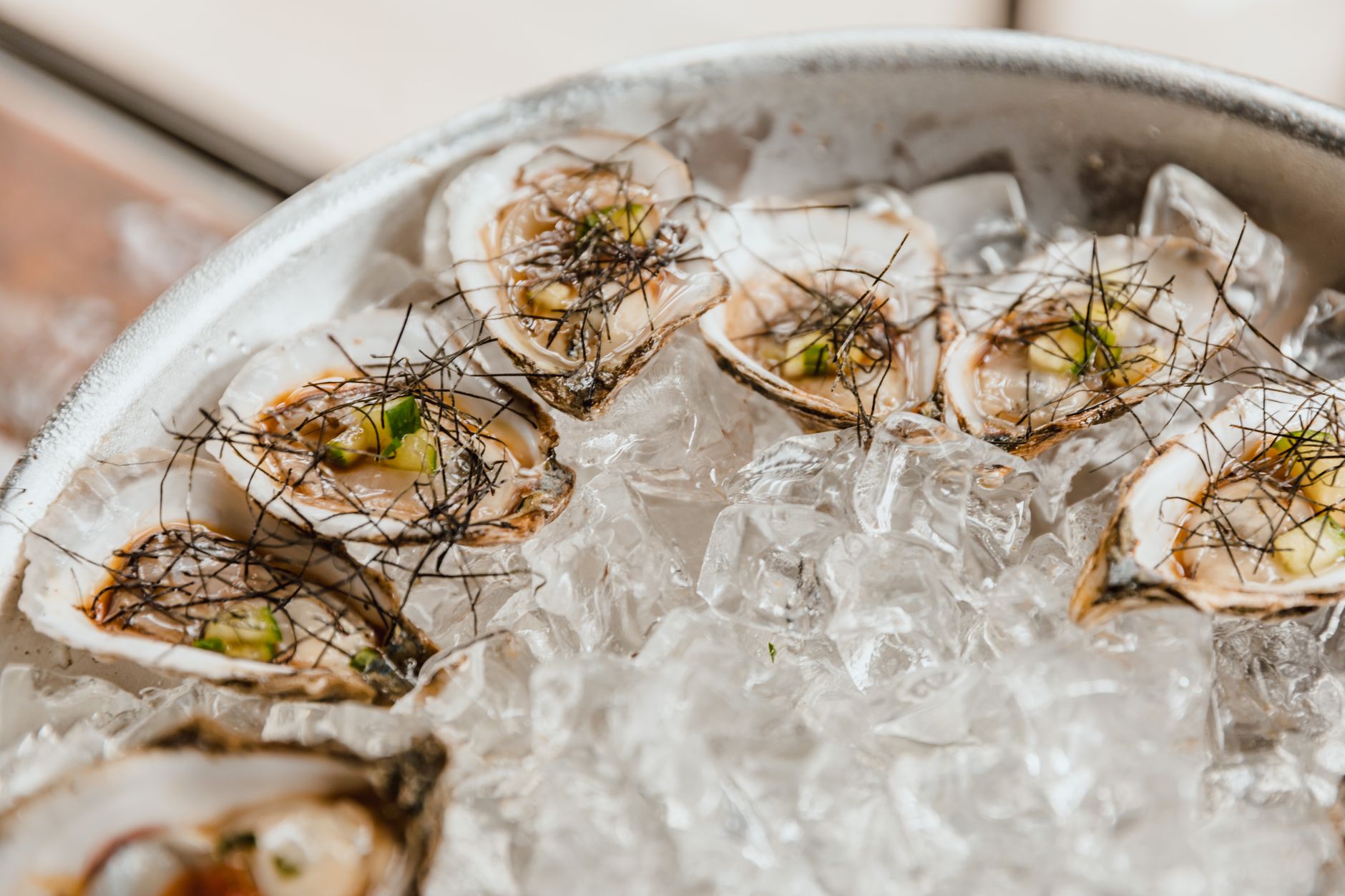

The rule about eating oysters only in months with an R in them is old, widely repeated, and mostly right for the wrong reason.
People will tell you it is about spawning, and spawning is part of it. The actual danger, the one that puts people in hospital, is a bacterium that multiplies in warm water, and it does not care what the month is called.
Both halves are worth understanding, because one is about whether the oyster is nice and the other is about whether it is safe.
Why summer oysters are poor
Start with the part that is a quality question rather than a safety one.
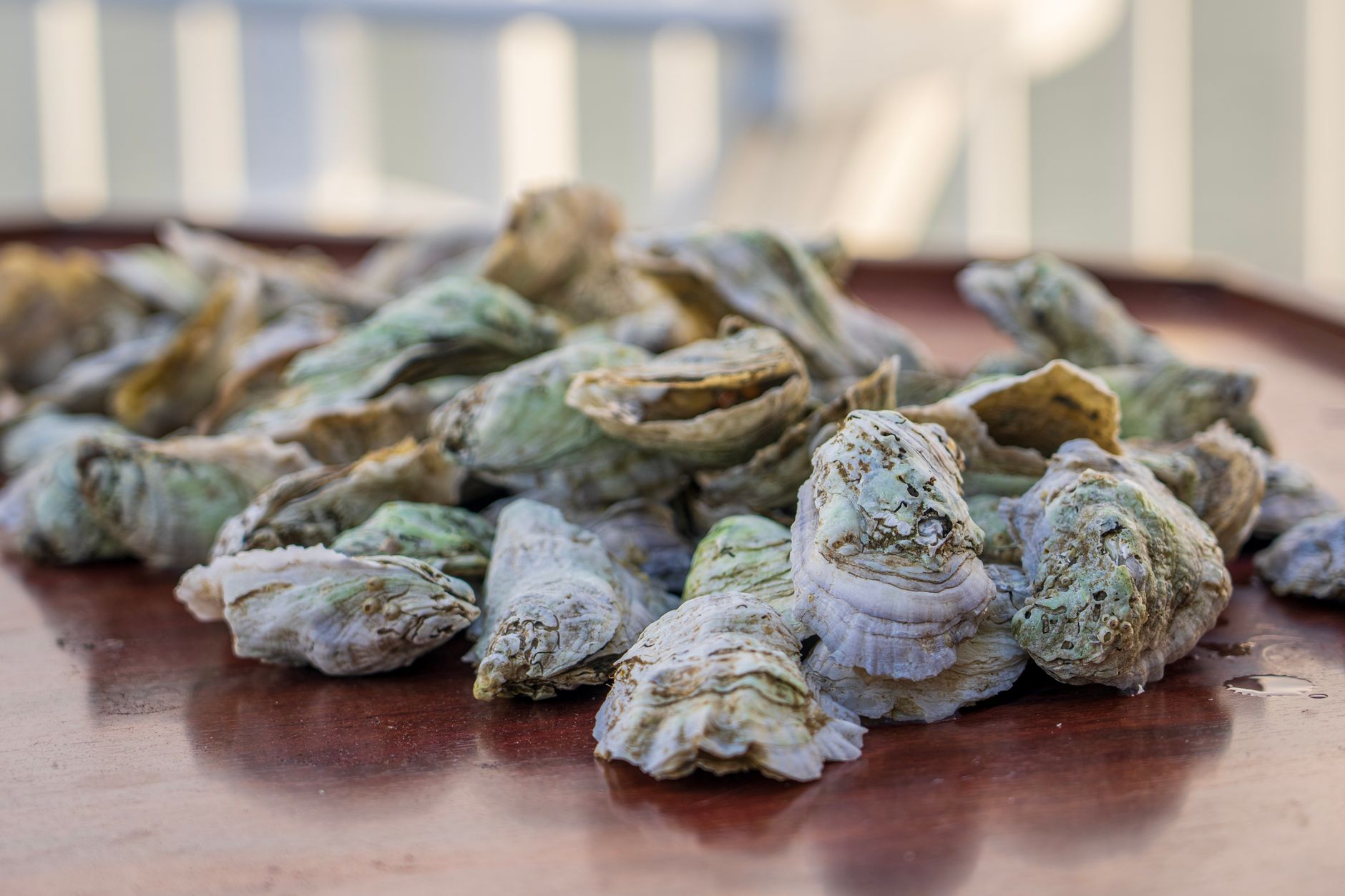
Pacific oysters spawn when the water warms, usually through summer. A spawning oyster converts a large share of its body mass into eggs or sperm, and the meat becomes thin, soft, watery and visibly milky. It is not dangerous. It is just unpleasant, and after spawning the animal is spent and stays poor until it reconditions in cooler water.
That is the seasonal pattern the R rule describes. In the northern hemisphere the months without an R, May through August, are roughly the warm months when oysters spawn, and the months with one are roughly when they are fat.
Growers get around it. Triploid oysters, which carry three sets of chromosomes instead of two, are largely sterile and do not put their energy into spawning, so they stay in good condition through the summer. Most year-round farmed oysters you eat in July are triploid, and that is a genuine technical solution to the quality half of the problem.
It does nothing at all about the other half.
Vibrio is the real reason to be careful
Vibrio parahaemolyticus is a bacterium that occurs naturally in coastal seawater. It is not pollution and its presence does not mean the water is dirty.
What it does is multiply with temperature, in the water and, critically, in shellfish after harvest. An oyster taken from warm water and then left warm on a boat or in a truck for a few hours can carry a far larger bacterial load than the same oyster iced immediately. Illness is gastrointestinal, unpleasant, usually self-limiting, and occasionally serious.
Vibrio vulnificus is the rarer and much more dangerous relative. It can cause severe illness and death, particularly in people with liver disease, diabetes, immune compromise or iron overload, and it can also infect through a cut, which is a reason to take shell cuts seriously and not just to worry about eating.
Washington advises cooking all recreationally harvested shellfish from all marine waters between May and September. That guidance exists because of Vibrio, and cooking solves it, which is the crucial difference from the biotoxins.
The distinction that actually matters
Keep two categories separate in your head, because they demand opposite habits.
Vibrio is a bacterium, it grows with warmth and time, and cooking destroys it. So the answers are ice immediately and cook thoroughly.
Paralytic shellfish poisoning and domoic acid are algal toxins. They are heat stable, cooking does nothing whatsoever, and the only defense is not harvesting from a closed beach. So the answer is checking the closure line on the morning you go.
An oyster can be perfectly safe from one and lethal from the other, and the habits that protect you from each are different. That framework is set out properly in shellfish biotoxin closures, and it is the single most important thing to read before harvesting anything.
Harvesting Oysters (for Dummies!)Handling, which is most of food safety
Almost everything that goes wrong with a home oyster harvest goes wrong between the beach and the kitchen.
Get them cold immediately. A cooler with ice, drained, so the animals are chilled but not sitting in meltwater. Fresh water kills oysters, and a dead oyster spoils fast.
Keep them alive until you cook or shuck them. Live oysters hold well for days in a refrigerator, cup down, covered with a damp cloth, in an open container. Never sealed in plastic and never submerged, both of which suffocate them.
Check before you open. A live oyster is closed, or closes when tapped. One that gapes and stays open is dead and goes in the bin. After cooking the test reverses: discard any that did not open.
And in Washington, note that the shucking happens on the beach by law, so what comes home is meat in liquor rather than live animals in shell. That changes the storage question entirely: shucked oysters go straight into the refrigerator or the freezer, they do not keep like live ones, and they should be eaten or cooked within a couple of days.
Puget Sound Oyster HarvestingThe gear
Food safety with shellfish is mostly temperature and one knife, and the list is short.
A proper oyster knife: short, stout, blunt-tipped, with a guard between blade and handle. This single item determines whether shucking is a skill or an injury, because a thin sharp blade in a hinge goes into your hand rather than into the oyster.
A shucking glove or a folded towel for the hand holding the shell, which is the hand that gets cut.
A cooler and plenty of ice, which is the entire Vibrio intervention. The bacterium multiplies with warmth and time, so cold on the first oyster is worth more than any decision made later in a kitchen.
A damp cloth and an open container for storage, because live oysters keep for days cup down in a refrigerator under damp cloth, and die in sealed plastic or standing water.
A stiff brush for scrubbing shells before opening, which keeps mud and grit out of the liquor, and the liquor is the part people most often ruin.
A thermometer if you are cooking for safety rather than for pleasure, because shells opening is not a doneness test and food safety guidance points at 145 degrees Fahrenheit in the meat.
And the state shellfish safety map, which belongs on a gear list because it is the only item here that addresses biotoxins at all. Cooking handles Vibrio and does nothing for saxitoxin, so the closure check is a separate and non-negotiable step that no equipment replaces.
Opening one properly
The technique is learnable in an afternoon and it is worth learning, because the alternative is injury.
Use a real oyster knife: short, stout, blunt-tipped, with a guard between blade and handle. Not a kitchen knife, which is thin, sharp and will snap, and not a screwdriver. Protect the holding hand with a heavy glove or a folded towel.
Hold the oyster cup down and flat shell up so the liquor stays in the deep half. Find the hinge at the narrow, pointed end, where the two shells are joined by a ligament. That is the way in, not the side.
Work the tip of the knife into the hinge and twist rather than push. Pushing is how the blade slips and finds your hand. Twisting levers the shells apart, and the hinge gives with an audible pop.
Then slide the blade along the inside of the flat top shell to cut the adductor muscle where it attaches, and lift the top shell away. Run the blade under the meat to free it from the bottom shell, check for shell fragments, and it is done.
Rinse only if you have to, because the liquor is part of it, and pouring it away is a common beginner mistake.
Cooking, which is the answer between May and September
If Vibrio is the concern, thorough cooking removes it, and thorough is the operative word.
Steaming until the shells open is not by itself a guarantee, because shells can open before the meat reaches temperature. Give them a few minutes past opening. For shucked meat, cook until it is firm and opaque, and if you want a number, food safety guidance generally points to an internal temperature of 145 degrees Fahrenheit.
Grilling on the half shell, roasting, frying and stewing all work and all cook thoroughly if you are not rushing. The Northwest tradition of oysters straight onto a hot grill until they pop open and then a few minutes more is both the easiest method and, not coincidentally, a safe one.
The other tradition, a bucket of freshly picked oysters opened raw on the beach in August, is exactly the practice the summer advisory exists to discourage.
Buying rather than picking
Most oysters are bought, and the questions are different from the ones that apply on a beach.
Commercially sold shellfish carry a tag, which is a legal document rather than packaging. It records the harvest area, the harvest date and the dealer, and it exists so that an illness can be traced back to a specific bed on a specific day. A retailer is required to keep it, and asking to see it is entirely reasonable. No tag means no traceability, and shellfish sold without one is a genuine reason to walk away.
The harvest date is the useful number. Live oysters keep well, and a week from harvest is unremarkable while three weeks is a different proposition. The tag tells you, and the display case does not.
Commercially harvested shellfish also comes from areas under continuous sanitary classification and biotoxin monitoring, which is a meaningfully different risk profile from a recreational beach where you are responsible for checking the closure yourself. That is the honest argument for buying rather than picking if you are in a high-risk group: the monitoring is tighter and somebody else is doing it.
Freezing, and what it does
Worth a note, because the answers are counterintuitive.
Freezing kills the animal, so a frozen oyster is not a live oyster and cannot be eaten raw with any confidence. It does substantially reduce Vibrio, though it does not reliably eliminate it, and it does nothing at all to algal biotoxins, which survive freezing exactly as they survive cooking.
Texturally, freezing changes an oyster considerably. Shucked meat frozen in its own liquor works perfectly well for stews, chowders, frying and anything cooked, and it is a reasonable way to handle a large recreational harvest that cannot be eaten in two days. It is not a way to store oysters for the half shell.
Some commercial oysters are treated with high pressure processing, which pops the shells open, extends shelf life and reduces bacterial load. Those are sold as raw and are a different product from a hand-shucked live oyster.
The rest of what a shell can carry
Vibrio and biotoxins are the two that matter most and they are not the only reasons shellfish makes people ill.
Norovirus is the other significant one, and it behaves differently from both. It comes from human sewage entering the water rather than from anything the oyster does, oysters concentrate it by filtering, and it is the usual cause of the large multi-person outbreaks traced back to a single harvest area. It is why sanitary classification of growing areas exists at all, why beaches near outfalls and marinas are closed, and why heavy rainfall triggers conditional closures in many places: stormwater carries what is on the land into the water.
Cooking reduces norovirus risk substantially and raw consumption is where the outbreaks happen. The defense is the same as for biotoxin, which is not harvesting from a closed or unclassified area.
Hepatitis A works on the same principle and is far rarer in this context, and is one more argument for the sanitary classification system rather than for anxiety.
The general shape is worth holding: three different hazards with three different origins. A bacterium that grows with heat, algal toxins that arrive with a bloom, and viruses that arrive with sewage. Cooking handles the first and helps with the third and does nothing for the second, and the closure line handles the second and the third and nothing for the first.
Who should be more careful
Vibrio vulnificus risk is not evenly distributed and the difference is large enough to state plainly.
People with liver disease, including from hepatitis or heavy drinking, are at substantially elevated risk of severe illness. So are people with diabetes, immune compromise, cancer treatment, kidney disease and conditions involving iron overload. For those groups the sensible position is not to eat raw shellfish at all, in any month, rather than to be careful in summer.
Pregnancy is its own case and worth discussing with a clinician rather than reasoning about from a food blog.
For everyone else, the ordinary version applies: raw oysters in cold months from an open beach, cooked oysters the rest of the year, and cold handling throughout.
The short version
The R rule is describing something real and explaining it wrongly. Summer oysters are poor because they are spawning, which is a quality problem, and summer oysters are risky because Vibrio multiplies in warm water, which is a safety problem.
Triploid farming solves the quality half. Nothing solves the safety half except temperature control and cooking.
Vibrio is a bacterium: ice immediately, cook thoroughly, and it is dealt with. Algal biotoxins are not: cooking does nothing and the only defense is checking whether the beach is open.
Open oysters at the hinge with a real oyster knife, twisting rather than pushing, cup down to save the liquor. Wear a glove.
And if you have liver disease, diabetes or a compromised immune system, skip raw oysters entirely rather than skipping them in July.
The beach rules that govern picking your own are in picking oysters in Puget Sound, and the closure framework is in shellfish biotoxin closures.
The rules for picking your own are in picking oysters in Puget Sound, the best public beaches for it are in Hood Canal oysters, and why one bay's oysters taste unlike another's is in why oysters taste different. The species behind almost all of them is in the oyster on your plate came over on a steamship.