Fish
Fish Fire
Fire Hike
Hike Bird
Bird


Put a Totten Inlet oyster next to a Willapa Bay oyster next to one from Hood Canal. Same species, same coast, a few hours apart by road, and they do not taste the same.
That difference is real, it is measurable, and most of it comes down to four things: how salty the water is, what the plankton is doing, how the animal was grown, and how long it spends out of the water each day.
The industry calls it merroir, which is a borrowed word doing honest work.
It is one species doing all of this
The first thing to be clear about is that almost every named west coast oyster is the same animal.
Kumamoto is a separate species and so is the native Olympia. Everything else on a typical raw bar list, whatever the place name, is a Pacific oyster, Crassostrea gigas, brought from Japan in the 1920s and 1930s. The full history is in the oyster on your plate came over on a steamship.
So when two oysters taste different, that is not two varieties in the way two apple cultivars are different. It is one animal responding to where it lived, which is a stronger claim than it first appears, because it means the flavor is coming from the place rather than from breeding.
Salinity is the biggest single variable
The most obvious difference between two oysters is how salty they are, and it maps directly onto the water.
An oyster is more or less in equilibrium with the water it filters. Grow one in a high-salinity bay near open ocean and it tastes of the sea. Grow the same animal in the upper end of an estuary where a river dilutes the water and it will be noticeably milder, softer and sweeter.
That is why oysters from the outer coast and open bays read as briny while oysters from river-influenced inlets read as mild. It is also why the same lease can produce different oysters in a wet year and a dry one, and why growers who move stock between beds do so deliberately, sometimes finishing oysters in saltier water for a period before harvest specifically to change how they taste.
Puget Sound is unusually good at demonstrating this because it is a fjord system with enormous salinity variation across short distances. South Sound inlets, Hood Canal and the Strait of Juan de Fuca are meaningfully different water within a couple of hours of each other.
Unlocking the Secrets of Oyster Flavors and MerroirWhat the oyster is eating
The second variable is food, and it is the one that produces the flavors people find hardest to describe.
Oysters filter phytoplankton, and the composition of that plankton varies by place and by season. Different algal assemblages produce different flavor compounds in the animal, which is where the cucumber and melon notes that show up in tasting notes come from, and they are not imagination.
Feeding intensity also changes texture and body. An oyster in rich, productive water grows faster and fills out more, so it is plumper and sweeter. The same animal in thinner water grows more slowly and stays leaner and firmer.
The seasonal version of this is the whole reason spring oysters are the best on this coast. Through winter the animal has been feeding without spending anything on reproduction, so it goes into spring fat and dense. By late summer it has spawned and is thin and milky, which is the honest content of the months-with-an-R rule and is covered in the R rule is right for the wrong reason.
How it was grown
Growing method changes the shape and the texture as much as the water changes the flavor, and it is the part a grower controls most directly.
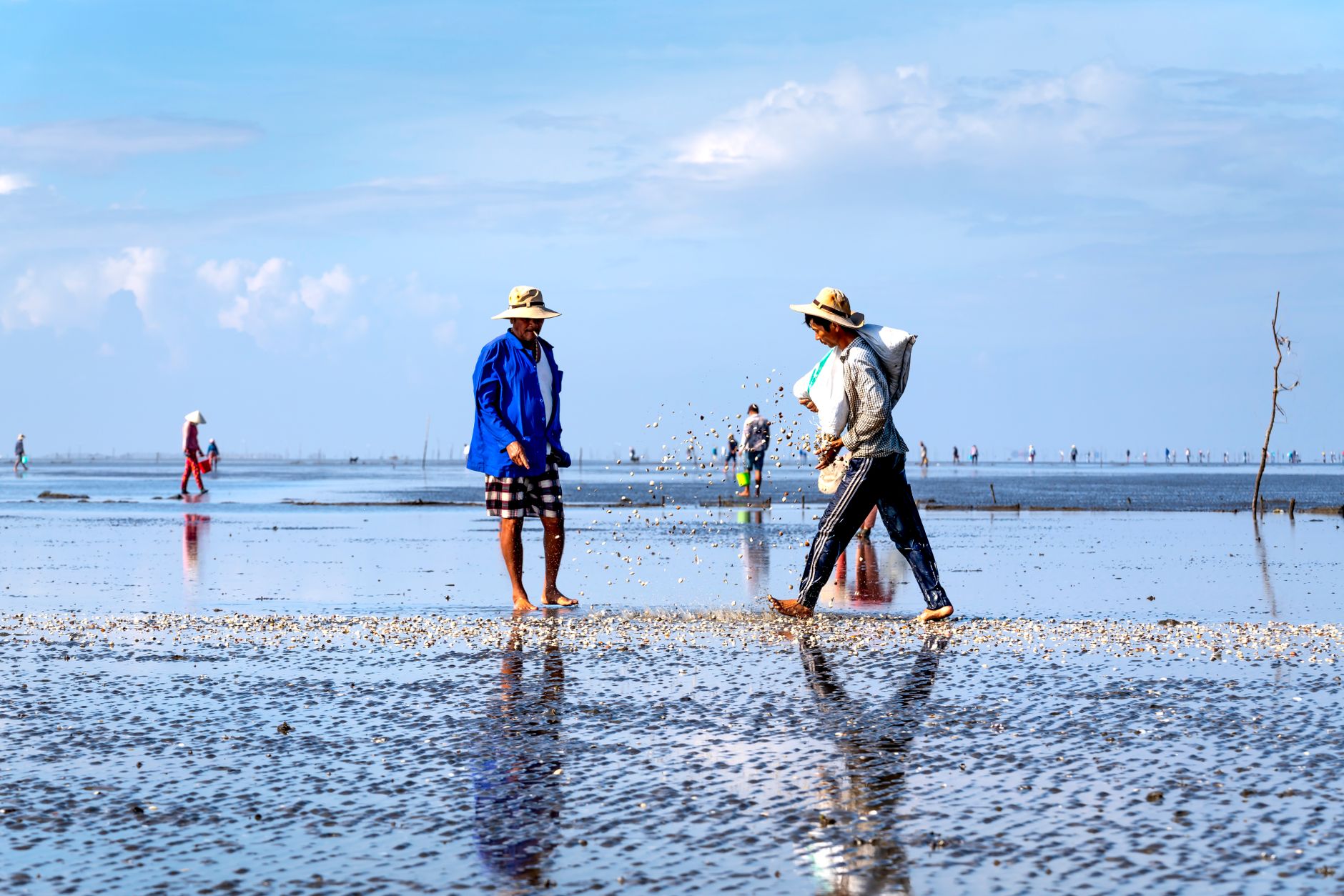
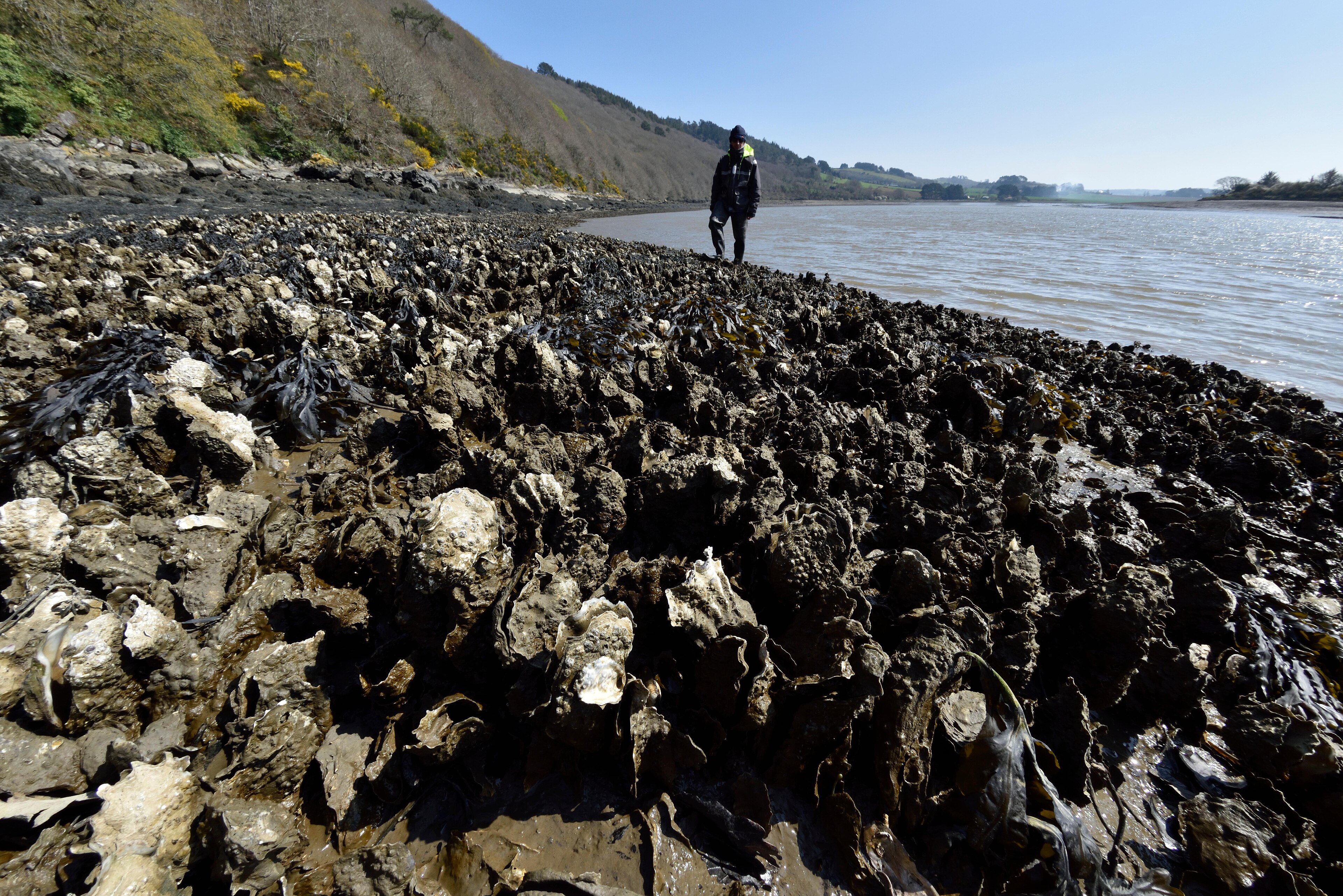
Bottom culture is the old way: oysters broadcast onto the tideflat, growing where they land. It is cheap, it produces the largest volume, and it gives you an oyster that has been sitting in mud, often with a flatter, thinner, more irregular shell, sometimes in clusters. That is what most Willapa Bay production has historically looked like.
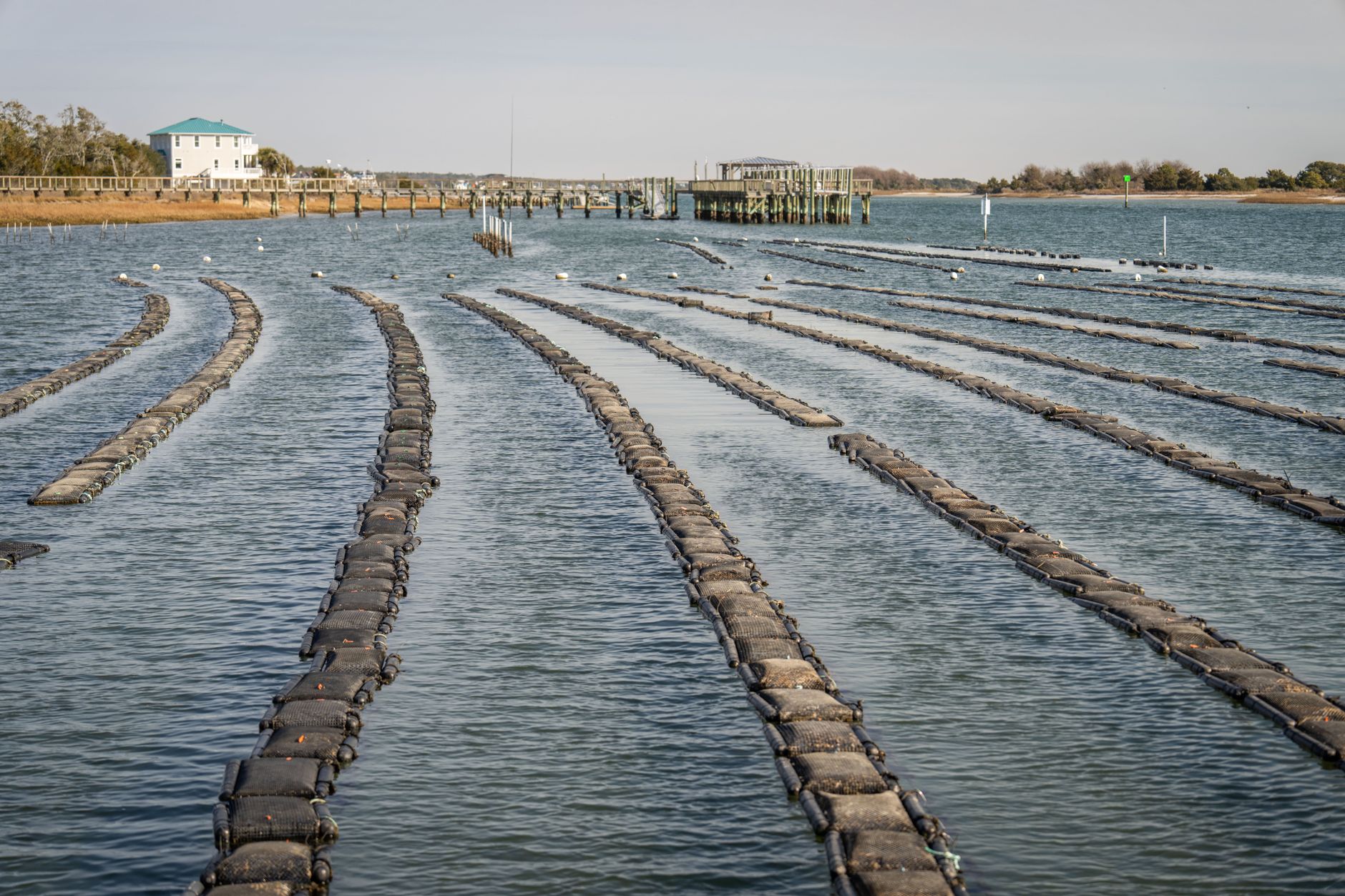
Suspended and off-bottom culture keeps oysters in bags, on racks or on longlines, above the sediment. They are cleaner, more uniform, and never sit in mud. Some growers deliberately tumble them, mechanically or by using the tide, which chips the growing edge of the shell and forces the animal to thicken and deepen the cup instead of spreading. A deep cup holds more meat and looks better on a plate, which is why the small, neat, deep-cupped oysters that dominate raw bars now cost what they do.
Tumbling is why the Willapa shrimp problem shows up in what you eat. As growers moved off the bottom to escape soft sediment, the product changed shape, and that story is in one in six American oysters comes out of this bay.
Tidal exposure, which most people never consider
The fourth variable is how much time the oyster spends in air, and it is the one that separates two beds a hundred yards apart.
An oyster high in the intertidal is exposed for hours every tide. It cannot feed while it is out of the water, so it grows more slowly, and it has to hold its shell tightly closed, which develops the adductor muscle. The result is a firmer, denser, slower-grown animal with a harder shell.
An oyster low in the intertidal or fully subtidal feeds almost continuously, grows faster and softer, and puts less work into staying shut.
Growers use this on purpose. Moving stock up or down the beach, or lifting bags out for a period, is a way of hardening oysters before harvest so they travel better and stay alive longer out of the water. An oyster that has never been exposed does not know how to keep itself shut.
Why the names are not marketing
A place name on an oyster is doing more work than a place name on most foods, and it is worth taking seriously for a specific reason.
With wine, terroir sits alongside grape variety, vintage and a great deal of human intervention in the cellar. With oysters, there is one species, no processing at all, and a filter feeder that spends its entire adult life cemented in one spot filtering one body of water. Whatever differences exist are almost entirely attributable to the place and the method.
That is a cleaner demonstration of terroir than almost anything else you can eat, which is why the comparison keeps getting made and why the borrowed word stuck.
It also means the naming can be abused, in the ordinary way that any premium naming can. An oyster named after a bay was grown in that bay, and the name tells you nothing about which end of it, at what tidal height, or by what method, which are the things that actually shape the animal.
The seasonal version of the same question
Everything above is about place, and time does a similar amount of work on the same animal.
An oyster from one bed in March and an oyster from that same bed in August are more different from one another than two oysters from different bays on the same day. Through winter and into spring the animal is feeding and storing glycogen, which is what produces the sweetness and the dense creamy texture that spring oysters are prized for. Through summer it converts that store into gametes, spawns, and is left thin, watery and spent.
That means any comparison between two places is only meaningful if both oysters were harvested at a similar point in that cycle. Comparing a spring oyster from one bay to a late-summer oyster from another tells you about the calendar rather than the water.
Growers manage around it. Triploid oysters, largely sterile, hold condition through the summer, and some operations move stock or stagger harvest to keep quality even. So the modern raw bar has flattened the seasonality that used to define the product, and the underlying biology is unchanged.
What the shell tells you before you eat it
You can read a good deal off an oyster without opening it, and it is a useful check on whatever the menu claims.
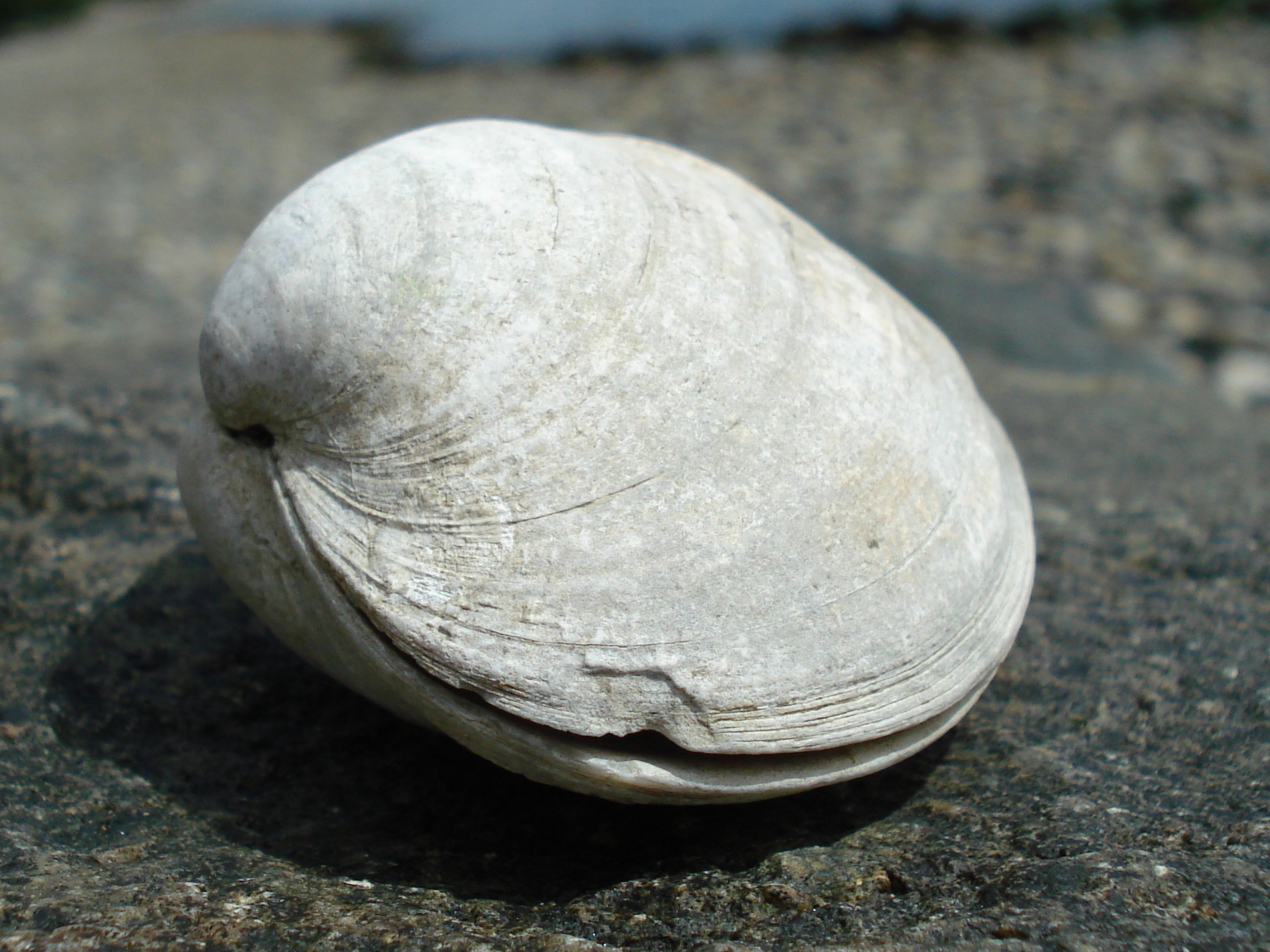
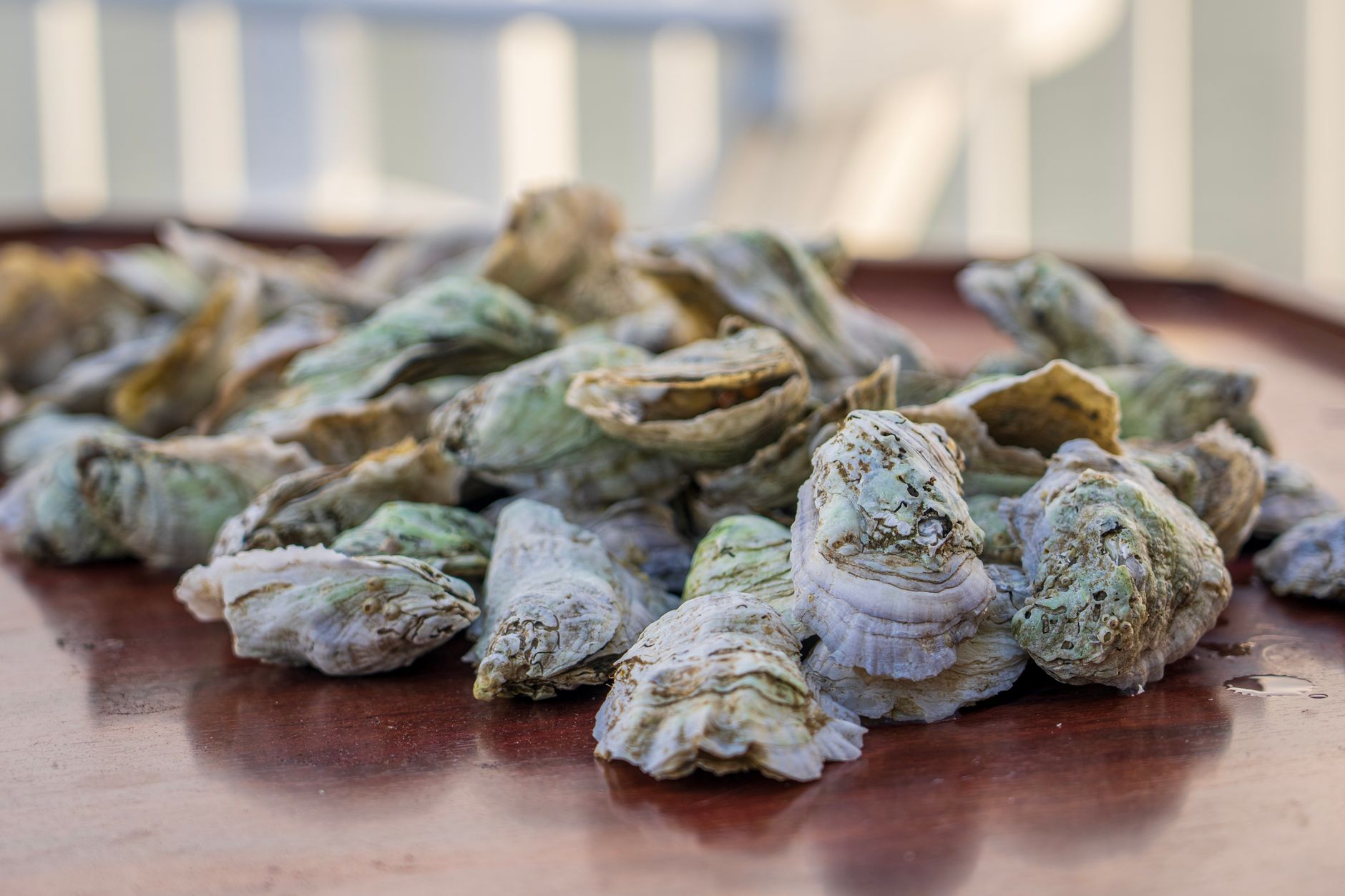
A deep, thick, heavily fluted shell means the animal grew slowly and worked at it, which usually means high tidal exposure, tumbling, or both. A thin, flat, wide shell with delicate frilled edges means fast growth in constant immersion with little disturbance.
Barnacles, mud worms and other fouling tell you it grew on the bottom or in low-maintenance culture rather than being handled regularly. Clean shells with worn, rounded edges have been tumbled.
And the weight in the hand is the most useful signal of all. Two oysters of the same shell size can differ substantially in weight, and the heavier one is either fuller of meat or fuller of liquor, both of which you want.
What's the Difference? East Coast vs. West Coast OystersThe gear
A tasting is an experiment, and the equipment exists to keep the variables down to the one you are interested in.
Three or four oysters from different water is the whole setup. Not four names from one bay, and not a dozen of anything. A Willapa, a Hood Canal, a cold Atlantic and something from a low-salinity river mouth will show you more than twenty oysters from a single region.
An oyster knife and a heavy glove, or a good fishmonger who will shuck them an hour before you eat them.
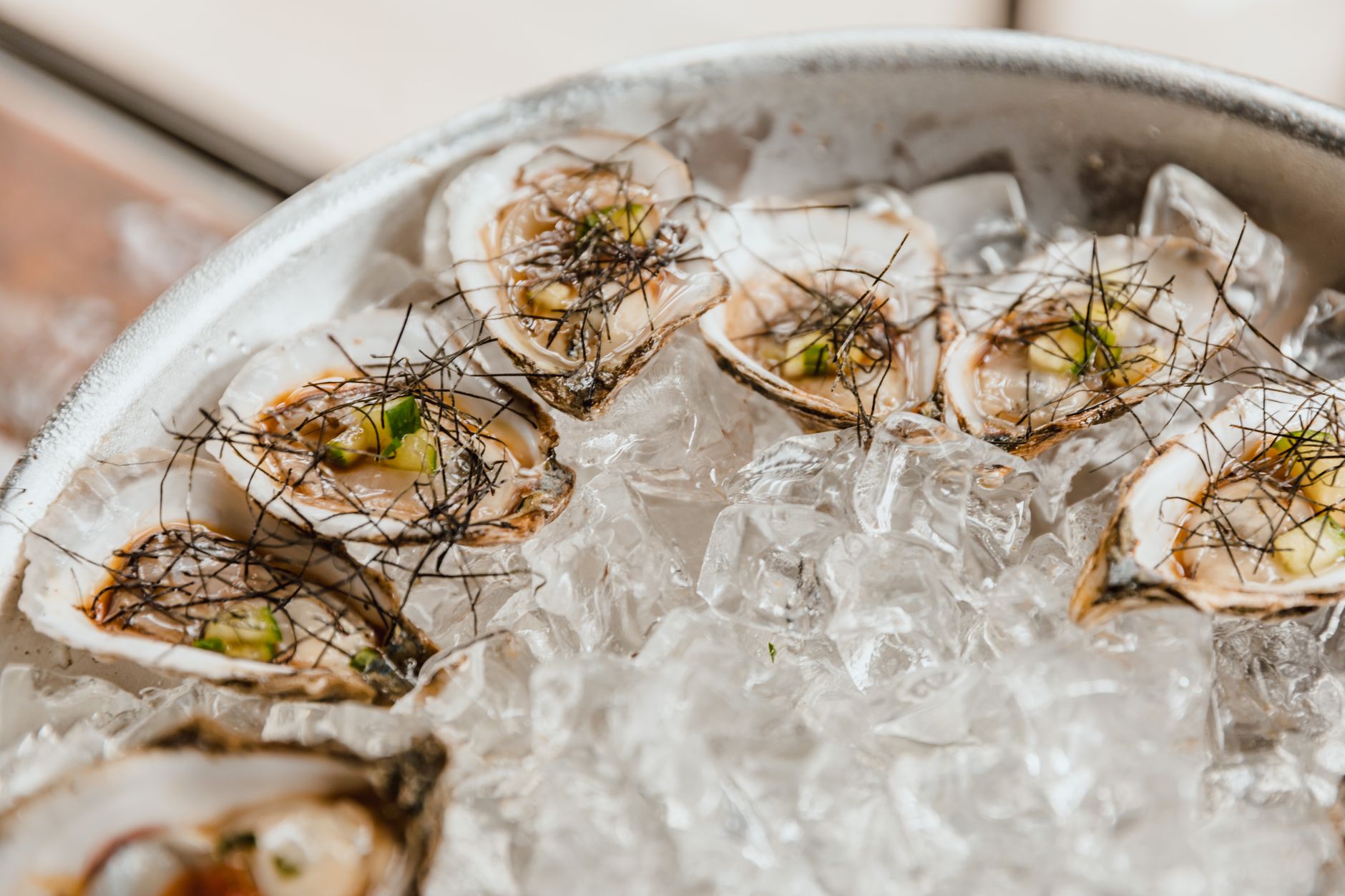
Crushed ice and a tray, so they stay cold and level and the liquor stays in the cup. An oyster tipped on the way to the table has lost the part you most want to taste.
Nothing on them for the first pass. No lemon, no mignonette, no hot sauce. All three are ways of adding a flavor you brought yourself, and every one of them flattens the differences you set the tasting up to find. Dress the second pass if you like.
Something to write on, because the third oyster erases your memory of the first and the whole exercise depends on comparison.
A source that tells you the bay and the growing method rather than just a brand name, since suspended, tumbled and beach-grown animals from the same water differ in texture in a way that has nothing to do with where they are.
And plain bread and water between them, which is the same reason wine tastings have crackers.
Tasting them side by side
If you want to understand any of this, the exercise is straightforward and worth doing once properly.
Get three or four oysters from different places on the same day, ideally including one from a high-salinity outer bay and one from a river-influenced inlet. Eat them at the same temperature, in ascending order of expected salinity, with nothing on them. No lemon, no mignonette, no hot sauce, at least for the first pass.
Pay attention in this order: the liquor first, then the texture, then the finish. The liquor carries the salinity most directly. The texture tells you about growing method and tidal exposure. The finish is where the plankton-derived flavors sit, and it is the part that arrives last and is the hardest to name.
Then have the second one with lemon if you want. The point of the first pass is that most of what makes an oyster interesting is destroyed by the things people habitually put on it.
The short version
Almost every named west coast oyster is the same species, so the differences between them come from place and method rather than from breeding.
Salinity is the biggest variable, and an oyster sits close to equilibrium with the water it filters, which is why river-influenced inlets produce mild oysters and open bays produce briny ones.
Phytoplankton composition produces the flavors in the finish, and feeding intensity produces plumpness. That is also why spring oysters are best: fat from winter feeding, not yet spawned.
Growing method shapes the shell and the texture, and tumbling forces the deep cups that dominate modern raw bars. Tidal exposure hardens the animal, because an oyster that spends hours in air develops the muscle to stay shut.
And if you want to taste any of it, eat them plain first, in order of salinity, and pay attention to the liquor before the meat.
The rules for picking your own are in picking oysters in Puget Sound, and the reason you cannot do that one state south is in Oregon will not let you pick an oyster.
The species doing all of this, and the accident of history that made it the default oyster on two coasts, is in the oyster on your plate came over on a steamship. The bay that produces something like one in six of the country's oysters, and the particular flavor its mud gives them, is in Willapa Bay oysters. And if you would rather pick them than order them, the beaches are in Hood Canal oysters, where you can taste the difference between the north end and the south end of a single fjord on the same afternoon.