Fish
Fish Fire
Fire Hike
Hike Bird
Bird


There is one clam on the Pacific coast that can still be dangerous a year after the water has cleared, and people dig it on the same beach, in the same bucket, on the same day as clams that are perfectly safe.
Butter clams retain paralytic shellfish poisoning toxin far longer than anything else you are likely to pick up. That is why Washington's closure notices distinguish between species rather than closing a beach, and it is why reading which species an opening covers matters more than reading the beach name.
If you take one thing from this article, it is that a beach open for Manila clams is not automatically open for butter clams.
What a butter clam is
Saxidomus gigantea is a large, thick-shelled, deep-living clam and it is good eating, which is the whole problem.
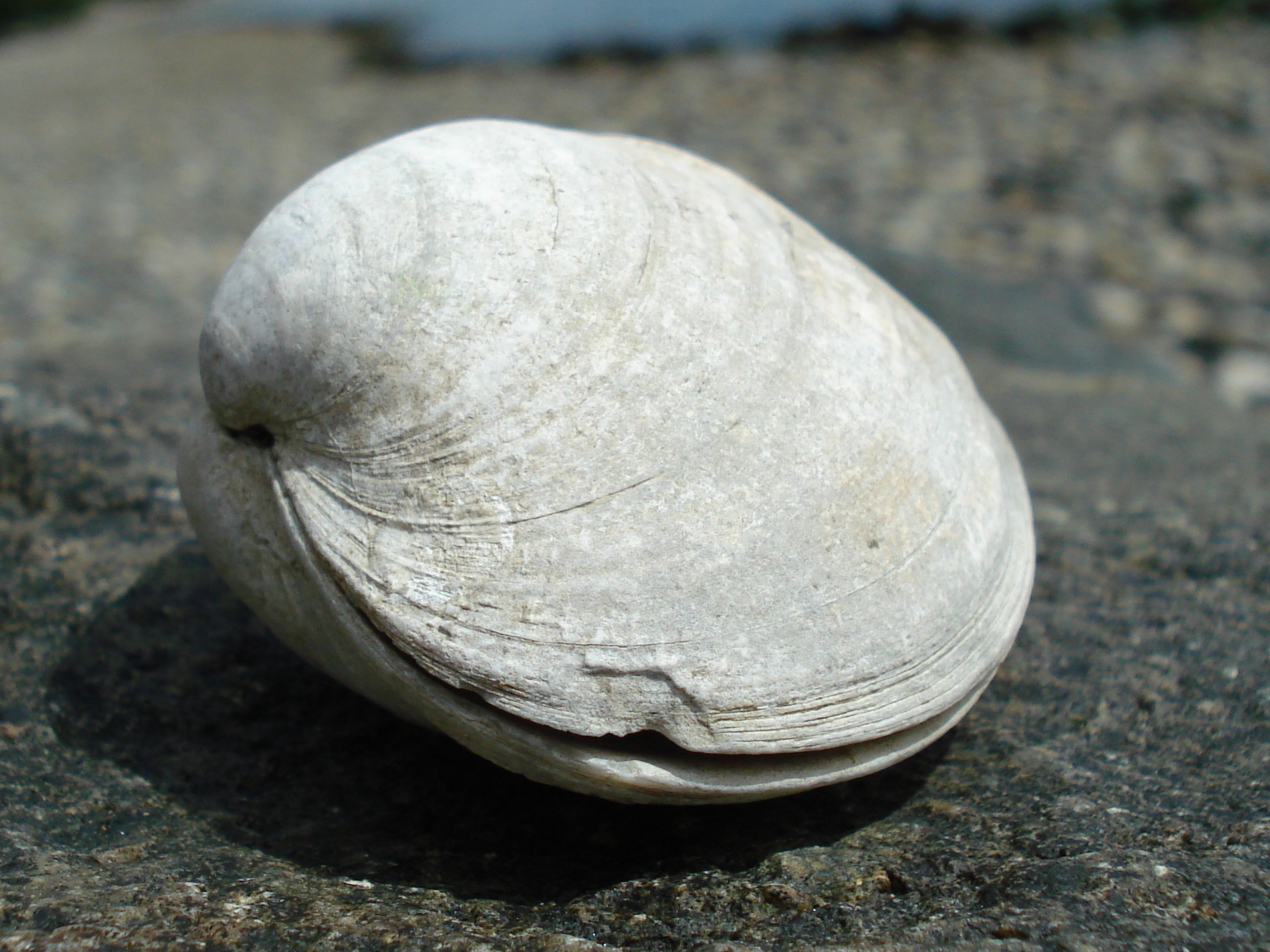
The shell is chalky white to gray, heavy, with fine concentric growth lines and no crosshatched ribbing, which distinguishes it from a Manila at a glance. They grow substantially larger than Manilas or native littlenecks, commonly to three or four inches and sometimes more, and a single butter clam is a meaningful amount of meat.
They live deeper than Manilas, commonly eight to fourteen inches down, in sand, gravel and mixed ground, and they are slower growing and much longer lived. That longevity is relevant to the toxin question, because an animal that lives many years has many opportunities to accumulate.
Washington counts them in the same forty-clam aggregate as Manilas, native littlenecks and cockles, with the same one and a half inch minimum. So nothing in the limit tells you they behave differently.
Where the toxin sits, and why it stays
Paralytic shellfish poisoning is caused by saxitoxin, produced by algae in the genus Alexandrium and concentrated by filter-feeding shellfish. Most shellfish take it up during a bloom and clear it over weeks once the bloom ends.
Butter clams do not. They sequester saxitoxin preferentially in the siphon tissue, and they hold it there at dangerous levels for a very long time, with retention measured in many months and frequently over a year after the bloom that produced it has passed.
The consequence is a genuine mismatch between what the water is doing and what the animal contains. Mussels, which take up and shed toxin fast, are the species monitoring programs sample most often precisely because they track current conditions. A butter clam is a record of the last bad bloom rather than a reading of today.
So a beach can test clean, be open for other species, look completely normal, and still hold butter clams carrying enough saxitoxin to hospitalize somebody.
Why cooking does not help
This is the part that kills people and it is worth being blunt about.
Saxitoxin is heat stable. Boiling, steaming, frying and baking all leave it intact. This is the opposite of the situation with Vibrio bacteria, where thorough cooking solves the problem, and the fact that cooking works for one is exactly why people assume it works for the other.
Nothing you can do in a kitchen removes it. Not soaking, not purging, not discarding the cooking liquid, not any of the folk methods that circulate.
The siphon question comes up, because the toxin concentrates there. Removing the siphon reduces the load and it does not make a toxic butter clam safe, because the toxin is not confined to the siphon, only concentrated in it. Discarding the siphon is a sensible habit and not a safety measure you can rely on.
The only defense is not harvesting butter clams from water that has had a bloom, which means reading the closure notice for the species rather than for the beach.
Clam Digging, ID & Taste Test: Butter Clams vs. Native Pacific Littleneck Clams vs. Manila ClamsReading a species-specific closure
Washington's Department of Health publishes closures by beach and by species, and this is where the distinction becomes practical.
A notice may open a beach for oysters and Manila clams while keeping it closed for butter clams and varnish clams. It may close everything. It may close mussels only, which is often the first sign of a developing bloom because mussels take toxin up fastest.
The instruction is to look for the species you intend to take, on the beach you intend to dig, on the day you are going. Not the beach status in general and not last week's notice. A single sample over the action level, which for PSP is eighty micrograms per hundred grams of tissue, closes a beach the same day.
That is three pieces of information that live in different places and change independently: the beach's seasonal opening from Fish and Wildlife, the biotoxin status by species from the Department of Health, and whether the tideland is public at all. Guidepole carries the closure status against the specific beach alongside the ownership boundary, and on a species where the closure can be specific to the animal in your bucket, that specificity is the whole point. The general framework is in shellfish biotoxin closures.
What PSP does
Know the presentation, because recognizing it early is the thing that changes the outcome.
Symptoms typically begin thirty to sixty minutes after eating, with tingling and numbness of the lips, tongue and face, spreading to the fingers and toes. It can progress to loss of coordination, difficulty speaking and swallowing, and in severe cases to paralysis of the muscles used for breathing.
There is no antidote. Treatment is supportive care and, in serious cases, mechanical ventilation until the toxin clears, which means the outcome depends almost entirely on getting to a hospital in time.
If anyone who ate the meal develops tingling around the mouth, treat it as an emergency, call 911 rather than driving, and say you suspect paralytic shellfish poisoning, because it is uncommon enough that saying so changes what happens next. Refrigerate any uneaten shellfish so the health department can test what was actually consumed.
Digging butter clams in the Puget soundThe gear
Almost nothing on this list protects you, which is the point worth making about butter clams specifically.
A shovel rather than a rake is the first practical item, because butter clams sit eight to fourteen inches down, deeper than a clam rake comfortably reaches, and lower on the beach than Manilas.
A gauge at one and a half inches, since they count in the same forty-clam aggregate as Manilas, native littlenecks and cockles.
A bucket of clean seawater for purging, which removes grit and does absolutely nothing about biotoxin. It is worth being clear with yourself about which problem each step solves, because conflating them is how people reason their way into eating a toxic clam.
A knife you are happy to use on siphons, since discarding the siphon is sensible routine given where saxitoxin concentrates, and equally is not a safety measure you can rely on.
A container for leftovers, which sounds odd on a gear list and is not: if anyone gets ill, refrigerated uneaten shellfish is what lets the health department test what was eaten and warn everyone else.
The two items that actually matter are not physical. The first is the Department of Health shellfish safety map, checked for butter clams specifically, on that beach, on the morning you go. The second is knowing where you have phone signal on your beach, because PSP onset is thirty to sixty minutes and the response is to call 911.
Everything else on a butter clam trip is comfort. Those two are the trip.
Digging them anyway
None of the above is an argument against butter clams, which are excellent and are legally harvested in large numbers every year. It is an argument for a specific habit.
They sit deeper than Manilas, so a shovel rather than a rake, and they are usually found lower on the beach on a bigger tide. Because they are slow-moving and thick-shelled they are forgiving to dig, though a shovel through a butter clam is still a wasted clam.
They are excellent chopped for chowder or fritters, and they are firmer and meatier than a Manila, which is what people like about them. Steamed whole they are chewier than a Manila and many people prefer them minced.
Purge in seawater, never fresh. And discard the siphon as a matter of routine, understanding that this is good practice rather than a substitute for the closure check.
Where they sit on the beach
Knowing where butter clams live is useful both for finding them and for avoiding them when a closure is species-specific.
They occupy sand, gravel and mixed ground, generally lower on the beach than Manilas and deeper in it, around eight to fourteen inches down. That depth means a shovel rather than a rake, and the lower position means a bigger tide than a Manila dig requires.
The practical consequence for a mixed dig is worth stating plainly. If you are working a beach on a good low tide with a shovel, you will encounter butter clams whether or not you were looking for them, and they will go into the same bucket as everything else unless you are deliberately sorting. On a beach where butter clams are closed and Manilas are open, that is exactly how somebody ends up with a toxic clam in an otherwise legal limit.
So on a species-split closure the instruction is not simply to avoid targeting them. It is to sort what comes out of the ground, know what a butter clam looks like, and put them back.
The tribal and historical context
Butter clams have been a staple food on this coast for thousands of years, and that history includes the toxin.
Coast Salish and other Northwest peoples harvested butter clams extensively, and the archaeological record shows them in shell middens in enormous quantities. Traditional knowledge on this coast includes awareness of shellfish poisoning and seasonal and locational avoidance practices, which is a considerably older body of understanding than the state monitoring program that now sits on top of it.
That matters for a modern harvester in one specific way: the fact that people ate these clams safely for millennia is not evidence that any particular beach is safe today. Blooms vary year to year, the toxin is invisible, and the monitoring exists because individual judgement, however experienced, cannot detect saxitoxin. The oldest knowledge on this coast and the newest instrument agree that you cannot tell by looking.
Cooking them properly
Assuming the closure check came back clean, butter clams reward a different treatment from Manilas.
They are firmer, meatier and chewier, which makes them poor candidates for the steam-and-eat-whole approach that suits a Manila. Most people who dig them regularly chop them, and that is the right instinct: minced butter clam makes better chowder than any other local clam, and it fries into excellent fritters.
Purge them first in clean cold seawater for a few hours, never fresh water. Then steam briefly just to open, reserve the liquor, and pull the meat rather than cooking them through in the shell.
Trim the siphon as routine. It is the toughest part of the animal, it is where saxitoxin concentrates when there is any, and removing it improves the texture regardless. That is a rare case where the food and the safety habits point the same direction.
Strain the liquor through cloth before using it, because butter clams sit in coarser ground than Manilas and carry more grit through the purge.
And do not freeze them whole. Cooked, picked meat freezes acceptably for chowder; a whole frozen butter clam thaws into something nobody enjoys.
The pattern this illustrates
Butter clams are the clearest example of a general rule worth carrying to every shellfish species.
Different animals handle toxin completely differently. Mussels take up fastest and clear fastest, which makes them the early warning species. Oysters and Manilas clear within weeks of a bloom ending. Razor clams hold domoic acid for months, which is why coastal razor beaches stay shut long after the water is clean. Butter clams hold saxitoxin for a year or more. Crab concentrate domoic acid in the viscera rather than the meat, which is why the advice during an event is to clean the crab rather than to stop eating crab.
There is no single answer to whether shellfish from a given beach are safe. There is an answer per species, and the monitoring is done that way for exactly this reason.
The short version
Butter clams sequester saxitoxin in their siphon tissue and can hold it at dangerous levels for a year or more after the bloom has passed.
That means a beach can be open for oysters and Manila clams and closed for butter clams on the same day, and the closure notices are written by species for exactly this reason.
Cooking does nothing. Saxitoxin is heat stable and no kitchen process removes it. Discarding the siphon reduces the load and does not make a toxic clam safe.
Check the Department of Health closure for butter clams specifically, on that beach, on the day you go. The PSP action level is eighty micrograms per hundred grams and one sample over it closes a beach immediately.
Symptoms start thirty to sixty minutes after eating with tingling in the lips and tongue. There is no antidote. Call 911 and say what you suspect.
The clam most people dig instead is in digging Manila clams, and whether the beach is yours to dig at all is in public tidelands and private beaches.
The clam most people dig instead is in digging Manila clams, the deepest and hardest dig on the same beaches is in digging a geoduck, and the license and limit picture across states is in shellfish licenses by state.