Fish
Fish Fire
Fire Hike
Hike Bird
Bird

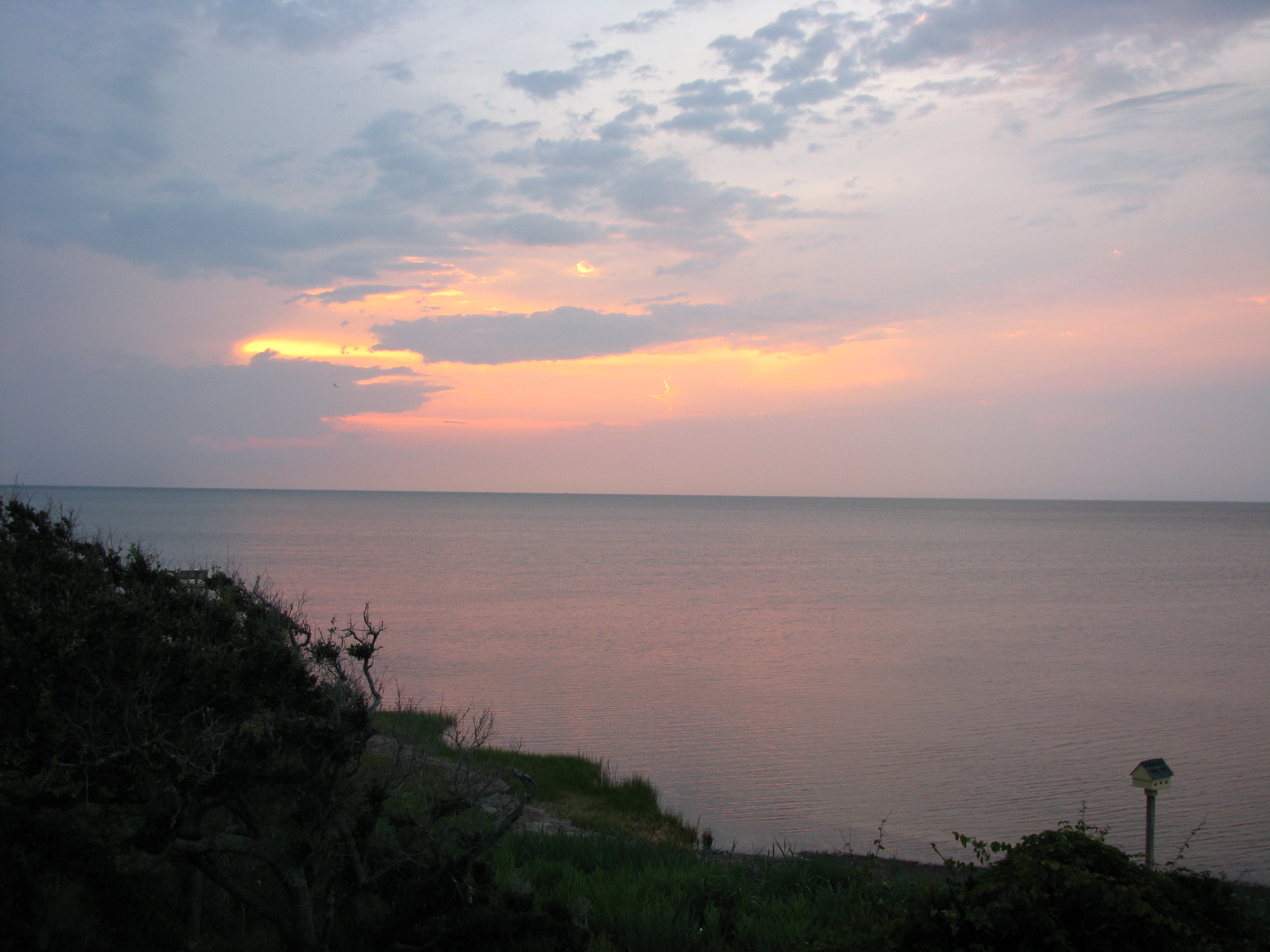

Behind North Carolina's Outer Banks lies the largest lagoon estuary on the East Coast, a vast, shallow inland sea of brackish and salt water where the Pamlico and Albemarle Sounds sprawl across more than 3,000 square miles. Sheltered from the open Atlantic by the thin barrier islands, this is one of the richest and most varied fisheries on the entire seaboard, and its two great sounds could hardly be more different. Salty Pamlico Sound to the south is trophy red drum, speckled trout, and flounder country, with a summer run of tarpon and cobia; fresher Albemarle Sound to the north is famous striped bass and largemouth water fed by the legendary Roanoke River. This whole-estuary guide covers both sounds, their rivers, and the fish that fill them, where they hold, when they run, and how to catch them.
The Largest Lagoon Estuary on the East Coast
The Pamlico-Albemarle system is a nursery and a highway for an astonishing range of fish. The barrier islands break the ocean swell, so most of the estuary is shallow, protected, wind-driven water, grass flats, oyster bars, river mouths, marsh edges, and open shoal water. Because salinity drops steadily as you move north and up the rivers, the system grades from near-oceanic salt at the Pamlico's inlets to nearly fresh at the head of the Albemarle, and the fishery grades right along with it. That gradient is the key to the whole place: know how salty the water is where you're standing, and you know which fish to expect. It also means the estuary supports both a saltwater and a freshwater fishery within a single connected system, a genuine rarity, so the tackle, the techniques, and the target species can change completely depending on which end you launch from.
Pamlico Sound: Trophy Red Drum Country
Pamlico Sound is, above all, red drum water, and not just any redfish. This is one of the best places on the planet to catch a giant, trophy "old drum," and in summer the sound hosts a world-famous catch-and-release fishery for enormous bull reds well over 40 inches, caught on cut bait over the shoals and released to spawn. Alongside the giants, the flats, marshes, and creeks are full of slot-sized "puppy drum" that anglers sight-cast and work with soft plastics and topwater year-round. Whether you're after a once-in-a-lifetime bull on heavy tackle or a cooler of slot reds on light tackle, red drum are the beating heart of Pamlico Sound.
Inshore Fishing, Speckled Trout, Redfish, and FlounderSpeckled Trout and the Inshore Slam
Right alongside the drum swim speckled trout (spotted seatrout), the other pillar of the Pamlico inshore fishery. Specks stack up over the grass flats, around oyster bars, and in the deeper creek holes, and anglers catch them year-round on soft plastics under a popping cork, topwater at dawn, and live shrimp or mullet. The inner banks of both sounds and their tributary rivers hold trout, flounder, and puppy drum through all four seasons. Landing a red drum, a speckled trout, and a flounder in the same day, the classic inshore slam, is very much on the table here, and it's one of the great appeals of fishing this enormous, fish-rich estuary.
Flounder, Bluefish, and the Inshore Mix
Flounder are the third leg of the inshore slam, ambush predators that lie on sandy bottom near inlets, channel edges, and structure, taken on bucktails and live bait bounced along the bottom (with seasons that are tightly regulated, so check the current rules). The sound also fills with hard-fighting bluefish that blitz bait on the surface, gray trout (weakfish), and sheepshead around the pilings and hard structure. Add black drum, croaker, spot, and the occasional flounder-hunting session near Oregon and Hatteras Inlets, and Pamlico Sound offers a full inshore card, a place where you rarely run out of something to catch, even when your target species isn't cooperating.
The Summer Tarpon and Cobia Run
Pamlico Sound holds a secret that surprises many anglers: from late June through August, it hosts a genuine migration of tarpon, the silver king, into its warm, brackish water, one of the northernmost tarpon fisheries on the Atlantic coast. Anglers soak cut bait on the bottom over the deeper flats for these enormous, leaping fish. The same warm months bring cobia into and around the sound and its inlets, sight-cast as they cruise the surface and caught near Oregon Inlet and the ocean side. These big, powerful summer visitors add a heavyweight, saltwater dimension to a sound better known for its drum and trout, and they draw dedicated anglers from far away.
Albemarle Sound: The Striped Bass Story
Cross to the northern end of the estuary and everything changes. Fed by the Roanoke and Chowan Rivers, Albemarle Sound is far fresher than Pamlico, and it is famous for striped bass, known locally as rockfish. The sound holds a self-sustaining striped bass population, and anglers catch them casting and trolling over the open water and around structure through the cooler months. This is one of the South's premier striper fisheries, a completely different experience from the salty drum-and-trout fishing a few dozen miles south, and it's the reason the Albemarle has its own devoted following. When people say the two sounds are different worlds, the striped bass are the clearest proof.
How to Catch Striped Bass (Rockfish), On-Water DemoThe Roanoke River Rockfish Run
Each spring, Albemarle Sound's striped bass stage the estuary's signature freshwater event: the Roanoke River run. As the water warms, the rockfish push up the Roanoke to spawn, concentrating in huge numbers around Weldon and the upper river in April and May, and the fishing can be spectacular, fish after fish on light tackle in the current. It's a beloved springtime tradition and one of the best-known striper runs in the Southeast, drawing anglers to the riverbanks and boat ramps for weeks. Regulations on the run are strict and change year to year to protect the spawn, so always check the current rules, but when it's on, the Roanoke run is a bucket-list striped bass experience.
Largemouth Bass and the Freshwater Side
The fresh upper reaches of the estuary, Albemarle Sound, the Chowan and Roanoke Rivers, and the countless creeks, swamps, and blackwater tributaries, are excellent largemouth bass water. Anglers flip the cypress, lily pads, grass, and wood cover with soft plastics, spinnerbaits, and topwater for chunky Southern largemouth, and the sheer amount of fishy shoreline is staggering. This is classic Southern bass country hiding inside a coastal estuary, and it means an angler can chase saltwater drum in the morning at the Pamlico end and freshwater bass in the afternoon at the Albemarle end, a range of fishing few places on earth can match in a single connected system.
Panfish, Catfish, and the Rivers
The estuary's fresher water holds a deep supporting cast for anglers who like to keep it simple. White perch swarm the Albemarle and its rivers and are a local favorite, fun to catch and excellent eating. Black crappie hold around brush and structure in the creeks, and hard-pulling blue catfish, now abundant in the Roanoke, Chowan, and other tributaries, grow large on cut bait fished on the bottom. Bream, bullheads, and other panfish round out a family-friendly freshwater menu. Between the two sounds, the rivers, and the creeks, there's a fishery here for every taste, every skill level, and every kind of tackle.
Reading the Sounds: Shallow Water and Wind
The single most important thing to understand about the Pamlico-Albemarle system is that it is broad and shallow, which makes it a wind-driven fishery. Because the water is so shallow and open, wind, not tide, moves the water, pushes bait, stacks fish on one shore or another, and can turn the sound dangerously rough in a hurry. Local knowledge of where fish hold on a given wind, and how to run the shallow, shoal-strewn water safely, is worth more here than almost anywhere. Learn to read the flats, the bars, the grass, and the color changes, watch the birds and the bait, and above all respect the weather on this big, exposed, and deceptively serious body of water. A calm morning can become a whitecapped, mud-stained afternoon in the time it takes a front to cross the sound, so the smart play is to fish the lee shore, keep an eye on the sky, and always leave yourself an easy run home before the wind builds.
The Ports and Access
Access ringing the estuary keys on which sound and species you want. On the Outer Banks side of Pamlico Sound, Hatteras, Buxton, and the villages down the banks put anglers on the trophy drum, trout, and the inlets. On the mainland, Manteo and Roanoke Island, and the towns along the Pamlico (Tar) and Neuse Rivers, like Washington, Bath, and New Bern, open onto the sound's inner waters, its rivers, and the marsh fishing. Up north, Edenton, Columbia, and the towns around Albemarle Sound, plus the Roanoke River access at Weldon, anchor the striper and bass fishing. Given the estuary's sheer scale, planning your launch around your target and the wind is essential, and every community keys on its home water's particular strengths.
When to Go
- Spring (March–May): The Roanoke River striped bass run peaks; speckled trout and puppy drum turn on; largemouth bass move shallow in the fresher water.
- Summer (June–August): Trophy bull red drum on the Pamlico shoals, plus the tarpon migration and cobia, the estuary's heavyweight season.
- Fall (September–November): Prime red drum and speckled trout on the flats, bluefish blitzes, and cooling water that fires up the fishing across both sounds.
- Winter: Striped bass and specks in the deeper holes, plus catfish and crappie in the rivers, for anglers who dress for it.
Licenses (North Carolina)
The whole estuary lies within North Carolina, but you need the right license for the water you're fishing: a Coastal Recreational Fishing License (CRFL) for the salt and brackish sound and coastal waters, and a freshwater fishing license for the inland fresh waters (the two zones meet at defined boundary lines up the rivers). Species like red drum, speckled trout, flounder, striped bass, tarpon, and cobia all carry seasons, size limits, and bag limits that vary by area and change frequently, the trophy red drum and Roanoke striper fisheries in particular have strict, protective rules, so always check the current North Carolina regulations and the freshwater/coastal boundary for your exact spot before you keep a fish.
A Beginner's First Trip
The easiest introduction is light-tackle inshore fishing for speckled trout, puppy drum, and flounder on the sheltered flats near Hatteras, Manteo, or one of the river towns, protected water that reliably bends a rod and teaches you how the estuary fishes. Many first-timers get their bearings by riding along on an inshore charter out of one of these ports, but the sound-side flats, piers, and creek mouths are just as reachable on your own once you learn where the fish hold. Bass-minded anglers can work the Chowan or the upper Albemarle for largemouth and never touch salt water. And for a bucket-list day, chase the summer trophy drum on the Pamlico shoals or time the spring Roanoke striper run. Any of these gets you onto the largest lagoon estuary on the East Coast, just watch the wind, wear a life jacket, and take your time learning to read this vast, shallow water.
Tackle and Gear
For the inshore Pamlico game, a medium spinning rod with soft plastics, popping corks, topwater, and bucktails covers red drum, speckled trout, and flounder. Trophy drum, tarpon, and cobia demand heavy conventional tackle and cut or live bait. On the Albemarle side, a striped bass setup for casting and trolling handles the rockfish and the Roanoke run, a bass baitcaster works the freshwater cover for largemouth, and a light spinning rod covers the white perch, crappie, and panfish. A quality trolling motor and shallow-water boat help on the flats, and a graph earns its keep finding fish in all this open water. As always on big, exposed water, a life jacket and a close eye on the wind aren't optional.
From the trophy red drum and summer tarpon of salty Pamlico Sound to the famous striped bass and largemouth of the fresher Albemarle, North Carolina's great estuary offers a range of fishing almost unmatched anywhere in the country, all of it sheltered behind the Outer Banks in one connected, 3,000-square-mile system. Few fisheries anywhere let you chase a saltwater trophy at dawn and a freshwater largemouth by afternoon without ever leaving one connected body of water, and fewer still do it behind scenery as wild as the Outer Banks. Sight-cast a puppy drum on a grass flat, hang a giant bull on the Pamlico shoals, or ride the spring rockfish run up the Roanoke, check the North Carolina rules and the freshwater/coastal line for your water, respect the wind, and fish one of the richest inshore treasures on the entire East Coast. Its waters flow out to the Atlantic that we cover across our coastal how-to guides, and the estuary connects to the how to fish the Outer Banks surf and sound beyond.