Fish
Fish Fire
Fire Hike
Hike Bird
Bird

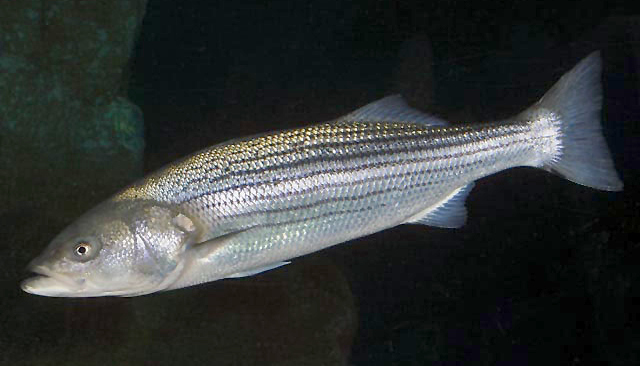

The striped bass is America's saltwater gamefish, the migratory, hard-fighting, endlessly pursued icon of the Atlantic coast, from the surf of the Outer Banks to the rips of Cape Cod and Montauk. The "striper" (or "rockfish" in the Mid-Atlantic) is the fish that surfcasters chase through the night, that boat anglers troll and jig for, and that generations of coastal families have grown up catching. Stripers range from scrappy "schoolies" to fifty-pound "cows," they migrate up and down the coast with the seasons and the bait, and they eat everything from sand eels to bunker to live eels. There's also a thriving landlocked striper fishery in reservoirs across the country. This guide covers how stripers behave and where to find them, and every core technique, with step-by-step instruction, to catch them.
Ready to chase stripers? Below you'll find where they hold through the seasons and how to fish every core technique, whether you're working the beach or the boat. Stripers share the coast and the blitz with a toothy companion, see our guide on how to catch bluefish.
America's Striped Bass
The striped bass (Morone saxatilis) is unmistakable: a sleek, silvery, muscular body marked with seven or eight bold horizontal black stripes running from the gills to the tail. It's an anadromous fish, spawning in coastal rivers (the Chesapeake and Hudson are the great nurseries) and migrating along the Atlantic coast, and it has been widely stocked inland, where landlocked stripers thrive in big reservoirs. Stripers grow large: "schoolies" run under about 28 inches, quality "keeper" fish run into the 30s of inches, and the trophy "cows", almost always big females, exceed 40 inches and 40 to 50-plus pounds.
Stripers are prized as a premier sport fish and fine table fare, but their populations have seen serious ups and downs, so they're now managed with strict, changing slot limits and regulations (and a strong catch-and-release ethic) that you must follow closely. Found from the Carolinas to Maine (and stocked coast to coast), the striped bass is the beating heart of Northeast saltwater fishing and one of the most beloved gamefish in America.
Understanding Stripers
Two things drive striper fishing: migration and bait. Stripers follow the coast and the bait on a seasonal migration, north in spring, south in fall, and their location and behavior key entirely on the baitfish they're chasing (bunker/menhaden, herring, sand eels, mackerel, silversides) and the structure and current that concentrate that bait. Stripers are ambush predators that stack up in rips, around rocks and jetties, along drop-offs and structure, and in inlets and river mouths, using current to trap bait.
Crucially, stripers feed best in low light and moving water, dawn, dusk, night, and the strong stages of the tide are prime, and many of the biggest bass are caught after dark. They also blitz bait on the surface like bluefish. Match the bait, fish the structure and current, and concentrate on low light and moving tides, and you'll be fishing when and where stripers feed.
Where and When to Find Stripers
Stripers relate to structure, current, and bait. Target:
- The surf and beaches, bass cruise the trough, the bars, and the cuts, and blitz bait against the sand; the classic surfcasting fishery.
- Rocks, jetties, and rips, current-swept structure where bass ambush bait (Montauk, the Cape, the Race).
- Inlets, river mouths, and estuaries, bait highways and staging areas, great on the tides.
- Bays, flats, and back waters, schoolies and bigger fish chase bait in the shallows, prime for light tackle and fly.
- Structure and drop-offs offshore, for boat anglers trolling and jigging.
- Reservoirs, for landlocked stripers, main-lake points, humps, and following shad.
Timing follows the spring and fall migrations, the marquee runs when bass move through in numbers. In the Northeast, late spring through fall is prime; farther south and inland, seasons vary. Fish dawn, dusk, night, and moving water for the best bite. Learn the migration timing and the structure, fish low light and the tides, and you'll find stripers.
The Techniques That Catch Striped Bass
Stripers are caught on live bait, plugs, trolling, jigs, and fly. Here are the core methods, how to fish each, and when to use it.
Live Bait, eels and bunker for big bass
Live bait is the surest way to catch big stripers, a live eel at night or a live bunker (menhaden) is a trophy-bass magnet.
How to fish it: For a classic big-bass approach, fish a live eel on a simple leader (no weight or a small egg sinker), cast it around rocks, rips, and inlets at night, and let it swim; when a bass takes it, drop back briefly, then come tight. For live bunker (or herring, mackerel, or mullet), liveline a bait hooked through the nose or back on a circle hook near bunker schools and structure, letting it swim naturally. Live bait produces the biggest fish, and a live eel after dark is one of the most reliable trophy-striper tactics there is.
How to Rig Live Eels for Striped BassPlugs and Topwater, the surfcaster's art
Plugs, swimmers, darters, needlefish, and pencil poppers, are the heart of striper lure fishing, especially from the surf and around structure.
How to fish it: Cast a plug matched to the conditions and bait: a swimming plug (an SP Minnow or a Danny) for a natural swim, a darter or needlefish for rips and current, or a pencil popper or spook for exciting topwater blitzes. Work it along beaches, rips, rocks, and inlets, especially at low light and night, and vary the retrieve. A big bass crushing a pencil popper at dawn is a surfcasting highlight. Learning which plug to throw in which conditions is a lifelong pursuit, and a deeply rewarding one.
Topwater Stripers with PoppersTrolling, cover water from the boat
Trolling lets boat anglers cover water and present baits deep to find and catch stripers, from schoolies to giants.
How to fish it: Troll umbrella rigs (multi-lure "bait ball" rigs), tube-and-worm (a colored surgical tube tipped with a sandworm), mojo/parachute rigs (heavy lead-headed jigs), or swimming plugs, using the boat to cover structure, rips, and contour lines at the right depth (add trolling weights, wire, or lead-core to get down). Vary speed and depth until you find fish, and repeat what produces. Trolling is a highly effective, cover-water approach that puts a lot of bass in the boat and is a mainstay of the Northeast and Chesapeake fisheries.
How to Troll for Stripers with Umbrella RigsJigging, bucktails and diamond jigs
Jigging with bucktails and metal reaches stripers holding deep in rips, around structure, and in the current, a versatile, effective boat and shore technique.
How to fish it: Drop or cast a bucktail jig (tipped with a soft-plastic trailer) or a diamond/metal jig to bass marked deep or holding in current, and work it with lifts and drops or a steady retrieve near the bottom or at the fish's level. In a rip, drift and jig through the current seam; over structure, vertical jig on the fish. Bucktails are one of the most versatile striper lures going, catching fish shallow and deep. Jigging shines when bass are down in the water column and not showing on top.
Diamond Jigging for Big Striped BassChunking, cut bunker on the bottom
Chunking, fishing chunks of fresh cut bunker on the bottom, often in a chum slick, is a deadly, accessible way to catch stripers, including big ones.
How to fish it: Fish a chunk of fresh, oily cut bunker (menhaden) on a fish-finder rig with a circle hook, cast into the surf, a rip, or an inlet and left to soak, often with a chum slick of ground bunker to draw fish in. The blood and scent pull cruising bass to your bait. Chunking is a top method from the beach and boat, especially when bunker are around, and the circle hook lets a bass take the bait and hook itself in the corner of the mouth for a healthy release. It's simple, effective, and great for numbers and trophies alike.
Chunking Bunker for Striped BassSurf Fishing, reading the beach
Surf fishing for stripers is a passion unto itself, and learning to read the surf, finding the structure that holds bass, is the master skill.
How to fish it: Study the beach for troughs, cuts, bars, rips, and points, the darker, deeper water and the breaks in the bars where bait and bass concentrate, and fish your plugs, bait, or bucktails in that structure, concentrating on the moving tides and low light (especially night). Cover water, hit the productive-looking spots, and follow the bait and the blitzes. From reading the water to timing the tide to picking the right plug, surfcasting for stripers is a deep, rewarding craft, and hooking a big bass from the beach in the dark is an experience like no other.
How to Read the Surf for Striped BassFly Fishing, stripers on the fly
Stripers are a superb fly-rod target, eager to eat a stripped baitfish fly in the shallows, the surf, and the blitz.
How to fish it: With a 9- or 10-weight fly rod and an intermediate or sinking line, cast a baitfish fly (a Clouser, a Deceiver, or a big streamer) to bass in the bays, flats, rips, and blitzes, and strip it to imitate a fleeing baitfish. Sight-cast to fish in shallow estuaries and flats, or blind-cast the rips and structure. A striper on the fly, especially a big one taken sight-fishing a flat or in a rip, is a coveted light-tackle achievement, and the shallow-water striper fly game has an ardent following.
Striped Bass Fly FishingLandlocked Stripers: The Inland Fishery
You don't have to live on the coast to chase striped bass. Beginning decades ago, striped bass were stocked into large reservoirs and lakes across the country, from Lake Texoma and Lake Lanier to the Colorado River system and countless others, where they grew into a thriving landlocked striper fishery far from any ocean. These inland stripers behave much like their coastal cousins: they roam open water in schools, relentlessly chase shad (their primary forage), and grow big, with 20- to 30-pound-plus fish common in the best lakes and the landlocked record over 60 pounds.
Catching reservoir stripers revolves around finding the bait and the schools. Key on main-lake points, humps, channel edges, and open-water basins, and use your electronics to locate shad schools and the stripers under them. Top techniques mirror the salt: live shad or gizzard shad fished free-lined, on planer boards, or "down-lined" to the fish's depth; trolling with umbrella rigs, swimbaits, and deep-diving plugs; casting topwater and swimbaits to surfacing "schooling" fish that blitz shad on top (an electric experience); and jigging spoons through deep winter schools. Early morning topwater on schooling stripers, and the winter deep bite, are the marquee events. If you're inland, a nearby striper reservoir offers the same hard-pulling, bait-chasing fun as the coast, no ocean required.
Gear for Striped Bass
Striper gear spans surf and boat setups built for a big, powerful fish:
- Surf combo: A 9- to 11-foot surf rod with a 5000–8000-size reel for distance and power; a 7- to 7-foot-6 medium-heavy inshore rod from boats and jetties.
- Fly setup: A 9- or 10-weight fly rod with an intermediate/sinking line and a saltwater reel.
- Line and leader: 20- to 50-lb braid with a 30- to 50-lb fluorocarbon or mono leader (heavier around rocks and for big fish).
- Terminal tackle and lures: Swimming plugs, darters, needlefish, pencil poppers, bucktail and diamond jigs, soft-plastic paddle-tails, trolling rigs (umbrella, tube-and-worm, mojo), plus circle hooks and fish-finder rigs for bait.
- Bait: Live eels, live and chunk bunker (menhaden), herring, mackerel, and sandworms.
Conservation: Follow the Slot and Release Well
Striped bass populations have declined and rebuilt more than once, and the fishery is now managed with strict, frequently changing slot limits, seasons, and gear rules (including mandatory circle hooks when fishing bait) designed to protect the stock, especially the big breeding females. Know and follow the current regulations exactly, keep only legal fish, and practice careful catch-and-release: use circle hooks with bait, keep fish in the water, wet your hands, minimize air time, revive fish fully, and release the big cows (the vital breeders). The future of striped bass fishing depends on every angler doing their part, so fish for stripers responsibly and help keep this iconic fishery healthy.
The Depth of the Striper Game
Striped bass fishing has enormous depth, surfcasting, trolling, live-lining, jigging, reading the tides and the migration, and the anglers who consistently put big bass on the sand and in the boat are the ones who have learned their local structure, timing, and techniques over years on the water. Whether you want to surfcast the beach at night or troll the rips, it pays to put in your time on a handful of spots: learn how the tide pushes bait through a particular inlet, which bar the bass pin bait against on a given beach, and when the run typically arrives in your area. Scout your access points, watch the water on the moving tide, and build a mental map of the structure near you, that hard-won local knowledge is what turns a few short seasons into a lifetime of stripers.