Fish
Fish Fire
Fire Hike
Hike Bird
Bird

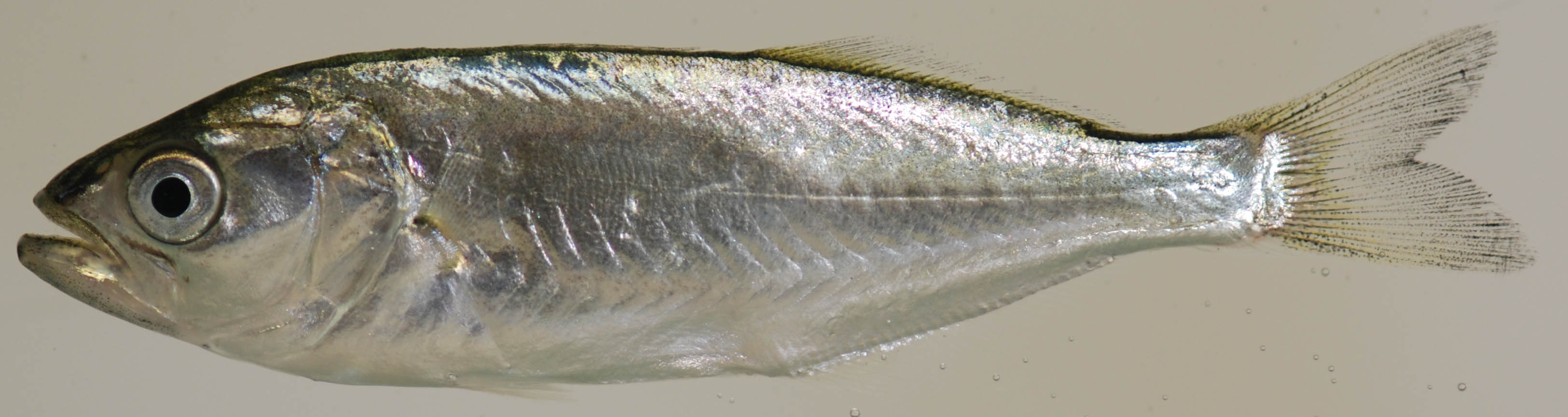

The bluefish is fishing's buzz saw with fins, a ferocious, razor-toothed marauder that hunts in ravenous packs, shreds bait in blitzes that turn the water to foam, and fights with a wild, head-shaking fury that belies its size. Bluefish (the big ones are called "choppers" or "gorillas" for good reason) are the most aggressive, reckless-feeding fish in the inshore Atlantic, and when a blitz is on, they'll hit literally anything you throw, provided you've rigged for their teeth, which slice through ordinary line and careless fingers alike. Blues are pure action: fast, furious, hard-pulling, and available to surf casters and boaters up and down the coast. This guide covers how bluefish feed and where to find them, the leader that keeps you connected, and every core technique, with step-by-step instruction, to catch them.
Ready for chaos? Bluefish share the Northeast surf and the blitz with another icon, see our guide on how to catch striped bass.
The Chopper
The bluefish (Pomatomus saltatrix) is built to hunt: a streamlined, silvery blue-green body, a broad forked tail, and a large mouth crowded with sharp, triangular teeth and a jutting lower jaw. Those teeth are the fish's signature, and a genuine hazard, capable of slicing through mono, snapping light hooks, and inflicting a nasty bite, so respect them at all times. Bluefish are the only member of their family, a unique, cosmopolitan predator found in temperate seas around the world (called "tailor" in Australia and "shad" or "elf" elsewhere).
Blues come in a range of sizes with their own nicknames: tiny "snappers" (a few inches, in the bays), "cocktail" blues of a pound or two, and the big "choppers" or "gorillas" that run 8 to 20-plus pounds. They're most famous along the Atlantic coast, especially the Northeast, where they migrate through in huge numbers. Bluefish are decent eating when handled right (see below), but above all they're prized as a hard-fighting, endlessly aggressive sport fish that provides some of the most explosive action in the surf.
The Feeding Frenzy
Everything about catching bluefish flows from their insatiable, aggressive, pack-feeding nature. Blues hunt in schools, and when they find a bait ball they attack it in a blitz, a chaotic feeding frenzy where they slash and chop through the bait, often killing far more than they eat, leaving a slick of scraps and blood, and driving bait to the surface and onto the beach. Birds pile in overhead, the water boils, and every predator in the area goes wild. A blitzing bluefish will hit anything that moves, which makes them one of the easiest fish to catch when the frenzy is on.
Two practical takeaways dominate. First, find the blitz, look for diving birds, showering bait, and boiling water, and get a lure into the chaos. Second, and this is non-negotiable, use a bite-resistant leader. Those teeth will cut straight through your line, so a short wire trace or a heavy mono/fluoro leader is essential (more below). Fish the frenzy, protect your line from the teeth, and hang on.
Where and When to Find Bluefish
Blues roam wherever bait is thick. Target:
- Beaches and the surf, blues blitz bait against the sand, a classic surf-casting fishery, especially in the migrations.
- Inlets, jetties, and rips, current that funnels bait and concentrates feeding blues.
- Bays, harbors, and estuaries, where snappers and cocktail blues (and big ones) chase bait.
- Nearshore, over structure and bait schools, bigger choppers roam the open water.
- Any blitz, diving birds and boiling water mean feeding fish.
Timing follows the migration. Along the Atlantic, bluefish move north in spring and south in fall, and the spring and fall runs are the marquee times, when huge schools blitz the beaches and inlets. In the Northeast, summer through fall is prime; farther south, blues are around much of the year. The bite keys on bait and moving water more than the clock, though low light and the tides help. Find the migrating schools and the bait, and the action is nonstop.
The Techniques That Catch Bluefish
Blues will crush almost any lure or bait fished fast, as long as your leader survives their teeth. Here are the core methods, how to fish each, and when to use it.
Metal Lures and Spoons, the surf-casting standard
Metal lures, spoons, diamond jigs, and casting metals, are the go-to for bluefish, casting a mile to reach blitzes and matching the baitfish blues are chopping.
How to fish it: Cast a metal spoon or jig (a Hopkins, Kastmaster, or Ava/diamond jig) into or across a blitz, or blind-cast it along beaches, inlets, and rips, and retrieve it fast (or let it flutter and rip it), the flash and speed of a metal draws savage strikes. Metals cast far (crucial for reaching fish in the surf), sink to reach blues feeding below the surface, and stand up to the teeth better than soft lures. A bucktail or a metal is the classic blitz weapon. Just be sure to rig with a bite leader.
Must-Have Spoon for Surf Fishing BluefishTopwater and Poppers, the explosive surface bite
Blues demolish topwater lures, and a chopper blowing up on a popper is one of the most violent, thrilling strikes in fishing.
How to fish it: Work a loud popper or a pencil popper (a Gibbs or Atom) across the surface with a hard, chugging or sweeping retrieve, over blitzing fish or along the beach and inlets, the commotion and spray fire up feeding blues, which crash it repeatedly. Keep it moving even after a miss. Because blues often bite short or chop the tail off a lure, single hooks or a trailing hook help. The visual, explosive surface strike of a bluefish on a popper is a saltwater highlight, and it's deadly when fish are up and feeding.
Topwater Popper Tips for BluefishPlugs, swimmers, darters, and needlefish
Plugs, swimming plugs, darters, and needlefish, cover water and imitate the baitfish blues chase, a mainstay of the surf and inlet blue fishery.
How to fish it: Cast a swimming plug, darter, or needlefish along beaches, in inlets, and through rips, and retrieve it steadily or with a sweeping action so it swims and darts like a fleeing baitfish. Plugs are great for locating blues and for fishing rougher water and current where blues ambush bait. As always, a bite leader is essential, blues will chop a plug (and your line) in half. Match the plug size to the bait, work it at a good clip, and be ready for a jarring strike.
Bluefish Chomping PlugsCut Bait, the scent-driven soak
When blues aren't blitzing, cut bait, chunks of oily baitfish fished on the bottom, draws them in by scent and is deadly from beach and boat.
How to fish it: Fish a chunk of fresh, oily cut bait (bunker/menhaden, mackerel, or mullet) on a fish-finder rig with a bite leader and a strong hook, cast into the surf or a rip and left to soak, or fished in a chum slick from a boat. The blood and scent of oily cut bunker pulls in cruising blues, and a chum slick of ground bunker will draw a whole school to the boat. When a blue takes it and the rod loads, come tight. Cut bait is the top method for numbers of blues, especially big ones, when they're not showing on top.
How to Fish Bunker Chunks for BluefishSurf Fishing the Blitz, chasing chaos on the sand
Surf fishing for blues, especially chasing blitzes down the beach, is one of the most exciting and accessible fisheries there is.
How to fish it: Walk the beach watching for blitzes, diving birds, showering bait, and boiling water, and get within casting range, then throw a metal, popper, or plug into the chaos and hang on. When there's no blitz, blind-cast metals and plugs along cuts, bars, and rips, and fish cut bait on the bottom. Blitzes move, so be ready to run down the beach to stay with the fish. It's fast, physical, adrenaline-filled fishing, and when a fall blitz lights up the surf, a surf caster can catch blues until their arms give out.
Bluefish Surf Fishing TipsRigging for the Teeth, the essential leader
Because a bluefish's teeth cut ordinary line instantly, rigging a bite-resistant leader is the single most important part of blue fishing.
How to fish it: Between your main line and your lure or hook, add a short trace of single-strand or knottable wire, or a heavy (40–60 lb) mono or fluorocarbon leader, enough to survive a chopper's teeth through a fight. Wire is the most bite-proof (essential for the biggest blues and for bait), while a heavy mono/fluoro leader gets more strikes from wary or lure-shy fish but risks the occasional cut-off. A short leader also protects your knots and lets you handle the thrashing fish. Never tie a lure straight to light line for blues, you'll lose the fish and the lure to those teeth.
A Simple Rig for Sharp-Toothed FishSnappers, Cocktails, and Gorillas
One of the fun things about bluefish is that you can target them across their whole size range, and each stage offers a different kind of fishing. The tiny "snapper" blues of late summer, just a few inches to a foot, swarm the bays, harbors, and creeks, where kids and beginners can catch them by the bucketful on tiny metals, small jigs, or a bit of bait under a bobber. It's some of the most accessible, high-action fishing there is, and it's how countless anglers get hooked as children.
Step up to "cocktail" blues of a pound or two, and you've got fast, scrappy light-tackle fun on small lures and light rods. And then there are the "choppers" and "gorillas", the big fish of 8 to 20-plus pounds that blitz the beaches and inlets during the runs, test heavy tackle, and fight with jaw-rattling fury. Chasing a fall blitz of gorilla blues in the surf is a completely different experience from dunking bait for snappers off a dock, but both are bluefishing, and both are a blast. Whatever your gear or experience level, there's a size class of bluefish to match.
The Fall Run
If there's a single event that defines East Coast bluefishing, it's the fall run. As the water cools in autumn, bluefish (and striped bass) migrate south along the coast in enormous numbers, gorging on bait to fuel the journey, and the beaches, inlets, and rips erupt with blitzes. For a few glorious weeks, surf casters and boaters can find nonstop, arm-burning action, with the water literally boiling with feeding fish and birds working overhead as far as you can see.
The fall run is worth planning around: watch the water temperatures and the bait migrations (bunker and mullet pushing south are the trigger), follow local reports and blitz alerts, and be ready to run to the fish when the birds go down. Fish first light and the moving tides, cover the beach to find the blitzes, and keep a rod rigged with a metal or popper ready to cast at a moment's notice. A hot fall blitz is bluefishing at its absolute best, chaotic, exhausting, and unforgettable.
Gear for Bluefish
Bluefish gear is stout inshore/surf tackle built to survive teeth and hard fights:
- Surf combo: A 9- to 11-foot surf rod with a 4000–6000-size reel for distance to reach blitzes; a 7-foot medium-heavy inshore rod works from boats and jetties.
- Line and leader: 20- to 40-lb braid with a short wire trace or heavy 40–60 lb mono/fluoro leader, the leader is mandatory for the teeth.
- Terminal tackle and lures: Metal spoons and diamond jigs, poppers and pencil poppers, swimming plugs, darters and needlefish, plus fish-finder rigs and strong hooks for cut bait.
- Bait: Fresh oily cut bunker (menhaden), mackerel, and mullet.
- Handling tools: Long-nose pliers or a de-hooker (never your fingers near a blue's mouth), and a towel or glove.
Eating Bluefish, Bleed It and Eat It Fresh
Bluefish get a mixed reputation on the table, but handled right they're genuinely good eating. The keys: bleed the fish immediately (cut the gills) and get it on ice fast, because the oily, delicate meat degrades quickly if left to sit. Eaten fresh, grilled, broiled, smoked, or in a classic broiled-with-mayo preparation, bluefish (especially smaller ones) is flavorful and rich. It doesn't freeze or keep as well as leaner fish, so plan to eat your catch within a day or two. Blues are managed with bag limits that vary by state, so know and follow them. And whether keeping or releasing, always handle blues with pliers and care, those teeth are no joke.
Finding the Frenzy
Once you learn the migration timing and where the blues are blitzing, the beaches, inlets, and rips, you can drop yourself into the kind of nonstop, rod-bending, drag-screaming action that bluefish are famous for. The payoff comes down to preparation and legwork: keep a rod rigged with the right leader and a metal or popper ready to fire, watch for the diving birds and the boiling water, and be willing to run down the beach to stay with the fish. It's a blast for anglers of every level, and few fisheries reward covering ground and reading the water the way a bluefish blitz does. Find the bait, find the frenzy, and hang on.