Fish
Fish Fire
Fire Hike
Hike Bird
Bird

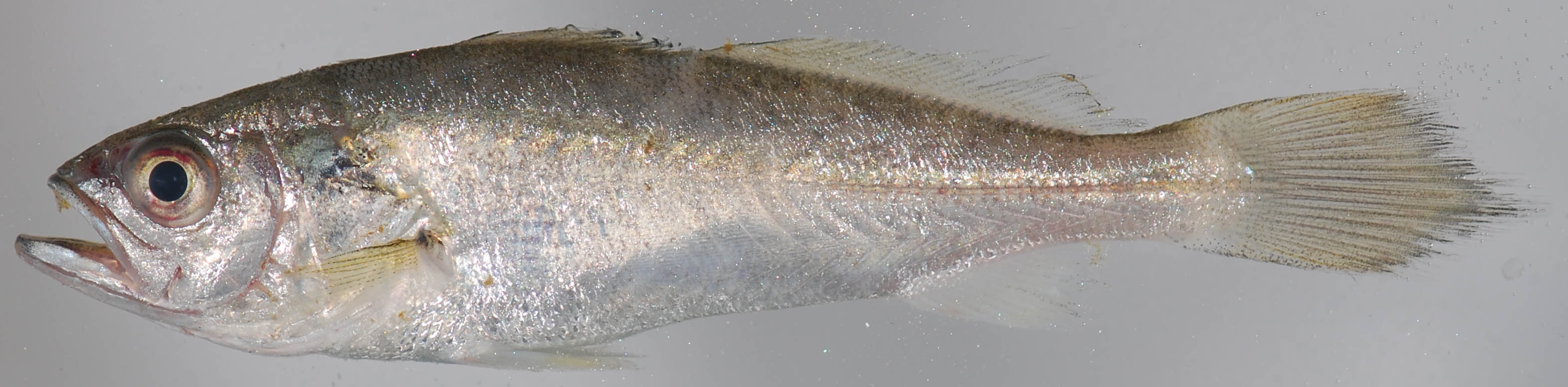

The weakfish (Cynoscion regalis), also known as the "gray trout," "sea trout," "squeteague," or "tiderunner", is one of the most beautiful and prized inshore gamefish of the Atlantic coast. A member of the drum family and a close cousin of the spotted seatrout, the weakfish is a sleek, iridescent, hard-hitting predator that roams the bays, sounds, inlets, and surf of the mid-Atlantic and Northeast, providing exciting light-tackle action on the spring and fall runs. Its name comes not from its fight, which is spirited, but from its tender, easily-torn mouth, which demands a careful hookset and drag. Gorgeous, willing, and excellent on the table, the weakfish is a beloved target from the Carolinas to New England. This guide covers how to catch them.
What Is a Weakfish?
The weakfish is a member of the drum and croaker family (Sciaenidae), closely related to the spotted seatrout, red drum, and croaker. It's a slender, streamlined fish with a silvery, iridescent body washed in purple, green, blue, and gold sheens, a back sprinkled with small dark spots that form wavy diagonal lines, yellowish fins, and a pair of prominent canine teeth at the front of the upper jaw. The name "weakfish" refers to its tender, easily-torn mouth, not any lack of fighting spirit. Weakfish commonly run 1 to 4 pounds and 12 to 24 inches, with larger "tiderunners" reaching 6 to 10-plus pounds and the biggest historically topping 15 to 19 pounds.
For anglers, the defining traits are that weakfish are schooling, migratory, inshore predators that feed on small fish, shrimp, crabs, worms, and other prey in bays, sounds, inlets, channels, and the surf. They move inshore in spring and again in fall on well-known seasonal runs, providing prized fishing. They hit lures and baits readily but must be handled with care because of that tender mouth, a hard hookset or heavy drag can rip the hook free, so a smooth hookset, light drag, and steady pressure are key. They school, so where you find one you'll often find many. Beautiful, willing, seasonal, and fine eating (though their populations have fluctuated, requiring conservation-minded regulations), the weakfish is a classic and rewarding Atlantic inshore gamefish.
Where and When to Catch Weakfish
Weakfish range along the Atlantic coast from roughly Massachusetts to Florida, and are most abundant and famously targeted in the mid-Atlantic, the Chesapeake and Delaware Bays, New Jersey, Long Island, and the sounds and bays of the Carolinas and the Northeast. They're inshore and nearshore fish, so look for them in bays, sounds, estuaries, inlets and channels, along beaches and in the surf, around structure, and over flats and drop-offs. They relate to current, structure, and bait, often holding along channel edges, drop-offs, points, and around structure where they ambush prey, and they roam the surf and inlets on the runs.
The best fishing follows the seasonal migrations: the spring run (roughly April to June) and the fall run (roughly September to November) are the prime times, when weakfish move inshore in numbers to feed and spawn. In the mid-Atlantic, the spring run into the bays and the fall push are legendary. They often feed best in low light, dawn, dusk, and night, and on moving tides, and night fishing (especially around lighted docks, bridges, and structure) is a classic and productive weakfish tactic. Water temperature and the timing of the runs vary by latitude and year, so local knowledge of when the fish arrive is valuable. Target the spring and fall runs, fish moving tides and low light, and focus on bays, sounds, inlets, and the surf where weakfish concentrate.
Jigs and Soft Plastics
One of the most effective and popular ways to catch weakfish is with jigs and soft plastics, which imitate the small baitfish and shrimp they hunt.
Lure Fishing for WeakfishThe go-to lures are leadhead jigs dressed with soft-plastic tails (paddle tails, curly tails, shrimp imitations, and jerk shads), bucktail jigs, and small swimbaits, often in natural or bright colors, pink, chartreuse, white, and pearl are classic weakfish colors. Bounce or swim the jig near the bottom and through the water column along channel edges, drop-offs, and structure, and around current and bait. Weakfish often hold near the bottom, so a jig worked with a lift-and-fall retrieve is deadly. Because of their tender mouths, use a smooth (not violent) hookset and a light drag, and maintain steady pressure, don't horse them. Light spinning or baitcasting tackle makes for the most fun and best presentation. Scented soft plastics and slow, methodical jigging along the right structure and current are how many weakfish specialists consistently catch them. Cover the water column to find the depth where the fish are holding.
Bloodworms, Shrimp, and Bait
The classic and highly effective way to catch weakfish, especially in bays and the surf, is with natural bait.
Weakfish on Shrimp and SheddersThe best baits are bloodworms, sandworms, live or fresh shrimp (grass shrimp are especially prized), shedder/soft crab, squid, and small baitfish or strips. Fish them on a bottom rig, a fish-finder rig, a high-low rig, or under a float, presented along channel edges, drop-offs, in the surf, and around structure and current. Grass shrimp and shedder crab are legendary weakfish baits in the bays, many anglers chum with grass shrimp to draw and hold weakfish, then present a baited hook in the chum slick. In the surf and inlets, bloodworms and squid on a bottom rig are effective. As always with weakfish, be ready for a subtle take and use a smooth hookset and light drag to protect the tender mouth. Bait fishing, especially with shrimp and worms and often combined with chumming, is a traditional, deadly, and rewarding way to catch weakfish.
Working Bays, Sounds, and the Surf
The single biggest key to catching weakfish is being in the right place during the seasonal runs, and knowing how to fish bays, sounds, inlets, and the surf.
Light-Tackle Weakfish in the SoundDuring the spring and fall runs, weakfish pour into the bays, sounds, and estuaries to feed and spawn, and this is when and where the best fishing happens. Focus on channel edges and drop-offs, points, holes, current seams, structure, and areas with bait, where weakfish hold and ambush. Fishing from a boat or kayak lets you cover this water and follow the fish; drifting or anchoring along productive edges and structure and working jigs or bait is highly effective. In inlets and the surf, target moving tides, cuts, troughs, and structure. Night fishing around lighted docks, bridges, and piers is a classic tactic, as weakfish move in to feed on bait drawn to the lights. Because weakfish school and migrate, local knowledge and timing are invaluable, being on productive water when the run is on is what puts numbers of fish in the boat. Watch for bait, current, and other anglers' reports to stay on the fish.
The Tender Mouth and Light Tackle
Understanding the weakfish's namesake tender mouth, and matching your tackle and technique to it, is essential to landing them.
Spring Weakfish FishingThe weakfish is named for its soft, easily-torn mouth, which means a hard hookset or heavy drag will rip the hook free and lose the fish. To land more weakfish, use a smooth, sweeping hookset (not a violent snap), a light drag, and steady, controlled pressure throughout the fight, never horse a weakfish. Light or medium-light tackle with a somewhat forgiving rod tip helps cushion the hooks and protect the mouth, and it also makes these hard-hitting fish more fun. Use appropriately sized hooks (circle hooks can help with bait, pinning the corner of the mouth), and keep pressure steady rather than pumping hard. When you feel the take, often a subtle tap or a sudden weight, reel into the fish and sweep the rod rather than jerking. This gentler approach, matched to light tackle, dramatically improves your landing rate and is central to weakfish success. Respecting the tender mouth is the difference between hooking weakfish and actually landing them.
Identifying the Weakfish
Weakfish are distinctive but are often confused with their close cousin the spotted seatrout, so identification matters, especially for regulations.
All About WeakfishThe weakfish is a slender, silvery, iridescent fish washed in purple, green, blue, and gold, with a back sprinkled with small dark spots that form wavy, diagonal lines (not distinct round spots), yellowish fins, and a pair of prominent canine teeth at the front of the upper jaw. Compare it to the spotted seatrout (specked trout), which has large, distinct, round black spots scattered over the back, sides, and tail (rather than the weakfish's fine, wavy-line speckling), and tends toward more southern waters. The weakfish's spotting pattern (fine spots in diagonal lines, concentrated on the upper body, not big round spots on the tail), its yellowish fins, and its more northern, mid-Atlantic range distinguish it. Both have canine teeth and are members of the drum family. Regional names for the weakfish include "gray trout," "sea trout," "squeteague," "tiderunner," and "yellowmouth." When you catch a slender, iridescent, fine-speckled drum with yellow fins and canine teeth in mid-Atlantic or Northeast inshore waters, you've got a weakfish.
Understanding Weakfish Behavior
Everything about catching weakfish flows from the fact that they're schooling, migratory, inshore predators with tender mouths. They feed on small fish, shrimp, crabs, and worms in bays, sounds, inlets, and the surf, relating to current, structure, drop-offs, and bait, and they move inshore on well-defined spring and fall runs. This is why timing the runs, fishing the right structure and current, and presenting jigs or bait in the strike zone all matter, and why low light and moving tides are prime. They school, so finding a concentration means fast action, and chumming (especially with grass shrimp) can draw and hold them. And their tender mouths dictate a smooth hookset, light drag, and steady pressure.
Location and timing are everything: be on productive bays, sounds, inlets, or surf during the spring and fall runs, focus on channel edges, drop-offs, structure, and bait, and fish low light and moving tides. Weakfish populations have historically fluctuated significantly, so regulations (size and bag limits) can be strict and vary by state and year, always check current rules, and consider conservation-minded catch and release, especially of larger breeding "tiderunners." Fish the right water at the right time, present carefully, and handle the tender mouth gently, and these beautiful, hard-hitting drum will reward you. Their seasonal, migratory nature makes the runs a highlight of the inshore calendar for many coastal anglers.
Conservation and Handling
Weakfish are a prized gamefish whose populations have undergone significant ups and downs over the decades, with major declines in some periods leading to strict, conservation-minded management. As a result, size limits and bag limits are often tight and vary by state and year, and it's essential to know and follow the current regulations where you fish. Given the population concerns, many anglers practice conservation-minded catch and release, especially with larger breeding fish (the big "tiderunners"), to help the stock recover and remain healthy.
Handle weakfish gently, both for release and because of their delicate mouths and skin: use wet hands, support the fish, minimize air time, and revive and release fish promptly, especially in warm water. Because of the tender mouth, careful hook removal helps release fish in good shape; circle hooks and barbless or crushed-barb hooks can reduce injury. If you keep weakfish to eat, dispatch and ice them quickly for the best quality, and keep only what regulations allow and you'll use. Supporting sound weakfish management, releasing big breeders, and handling fish carefully all help sustain this beautiful and historically important Atlantic fishery. Always confirm and follow local regulations, which for weakfish can change and are often protective.
Cleaning and Eating Weakfish
Weakfish are excellent eating, the flesh is white, delicate, sweet, and mild, highly regarded and a traditional favorite along the Atlantic coast. The one caveat is that the flesh is soft (as the name and the tender mouth suggest), so it's best handled carefully and eaten fresh.
Cleaning and Filleting WeakfishWeakfish are cleaned by filleting, yielding delicate white fillets; remove the skin for the best result. Because the flesh is soft and delicate, it's best to ice weakfish immediately after catching and to cook them fresh, as the texture can deteriorate quickly. The mild, sweet flesh takes well to gentle preparations, pan-searing, broiling, baking, and light frying, and is prized for its flavor, though because it's delicate it can fall apart with rough handling or overcooking. Many consider fresh weakfish among the finest-eating inshore fish. Given population concerns, keep only what regulations allow and you'll use, release the big breeders, and enjoy your catch fresh. Prompt icing and fresh, gentle preparation are the keys to enjoying the excellent, delicate flesh of the weakfish. Always follow local regulations on harvest.
Bringing It All Together
The weakfish, or gray trout, is a jewel of the Atlantic coast, a sleek, iridescent, hard-hitting inshore drum that lights up the bays, sounds, inlets, and surf on the prized spring and fall runs. Find them along channel edges, drop-offs, structure, and current during the runs, fish low light and moving tides, and present jigs and soft plastics or natural baits like grass shrimp, bloodworms, and shedder crab. Above all, respect the tender mouth that gives the fish its name: use a smooth hookset, light drag, and steady pressure on light tackle to land these beauties. Learn to tell them from spotted seatrout, follow the conservation-minded regulations, handle and release big breeders gently, and enjoy some of the finest, most delicate flesh in the inshore ocean. Beautiful, seasonal, and rewarding, the weakfish is a classic Atlantic gamefish worth chasing.
For more prized inshore and drum-family species, see our guides to the spotted seatrout, the red drum, and the black drum.
Want to time the spring and fall runs and find the best bays, sounds, and inlets for weakfish? Watch the water temperature, follow local reports of when the fish arrive, and put in your time on the productive edges, drop-offs, and structure during the runs to get in on the action for this beautiful Atlantic gamefish.