Fish
Fish Fire
Fire Hike
Hike Bird
Bird

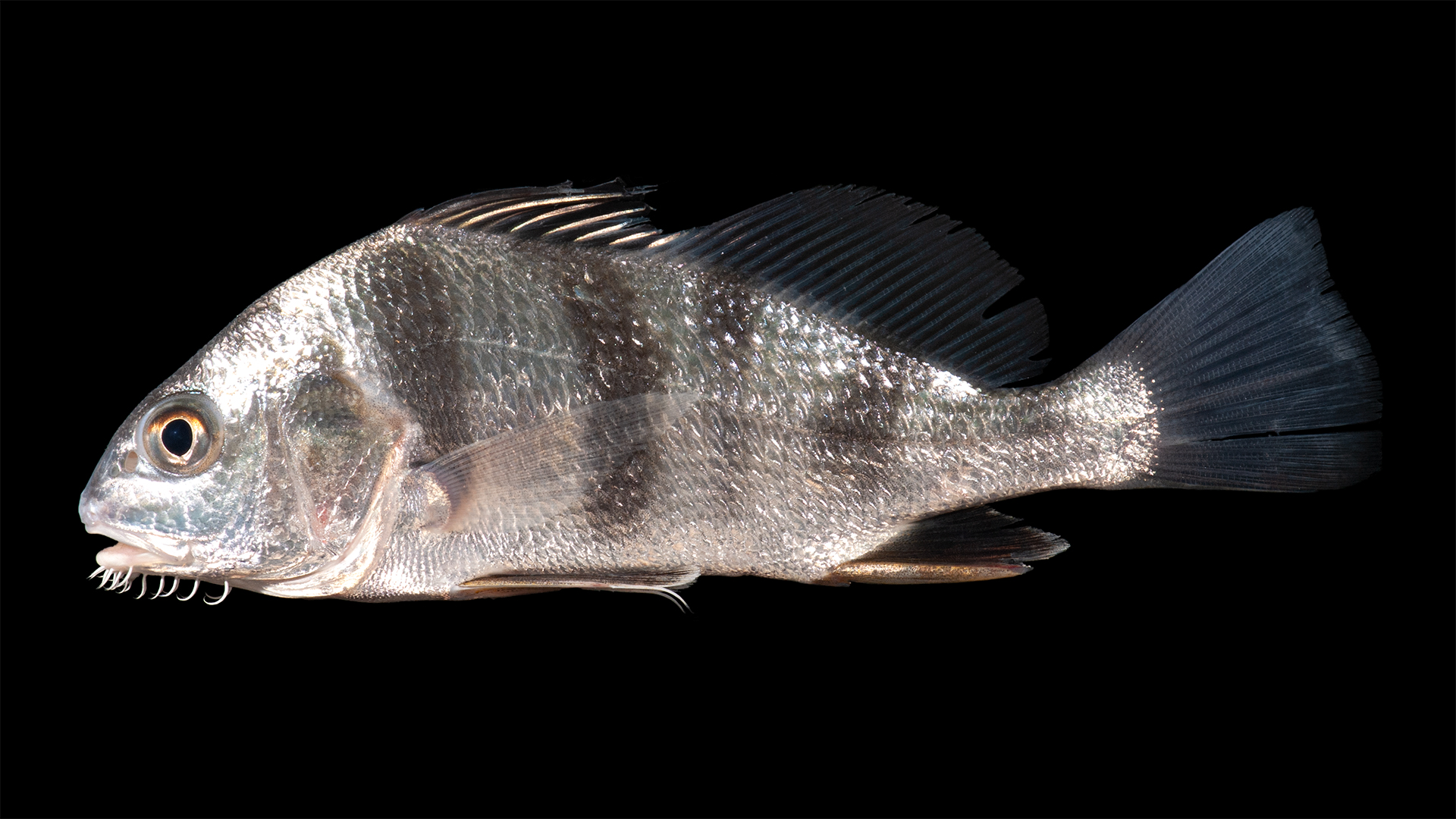

The black drum is the redfish's big, whiskered cousin, a deep-bodied, crustacean-crushing member of the drum family that ranges from tasty pan-sized "puppy drum" to enormous "bull" drum that can top 80 pounds. Black drum are abundant, hard-pulling, and refreshingly willing: they feed by scent and touch along the bottom, they aren't nearly as finicky as their look-alike the sheepshead, and they're catchable from bridges, docks, jetties, oyster bars, and channels all along the Atlantic and Gulf coasts. Whether you want a cooler of sweet drum fillets or a tug-of-war with a giant, black drum deliver. This guide covers how black drum feed and where they hold, and every core technique, with step-by-step instruction, to catch them.
Black drum share the drum family and much of the water with their famous cousin, see our guides on how to catch redfish and the structure-loving sheepshead.
The Drumming Cousin
The black drum (Pogonias cromis) is a member of the drum family (it can produce a loud "drumming" or croaking sound with its swim bladder), built with a deep, high-arched silvery-gray to black body, a downturned mouth, and a set of "whiskers", chin barbels, under the lower jaw that it uses to feel and taste for food on the bottom. In its throat it has powerful crushing teeth (pharyngeal plates) for pulverizing hard-shelled prey. Young black drum have dark vertical bars and are sometimes confused with sheepshead, but they have those chin barbels (sheepshead don't) and lack the sheepshead's human-like front teeth; the bars fade to gray as the fish grows.
Black drum span a huge size range. "Puppy drum", the small, keeper-sized fish, commonly run 14 to 25 inches and a few pounds, and are prized eating. The "bull" drum grow enormous, exceeding 30, 50, even 80-plus pounds, and are among the largest inshore fish you can hook. Found from the Mid-Atlantic through Florida and around the Gulf, black drum are abundant, widely available, and a favorite of bridge, pier, and bay anglers.
How Black Drum Feed
The key to catching black drum is understanding that they're scent-and-touch bottom feeders. A black drum cruises the bottom using its chin barbels to detect crabs, shrimp, clams, oysters, mussels, worms, and other crustaceans, then crushes them with its throat plates. This makes them far less picky than the finicky sheepshead, a black drum will readily root up a dead or fresh bait sitting on the bottom, homing in on the scent.
Two practical takeaways. First, fish scented natural baits on the bottom, fresh dead shrimp, crab, and clam are ideal, and you don't need the finesse a sheepshead demands. Second, black drum relate to structure and hard bottom (oyster bars, bridges, channel edges) where their food lives, and they often travel in schools, so where you catch one, more are usually near. Bait on the bottom, near structure and hard bottom, is the whole game.
Where and When to Find Black Drum
Black drum relate to hard bottom, structure, and current. Target:
- Oyster bars, shell bottom, and mud/sand flats rich in crabs, worms, and shellfish.
- Bridge and dock pilings, jetties, and seawalls, barnacle- and crab-covered structure.
- Channels, passes, and deeper holes, travel routes and staging areas, especially for bigger fish.
- Bays, estuaries, and the surf near structure and hard bottom.
Black drum can be caught year-round, but the marquee event is the spring "bull drum run," when huge schools of giant black drum move into the passes, channels, and bays to spawn (often late winter into spring), offering shots at 40-, 50-, and 60-pound-plus fish. Puppy drum are available around structure through much of the year. Fish the structure and hard bottom year-round, and target the passes and channels in spring for the bulls.
The Techniques That Catch Black Drum
Black drum are caught with scented natural baits fished on the bottom. Here are the core methods, how to fish each, and when to use it.
Fresh Shrimp on the Bottom, the everyday drum bait
Fresh or dead shrimp fished on the bottom is the simplest, most reliable way to catch keeper black drum, and it's perfect for anglers of any level.
How to fish it: On a simple bottom rig (a Carolina/fish-finder rig or a knocker rig), fish a whole or chunk of fresh dead shrimp on a circle hook, and present it on the bottom near oyster bars, pilings, and channel edges where drum feed. Because black drum home in on scent and readily eat dead bait, you can cast it out, keep the line taut, and wait for the fish to find it. When a drum takes it, let the circle hook load and reel tight, no hard hookset needed. Shrimp on the bottom is the go-to for puppy drum.
How to Catch Black Drum with a Simple Shrimp RigBlue Crab, the big-drum bait
For bull black drum, nothing beats fresh blue crab, it's the giants' favorite food and stays on the hook through a long soak.
How to fish it: Cut a blue crab in half or quarters (removing the top shell and legs exposes the scent-rich meat), and hook a piece through a leg socket on a stout circle hook and a heavy bottom rig. Fish it on the bottom in the passes, channels, and holes where big drum travel, letting the crab's scent draw the fish. A half or quarter blue crab discourages small fish and pinfish and appeals to the trophy bulls. When a big drum eats and the rod loads, hang on, a bull black drum is a heavy, dogged fight. Blue crab is the classic bull-drum bait.
The Best Way to Rig Blue Crabs for Black DrumThe Popping Cork, for shallow puppy drum
A popping cork with shrimp is a fun, effective way to catch puppy drum on shallow flats and around structure, calling fish in with sound.
How to fish it: Below a popping cork, fish a fresh shrimp or a soft-plastic shrimp on a jighead at the depth of the fish, and pop the cork every few seconds to imitate feeding fish and draw drum to the suspended bait. It's the same deadly setup used for redfish and seatrout, and puppy drum on shallow oyster bars and flats eat it readily. When the cork goes under, reel tight. It's an active, engaging way to catch numbers of smaller black drum in the shallows.
How to Fish a Popping CorkThe Bottom Rig, keep it simple and on the bottom
The Carolina/fish-finder bottom rig is the workhorse for black drum, keeping a scented bait on the bottom where they feed while letting a fish take it without resistance.
How to fish it: Slide an egg sinker (sized to the current) onto your main line, add a bead, tie on a swivel, then a leader to a circle hook baited with shrimp, crab, or clam. Cast it to hard bottom and structure, let it settle, reel up the slack to a taut line, and set the rod in a holder or hold it, watching the tip. The sliding sinker lets a drum pick up the bait and move off without feeling the weight before the circle hook loads. It's the simple, effective foundation of black drum fishing (the Owen Lupton "drum rig" is a popular surf version).
Homemade Drum Rig (Owen Lupton Rig)Fishing Bridges and Structure, where the drum live
Bridges, docks, jetties, and other structure hold black drum of all sizes, and fishing them methodically produces fish.
How to fish it: Fish a shrimp or crab on a bottom rig tight to the pilings, fenders, and rocks of bridges, docks, and jetties, where the crabs, barnacles, and shellfish black drum eat are concentrated. Drop your bait right against the structure and work the down-current sides and the base of the pilings. Bridges in particular hold big drum, especially at night and during the spring run. Use tackle stout enough to pull a good fish away from the barnacle-crusted structure, and keep your scented bait in the feeding zone.
How to Catch Black Drum Around BridgesTargeting Bull Drum, the spring giants
The spring bull-drum run offers a shot at truly enormous fish, and targeting them is a distinct big-fish game.
How to fish it: During the run (late winter into spring), fish the passes, channels, and deeper holes where big drum school to spawn, with half or quarter blue crabs on heavy bottom rigs and stout circle hooks. Anchor up-current of a channel or hole and soak baits, letting the scent draw the giants, or fish known spawning areas. Use heavy tackle to handle 30- to 60-pound-plus fish, and be ready for a long, powerful, boring fight. Bull drum are almost always released (they're coarse eating and the big breeders), so handle them carefully and revive them before release. It's spectacular, accessible big-fish action.
Big Bull Black Drum Fishing TipsReading the Bite and Fighting a Bull
Black drum are far more forgiving than sheepshead on the bite, but a few things still help. A drum bite on a bottom rig usually feels like a steady pull or added weight as the fish picks up the scented bait and moves off, not a sharp strike. With a circle hook, don't set hard; instead, let the fish load the rod and reel steadily to come tight, and the hook finds the corner of the mouth. Keeping a taut line and watching your rod tip helps you know when a drum has your bait.
The fight itself is where big black drum earn respect. A bull drum doesn't run far or jump, instead it uses its deep, heavy body to bulldog and bore toward the bottom in a stubborn, drag-testing tug of war that can last a long while. Don't try to horse it; keep steady, strong pressure, let the fish work against the drag, and gain line when it gives you the chance. Near structure, apply enough pressure to keep it out of the pilings and rocks. Landing a 40- or 50-pound black drum is a genuine arm-burning battle, and one of the most accessible shots at a truly big fish that inshore fishing offers.
A Great Fishery for Everyone
One of the best things about black drum is how accessible they are. Because they feed on the bottom on simple scented baits around structure, you can catch them without a boat, a fancy setup, or advanced technique, a shrimp on a bottom rig fished off a bridge, pier, jetty, dock, or bank near hard structure will catch black drum up and down the coast. That makes them a fantastic fish for kids, beginners, and families: the tackle is simple, the bait is cheap and available at any bait shop, the fish are abundant and pull hard, and puppy drum are delicious.
And the ceiling is high, the same simple bottom-fishing approach that catches a two-pound puppy drum off a dock can hook a fifty-pound bull in a spring channel, so there's a thrill waiting no matter your experience level. Few coastal fish offer so much action and such a shot at a giant with so little required to get started. Grab a rod, a bag of shrimp, and a bottom rig, find some structure or hard bottom, and go catch a drum.
Gear for Black Drum
Black drum gear scales from light for puppies to heavy for bulls:
- Puppy-drum combo: A 7-foot medium inshore rod with a 3000–4000-size reel handles keeper drum on shrimp and popping corks.
- Bull-drum combo: A heavy 7- to 8-foot rod with a large reel and strong drag for the giants on blue crab.
- Line and leader: 15- to 30-lb braid (heavier for bulls) with a 20- to 40-lb fluorocarbon or mono leader.
- Terminal tackle: Circle hooks (2/0 for puppies up to 6/0–8/0 for bulls), egg sinkers, swivels, and beads for Carolina/fish-finder rigs, plus popping corks.
- Bait: Fresh dead shrimp, blue crab (whole or cut), clams, and sand fleas, scented natural baits fished on the bottom.
Keep the Puppies, Release the Bulls
Black drum eating quality depends heavily on size. Puppy drum and smaller keepers are excellent eating, sweet, firm white fillets much like their redfish cousin. The big bull drum, however, are coarse and often carry parasites (spaghetti worms), so they're generally released, and being the large breeders, they should be. Most fisheries manage black drum with slot and bag limits that protect the big fish, so know and follow your state's rules, keep a few eaters within the slot, and release the bulls carefully (support them horizontally and revive them). It's the best of both worlds: a meal from the puppies and a thrill from the giants.
Finding Drum Water Near You
The beauty of black drum is that the structure they love is easy to find and often close to shore. Scout the map for oyster bars, bridge and dock pilings, jetties, seawalls, and the channels and passes where the bigger fish stage, then sort out your access, from a public pier, bank, or jetty to the nearest boat launch if you're running out to the deeper holes. Confirm the current slot and bag limits with your state wildlife agency before you go, grab a bag of fresh shrimp or a blue crab, and put a scented bait on the bottom near hard structure. Whether you're after a cooler of puppy drum for the table or a shot at a spring bull for the thrill, the drum are within reach, and the simple bottom-fishing tactics that catch them are the same everywhere they swim.