Fish
Fish Fire
Fire Hike
Hike Bird
Bird

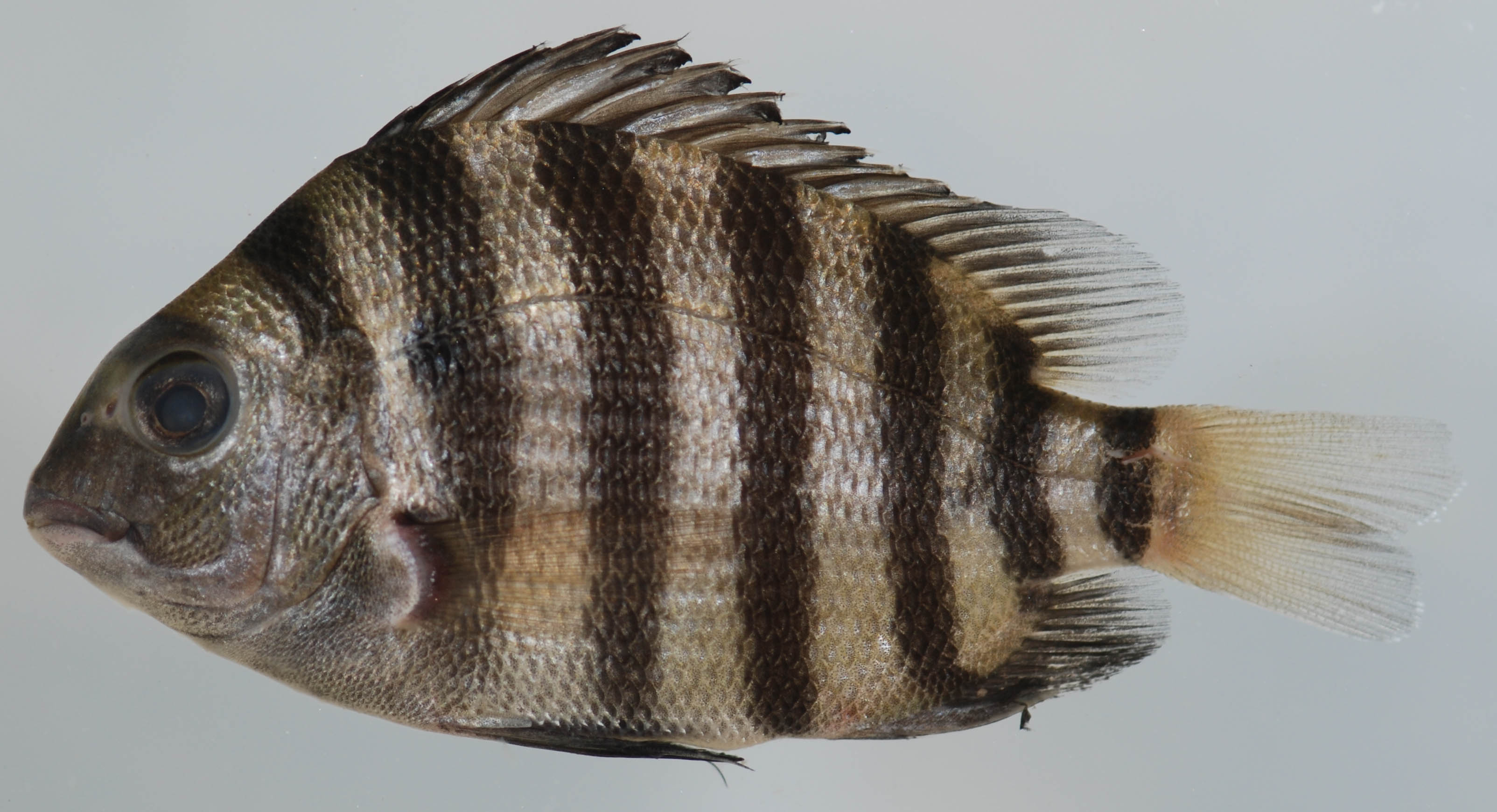

The sheepshead is the fish that will humble your hookset and steal you blind. Nicknamed the "convict fish" for the bold black bars across its silver body, and infamous for a mouthful of eerily human-like teeth, the sheepshead is a structure-loving crustacean-cruncher with a bite so subtle that anglers joke you have to "set the hook the day before it bites." But crack the code, and sheepshead offer fast, fun, cold-season fishing around the pilings, jetties, and reefs of the Atlantic and Gulf, plus some of the finest, sweetest fillets in the sea. This guide covers how sheepshead feed and where they hold, the all-important art of detecting their bite, and every core technique, with step-by-step instruction, to catch them.
Ready to outsmart the convict fish? They share structure with other inshore fish, see our companion guides on how to catch black drum and how to catch redfish.
The Convict Fish
The sheepshead (Archosargus probatocephalus) is a member of the porgy family, built like a deep, oval, silver dinner plate crossed by five to seven bold black vertical bars (the "convict" stripes). Its most remarkable feature is its mouth: a set of prominent, forward-facing incisors that look unsettlingly like human teeth, backed by rows of hard molars in the throat, a specialized set of tools for nipping, scraping, and crushing hard-shelled prey like barnacles, oysters, crabs, and mussels off structure.
Most sheepshead run 1 to 4 pounds; a fish over about 5 pounds is a very good one, and the giants exceed 10 pounds. They're found along the Atlantic and Gulf coasts, from the Mid-Atlantic through Florida and around the Gulf. Sheepshead are prized as excellent eating, sweet, firm, white fillets, though they're notoriously tough to clean (their tough skin and stout ribs earn them the name "the fish that pays you back for stealing your bait"). Abundant, structure-oriented, and available when many other species have shut down for winter, sheepshead are a beloved cold-season target.
The Ultimate Bait Stealer
Everything about catching sheepshead comes down to one thing: their feeding style makes them maddeningly subtle biters. Sheepshead don't slam a bait, they use those chisel-like teeth to delicately nip, scrape, and crush food off of structure, and they'll pick a shrimp or crab off your hook so cleanly that you never feel a thing. The classic sheepshead experience is reeling up to find your bait gone and your hook untouched.
Beating them requires three things. First, fish tight to the structure where they feed, sheepshead glue themselves to pilings, rocks, and reef. Second, use a sensitive setup and a sharp hook, and stay in constant contact with your bait, watching your line and feeling for the slightest tick, tap, or unusual weight (or lightness, as they lift the bait). Third, and this is the key, set the hook early and fast, at the first hint of a bite (a subtle tap, a small movement of the line, or just a feeling that something's different). The saying "set the hook before you feel the bite" captures it: reel tight, stay alert, and swing on anything suspicious. Master this, and the "bait stealer" becomes very catchable.
Where and When to Find Sheepshead
Sheepshead are structure fish, period. They relate to anything with barnacles, oysters, and crustaceans growing on it. Target:
- Dock and bridge pilings, seawalls, and jetties, barnacle-encrusted structure is a sheepshead buffet.
- Oyster bars, rock piles, and reefs, natural crustacean-rich bottom.
- Nearshore wrecks, reefs, and artificial reefs, where bigger sheepshead gather, especially to spawn.
- Channel markers, bulkheads, and any hard structure in the bays and inlets.
Timing is a big part of sheepshead's appeal: while they can be caught year-round, late winter and early spring are prime, when sheepshead aggregate on nearshore structure and reefs to spawn (the famous "sheepshead run"), concentrating in big numbers and biting best just when much other inshore fishing is slow. Fish the structure, and circle the cold-season spawning aggregation for the best action.
The Techniques That Catch Sheepshead
Sheepshead are caught by presenting crustacean baits tight to structure and detecting their subtle bite. Here are the core methods, how to fish each, and when to use it.
Fiddler Crabs on a Knocker Rig, the classic
A live fiddler crab is the number-one sheepshead bait, it's their natural food, and it stays on the hook better than shrimp. Fished on a knocker rig tight to structure, it's the go-to.
How to fish it: Rig a knocker rig (an egg sinker sliding right down to the hook, so it's a compact bottom rig) or a simple dropper, with a small, strong hook (size 1 to 2/0). Hook a live fiddler crab through the shell (from one side, point out) so it stays lively, and drop it straight down tight against a piling, rock, or reef, keeping the line taut. Stay in contact and watch for the subtle bite, then set fast. The compact knocker rig gets the bait right to the structure and telegraphs the bite well. Fiddlers are the sheepshead specialist's confidence bait.
Sheepshead Fishing with Fiddler CrabsShrimp, the readily available option
Live or fresh shrimp is an easy, widely available sheepshead bait, the challenge is keeping it on the hook against those bait-thieving teeth.
How to fish it: Use a small piece of shrimp (a whole small shrimp or a chunk) on a small, strong hook, threaded on so the hook point is buried and the bait is compact and hard to steal. Fish it on a knocker or dropper rig tight to structure, just like a fiddler crab. Because sheepshead strip shrimp so easily, thread it well, use just enough, and be ready to set at the first tap. Shrimp is the most accessible sheepshead bait and catches plenty of fish when you stay on the bite.
The Right Way to Rig Live Shrimp for SheepsheadDetecting the Bite and Setting the Hook, the real skill
More than any bait, learning to detect the sheepshead bite and set the hook is what turns bait-stealers into fillets.
How to fish it: Keep a tight line and stay in constant contact with your bait against the structure, holding the rod and watching the line where it enters the water. Sheepshead bites feel like a subtle tick, a light tap, a mushy weight, or a sudden lightness as the fish lifts the bait, anything different from the "normal" feel of your rig. The instant you sense any of these, reel down and set the hook firmly and quickly. Don't wait to feel a hard bite (it rarely comes). Many anglers even set on a "hunch." Sharpen your hooks, stay laser-focused, and swing early, that's the sheepshead secret.
How to Stop Sheepshead from Stealing Your BaitChumming by Scraping Barnacles, bring them to you
A classic sheepshead trick is to scrape barnacles and crustaceans off the structure to create a chum slick that draws and fires up the fish right where you're fishing.
How to fish it: Using a scraper, hoe, or heavy tool, scrape the barnacles and growth off a section of piling, seawall, or rock, dislodging the crustaceans into the water column. The falling food draws sheepshead in and gets them actively feeding in your spot, dramatically improving your bite. Then present your fiddler or shrimp in the resulting "chum" zone. It's a hands-on, highly effective way to concentrate feeding sheepshead around your structure, and a favorite of dock and bridge anglers.
How to Catch Sheepshead Using BarnaclesJigs, an artificial approach
Sheepshead can also be caught on jigs, a fun, more active way to target them, especially fish you can see around structure.
How to fish it: Fish a small jig, a dedicated sheepshead jig or a jighead tipped with a piece of shrimp, fiddler, or a soft-plastic crustacean imitation, tight to the structure, letting it fall alongside pilings and rocks and keeping it in the sheepshead's feeding zone. Work it subtly, and set fast on any bite, just as with bait. Sight-fishing sheepshead you can see on shallow structure with a jig is an engaging, effective technique, and tipping the jig with a bit of real bait gives you the best of both worlds.
The Best Sheepshead JigJetties, Bridges, and Reefs, the big-fish structure
Jetties, bridges, and nearshore reefs hold the biggest sheepshead, especially during the cold-season spawning aggregations.
How to fish it: Fish your crab or shrimp tight to the rocks of a jetty, the pilings and fenders of a bridge, or over a nearshore reef or wreck, working your bait through the crevices and structure where sheepshead feed. These bigger, structure-rich areas concentrate larger fish, particularly in late winter and spring when sheepshead gather to spawn. Use tackle stout enough to pull a good fish out of the rocks, keep your bait in the strike zone against the structure, and stay ready for that subtle bite. It's where trophy sheepshead are caught.
How to Fish Jetties for SheepsheadSight-Fishing Sheepshead
One of the most fun and effective ways to catch sheepshead is to sight-fish them, spotting individual fish on shallow structure and picking them off one at a time. Around clear-water docks, seawalls, and pilings, you can often see sheepshead hovering nose-down against the structure, grazing on barnacles, their black bars standing out as they work the growth.
With polarized glasses, move quietly along a dock or seawall and look for feeding fish tight to the pilings. When you spot one, lower a fiddler crab or a jig right down in front of its nose, keeping it against the structure, and watch the fish, a sheepshead that turns to your bait, tilts, or moves toward it is about to eat, so be ready to set the instant it does. Watching the fish eat takes the guesswork out of the notoriously subtle bite, since you can set the hook on what you see rather than what you feel. Sight-fishing is a deadly, engaging way to target sheepshead in clear water, and a great way to learn their behavior and dial in your timing on the hookset.
Cleaning the Convict
Sheepshead earn their reputation as "the fish that pays you back for stealing your bait" at the cleaning table, so it's worth knowing what you're in for, and that the reward is worth it. Sheepshead have tough skin, hard scales, and stout rib bones, which make them harder to fillet than a soft-fleshed fish. A sharp, sturdy fillet knife (some anglers use an electric knife) and a bit of practice go a long way: cut down behind the gill plate and along the backbone, work the blade carefully over the heavy ribs, and take your time to avoid leaving meat on the bone.
The payoff is some of the sweetest, firmest white fillets in the sea, thanks to their crustacean diet, sheepshead meat is often compared to crab or shrimp, and it's excellent fried, blackened, baked, or in a chowder. Keep your catch on ice from the moment it's landed, clean the fish while it's fresh, and check your local size and bag limits before you keep any. A little extra effort at the cleaning table turns a cooler of convict fish into a memorable meal.
Gear for Sheepshead
Sheepshead gear balances sensitivity with the strength to pull fish from structure:
- Spinning/casting combo: A 7-foot medium or medium-heavy rod with a fast, sensitive tip (to detect the subtle bite) and a 3000–4000-size reel with a good drag.
- Line and leader: 15- to 20-lb braid (for sensitivity and strength) with a 20- to 30-lb fluorocarbon leader.
- Terminal tackle: Small, strong, sharp hooks (size 1 to 2/0), egg sinkers for knocker rigs, and split shot, plus sheepshead jigs.
- Bait: Live fiddler crabs (the top bait), live or fresh shrimp, sand fleas, oysters, and barnacles.
- Handy tool: A scraper for chumming barnacles off structure.
A Prize on the Table (Worth the Work)
Sheepshead reward the effort with outstanding eating, sweet, firm, white fillets often compared to crab or shrimp because of their crustacean diet. The catch is that they're notoriously hard to clean: tough skin, heavy scales, and stout rib bones make filleting a chore (a sturdy knife and some practice help). Sheepshead are managed with size and bag limits that vary by state, so know and follow them, and handle short fish gently for release (watch those sharp spines and teeth). A cooler of sheepshead fillets is worth the cleaning effort, making them one of the most rewarding cold-season catches.
Cracking the Sheepshead Code
Everything about sheepshead comes back to three things: knowing the productive structure, timing the cold-season spawning run, and, crucially, learning to detect and set on that maddening subtle bite. Dial in those three and you go from a frustrated bait-feeder to a sheepshead catcher, and you do it during the winter and early-spring window when much of the rest of the inshore fishing has gone quiet. Scout barnacle-encrusted pilings, jetties, and nearshore reefs, keep a fiddler crab tight to the structure, stay glued to your line, and swing early. It's one of the most fun and productive cold-season trips you can make.