Fish
Fish Fire
Fire Hike
Hike Bird
Bird

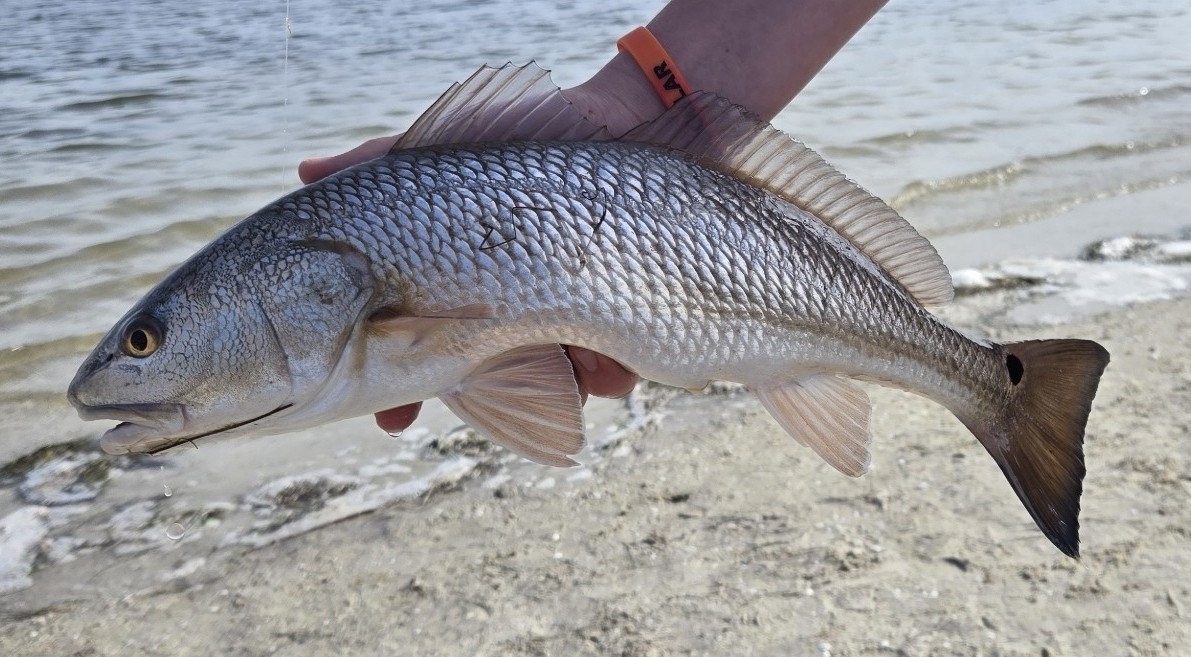

The redfish is the heartbeat of inshore saltwater fishing, a copper-and-bronze bruiser that prowls the flats, marshes, and oyster bars of the Gulf and Atlantic coasts, and the fish that has launched a thousand skiff-poling, sight-casting obsessions. Redfish (properly, red drum) are the perfect inshore gamefish: widely available, willing to eat lures, bait, and flies, strong enough to peel drag on a long copper-shouldered run, and often catchable in water so shallow their backs and tails stick out. Watching a big red "tail" in a foot of water and casting to it is one of the great thrills in fishing. This guide covers where redfish live and feed, and every core technique, with step-by-step instruction, to catch them.
Ready to chase reds on the flats? Redfish are one leg of the "inshore slam", see our companion guides on how to catch spotted seatrout and how to catch snook.
The Inshore King
The redfish (Sciaenops ocellatus), or red drum, is a member of the drum family (it can "drum" with its swim bladder), built with a copper, bronze, or reddish-gold back fading to a white belly, a blunt head, and a downturned, underslung mouth made for rooting food off the bottom. Its signature is the black spot (or spots) at the base of the tail, an "eyespot" thought to fool predators into striking the tail instead of the head. Some reds have several spots, and a few have none, but most wear that classic single ocellus.
Redfish grow from slot-sized inshore fish to true giants. "Slot reds", the legal-to-keep, mid-sized fish that live on the flats, commonly run 18 to 27 inches (a few to several pounds), while the big breeding fish, the "bull reds," move to the passes, beaches, and nearshore waters and exceed 40 inches and 40-plus pounds. Found from the mid-Atlantic around Florida and throughout the Gulf, reds are the most popular inshore gamefish in much of that range, abundant, hard-fighting, and reachable from a skiff, a kayak, or the bank.
Where Redfish Live and How They Feed
To catch reds, you fish where they feed, and understanding their bottom-rooting habits is the key. Redfish use that downturned mouth to root along the bottom for crabs, shrimp, and baitfish, often in water so shallow that as they tip down to feed, their tails wave above the surface, the famous "tailing" that flats anglers live for. They relate to:
- Grass flats and shallow bays, where they cruise and tail, especially on the higher tides.
- Marsh edges, creeks, and drains, where reds pour in on the flooding tide to feed and pull out as it falls.
- Oyster bars and shell bottom, rich with crabs and bait.
- Docks, seawalls, and mangrove edges, which offer cover and forage.
- Passes, inlets, beaches, and nearshore waters, where the big bull reds gather, especially in the fall.
Above all, redfish fishing is a tide game, moving water positions and activates fish, and knowing the local tides is more than half the battle.
The Techniques That Catch Redfish
Reds eat a huge range of lures, baits, and flies. Here are the core methods, how to fish each, and when to use it.
Sight Fishing the Flats, the signature game
Sight fishing, spotting a redfish (often a tailing or cruising fish) in shallow water and casting to it, is the most exciting and iconic way to catch them.
How to fish it: Pole, wade, or drift a shallow flat or marsh with polarized glasses, scanning for tailing fish, cruising "wakes," or the coppery flash of a red. When you spot one, lead the fish with an accurate cast (a soft plastic, small spoon, or fly), placing it a couple of feet ahead and in its path, and work it slowly across the fish's nose. A feeding red will pounce. The keys are stealth (reds spook in skinny water), an accurate cast, and not lining the fish. It's hunting as much as fishing, and it's addictive.
Sight Fishing the Flats for RedfishThe Popping Cork, the inshore cheat code
A popping cork, a float that makes a loud pop or chug, suspends a bait or lure below it and calls redfish in with sound, mimicking feeding fish. It's arguably the easiest, most productive redfish technique for any angler.
How to fish it: Below a popping cork, tie 18–36 inches of leader to a jighead with a soft plastic (a shrimp or paddle-tail), a live shrimp, or a cut bait. Cast it out over a flat, oyster bar, or drain, then sharply "pop" the cork with a snap of the rod tip every few seconds, pausing between pops. The pop imitates a redfish slurping shrimp, drawing fish to investigate, and the suspended bait hangs in the strike zone. When the cork goes under, reel down and set. It's deadly and beginner-friendly.
How to Rig a Popping Cork for RedfishThe Gold Spoon, a weedless classic
A weedless gold spoon is a timeless redfish lure, its flash imitates a fleeing baitfish, it comes through grass cleanly, and reds crush it.
How to fish it: Tie a weedless gold spoon (a Johnson Silver Minnow in gold, 1/4 to 1/2 oz) to your leader, cast it over grass flats, along marsh edges, and around bars, and retrieve it steadily just fast enough to keep it wobbling and flashing above the bottom or grass. The flash and vibration call reds from a distance, and the weedless design lets you fish it right through the salad where reds feed. It's a simple, cover-water lure that's caught reds for generations.
How to Fish a Gold Spoon for RedfishSoft Plastics on a Jighead, the everyday workhorse
A soft-plastic bait on a jighead is the most versatile redfish lure, catching fish on every flat, edge, and bar, cast-and-retrieved or under a cork.
How to fish it: Rig a paddle-tail swimbait, a jerk shad, or a soft-plastic shrimp on a jighead (1/8 to 1/4 oz, matched to depth and current), and work it with a slow, steady swim or a hop-and-drop along the bottom where reds root for food. Natural and gold/copper colors shine in clear water, darker colors in stained water. Cast to cover, edges, potholes in the grass, and cruising fish, and keep it near the bottom. It's the do-everything redfish presentation.
How to Rig Soft Plastics on a JigheadTopwater, the explosive shallow bite
Few things beat a redfish blowing up on a topwater lure in skinny water, especially at dawn and on calm mornings.
How to fish it: Tie on a walking topwater (a Rapala Skitter Walk or a Heddon Spook) or a weedless topwater/frog for heavy grass, and work it across shallow flats, over grass, and along marsh edges with a steady "walk-the-dog" cadence. Reds, with their underslung mouths, sometimes swipe and miss, so keep the lure moving and wait to feel the fish before setting. The visual, violent surface strike in a foot of water is a redfish highlight, best in low light and warm weather.
How to Catch Redfish on TopwaterLive and Cut Bait, for numbers and for bull reds
Natural bait is deadly for redfish of all sizes, live bait for slot reds, and big cut baits on the bottom for the giant bull reds.
How to fish it: For slot reds, fish a live shrimp, mullet, or pinfish under a popping cork or free-lined near cover and bars. For bull reds in passes, inlets, beaches, and nearshore, fish a chunk of fresh cut mullet, menhaden, or ladyfish on a fish-finder (Carolina) rig with a circle hook on the bottom, letting the scent draw the big fish. Hold on, a bull red is a bruising, long-running fight. Natural bait is the surest way to catch reds and the classic approach for trophies.
How to Catch Bull Redfish on Cut BaitFly Fishing, the flats angler's prize
Redfish are one of the premier fly-rod targets in inshore saltwater, sight-casting a fly to a tailing red is a bucket-list experience.
How to fish it: With an 8- or 9-weight fly rod, sight-fish the flats and marshes and present a crab or shrimp fly (a Kwan, a Redfish Crack, or a small Clouser) or a weedless spoon fly ahead of a spotted fish, letting it sink to the bottom and giving it small strips as the red approaches, reds feed down, so the fly usually needs to be on or near the bottom. Watch for the fish to tip on it, then strip-set. Accuracy and a stealthy, close presentation are everything. Redfish on the fly is the heart of the inshore fly game.
Fly Fishing for Redfish: Beginner BasicsTides and Seasons
Redfish are catchable year-round in much of their range, and the tide is the single most important factor day to day, moving water, especially the stages that flood the marsh and grass flats, positions and activates feeding reds. Learn the local tides and fish the moving water. Seasonally, fall is the marquee time, when big bull reds school up in the passes and along the beaches to spawn (spectacular fishing), and cooler water concentrates slot reds on the flats. Spring and summer offer excellent flats and marsh fishing, with early mornings best in the summer heat. Winter reds school tightly in the shallows on warm afternoons. Match the technique to the water and the tide, and reds are one of the most reliable inshore fish there is.
Spotting Redfish: Tails, Wakes, and Pushes
Because so much redfishing is visual, learning to spot fish in shallow water is the skill that separates good days from great ones. Redfish give themselves away in several ways, and training your eye to read them turns an empty-looking flat into a target-rich one.
- Tails: The classic, a red tipped down to feed, its blue-edged tail waving above the surface. On a calm morning, tailing reds can be visible from a long way off.
- Wakes: A cruising red pushes a subtle V-shaped wake as it moves through skinny water; on a slick surface, these "nervous water" wakes stand out.
- Pushes and blowups: A spooked or feeding red shoves a bulge of water ("a push") or blows up on bait with a swirl, telling you exactly where it is.
- Backs and shoulders: In very shallow water, a red's coppery back and shoulders break the surface as it cruises or feeds.
- Mud and flashes: Fish rooting the bottom stir up mud clouds, and a turning red flashes coppery-gold in the sun.
Wear good polarized glasses, keep the sun at your back when you can, move slowly and quietly, and scan constantly, the more you look, the more you'll see, and spotting the fish before it spots you is the whole game.
The Inshore Slam
Redfish rarely have the flats to themselves, and one of the most fun goals in inshore fishing is the "inshore slam", catching a redfish, a spotted seatrout, and a snook (or a flounder, depending on the region) all in the same day. They share much of the same water and often eat the same lures and baits, so while you're working a flat, marsh, or oyster bar for reds, you'll frequently tangle with trout and snook too. Carry a couple of versatile lures, a soft plastic on a jighead and a popping cork setup will catch all three, and you can chase a slam almost anywhere reds live. It's a great way to make an inshore day even more rewarding, and a fun challenge to share with fishing partners.
Gear for Redfish
Redfish gear is standard inshore tackle, tough enough for a bulldogging fish:
- Spinning/casting combo: A 7- to 7-foot-6 medium or medium-heavy inshore rod with a 3000–4000-size reel is the all-around redfish setup.
- Fly setup: An 8- or 9-weight fly rod with a saltwater reel and a weight-forward floating line for the flats.
- Line and leader: 10- to 20-lb braid with a 20- to 30-lb fluorocarbon leader (heavier around oysters and for bull reds).
- Terminal tackle and lures: Jigheads and soft plastics, a gold weedless spoon, a popping cork, a walking topwater, circle hooks and fish-finder rigs for bait, plus crab/shrimp flies, cover every technique above.
Keep a Slot, Release the Bulls
Redfish are excellent eating (slot-sized reds are prized on the table), and they're managed with slot limits, you may keep fish within a specific size range and must release those under and over it. Crucially, the big bull reds are the breeders, so most fisheries require releasing them, and it's the right thing to do regardless, a 40-inch red is decades old and vital to the population. Handle reds carefully, especially big ones: support them horizontally, minimize air time, and revive them before release. Know and follow your state's slot and bag limits, and the redfishing stays great for everyone.
Get on the Reds
Redfish reward time on the water and a good read of the tides. A day with an experienced inshore guide who knows the local flats, marshes, and where the reds are feeding, and can pole you into casting range of tailing fish, is one of the fastest ways to shorten the learning curve and start reading the water yourself, and it's a fantastic trip for anglers of every level. However you get out there, learn the local access points and boat launches, watch the tide stages, match your technique to the water in front of you, and reds are one of the most reliable and rewarding inshore fish there is.