Fish
Fish Fire
Fire Hike
Hike Bird
Bird

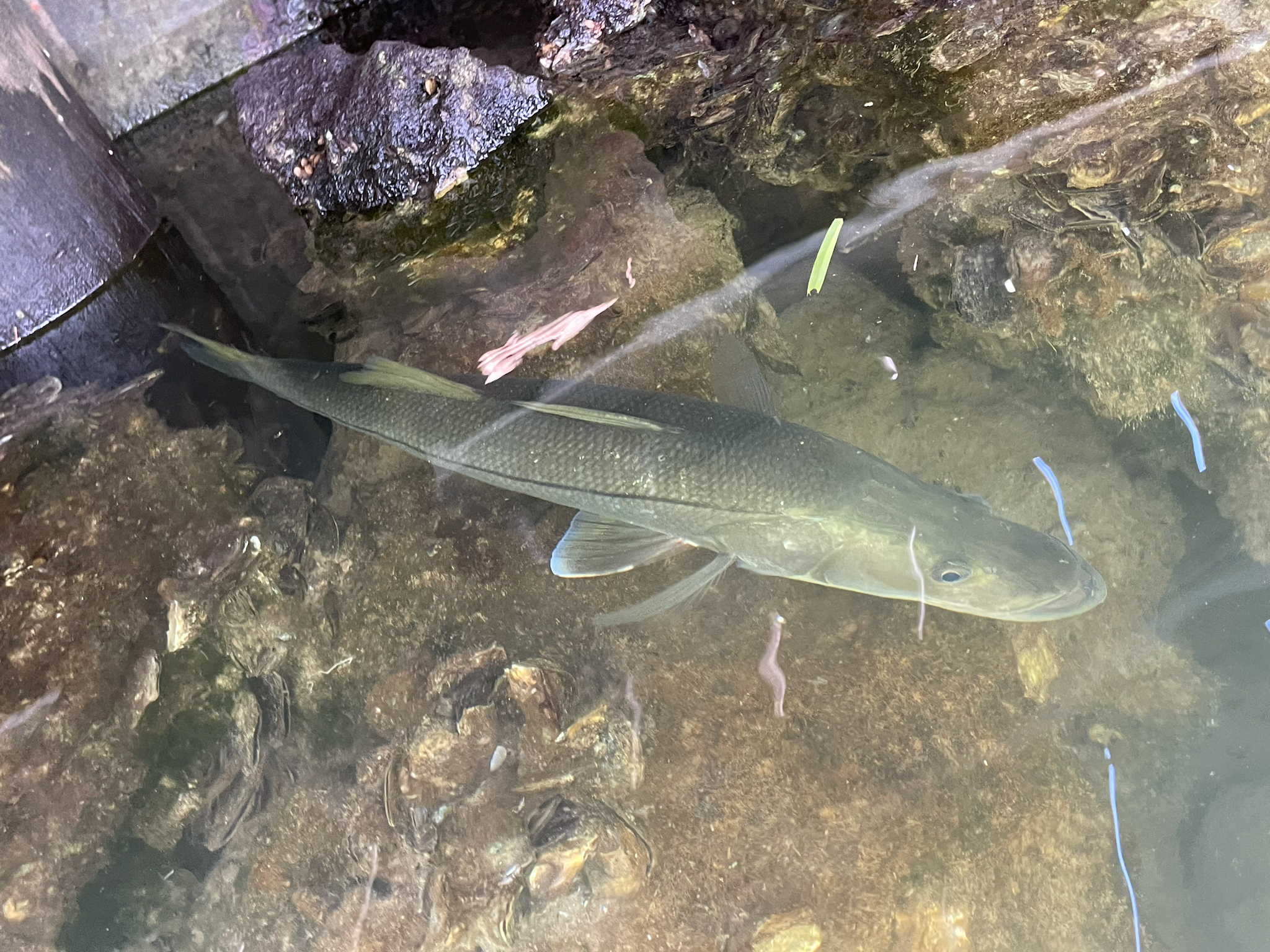

The snook is the inshore fish that turns anglers into fanatics. Sleek, silver, and built like a coiled spring, the "linesider" is a structure-loving ambush predator that inhales a bait and then rockets straight back into the mangrove roots or the bridge pilings to break you off, a fish that rewards the right gear, the right presentation, and quick reflexes. Snook are subtropical, cold-sensitive, and centered on Florida and the Gulf, where they've earned an almost cult following for their explosive strikes, hard runs, and clever wariness. Landing a big snook that tried its hardest to bury you in structure is one of inshore fishing's great satisfactions. This guide covers how snook hunt and where they hold, and every core technique, with step-by-step instruction, to catch them.
Ready to tangle with a linesider? Snook complete the "inshore slam", see our companion guides on how to catch redfish and how to catch spotted seatrout.
The Linesider
The common snook (Centropomus undecimalis) is unmistakable: a sleek, silvery body with a bold black lateral line running the full length of the fish (the "linesider" nickname), a sloping forehead, and a protruding, underslung lower jaw on a large bucket-like mouth. Two things to respect: the razor-sharp gill plate, which will slice through your line and your fingers, and their structure-diving habits, together they explain why snook anglers use heavy abrasion leaders.
Most snook run 20 to 32 inches (a few to several pounds); a fish over about 34 inches is a great snook, and the giants exceed 40 inches and 20-plus pounds. Besides the common snook, several smaller cousins (fat snook, tarpon snook, swordspine snook) share the range. Snook are a subtropical, warm-water fish found from Florida (both coasts) through the Gulf, the Caribbean, and south, and critically, they're very cold-sensitive, with hard winter freezes causing die-offs, which is why they don't range far north.
The Ultimate Ambush Predator
Snook are structure-oriented, current-driven ambush predators, and understanding this is the key to catching them. A snook tucks in behind or beside a piece of structure, a mangrove point, a dock piling, a bridge fender, a rock, facing into the current, and waits for the flow to sweep bait past, then rockets out to inhale it and dart back to cover. So you fish snook by presenting a bait that drifts naturally with the current, right past the ambush point, as if it were helpless prey.
Two more habits matter. Snook are light- and structure-shy and can be wary, so stealth and a natural presentation pay off. And they're heavily nocturnal feeders, especially around lights, dock lights and bridge lights at night are snook magnets, where fish stack in the shadow line and ambush bait drawn to the glow. Fish the current, the structure, the ambush points, and the night, and you're fishing the way snook actually hunt.
Where Snook Live
Snook relate to structure, current, and warmth. Target:
- Mangrove shorelines, the classic snook habitat, especially points, cuts, and overhangs with current.
- Docks, seawalls, and bridges, pilings and fenders that break current and offer ambush and shade; dock lights at night are prime.
- Passes and inlets, snook stack here, especially during the summer spawn, riding the tides.
- Beaches and the surf, in summer, snook cruise the beaches to spawn, offering sight-fishing in the trough.
- Jetties, rock piles, and creek mouths, current-swept structure that funnels bait.
The common thread is structure plus moving water plus an ambush point, find that combination and you've found snook.
The Techniques That Catch Snook
Snook eat live bait, lures, and flies presented near their ambush zones. Here are the core methods, how to fish each, and when to use it.
Live Bait, the surest path
Live bait presented naturally in the current is the most reliable way to catch snook, from schoolies to giants.
How to fish it: Free-line or lightly-weight a live pinfish, shrimp, mullet, or croaker up-current of a mangrove point, dock, or bridge, and let it drift naturally with the flow past the ambush point as if it's helpless prey. Use just enough weight to get it into the zone without killing the natural drift, and a heavy fluorocarbon leader to survive the gill plate and structure. When a snook eats and turns, come tight and immediately turn its head to pull it away from cover, the first two seconds decide whether you land it. Live bait fished in the current is snook fishing at its most productive.
How to Hook Pinfish for SnookJigs, work the current and structure
A jig is the workhorse artificial for snook, letting you probe current seams, bridge shadows, and pass edges effectively.
How to fish it: Cast a bucktail or soft-plastic jig (1/4 to 1 oz, matched to current and depth) up-current and let it swing and bounce naturally through the strike zone near structure, along bridge fenders, dock lines, and pass edges, keeping in contact as it sweeps past the ambush points. Snook often hit it on the swing or the fall. In heavy current at passes and bridges, a heavier jig gets down to the fish. It's a precise, effective way to fish the structure snook love.
Snook Jigging TechniquesTwitchbaits and Jerkbaits, mimic a fleeing baitfish
A darting twitchbait or jerkbait imitates a panicked baitfish perfectly and draws aggressive snook strikes around structure and along the mangroves.
How to fish it: Tie on a suspending twitchbait or jerkbait (a MirrOlure or a Rapala X-Rap), or a soft-plastic jerk shad, and work it with a twitch-twitch-pause cadence past mangrove points, dock lines, and current edges so it darts, flashes, and pauses like a wounded baitfish. Snook crush it on the move or the pause. Cast tight to the structure and be ready, the strike is violent and the fish will immediately head for cover. It's a fun, effective way to cover water and target ambush points.
How to Fish Twitchbaits for Snook and TroutTopwater, the explosive strike
Snook demolish topwater lures, and a big linesider blowing up on a walking bait at dawn or under the lights is a jolt of pure adrenaline.
How to fish it: Walk a topwater (a Heddon Spook or a Rapala Skitter Walk) along mangrove edges, over shallow flats, around dock lines, and near lights, with a steady "walk-the-dog" cadence, pausing near obvious ambush spots. Snook often boil on it several times before connecting, so keep it moving and wait to feel the fish before setting. Low light, dawn, dusk, and night, and warm water are prime. The visual, explosive surface strike of a snook is one of inshore fishing's biggest thrills.
How to Catch Big Snook on TopwaterDock Light Fishing at Night, the snook glow game
Snook gather under dock and bridge lights at night to ambush bait drawn to the glow, creating one of the most productive and exciting snook fisheries there is.
How to fish it: Approach a lit dock quietly (snook spook easily), and target the shadow line, snook sit in the dark just outside the light, facing up-current, and ambush bait that drifts through the glow. Cast a small jig, a soft plastic, a fly, or a live shrimp up-current and drift/swim it naturally through the light and along the shadow line. Match the size of the tiny baitfish (glass minnows, shrimp) the snook are keyed on. It's technical, visual, addictive night fishing, and it produces numbers of snook, and some giants.
Snook Fishing Dock Lights at NightBridges and Passes, the big-fish current game
Bridges and passes funnel current and bait and hold the biggest snook, especially at night and during the summer spawn, the domain of trophy linesiders.
How to fish it: Fish the up-current side and the shadow lines of bridge fenders and pilings, and the current edges and eddies of passes, with live bait or a jig drifted naturally through the ambush zone in the moving water. Big snook stack in these current-swept structure spots to intercept bait on the tides. Use heavy tackle, big snook in heavy current around barnacle-crusted structure demand it, and be ready to turn a giant immediately. It's how many of the largest snook are caught.
How to Fish a Bridge for Snook at NightFly Fishing, snook on the fly
Snook are a spectacular fly-rod target, around the mangroves, on the beaches, and especially under dock lights, they'll crush a well-presented baitfish fly.
How to fish it: With an 8- to 10-weight fly rod, cast a baitfish fly (a Clouser, an EP baitfish, or a small white streamer) to mangrove points, cruising beach snook, or the shadow line of a dock light, and strip it back to imitate a fleeing baitfish. Under lights, match the small glass-minnow forage and drift/strip the fly through the glow. Sight-casting a snook on the beach or picking one off a dock light on the fly is a bucket-list inshore experience, and a great way to hunt them.
How to Fly Fish for SnookTides and Seasons
Snook fishing revolves around tides, temperature, and the spawn. Moving water is essential, snook feed on the current, so the strong stages of the tide are prime, and night fishing around lights and bridges is often the most productive of all. Seasonally, late spring through summer is the peak, when snook gather in the passes, inlets, and beaches to spawn, a spectacular, concentrated fishery (note this coincides with seasonal harvest closures to protect spawners). In the cooler months, snook move into rivers, canals, and warm-water refuges, and on cold days they get sluggish; a hard winter freeze can shut them down or cause die-offs, so fish the warmest water in winter. Match the season and always fish the moving water and low light.
Beating a Structure-Diving Snook
Hooking a snook is often the easy part, landing one is where fish are won and lost, because a snook's entire escape strategy is to bolt back into the structure it ambushed from and cut you off. The fight is decided in the first two or three seconds.
The moment a snook eats and turns, come tight hard and immediately turn its head, pulling it away from the cover with strong side pressure, don't give it a chance to reach the mangrove roots, dock pilings, or bridge fenders. This is exactly why snook demand heavier tackle than their size suggests: you need the backbone and the drag to stop that first surge. Once you've turned the fish and gotten it into open water, ease off slightly and let it fight, but stay ready, snook make repeated bids for structure and often jump, so keep steady pressure and a bit of drag give. Around bridges and heavy structure, sometimes the move is to apply maximum pressure and not let the fish run at all, horsing it to the surface and away from the pilings.
Position matters too: when you can, fight the fish from an angle that pulls it away from cover rather than toward it, and if a snook does wrap you around a piling, sometimes going slack briefly lets it swim back out. Master that instant, decisive turn, and your snook landing rate, and your fun, go way up.
Gear for Snook
Snook gear must handle a fish that dives for structure and has a line-cutting gill plate:
- Spinning/casting combo: A 7- to 7-foot-6 medium-heavy inshore rod with a 3000–5000-size reel and a strong drag, enough backbone to turn a fish out of the mangroves or bridge pilings.
- Fly setup: An 8- to 10-weight fly rod with a saltwater reel and floating/intermediate line.
- Line and leader (critical): 15- to 30-lb braid with a heavy 30- to 50-lb fluorocarbon leader, the heavy leader is non-negotiable to survive the sharp gill plate and abrasive structure.
- Terminal tackle and lures: Jigs (bucktail and soft-plastic), suspending twitchbaits, a walking topwater, circle/live-bait hooks, plus baitfish flies, cover every technique above.
Respect the Slot and the Cold
Snook are a carefully managed, prized gamefish, with slot limits, seasonal harvest closures (including the summer spawn), and regional rules, in some areas and years they're catch-and-release only. Know and follow the current regulations exactly. Handle snook carefully: support them horizontally, keep them in the water when you can, avoid the sharp gill plate, and revive them before release, especially the big breeding females. And remember snook are cold-sensitive, after winter cold events, fisheries are often protected, so check the rules. Treat them right and the linesider fishing stays world-class.
Local Knowledge and the Linesider
Snook reward local knowledge, which mangrove points, docks, bridges, and lights are holding fish, on which tides and seasons, and where you can legally reach them. The presentations and the split-second hooksets that beat a structure-diving linesider come with time on the water, but knowing where to point the bow is half the battle. Use Guidepole to scout legal shoreline and water access, boat launches, and public land near the passes and mangrove systems you want to fish, and to check the tides and conditions before you go.