Fish
Fish Fire
Fire Hike
Hike Bird
Bird

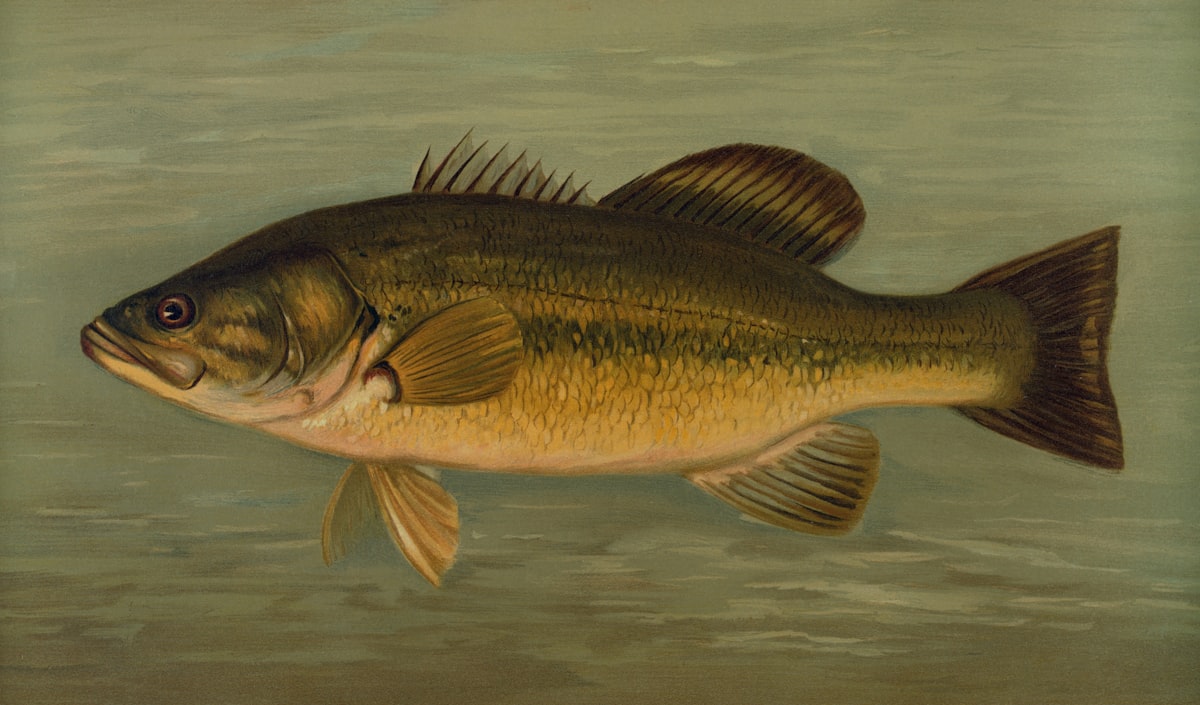

The largemouth bass is North America's most popular gamefish, and for good reason. It lives in nearly every state, thrives in everything from tiny farm ponds to sprawling reservoirs, strikes a lure with startling violence, and grows big enough to become a genuine trophy. Whether you're fishing a neighborhood lake from the bank or working offshore structure from a bass boat, largemouth are catchable all year with a handful of proven techniques. This guide covers everything you need to start catching them: what they are and how they behave, where and when to find them, and, most importantly, the core techniques, exactly how to rig each one, and the gear that gets it done.
What Is a Largemouth Bass?
The largemouth bass (Micropterus salmoides) is a member of the sunfish family, not a true "bass" in the scientific sense, it's a giant, predatory panfish. It's easily identified by its olive-green-to-dark-green body with a dark horizontal stripe (or blotches) running down each flank, and by the feature it's named for: a large mouth whose upper jaw extends past the rear edge of the eye, distinguishing it from its cousin the smallmouth bass, whose jaw ends under the eye.
Largemouth are ambush predators. They're cover-oriented and structure-oriented, they relate to weeds, wood, rock, docks, drop-offs, and any change in the bottom, using that cover to hide and then explode on prey. They eat almost anything they can fit in that big mouth: baitfish (shad, bluegill, shiners), crawfish, frogs, insects, and even small birds and mice. Adults commonly run 1 to 5 pounds; a fish over 5 pounds is a genuine trophy in most of the country, and in warm southern waters (Florida, Texas, California) largemouth can exceed 10 pounds, with the world record standing at a staggering 22 pounds 4 ounces.
Understanding Bass Behavior: The Key to Catching Them
Everything about catching largemouth flows from understanding two things: water temperature and cover. As cold-blooded predators, their metabolism and location are driven by temperature, which is why bass behavior follows a predictable seasonal rhythm.
- Spring (pre-spawn and spawn): As water warms into the 55–75°F range, bass move from deeper winter haunts into the shallows to feed heavily and then spawn on beds in protected, hard-bottom areas. This is prime time, bass are shallow, aggressive, and at their heaviest of the year.
- Summer (post-spawn): In the heat, bass either hold shallow in thick cover (weeds, lily pads, docks) or retreat to deeper, cooler, oxygen-rich structure (offshore humps, ledges, points in 12–25 feet). Early morning and late evening are the best windows, especially for topwater.
- Fall: Cooling water triggers a feeding frenzy as bass fatten up for winter, often chasing shad in the shallows and backs of coves. Baitfish-imitating lures shine.
- Winter: Bass go deep and lethargic. Slow down dramatically with compact baits and finesse presentations.
Learn to read the season, find the cover, and you're most of the way to a bass. Now for the techniques that put them in the boat.
Largemouth Bass Seasonal PatternsTechnique 1: The Texas Rig (the one every bass angler needs)
The Texas rig is the most important presentation in bass fishing, weedless, versatile, and deadly around exactly the cover largemouth love. It's the first technique every beginner should master, and pros still fish it daily.
How to rig it: Slide a bullet weight (1/8 to 1/2 ounce, heavier for thick cover or deeper water) onto your line, point first, so it sits against the nose of the bait. Tie on a worm hook (3/0 to 5/0 EWG or offset worm hook) with a Palomar or improved clinch knot. Now rig the soft plastic weedless: push the hook point into the very nose of the bait about 1/4 inch, thread it out, slide the plastic up over the hook eye, rotate the hook, and bury the point back into the body of the bait so it's flush (Texas-skin the point just under the surface). Done right, the hook point is hidden, so it slides through weeds and wood snag-free, but drives home on a hookset. For fishing the thickest cover, "peg" the weight to the bait with a bobber stopper so they stay together.
How to fish it: Cast to cover, let it sink to the bottom on a slack line (watch your line, many bites come on the fall), then work it slowly with lifts and drops of the rod tip, pausing on the bottom. When you feel a "tick," tap, or heaviness, reel down and set the hook hard. Best baits: a ribbon-tail or straight-tail worm, a creature bait, or a craw.
How to Fish a Texas Rig for BassTechnique 2: The Jig (big-bass bait)
A skirted jig is the go-to for bigger bass. It imitates a crawfish, comes through cover well, and consistently fools the largest fish in the lake.
How to rig it: A jig comes pre-tied, a lead or tungsten head, a weedguard, and a skirt on a stout hook. Just add a soft-plastic trailer (a craw or a chunk) onto the hook to add bulk, action, and a bigger profile: push the trailer onto the hook so it sits snug against the skirt. Match the trailer color to the skirt. Classic colors: black-and-blue in stained water, green pumpkin or brown in clear water. A 3/8-ounce jig is the all-around workhorse; go heavier (1/2–3/4 oz) to punch through matted vegetation or fish deep.
How to fish it: Flip and pitch it into heavy cover, laydowns, docks, grass edges, with short, accurate underhand casts, let it fall on a controlled line, and hop it slowly along the bottom. In spring, crawl it slowly for sluggish fish; in summer, swim it or work it faster. Most jig bites come on the fall, so stay tight to the line and set hard.
Flipping and Pitching a Jig for BassTechnique 3: The Wacky Rig and Ned Rig (finesse that always works)
When bass are pressured, cold, or just finicky, finesse presentations save the day, and they're the easiest for beginners to get bites on.
How to rig a wacky rig: Take a soft stick bait (a Senko-style worm) and simply hook it through the middle with a small wacky/octopus hook (1/0 to 2/0), so both ends dangle and quiver. That's it, no weight (or a small nail weight in one end to sink it faster). A wacky O-ring slipped over the bait's middle, with the hook run under the ring, dramatically extends bait life. Cast it near cover and let it sink on slack line, the subtle shimmy of both ends on the fall is irresistible, and most strikes come as it falls.
How to Rig and Fish a Wacky WormHow to rig a Ned rig: Thread a short, buoyant soft-plastic stick (about 2.5–3 inches, often a cut-down piece) onto a small mushroom-head jig (1/16 to 1/6 oz), pushing the head into the bait's nose so it sits straight. Cast it out, let it hit bottom (the buoyant tail stands up), and drag it slowly with tiny hops and long pauses. It looks like a feeding baitfish and catches bass anywhere, especially in tough conditions.
How to Rig and Fish a Ned RigTechnique 4: Topwater (the most exciting bite in fishing)
Nothing beats a largemouth blowing up on a topwater lure. It's a warm-water, low-light game, early morning, late evening, and overcast days from late spring through fall.
How to rig and fish it: Most topwaters (hollow-body frogs, walking baits/spooks, poppers, and buzzbaits) tie straight to the line, use a loop knot on hard baits for better action. Fish a frog over lily pads, matted grass, and slop, walking it across the surface and pausing in open pockets (wait for the fish to fully take it down before setting the hook, hard). Fish a walking bait over open water and around cover with a rhythmic "walk-the-dog" twitch. Fish a popper with sharp pops and pauses. When a bass explodes, don't set the hook until you feel the fish's weight.
How to Fish a Hollow-Body FrogTechnique 5: Moving Baits, Crankbaits and Spinnerbaits
To cover water and find active, feeding bass quickly, tie on a moving bait. These are cast-and-retrieve lures that trigger reaction strikes.
How to rig and fish them: A spinnerbait ties straight to the line and is nearly weedless, slow-roll it past cover, over grass, and around wood; the flashing blades imitate fleeing baitfish (great in stained water and wind). A crankbait also ties straight on (a loop knot helps its wobble); pick a squarebill to deflect off shallow wood and rock, or a deeper-diving crankbait to reach offshore structure, and retrieve steadily, letting it bang into cover to trigger strikes. A lipless crankbait and a chatterbait (bladed jig) round out the moving-bait arsenal and shine in fall when bass chase shad. These are the fastest way to locate fish across a new body of water.
How to Fish a Spinnerbait for BassTechnique 6: The Drop Shot and Carolina Rig (for deeper water)
When bass pull off the bank onto deeper structure, summer ledges, offshore humps, winter holes, two rigs excel at keeping a bait in the strike zone down there.
How to rig a drop shot: Tie a small drop-shot hook (1/0 to 2/0) onto your line about 12–18 inches up from the end using a Palomar knot, then pass the tag end back down through the top of the hook eye so the hook stands out horizontally from the line, point up. Attach a drop-shot weight (1/8 to 3/8 oz) to the tag end at the bottom. Nose-hook a finesse worm or minnow-style plastic through the head so it hovers off the bottom. Cast it out, let the weight hit bottom, keep a tight line, and gently shake the rod tip in place, the bait quivers seductively above the weight without moving off the spot. It's one of the most effective ways to catch pressured and deep fish.
How to Rig a Drop Shot for BassHow to rig a Carolina rig: Slide a 1/2 to 1-ounce egg or bullet weight onto your main line, followed by a bead, then tie on a barrel swivel. To the other end of the swivel, tie a leader of 12–24 inches of fluorocarbon and a worm hook, then Texas-rig a soft plastic (a lizard, creature, or worm) weedless on the hook. The heavy weight stays on the bottom while the leader lets the bait float and trail naturally behind. Cast it out and drag it slowly along bottom with the rod, pausing often, it's a superb way to cover deep flats, points, and drop-offs and find bass holding on structure.
How to Rig a Carolina RigWhere to Find Largemouth Bass
Wherever there's cover and prey, there are usually bass. Focus your casts on:
- Vegetation: weed edges, lily pads, hydrilla, and matted "slop", bass live here, especially in summer.
- Wood: laydown logs, brush piles, standing timber, and stumps.
- Docks and man-made cover: shade and structure bass hold under all day.
- Drop-offs and points: where shallow water meets deep, giving bass an ambush spot and quick access to depth.
- Grass lines and creek channels: highways bass use to move between shallow and deep.
If you're new to a lake, start with a moving bait to cover water, then slow down with a Texas rig or jig once you find where the fish are holding.
Gear: Rods, Reels, and Line
You can start with one versatile setup and expand as you learn the techniques:
- All-around baitcasting combo: A 7-foot, medium-heavy baitcasting rod with a quality reel (a Lew's Speed Spool or Shimano SLX is a great value) covers jigs, Texas rigs, spinnerbaits, and crankbaits.
- Finesse spinning combo: A 7-foot, medium spinning rod with a Shimano Stradic or Daiwa BG-class reel handles wacky rigs, Ned rigs, and drop shots.
- Line: Spool 15–20 lb fluorocarbon on the baitcaster for most techniques, braid (30–50 lb) with a fluorocarbon leader for frogs and heavy cover, and 8–10 lb fluorocarbon or braid-to-leader on the spinning setup for finesse.
- Terminal tackle and lures: A box of soft-plastic worms, craws, and creature baits (green pumpkin and black/blue), bullet weights, EWG worm hooks, a few 3/8-oz jigs, a spinnerbait, a squarebill crankbait, a hollow-body frog, and some stick baits. That covers every technique above.
When to Go and Time of Day
Largemouth can be caught year-round, but spring and fall are the best seasons, cooler water pulls bass shallow and feeding. In summer and warm weather, fish early morning and late evening (and after dark), when bass move shallow to feed and topwater comes alive; through the midday heat, target shade and deeper structure. On overcast, breezy days, bass often feed all day. Match your technique to the season: moving baits and topwater when bass are active and shallow; jigs and finesse rigs when they're deep, cold, or pressured.
Putting It All Together
The fastest way to catch more and bigger largemouth is to let the season set your plan: read the water temperature, find the cover and structure the bass are relating to, and pick the technique that matches their mood, moving baits and topwater when they're shallow and active, jigs and finesse rigs when they're deep, cold, or pressured. Start each trip with a moving bait to cover water and locate fish, then slow down with a Texas rig or jig once you find where they're holding. Take the time to learn to rig and fish each presentation hands-on, and keep a simple log of what worked, where, and under what conditions, those notes are what turn a new lake into home water and dramatically shorten your learning curve. Spending a day on the water with a local angler or guide who knows the lake can fast-track that process, but with the techniques above and a little time on the water, you'll be putting largemouth in the boat on your own.