Fish
Fish Fire
Fire Hike
Hike Bird
Bird

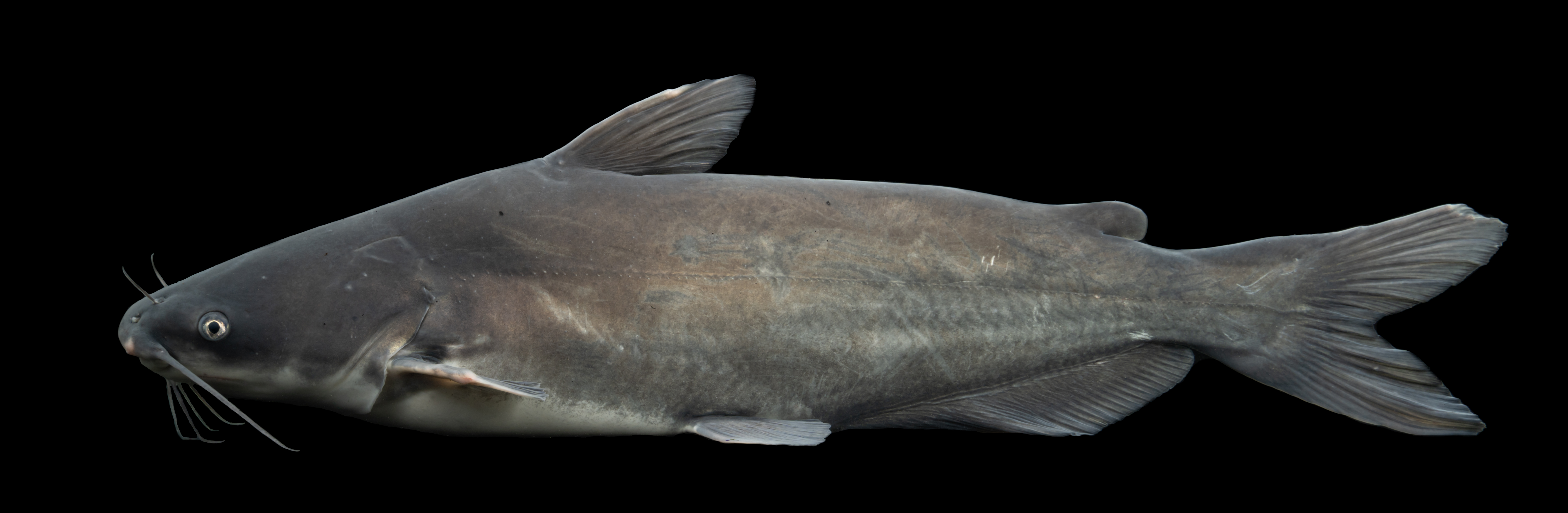

The blue catfish is the giant of North American fresh water, the biggest catfish on the continent, a fish that grows past 100 pounds and pulls like a runaway truck. Where the channel cat is the everyman's fish of ponds and creeks, the blue cat is the trophy hunter's obsession, roaming the big rivers and sprawling reservoirs, following schools of shad, and testing heavy tackle to its limit. Blues are also outstanding eating at smaller sizes and increasingly abundant (in some waters, invasively so). Catching them is a game of finding the fish and the bait they're following, then presenting fresh, meaty offerings on tackle stout enough to handle a fish that might weigh more than the angler. This guide covers how blue cats behave, where to find them, and every core technique, with step-by-step instruction, to hook a giant.
Ready to tangle with a true freshwater heavyweight? Read on for how blues behave, where they hold, and every core technique for putting one in the boat. For the rest of the family, see our guides on how to catch channel catfish and how to catch flathead catfish.
The Freshwater Giant
The blue catfish (Ictalurus furcatus) is built like a heavyweight: a slate-blue to gray body with no spots, a deeply forked tail, and, the surest identifier, a long, straight-edged anal fin with 30 to 35 rays (a channel cat's anal fin is shorter and rounded). Blues get enormous. Most caught fish run 3 to 20 pounds, a fish over 30 is a strong blue, trophies exceed 50 pounds, and the true giants of rivers like the Missouri, Mississippi, and the tidal James top 100 pounds, the largest freshwater sportfish many anglers will ever touch.
Blue cats are creatures of big water and current, main-river channels, tailraces below dams, and large reservoirs. They're both scavengers and active predators, and their lives revolve around one thing: shad. Blues follow and feed on schools of gizzard and threadfin shad and other baitfish, which is why the number-one blue cat bait is a chunk of fresh shad, and why finding the bait is the key to finding the fish. They tolerate a wide range of conditions, including brackish tidal water, which is part of why they've expanded so successfully.
Follow the Shad
To catch blue catfish consistently, remember this: find the shad, find the blues. Unlike channel cats that hold tight to specific holes, blue cats roam and follow the forage, and they'll be wherever the shad schools are, often suspended over deep channels, stacked on current-swept structure, or cruising flats adjacent to deep water. This is why electronics (side and down imaging) are such a huge advantage in trophy blue cat fishing: you're hunting both bait and fish across big water.
Blues use current to their advantage, positioning behind ledges, humps, channel edges, and other breaks where the flow concentrates food, and they roam more actively than other catfish, both day and night. Cold water actually turns on the biggest blues, some of the year's largest fish come in winter, when big blues stack in deep wintering holes and along channel edges. Read the water for current, structure, and depth changes near deep water, put your baits where the shad are, and you're in the game.
Bait: Fresh, Local, and Meaty
For blue catfish, fresh cut bait is king, and the fresher the better:
- Fresh shad, gizzard and threadfin shad are the top blue cat bait almost everywhere; catch them fresh with a cast net the day you fish.
- Skipjack herring and other local baitfish, oily, bloody baits blues love; skipjack is a trophy-blue favorite.
- Cut bluegill and other legal panfish where permitted, another proven, tough, scent-rich bait.
- Whole or half baitfish for the biggest fish, a big bait fends off small cats and tempts giants.
The theme is fresh and matching the local forage. Blues will take prepared and frozen baits, but nothing beats fresh-caught cut shad on the day. Learn to throw a cast net for shad, and you've unlocked the best blue cat bait there is.
The Techniques That Catch Blue Catfish
Blue cats are caught by presenting fresh cut bait where the fish and shad are, whether anchored, drifting, or bumping. Here are the core methods, how to fish each, and when to use it.
Anchoring on Structure with Cut Bait
Positioning on and around structure that holds blues and soaking fresh cut bait is a classic, deadly approach, especially in current and on known holes and ledges.
How to fish it: Anchor (or use spot-lock on your trolling motor) up-current of a ledge, hole, hump, or channel edge you've found fish or bait on, and fan out several rods with fresh cut shad on circle hooks and heavy sinkers to hold bottom in the current. Let the scent trail work, keep lines tight, and let a taking fish load the rod against the circle hook. Anchoring lets you saturate a specific high-percentage spot with bait, ideal when you've located concentrated fish.
How to Anchor Your Catfish Boat the Right WayDrift Fishing, the trophy blue cat method
Drift fishing, moving baits across flats, channels, and structure, is the dominant modern trophy blue cat technique because it covers water to find roaming, scattered giants.
How to fish it: Use a drift rig (a bottom-dragging rig or a float-and-weight "Santee"-style drift rig) with fresh cut bait, and let the wind or trolling motor move the boat slowly (about 0.3–0.8 mph, controlled with drift socks) across flats, channel edges, and the depths where you're marking fish and bait. Spread rods at different distances and depths, and when a blue eats, note the exact spot and depth. Drifting is how many of the biggest blues are caught, it puts baits in front of far more fish than sitting still.
Blue Catfish Drift Rig, How to Rig UpSuspend-Drifting with Planer Boards, reach suspended fish
Because blue cats so often suspend off the bottom following shad, suspend-drifting with planer boards presents baits up in the water column at the fish's level and spreads them away from the boat.
How to fish it: Rig baits to drift at a set depth (not on the bottom) and deploy them on planer boards that carry the lines out to the sides of the boat, covering a wide swath and reaching suspended fish that bottom rigs miss. Drift slowly over channels and flats where you mark suspended blues and bait. It's an advanced but devastating technique for the suspended trophy fish that dominate open-water reservoirs and big rivers.
Suspend-Drifting for Big Blue CatfishThe Santee Cooper Rig, float the bait off bottom
The Santee Cooper rig adds a small float above the hook to lift the bait off the bottom, keeping it visible and out of the mud and snags, a favorite for both drifting and anchoring.
How to fish it: Build a Santee rig: a no-roll or disc sinker on the main line above a swivel, then a leader with a peg float threaded on ahead of a circle hook. The float lifts the baited hook a few inches off the bottom so it stands in the current and stays out of debris, and gives it subtle action while drifting. Bait it with fresh cut shad and fish it anchored or on a slow drift. It's one of the most popular and effective blue cat rigs going.
How to Make the Santee Cooper RigBumping, working current from the boat
Bumping is a hands-on river technique for big blues in current, where you actively "bump" a heavy bait downstream along the bottom from a slowly moving boat.
How to fish it: Hold the rod, and with a heavy sinker and fresh cut bait, let the rig down to the bottom and lift-and-drop ("bump") it along the bottom as the boat slips downstream with the current, keeping in constant contact and feeling for the take. It's a mobile, engaged way to fish current-swept channels and holes in big rivers like the Missouri and Mississippi, letting you present bait to fish holding along the bottom over a long stretch. When you feel the distinctive thump, drop the tip and let the circle hook load.
Bumping for Blue Catfish in CurrentUsing Electronics to Find Them
Because blues roam and suspend, electronics are the trophy hunter's biggest edge, you're locating both bait schools and big fish before you ever bait a hook.
How to fish it: Use side imaging to scan channel edges, ledges, and flats for balls of shad and the arcs of big catfish holding near them, and down imaging / 2D sonar to check depth and see fish under the boat. Drop waypoints on bait and fish, then set up to anchor or drift through them. Learning to interpret your graph, distinguishing bait, big blues, and structure, shortcuts the search on big water enormously and is the hallmark of successful trophy blue cat anglers.
Finding Blue Catfish on SonarCatching and Cutting Fresh Shad
Since fresh cut shad is the single best blue cat bait, learning to catch and prepare your own is one of the most valuable skills in the game, and it's the difference between a slow day and a great one.
Catch it fresh with a cast net. Locate shad schools with your electronics or by eye (they often flip on the surface in creek arms, over flats, and around marinas early and late), and throw a cast net over them; a 6- to 8-foot net catches plenty for a trip. Keep the shad lively in an aerated tank or on ice, the fresher the bait, the more blood and scent it carries.
Cut it to maximize scent. Cut shad into chunks or big fillet strips so plenty of flesh, blood, and guts are exposed, and thread a piece onto your circle hook leaving the hook point exposed. Bigger baits (a big chunk, a head, or a half-shad) fend off small cats and appeal to trophy fish; smaller pieces produce faster action from eating-size blues. Refresh your bait regularly, a washed-out chunk that's lost its scent won't draw fish, so re-bait every 20 to 30 minutes with a fresh, bloody piece. Master fresh shad, and you've mastered the most important part of blue catfishing.
Tips for Using Cut Bait for CatfishWhen to Go
Blue cats bite year-round, and, unlike most fish, winter is a prime trophy season. As the water cools, big blues concentrate in deep wintering holes and along channel edges and feed on dying and vulnerable shad, so late fall through winter produces many of the year's biggest fish (for the dedicated, cold-weather angler). Spring pre-spawn and summer are also excellent, with warm-weather blues feeding actively in current and around structure, day and night. A shad die-off (from cold or from turbines below a dam) triggers a feeding frenzy. Match your season: deep channels and holes in the cold, current-swept structure and flats in the warm months.
Gear for Blue Catfish
Blue cat gear is heavy-duty, you may hook a fish bigger than you'd believe:
- Rod and reel: A 7-foot-6 to 8-foot heavy catfish rod with a strong baitcasting or conventional reel (often line-counter reels for controlling drift depth) built to fight big fish in current.
- Line: Heavy 40- to 80-lb monofilament or braided line.
- Terminal tackle: Large circle hooks (6/0–10/0), heavy no-roll/disc sinkers (3–8 oz), swivels, and peg floats for Santee rigs, plus drift socks and planer boards for drifting, cover every technique above.
- Bait tools: A cast net for catching fresh shad and a big landing net (or a plan for boat-side landing) for trophy fish.
Handle Giants with Care
Big blue catfish are old, valuable fish, and the trophy catfish community strongly favors catch-and-release for the giants (while keeping smaller "eater" blues, which are excellent on the table and, in invasive-range waters, good to harvest). A big blue can't be lifted by the jaw or held vertically without risking injury, support a large fish horizontally with two hands, one under the belly, keep it out of the water only briefly, and revive it before release. Watch the sharp pectoral and dorsal spines when handling any catfish. Treat the giants well, and the great blue cat fisheries will keep producing trophies for the next angler.
Hunt Your First Giant
Trophy blue catfishing has a real learning curve, reading big water, running electronics, catching fresh bait, and rigging heavy, but every piece of it is learnable, and none of it is out of reach for a determined angler. Start on a known blue cat river or reservoir, put in time with your electronics until you can tell a ball of shad from an arc of fish, get comfortable throwing a cast net for fresh bait, and pick a single technique, anchoring a good ledge or drifting a flat, to master before adding the others. Many anglers shortcut the curve by spending a day on the water with a seasoned local blue cat guide and then applying what they learn on their own. Put in the water time, keep fresh, bloody bait in front of roaming fish, and a giant blue is only a matter of time.