Fish
Fish Fire
Fire Hike
Hike Bird
Bird

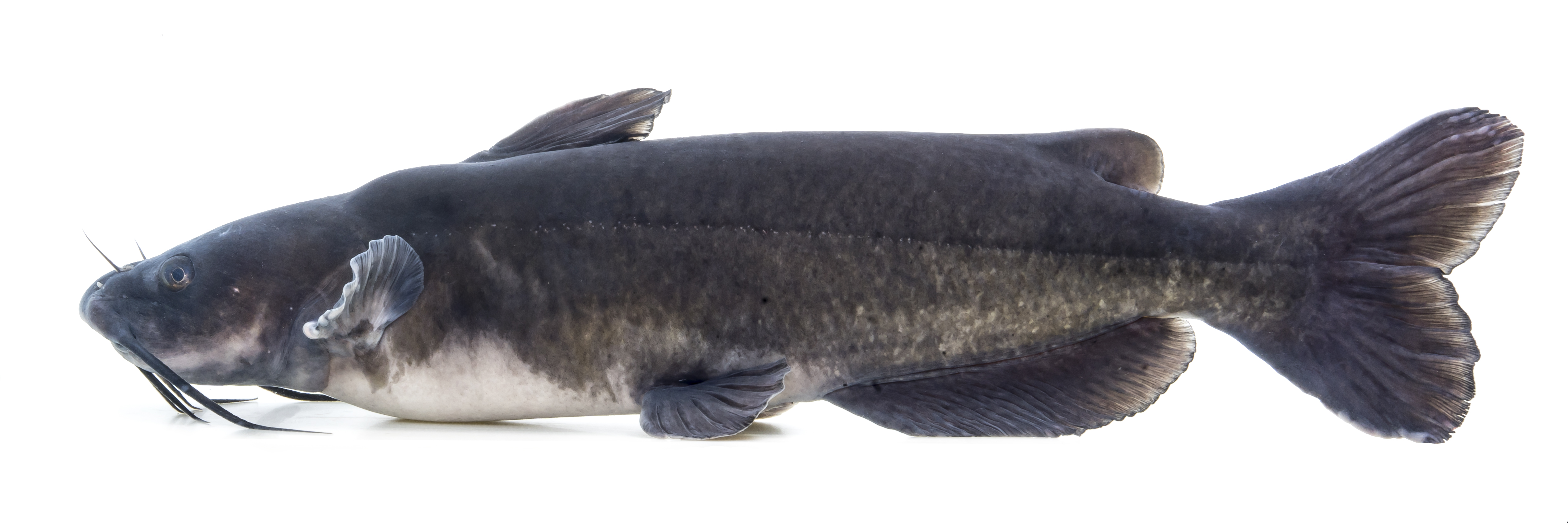

The channel catfish is America's catfish, the most popular, most widespread, and most accessible of the whiskered clan, swimming in nearly every river, lake, pond, and reservoir from coast to coast. Channel cats are the perfect fish for almost anyone: they're abundant, they grow to a satisfying size, they fight hard, they're excellent eating, and they'll eat a huge range of baits fished simply on the bottom. You can catch them from the bank with a lawn chair and a rod holder or from a boat drifting a flat, by day or (better) by night. Best of all, catfishing is refreshingly uncomplicated once you understand how these fish find food. This guide covers how channel cats hunt, the best baits, where to find them, and every core technique, with step-by-step instruction, to catch them.
Ready to bend a rod on some whiskerfish? For the bigger members of the family, see our guides on how to catch blue catfish and how to catch flathead catfish.
The Most Popular Catfish
The channel catfish (Ictalurus punctatus) is easy to identify: a slate-gray to olive body (often with dark spots on younger fish), a deeply forked tail, a rounded anal fin, and of course the four pairs of whisker-like barbels around its mouth. Don't fear the "whiskers", they don't sting; they're sensory organs. (The real business ends are the sharp spines in the pectoral and dorsal fins, more on handling below.)
Channel cats are the smallest of the "big three" catfish but still grow to a fine size: most run 1 to 8 pounds, a fish over 10 is a good one, and the giants top 30 pounds. They're astonishingly adaptable, thriving in warm rivers, big reservoirs, small lakes, and farm ponds across the entire continent, and they eat almost anything, fish (live and dead), crayfish, insects, worms, mussels, and plenty of things that would turn your stomach. That willingness to eat a wide range of baits, combined with their abundance, is exactly why they're the perfect fish to catch.
Smell and Taste: How Catfish Hunt
To catch channel cats consistently, understand how they find food: they hunt primarily by smell and taste, not sight. A catfish is essentially a swimming tongue, its barbels and its entire skin are covered in taste buds, and it has an extraordinary sense of smell. This is why scent is everything in catfishing, and why catfish feed so well in murky water, low light, and after dark, when their scent-tracking gives them a huge advantage over prey.
Two practical takeaways follow. First, your bait's smell matters more than its looks, a stinky, scent-leaking bait draws cats from a distance. Second, current and time of day matter: cats use current to carry scent to them (so they stack below riffles, in seams, and around structure that concentrates flow), and they roam and feed most actively at dusk, through the night, and on overcast, warm days. Fish smelly baits, in the right spots, at the right times, and channel cats are very catchable.
Where Channel Cats Live
Channel catfish relate to cover, structure, and current. Focus on:
- Deep holes and holes below riffles or dams in rivers, classic daytime catfish lairs where fish rest and current delivers food.
- Current seams, eddies, and the edges of the flow, where cats hold out of the main current and ambush drifting food.
- Cover, logjams, laydowns, undercut banks, rock piles, and any structure that breaks the current or offers shelter.
- Flats and shallows at night, where cats roam out to feed after dark.
- In lakes and ponds, the deeper basins and channels by day, moving shallow to flats, points, and cover to feed in low light and after dark.
Tailraces below dams are catfish magnets, and any spot that concentrates current and food will hold channel cats.
Baits: The Heart of Catfishing
Because channel cats hunt by scent and eat everything, bait selection is the core of the game. The proven options:
- Prepared "stink" or dip baits, commercial scent baits (dough, sponge, or tube baits) designed to leak scent; deadly on numbers of eating-size channel cats.
- Cut bait, chunks of oily baitfish (shad, skipjack, bluegill, herring); the scent and blood pull in bigger channel cats.
- Nightcrawlers and worms, a universal catfish bait, especially for smaller and mid-size fish.
- Live bait, small live baitfish and bluegill (where legal) for bigger cats.
- "Classics", chicken liver, shrimp, hot dogs, and even soap have all caught channel cats, a testament to their indiscriminate appetite.
Match the bait to your goal: stink baits and worms for fast action and numbers, cut and live bait for bigger fish.
The Techniques That Catch Channel Catfish
Channel cats are caught by presenting scented bait on or near the bottom. Here are the core methods, how to fish each, and when to use it.
The Bottom (Slip-Sinker) Rig, the catfishing foundation
The slip-sinker (Carolina) bottom rig is the workhorse of catfishing, it lets a cat pick up the bait and move off without feeling the weight.
How to fish it: Slide an egg or no-roll sinker (1/2 to 3 oz, matched to current) onto your main line, add a bead, then tie on a barrel swivel. To the other end add a 12- to 24-inch leader and a circle hook (2/0 to 5/0). Bait it, cast it out to a hole, seam, or flat, put the rod in a holder with a little slack or a tight line, and watch the tip. When a cat takes it and loads the rod, don't jerk, just reel steadily and let the circle hook find the corner of the mouth. It's simple, effective, and the default catfish rig everywhere.
Slip-Sinker Rigs for CatfishPrepared Dip and Stink Baits, numbers of eating cats
For fast action on eating-size channel cats, nothing beats a prepared dip or stink bait, a scent-packed bait designed to draw cats from a distance.
How to fish it: Use a dip-bait worm, tube, or sponge hook (a ribbed plastic lure that holds the bait), push or dip it into the thick, smelly dip bait so it's loaded, and fish it on a bottom rig in current or around cover. The bait leaks a scent trail that pulls channel cats right to it. Refresh the bait every 15–20 minutes to keep the scent strong. It's a mess, and it's magic, dip baits are the fastest way to catch a mess of channel cats.
How to Use Dip Bait for CatfishCut Bait, for bigger channel cats
When you want bigger channel cats, cut bait, chunks of oily baitfish, outproduces prepared baits, its blood and scent drawing the larger, more predatory fish.
How to fish it: Cut a fresh shad, skipjack, bluegill, or herring into chunks or fillet strips, and hook a piece on a circle hook on your bottom rig so plenty of cut surface leaks scent. Fish it on the bottom in holes, seams, and below current breaks. Fresh, oily cut bait is the top choice of serious catfish anglers targeting quality channel cats and is deadly drifted or still-fished. Bigger baits tend to draw bigger fish.
Tips for Using Cut Bait for CatfishNightcrawlers, the universal catfish bait
A gob of nightcrawlers is a classic, reliable channel cat bait, cheap, easy, and effective for anglers of all levels.
How to fish it: Thread a big gob of nightcrawlers onto a hook (a bait-holder or circle hook) so it's a juicy, scent-leaking bundle, and fish it on a bottom rig or under a float near cover, current seams, and holes. Worms catch channel cats everywhere and are a perfect bait for a beginner or a kid, though they also attract smaller fish and bait-stealers, so re-bait often. It's the simplest way to start catching channel cats.
Catching Channel Catfish on NightcrawlersDrift Fishing, cover water to find scattered cats
Drift fishing slowly moves your baits across flats and channels to find scattered, roaming channel cats, especially in lakes and reservoirs.
How to fish it: Using a drift rig (a bottom rig or a float-and-weight setup that keeps bait just off the bottom), let the wind or trolling motor move the boat slowly across flats, points, and channel edges, dragging baited hooks along the bottom. It covers water to locate active fish, and when you get bit, you can anchor and work that area. Drifting cut bait or worms is a productive way to catch channel cats spread out over big, featureless-looking water.
Drift Fishing for CatfishSlip Float Rig, suspend bait off the bottom
A slip float suspends bait at a set depth off the bottom, great for fishing over snaggy bottom, around cover, and in current where you want the bait drifting at a controlled depth.
How to fish it: Rig a slip float with a bobber stop set to the depth you want, a weight, and a circle or bait-holder hook with cut bait, worms, or a live bait. Cast it to a current seam, a hole, or a piece of cover, and let it drift or hold at depth, the float shows the bite and keeps your bait out of snags. It's an especially effective way to present bait in current below dams and along cover-lined banks.
How to Rig a Catfish Slip BobberJug Fishing and Set Lines, cover a lot of water
Where legal, jug fishing (free-floating or anchored baited jugs) and set lines (trotlines, limb lines) let you present many baits over a large area at once, a fun, effective, and traditional way to catch catfish.
How to fish it: Rig several jugs (foam or bottle floats) each with a dropline, weight, and baited hook, and set them out to drift across a flat or channel (or anchor them), then follow and check them, resetting on the fish. Trotlines and limb lines work similarly along a bank or across a cove. Always know and follow your state's regulations, tagging, and gear rules, and check lines frequently for the fish's sake. It's an old-school, productive way to catch a lot of channel cats.
How to Jug Fish for CatfishWhen to Go
Channel cats can be caught year-round, but warm water and low light are prime. Summer is the classic catfish season, especially the dusk-to-dark and overnight hours when cats roam and feed hard, a warm summer night on the bank is peak catfishing. Late spring pre-spawn is excellent as cats feed up, and cats also bite well below dams and in current during the day. Fishing is often best after a warm rain that pushes food and stains the water. In colder months, cats hold in deeper holes and bite slower and mostly in the warmest part of the day. Muddy, rising water and warm nights are a catfish angler's friend, a stable, warm night after a summer rain, fished with fresh scented bait in a good hole or current seam, is about as close to a sure thing as catfishing gets.
Gear for Channel Catfish
Channel cat gear is sturdy and simple:
- All-around combo: A 7- to 7-foot-6 medium-heavy rod with a baitcasting or spinning reel handles most channel cat fishing and has the backbone for a good fish and heavy cover.
- Line: 15- to 30-lb monofilament or braided line, enough to pull a good cat out of current and cover.
- Terminal tackle: Circle hooks (2/0–5/0), egg and no-roll sinkers, barrel swivels, bead, slip floats, and dip-bait holders, plus a rod holder and a bait knife for cut bait, cover every technique above.
- Bait: Prepared dip bait, fresh cut bait, nightcrawlers, and live bait as available.
Handle Catfish Safely
Channel cats don't sting with their whiskers, but they do have sharp, stiff spines at the front of the pectoral (side) fins and the dorsal (top) fin that can deliver a painful puncture. To handle one safely, grip it from behind the pectoral fins with your hand over the back, keeping your palm behind the dorsal spine and your fingers clear of the pectoral spines, or use a lip grip or a towel. A puncture from a channel cat, while not venomous, hurts and can get infected, so handle them deliberately. With a safe grip, unhooking and releasing (or keeping a few for the pan) is easy.
Get on the Whiskerfish
Channel cats are one of the easiest fish to get started on, which is exactly why they're such a great target for families and beginners. The keys are the same on almost any water: find the holes, flats, and current spots that hold them, fish a scented bait on or near the bottom, and go when the water is warm and the light is low. Scout a tailrace, a deep river hole, or a lake flat near cover, set out fresh dip bait or cut bait, and you can be into fast action quickly. Learn a few good spots on your home water, and confirm access and current regulations before you go, and channel catfishing becomes about as reliable and high-catch as fishing gets.