Fish
Fish Fire
Fire Hike
Hike Bird
Bird

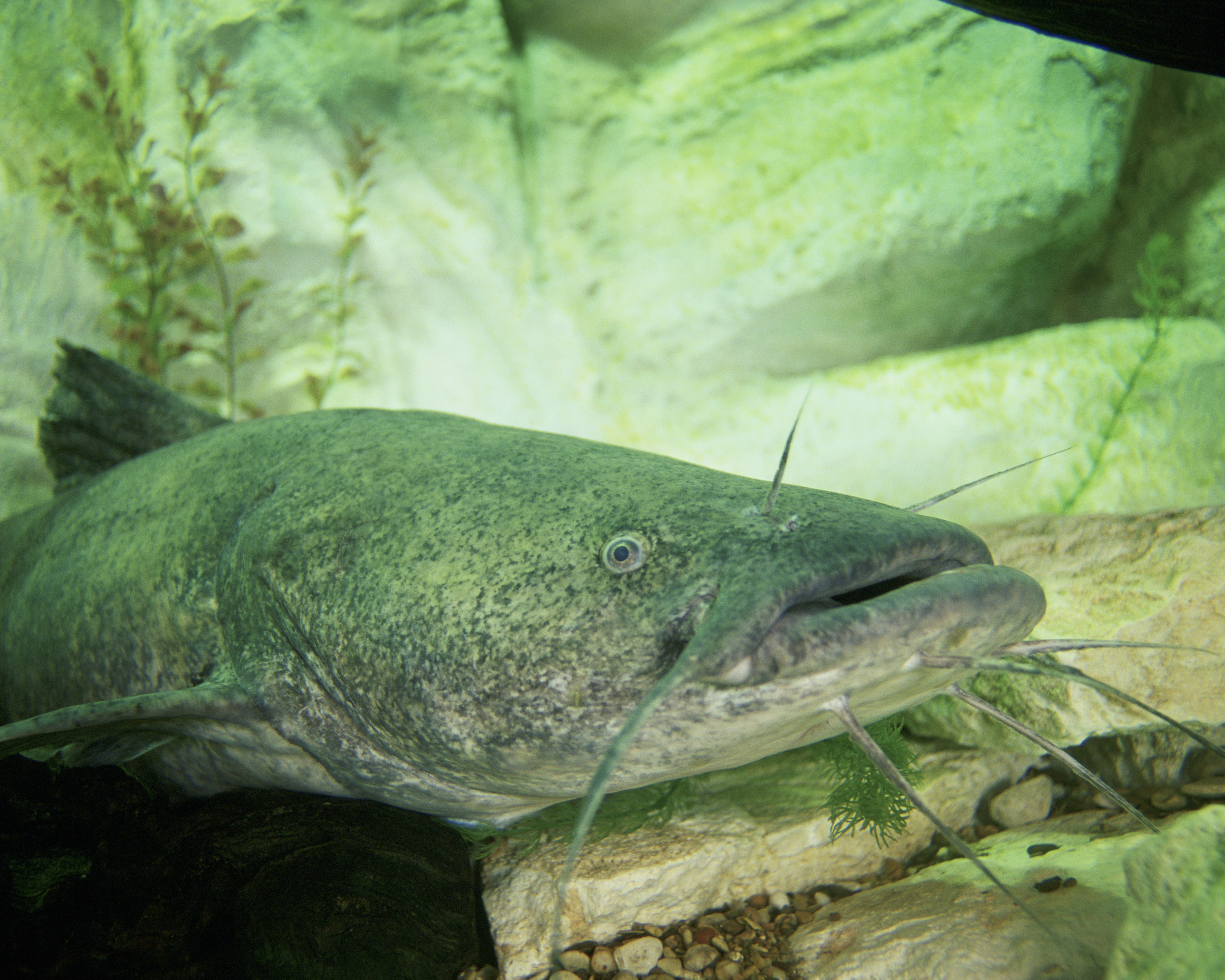

The flathead catfish is the odd one out in the catfish family, and a genuine trophy predator. While channel and blue cats scavenge and follow their noses to cut bait and stink bait, the flathead is a living-prey hunter that mostly wants its meals alive, kicking, and fresh. Flatheads are big, powerful, solitary fish that spend their days buried in the darkest, snaggiest cover a river or lake offers, then prowl at night to ambush live baitfish. Catching one, especially a big one, is a distinct game with its own rules: the right live bait, fished in the right nasty cover, at the right time. Do it correctly and you can hook a fish over 50 pounds that fights like a bulldog trying to drag you into the logjam. This guide covers how flatheads live, where they hide, and every core technique, with step-by-step instruction, to catch them.
Ready to pull a big "yellow cat" out of the timber? Read on for how flatheads live, where they hide, and every core technique to catch them. For the rest of the family, see our guides on how to catch channel catfish and how to catch blue catfish.
The Predator of the Catfish World
The flathead catfish (Pylodictis olivaris), also called the "yellow cat," "mud cat," or "shovelhead", is easy to tell from its cousins: a broad, flattened head, a protruding lower jaw (the lower jaw sticks out past the upper), small eyes, a mottled yellow-brown to olive body, and a squared-off or slightly notched tail (not deeply forked like a channel or blue). It's built like an ambush predator, and it is one.
Flatheads grow big and live long. Most caught fish run 5 to 20 pounds, a fish over 30 is a strong flathead, trophies exceed 50 pounds, and the giants top 100. They're found in the large rivers and reservoirs of the central and eastern U.S., and they've been introduced (often problematically) to waters well beyond their native range. Crucially, flatheads are solitary, unlike schooling blues or roaming channel cats, a big flathead is a loner that claims a prime piece of cover and defends its territory, which shapes exactly how you fish for them.
Why Flatheads Are Different
Understand this one fact and you'll catch flatheads: they eat live prey, not carrion. A flathead's diet is overwhelmingly live fish, sunfish, shad, suckers, other catfish, and whatever swims near its lair, which it ambushes as a predator. This is the opposite of the blue and channel cat game of soaking smelly cut bait.
Two things follow. First, use live bait. A lively, struggling baitfish, sending out distress vibrations, is what draws and triggers a flathead; fresh cut bait catches far fewer flatheads and stink bait almost none. Second, flatheads are nocturnal ambushers tied to cover. They spend daylight hours holed up in heavy cover and become active hunters after dark, moving to the edges of their cover and onto adjacent flats to feed at night. Fish live bait, in and around heavy cover, at night, and you're fishing the way flatheads actually feed.
Where Flatheads Lair
Flatheads relate to the heaviest cover and deepest wood in a body of water, each big fish claims a lair. Target:
- Logjams, laydowns, root wads, and submerged timber, the classic flathead home, the nastier the better.
- Deep holes with wood or rock, especially in the outside bends of rivers.
- Undercut banks and cavities that give a big fish a dark place to hide.
- Below dams and around bridge structure in current.
- At night, the edges of that cover and adjacent shallow flats and current seams, where flatheads move out to hunt.
The rule: find the gnarliest, woodiest, deepest cover in a stretch, and there's likely a flathead calling it home. Fish tight to the cover, a flathead won't travel far from its lair to eat, especially in daylight.
Bait: Live and Lively
For flatheads, live bait is king, and the liveliness matters as much as the choice:
- Live sunfish (bluegill, green sunfish), the premier flathead bait almost everywhere, tough and lively (check regulations; use legal baitfish).
- Live shad, suckers, and other baitfish, big, lively baits for big fish.
- Big baits for big flatheads, a hand-sized live bluegill won't be too big for a trophy, and a bigger bait discourages small fish.
- Fresh (or cut) bait works occasionally, especially for smaller flatheads, but it's a distant second to lively live bait.
Keep your bait alive and kicking in an aerated bucket, and hook it so it stays lively (see below). A struggling baitfish is a ringing dinner bell to a nearby flathead.
The Techniques That Catch Flathead Catfish
Flatheads are caught by presenting lively live bait in and around their cover. Here are the core methods, how to fish each, and when to use it.
Live Bait on the Bottom, the core technique
The foundation of flathead fishing is a lively live baitfish fished on or near the bottom, right next to heavy cover.
How to fish it: On a bottom rig, often a heavy sinker (fixed or sliding) and a stout circle hook (7/0 to 10/0), hook a live sunfish or shad and present it tight to a logjam, hole, or piece of timber where a flathead lairs. Keep the bait lively and let it swim near the cover. Fish a tight line or a rod in a holder with the clicker on, and when a flathead takes it and loads the rod, let the circle hook do the work and turn the fish's head immediately to keep it out of the snag. This is how most flatheads are caught.
How to Catch Flathead Catfish with Live BaitFishing the Snags and Cover, go where they live
Because flatheads hold in the nastiest cover, catching them means fishing right in the snags, and being ready to muscle a big fish out fast.
How to fish it: Position your bait as close to the logjam, timber, or root wad as you dare, even casting into the edges of it, and use heavy tackle and line so you can turn a hooked fish before it wraps you in the wood. The moment a flathead bites, apply hard, immediate pressure to pull it away from the cover, the first few seconds decide whether you land it or lose it. It's high-risk, high-reward fishing, but the snags are where the big flatheads are, so that's where you have to fish.
Fishing the Snags for Flathead CatfishLive Bait Under a Float, present it in the strike zone
A float rig suspends a lively baitfish at a set depth and lets you drift it naturally into cover and current seams without snagging bottom.
How to fish it: Rig a float (fixed or slip) above a leader and a circle hook with a live baitfish, setting the depth so the bait rides near the bottom or at the level of the cover. Drift or position it alongside logjams, undercut banks, and current seams, letting the live bait struggle enticingly in the strike zone. The float keeps the bait out of the worst snags, shows the take, and lets you cover the edges of a flathead's lair, a great way to fish current and wood without constantly hanging up.
Flathead Float Setup for Live BaitHooking Your Live Bait Right, keep it kicking
Because a flathead is drawn by a struggling, lively bait, how you hook your baitfish matters a lot, do it so the bait stays alive and swims naturally.
How to fish it: Hook a live sunfish or shad in a spot that keeps it lively and lets it swim: through the back (in front of the dorsal fin, avoiding the spine), through the lips or nostrils, or in the tail. Use a sharp, strong hook and handle the bait gently and quickly to keep it fresh. A vigorously swimming baitfish sends out the vibrations and distress signals that pull a flathead out of its lair, a dead or listless bait catches a fraction as many. Match the hook size to the bait so it can still swim freely.
How to Hook Live Bluegill for CatfishBank Fishing at Night, flathead prime time
Flatheads feed most actively after dark, and bank fishing at night is a classic, effective, and accessible way to catch them, no boat required.
How to fish it: Set up on the bank near known flathead cover, a deep hole with wood, a logjam-lined bend, the tailrace below a dam, and fish live bait on the bottom with rods in sturdy holders, clickers on, after sunset into the night. Flatheads leave their daytime lairs to hunt the edges and flats after dark, so a bait fished near that cover at night is in the right place at the right time. Bring a headlamp, a comfortable chair, and patience, the biggest bite often comes in the dead of night.
Night Fishing for Flathead Catfish from the BankLimb Lines and Trotlines, set lines for flatheads
Where legal, limb lines, trotlines, and jugs baited with live fish are a traditional and highly effective way to catch flatheads while you sleep or fish other rods.
How to fish it: Tie a limb line (a line with a big hook and live bait) to a springy overhanging branch near flathead cover, or set a trotline across a hole or along a bank with multiple baited hooks, using lively baitfish. The give of the branch or line tires the fish, and the live bait draws flatheads prowling at night. Check your state's regulations, hook and tagging rules, and check lines frequently for the fish's sake. It's an old-school, productive method deeply tied to flathead fishing tradition.
How to Set Limb Lines for CatfishFinding Flathead Lairs in Rivers
Since a flathead won't come to you, finding its lair is half the battle, especially in rivers.
How to fish it: Read the river for the deepest holes with the heaviest wood, the outside bends, the log-choked holes, the timber below current breaks, and the deep water around bridge and dam structure. Use your electronics (or your eyes and knowledge of the river) to locate the deep cover, and target one likely lair after another with live bait, giving each spot time before moving on. A single prime piece of cover may hold one big flathead; work a series of them, and you'll find the fish. Learning to identify flathead lairs is the skill that separates consistent flathead anglers from the rest.
Where to Find Flathead Catfish in RiversWhen to Go
Flatheads are warm-water predators, and summer is prime. Through the warm months, especially the dusk-into-night hours, flatheads feed aggressively, and warm summer nights fished with live bait near cover are peak flathead time. Late spring pre-spawn is excellent as fish feed up, and the bite stays good into early fall. In cold water, flatheads become very inactive, they hole up in deep cover and barely feed through winter, making the cold months by far the toughest time to catch one. Focus your flathead fishing on warm water and the night, and you'll be fishing when these predators actually hunt.
Gear for Flathead Catfish
Flathead gear is heavy, you're pulling powerful fish out of wood:
- Rod and reel: A 7- to 8-foot heavy or extra-heavy catfish rod with a strong baitcasting or conventional reel and a good drag, built to turn a big fish away from cover.
- Line: 50- to 80-lb abrasion-resistant monofilament or braided line, you're fishing in wood, so heavy, tough line is essential.
- Terminal tackle: Strong circle hooks (7/0–10/0), heavy sinkers, and floats, plus sturdy rod holders for bank fishing and set-line gear where legal.
- Bait tools: A trap, cast net, or hook-and-line to catch live sunfish and baitfish, and an aerated bucket to keep them lively.
Handle the Giants with Care
Big flatheads are old, territorial fish that anchor a stretch of river, and many anglers release the giants (keeping smaller flatheads, which are excellent eating) to preserve the fishery, though in waters where flatheads are invasive, harvest may be encouraged, so know your local situation. To handle a big flathead, support it horizontally with two hands (never hold a large fish vertically by the jaw), and watch the sharp pectoral and dorsal spines. Some anglers "lip" flatheads by gripping the lower jaw, which is doable but be mindful of their raspy tooth pads and always support the body. Minimize air time and revive a big fish before release.
Find the Lair, Catch the Fish
Flathead fishing rewards river knowledge, knowing which holes and logjams hold big fish, how to rig for cover, and how to keep and present live bait. Scout a stretch for its deepest, woodiest cover, keep a bucket of lively sunfish, fish tight to the snags after dark, and be ready to turn a big fish the instant it bites. Put in the time learning to read a river for flathead lairs, and you'll connect with a true trophy "yellow cat."