Fish
Fish Fire
Fire Hike
Hike Bird
Bird

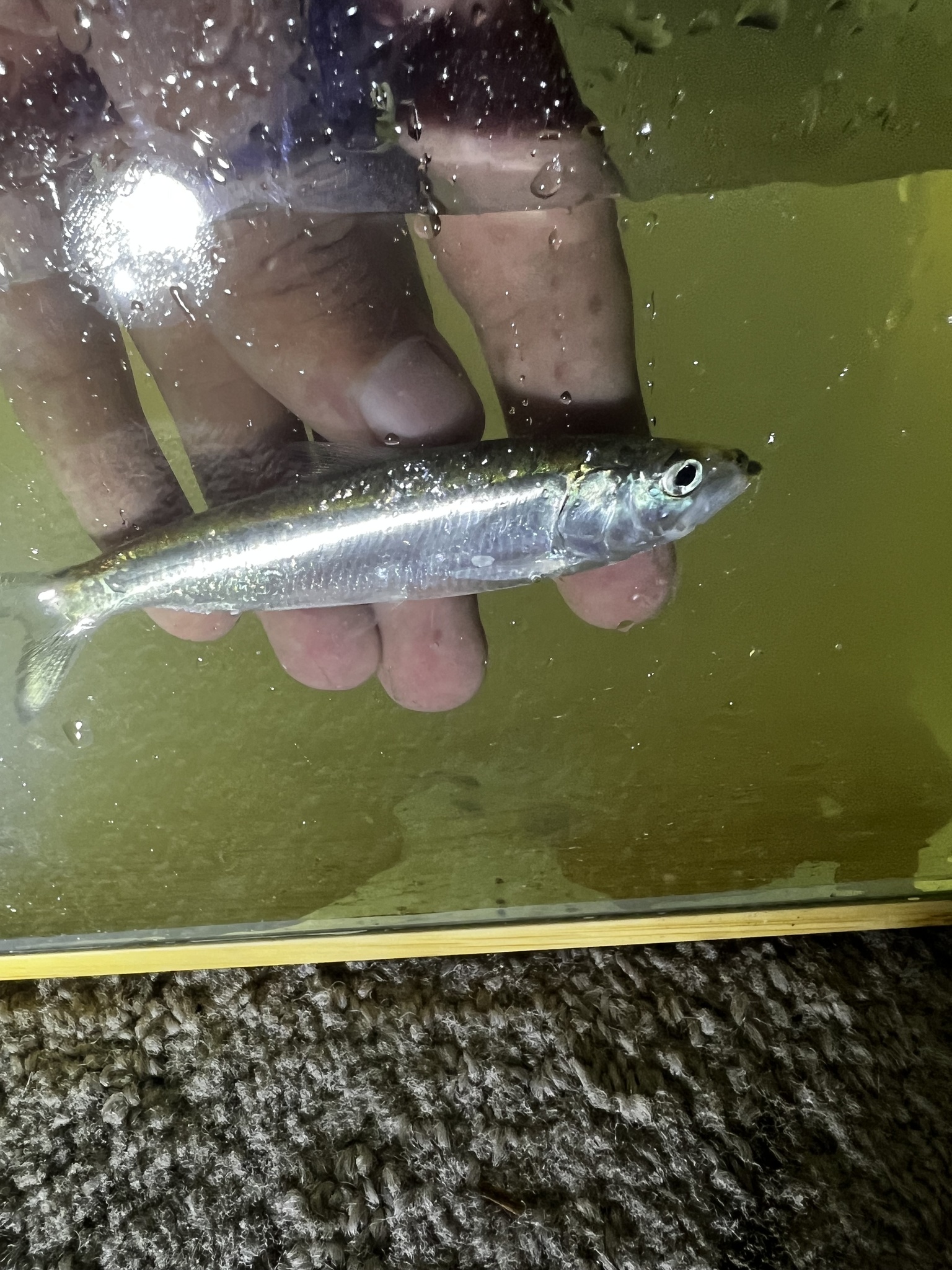

The skipjack herring is a delightful surprise for anglers who discover it, a slim, chrome-bright, lightning-fast little predator that swarms the churning water below dams, slashes at tiny spoons and jigs, and leaps and skips across the surface (hence the name). Unlike its plankton-eating shad cousins, the skipjack is a true predator that chases small baitfish, which means, wonderfully, you can catch it on rod and reel with lures. On light tackle it's a pure blast: fast, aggressive, acrobatic, and often caught in fast-and-furious numbers.
Skipjack pull double duty. They're genuinely fun light-tackle sport, and they're also the premier cut bait for trophy catfish, big blue cats in particular are addicted to fresh, oily skipjack. So learning to catch them serves two purposes: a fun fishery in its own right, and a way to stock the cooler with the best catfish bait there is. This guide covers everything: the best lures (tiny spoons and jigs), sabiki rigs, tailwater tactics, fly fishing, using skipjack as bait, and where and when to find them.
How to Catch Skipjack Herring (the Best Catfish Bait)Meet the Skipjack Herring
The skipjack herring (Alosa chrysochloris), also called skipjack, river herring, blue herring, or golden shad, is a slender, elongated, bright silvery member of the herring family with a bluish-green back, a golden sheen, a deeply forked tail, and a distinctly protruding lower jaw that gives away its predatory habits. Unlike the deep-bodied gizzard shad, the skipjack is torpedo-shaped and built for speed.
Key facts:
- Size: commonly 10-16 inches and up to a pound or so; a big one nears 2 pounds. Small, but scrappy and fast.
- A true predator: unlike plankton-eating shad, skipjack actively hunt small baitfish and insects, chasing and slashing at them near the surface, which is exactly why they hammer small lures.
- Fast and acrobatic: they're famous for their speed and for skipping and leaping across the surface when chasing bait or hooked, the source of their name.
- Habitat: large rivers and their tailwaters, especially fast, current-swept water below dams. They school and follow baitfish.
- Range: the Mississippi River basin and Gulf drainages broadly, the Mississippi, Ohio, Tennessee, Missouri, and their tributaries, across the central and southern US.
That predatory nature is the key: because skipjack chase and eat small fish, they'll smash a tiny flashy lure, making them a rare baitfish-sized herring you can actually catch on hook and line.
Tiny Spoons: The Go-To Lure
The classic skipjack lure is a small, flashy spoon, a little chrome or gold casting spoon (like a small Bink's spoon, Kastmaster, or similar) that imitates a fleeing minnow. Skipjack crush them.
Spoon Fishing for Skipjack Herring for BaitHow to fish spoons:
- Lure: small spoons in the 1/8 to 1/2 oz range, chrome/silver or gold, are ideal, bright and flashy to trigger the chase.
- Presentation: cast into the current below a dam or into a school and retrieve with a steady-to-erratic pace, or let it flutter and rip it back. Vary depth and speed until you find the fish.
- Fast and reactive: skipjack hit hard and fast; expect aggressive, jolting strikes and a lively, jumping fight on light gear.
A small flashy spoon fished in tailwater current is the number-one skipjack producer.
Jigs, Sabikis, and Multi-Lure Rigs
Small jigs (marabou, hair, or curly-tail grubs on light jigheads) and flashy tube jigs are also deadly, and a hugely popular approach is a multi-lure rig, several small jigs or flies in tandem (like a sabiki or a homemade "skipjack rig") that lets you hook several fish at once when they're schooled up.
Use This Skipjack Rig to Catch Tons Below Any Dam- Jigs: small chartreuse, white, or bright jigs bounced or swum through the current.
- Sabiki/tandem rigs: a string of small flashy hooks or jigs, when skipjack are thick in a tailwater, you'll often catch two, three, or more at a time, which is exactly what you want when gathering bait.
- Small crankbaits and inline spinners also draw strikes.
When skipjack are swarming below a dam, a multi-lure rig turns bait-gathering into a fast, efficient (and fun) operation.
Tailwaters: Where Skipjack Live
Skipjack are, above all, tailwater fish. The turbulent, oxygenated, baitfish-rich water immediately below dams on big rivers is skipjack heaven, and it's where the vast majority are caught.
How to Catch Skipjack on the Ohio River at a DamTarget the current seams, eddies, and boils below the dam gates, where skipjack chase baitfish swept through. Fish from the bank (tailwaters are very bank-accessible), a boat holding in the current, or the lock walls and rocks where legal. Look for skipjack skipping and slashing at the surface as they chase bait, a dead giveaway that the school is active and feeding. Cast your spoon or rig into that activity and hang on. The dam tailwaters of the Ohio, Tennessee, Cumberland, Mississippi, and Missouri systems are classic skipjack destinations.
Fly Fishing for Skipjack
Because skipjack are aggressive, surface-oriented predators, they're a genuinely fun fly-rod target, fast, flashy, and acrobatic on a light fly rod. It's a favorite for fly anglers looking for a lively warmwater species in the tailwaters.
How to Catch Skipjack Herring on Hair FliesUse a light 4-6 weight rod and small, flashy baitfish patterns, Clouser minnows, hair/bucktail flies, and small streamers in silver, white, and chartreuse. Cast into the tailwater current or to surfacing fish, strip the fly quickly with an erratic action, and hold on for the fast, jumping strike. Skipjack on a fly rod, skipping across the surface, are a blast and a great way to bend a light rod when the tailwaters are boiling with them.
Skipjack as Trophy Catfish Bait
Beyond the sport, skipjack are famous as the premier cut bait for trophy catfish, especially big blue cats. Their oily, bloody flesh releases scent that draws catfish from a distance, and many serious trophy-cat anglers consider fresh skipjack the single best bait available.
How to Catch Skipjack Herring for Catfish Bait- Cut bait: fillets, chunks, "steaks," and the head of a fresh skipjack are deadly on a bottom rig for blue and channel catfish. The bloodier and fresher, the better.
- Whole/live: big blues and flatheads also take whole or live skipjack.
- Freshness matters: the fresher the skipjack, the more scent and blood, and the better it works. Keep them cold on ice, and some anglers vacuum-seal and freeze extras (fresh is best, but frozen skipjack still out-fishes many baits).
This is why so many catfish anglers spend the first hour of a trip catching a cooler of skipjack, it's the bait that catches giants.
Where and When to Find Skipjack
Location: think big-river tailwaters, the fast, churning water below dams is the prime spot, along with current seams, wing dams, and rocky current breaks in large rivers. They follow baitfish, so where the bait is, the skipjack (and the surface-skipping action) will be.
Timing: skipjack are most concentrated and catchable in the warmer months (spring through fall), when they stack up in tailwaters and chase bait aggressively. Spring, as they run up rivers, and summer are prime, with the fish often feeding hardest in the strong current of the tailrace. They can be caught into fall and in mild winters in the South. Early morning and evening, and any time you see them skipping and slashing at the surface, are the best windows.
Reading the Tailwater
Success with skipjack is mostly about reading the churning water below a dam, because these fish position themselves to ambush baitfish swept along by the current. When a dam is generating and moving water, the tailrace comes alive: baitfish get pulled through and disoriented, and skipjack stack up in the current seams, the lines where the fast main flow meets slower water, and in the eddies and boils behind the gates, rock walls, and wing dams to pick off the easy meals. Focus your casts on these seams and the slack pockets adjacent to fast water, and on the boils where deep current wells up to the surface.
Water movement is the trigger. On many tailwaters the skipjack bite turns on when the dam is generating and pushing current, and slows when the water is still. Learn the generation schedule of your local dam if you can, and time your trips to periods of moving water. Then let the fish tell you where they are: when you see skipjack skipping, slashing, and busting bait on the surface, cast right into or just past the activity and work your spoon or rig through it. Moving up and down the tailrace to stay on the active, feeding schools is often the difference between a slow day and non-stop action.
Skipjack vs. Shad and Other Herrings
It helps to know exactly what you've caught, since several silvery herring-family fish share these rivers. The skipjack herring is set apart by its slender, elongated, torpedo shape and prominent protruding lower jaw, it looks fast and predatory, unlike the deep-bodied, blunt-snouted, filter-feeding gizzard and threadfin shad. Skipjack also lack the shads' distinctive long, thread-like last dorsal ray. Compared to the anadromous American and hickory shad of the East Coast, the skipjack is more of an interior big-river/tailwater fish, and it's the one that reliably chases and strikes lures.
The protruding lower jaw and the surface-chasing, lure-striking behavior are the quickest tells that you've got a skipjack and not a shad. And that difference is the whole reason skipjack are catchable on rod and reel while gizzard and threadfin shad must be netted, the skipjack is a hunter, the shads are grazers.
Keeping and Preparing Skipjack for Bait
If your goal is trophy-catfish bait, a little care makes your skipjack far more effective. The instant you catch them, get them on ice in a cooler, skipjack are oily and their flesh and blood degrade quickly in the heat, and the fresher the bait, the stronger the scent trail it puts out. Many catfish anglers keep a dedicated bait cooler going while they cast for skipjack, dropping each fish onto ice as they catch it, so that by the time they've gathered enough, they have a cooler of prime, fresh bait ready to cut.
For longer trips or to stockpile bait, skipjack can be vacuum-sealed and frozen, fresh is always best, but properly frozen skipjack still out-fishes most other catfish baits. When it's time to fish, cut the skipjack into fillets, chunks, or steaks, or use the blood-rich head, and rig it on a bottom setup for blue and channel catfish. Re-bait with fresh-cut pieces regularly, since the scent washes out over time. Handling your skipjack like the premium bait it is, cold, fresh, and freshly cut, is a big part of why some anglers consistently out-catch others on trophy blues.
Fast, Fun Light-Tackle Action
Even setting the catfish-bait angle aside, skipjack herring deserve appreciation as a light-tackle sport fish in their own right. When a school is thick in a tailrace, the action can be genuinely non-stop, cast after cast producing hard, jolting strikes and lively, jumping fights, with doubles and triples common on a multi-lure rig. On an ultralight spinning outfit or a light fly rod, a chrome-bright skipjack skipping across the surface is a legitimately fun fight, and the sheer numbers on a good day make it a fantastic way to introduce kids and beginners to fast, rewarding fishing.
It's also inexpensive, accessible fishing: a handful of small spoons, a light rod, and a bank spot below a dam are all you need. No boat, no expensive gear, no long runs, just chrome-bright chaos in the tailrace on a warm afternoon. Whether you're there for the bait, the sport, or both, skipjack deliver a lot of fun per dollar and per cast.
One more tip for the numbers game: once you connect on a lure or color, stick with it and keep casting to the same seam, because skipjack school tightly and where there's one there are usually many. If the bite slows, don't leave the tailrace, just move along it, changing your casting angle and depth until you relocate the active pod. Because the fish are constantly repositioning with the current and the bait, staying mobile and reading the surface keeps you on fish, and a good tailwater session can fill a bait cooler and provide an afternoon of steady light-tackle fun at the same time.
Fun Fish and the Best Bait Around
The skipjack herring is a rare two-for-one: a genuinely fun, fast, acrobatic light-tackle sport fish that hammers tiny spoons and flies, and the premier fresh cut bait for the trophy catfish of the same big rivers. Learn to fish the tailwaters with a small spoon or a multi-lure rig, watch for the schools skipping across the surface, and you'll have a ball catching them, and a cooler of the best catfish bait there is. Head to your nearest dam tailwater on a warm day and get in on the chrome-bright chaos.
For the trophy catfish that skipjack catch best, and its baitfish relatives, see our guides to the giant blue catfish, the gizzard shad baitfish, and the migratory American shad.
Want to get in on it? Find a big-river dam near you, learn its generation schedule so you can time your trip to periods of moving water, and fish the tailrace with a small spoon or a multi-lure rig, the chrome-bright skipjack, and the trophy catfish that feed on them, will be waiting.