Fish
Fish Fire
Fire Hike
Hike Bird
Bird

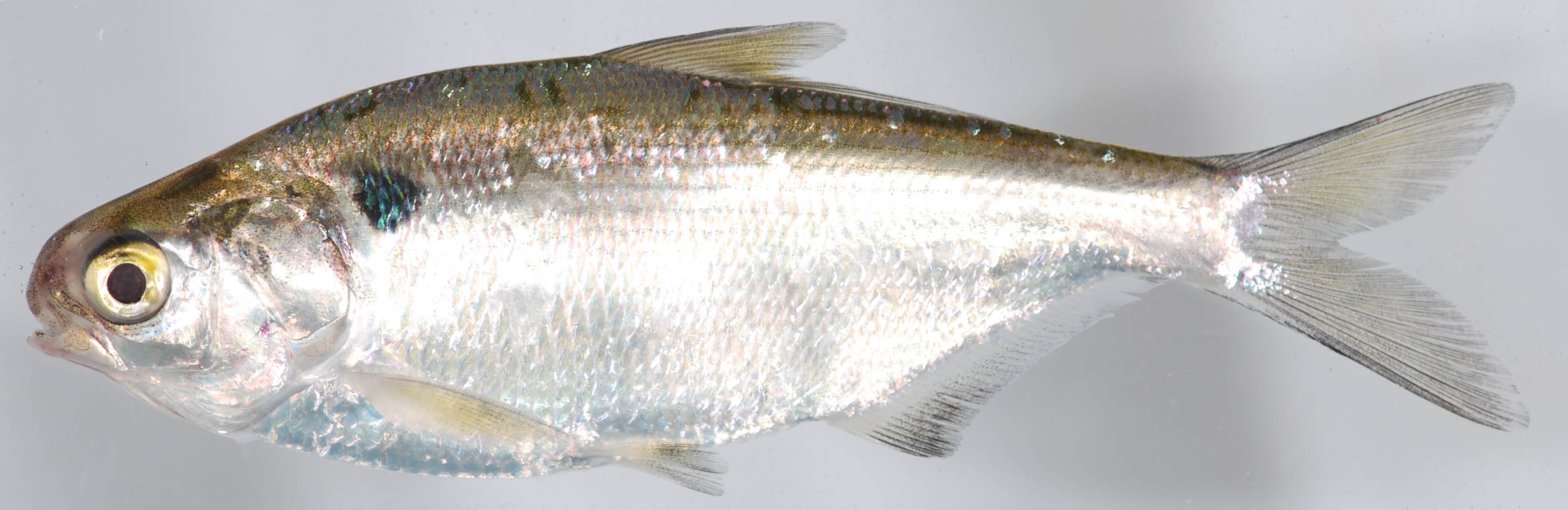

The gizzard shad is the single most important baitfish across much of North America's fresh water, the foundation of the food chain in countless rivers and lakes, and the number-one bait for anglers chasing trophy catfish, striped bass, and other big predators. If you want to catch giant blue cats, flatheads, or stripers, learning to catch gizzard shad is often step one: fresh shad, live or cut, is the bait that makes those trophies happen.
Here's the thing, though: you don't catch gizzard shad on hook and line the way you do a bass. Gizzard shad are filter-feeding plankton eaters that essentially never bite a baited hook, so anglers gather them with cast nets, sabiki rigs, and occasionally by snagging. This guide is about exactly that, how to locate, catch, and keep gizzard shad so you always have the premium bait that puts big fish in the boat. We'll cover cast-net technique, sabiki rigs, where and when to find shad, keeping them alive, rigging live and cut shad, and how to tell gizzard shad from threadfin.
How to Catch Tons of Shad Every TimeMeet the Gizzard Shad
The gizzard shad (Dorosoma cepedianum) is a deep-bodied, laterally compressed, silvery member of the herring family with a small, blunt, rounded snout, a subterminal (underslung) mouth, a deeply forked tail, and a distinctive long, thread-like last ray on the dorsal fin. Young fish often show a dark shoulder spot behind the gill cover. It's named for its muscular, gizzard-like stomach, which it uses to grind the algae, plankton, and detritus it filter-feeds.
Key facts:
- Size: commonly 6-14 inches; can exceed 16-20 inches and over a pound (big "gizzards" make giant-catfish baits).
- Filter feeder: it strains plankton, algae, and organic detritus from the water and won't take a hook-and-line bait, hence cast nets and sabikis.
- Schooling: gizzard shad travel in large, dense schools, often near the surface, flipping and dimpling the water, the key to finding and netting them.
- Habitat: abundant in rivers, reservoirs, lakes, and ponds across most of the central and eastern US, tolerating a wide range of conditions.
- The forage base: they're the primary forage for catfish, striped and hybrid bass, largemouth, walleye, and more, which is exactly why they're such deadly bait.
Understanding that gizzard shad are schooling filter-feeders is the whole key: you find the schools and net them, rather than fishing for them.
Catching Shad With a Cast Net
The cast net is the number-one tool for gathering gizzard shad, and learning to throw one well is one of the most valuable skills a bait-fisher can develop.
Catching Bait With a Cast NetThe essentials:
- The net: a 4-8 foot radius cast net with an appropriate mesh (about 3/8 inch is versatile for shad). Bigger nets cover more water but are harder to throw.
- Finding the fish: look for shad schooling and dimpling the surface, especially in coves, around marina and dock lights at night, in the backs of creeks, below dams, and around structure. A good depth finder helps locate dense schools.
- The throw: load the net properly and throw a flat, wide-opening pancake over the school so it opens fully before it hits the water, then let it sink and pull it closed. (Learning the throw takes practice, watch a good how-to and drill it.)
- Chumming: you can concentrate shad by chumming with cracked corn, bread, range cubes, or commercial shad attractant, drawing the school into cast-net range.
A well-thrown net over a tight school can load you up with dozens of shad in a single throw.
Sabiki Rigs: When the Net Won't Work
Sometimes shad are too deep, too scattered, or in water where a cast net isn't practical, and that's where a sabiki rig shines. A sabiki is a string of several small, flashy (often tinsel or skin-dressed) tiny hooks on a leader, fished below a weight.
When Cast Nets Won't Work: Sabiki Rigs to the RescueDrop or cast a sabiki into or below a school (deep water below dams, around bridge pilings, or over suspended schools you mark on electronics), jig it gently, and the small hooks catch shad and other baitfish, often several at a time. Sabikis are ideal for gathering bait in deep water, from bridges or docks, or when shad are holding down rather than dimpling the surface. Tip: handle the many small hooks carefully, and use a sabiki rod/tube to keep the rig from tangling.
Snagging and Other Methods
In some waters and seasons, especially below dams during shad runs or die-offs, or in dense concentrations, anglers also gather gizzard shad by snagging them with a treble hook (weighted treble cast into the school and swept), where legal. Dip nets and seines are used in some situations too. As always, check local regulations on legal baitfish-collection methods, cast-net rules, snagging, and whether shad can be transported or used as bait in a given water (rules vary and matter, especially to prevent spreading them where they're not wanted).
Where and When to Find Gizzard Shad
Location: gizzard shad school in rivers, reservoirs, lakes, and ponds. Look for them in the backs of coves and creeks, around dam tailwaters, near marinas and lighted docks (at night), over flats, and around structure. They often reveal themselves by flipping and dimpling the surface in dense schools, especially early and late in the day. Electronics make finding suspended schools much easier.
How to Keep Shad Alive Step by StepTiming: you can catch shad year-round, but their location shifts with the seasons. In warm months, they're often shallow, in creeks and coves and near the surface. In cold weather, they pull into deeper water and stack up (sometimes below dams or in deep channels), and winter cold snaps can even cause shad die-offs that concentrate them. Early morning and around dock lights at night are prime times to net surface-schooling shad. Match your method to where the shad are holding that day.
Keeping Shad Alive
Gizzard shad are notoriously delicate and hard to keep alive, they bruise, lose scales, and die easily, but fresh, lively shad is dramatically better bait than dead shad for many predators. To keep them frisky:
- Use a big, round bait tank (round so they don't pile in corners) with plenty of water, and a strong aerator or recirculating pump, shad need lots of oxygen and water movement.
- Don't overcrowd the tank, and keep the water cool.
- Add a shad-keeper additive or non-iodized salt (many anglers use these to reduce stress and preserve slime).
- Handle them as little and as gently as possible, wet hands, quick transfers.
Even with care, expect some die-off; that's fine, because dead and cut shad are also excellent bait (see below).
Rigging Live and Cut Shad
The whole point of catching gizzard shad is bait, and they're deadly in several forms.
Try This When Using Shad for Catfish Bait- Live shad: hooked through the nose, lips, or back on a circle hook, a lively shad is premier bait for big blue catfish, flatheads (which strongly prefer live bait), stripers, and hybrids. Fish it on a bottom rig or under a float near the fish.
- Cut shad: for blue and channel catfish especially, chunks of fresh cut shad, head, "steaks," and guts, release scent and blood that draw fish from a distance. Cut bait is often even more effective than live for blue cats.
- Whole dead shad: big whole shad, live or fresh-dead, are classic baits for trophy blues and flatheads.
- Freshness is everything: the fresher the shad, the better the bait. Keep them cold, and re-bait with fresh chunks often.
Match the bait size to your target, a big gizzard shad or a big chunk for trophy cats, smaller shad or pieces for eating-size fish.
Gizzard Shad vs. Threadfin Shad
Two shad species are used for bait, and it helps to know which you have.
Threadfin vs. Gizzard Shad: Know the Difference- Gizzard shad: larger (to 16-20 inches), with a blunt, rounded snout and an underslung mouth; the upper jaw does not have the projecting look of the threadfin. Grows big enough for trophy-catfish baits.
- Threadfin shad: smaller (usually under 6-7 inches), more slender, with a slightly upturned, terminal mouth (lower jaw projects a bit), often a yellowish tail, and less cold-tolerant. Great for smaller predators and where big shad are too large.
Both are caught the same ways (cast net, sabiki) and both are superb bait; gizzard shad are the go-to when you want bigger baits for bigger fish.
Finding Shad With Electronics and Dock Lights
Two tricks dramatically improve your shad-catching consistency. First, electronics: modern sonar/fish finders make locating shad schools far easier, especially when the fish aren't showing on the surface. Idle around likely water, creek channels, flats, dam tailwaters, points, and watch for the dense "clouds" or "balls" of bait that mark a shad school suspended in the water column. Once you mark a tight school, you can drop a sabiki straight down into it or, if it's shallow enough and near the surface, set up a cast-net throw. Learning to recognize bait balls on your graph turns a hit-or-miss bait hunt into a targeted, efficient operation.
Second, dock and marina lights at night: this is one of the most reliable shad patterns there is. After dark, lighted docks, bridges, and marinas draw plankton, which draws the shad that eat it. Ease up to a well-lit dock at night and you'll often find shad swarming in the glow, easy to net or sabiki. Night light-fishing for shad is a favorite of catfish and striper anglers who want a livewell full of fresh bait before the real fishing starts, and it's an easy, productive way for beginners to gather shad without hunting all over the lake.
Cast Net Sizes and Local Rules
Choosing the right cast net matters. Net "size" refers to the radius (a 6-foot net opens to roughly a 12-foot circle). Bigger nets cover more water and catch more shad per throw but are heavier and harder to throw, many anglers find a 5-7 foot net a good all-around choice, stepping up to 8-10 feet only once their throw is dialed in and they need to reach big, spooky schools. Mesh size matters too: around 3/8-inch mesh is versatile for typical shad, while smaller mesh holds tiny threadfin and larger mesh lets small fish escape and sinks faster for bigger shad.
Critically, cast-net and baitfish rules vary widely by state and even by water. Some states limit net radius, restrict where cast nets can be used, regulate snagging, cap how many baitfish you can possess, and, importantly, restrict transporting live shad between waters to prevent spreading them where they're unwanted or moving invasive species and diseases. Some fisheries prohibit gizzard shad as bait entirely. Always read your local regulations before netting and using shad; the rules exist largely to protect fisheries, and following them keeps bait-catching sustainable and legal.
Why Gizzard Shad Matter Beyond Bait
It's worth appreciating the gizzard shad's outsized ecological role, because it explains why they're such deadly bait. As abundant, prolific filter-feeders, gizzard shad convert plankton and detritus into fish flesh on a massive scale, forming the primary forage base that fuels the growth of nearly every large predator in the systems they inhabit, the trophy blue catfish, flatheads, stripers, and big largemouth anglers prize are, in large part, made of gizzard shad. Fisheries managers even stock or manage shad populations specifically to grow bigger predator fish.
That central role is exactly why matching your bait to gizzard shad is so effective: you're offering predators the food they're already keyed on and eating every day. It also explains the seasonal patterns, big predators follow the shad, so finding the shad often means finding the fish you're actually after. In a very real sense, learning to locate and catch gizzard shad teaches you to read the whole food chain of a lake or river, which makes you a better predator angler even before you bait a hook.
Stock Up on the Best Bait There Is
Catching gizzard shad isn't about the shad themselves, it's about unlocking the trophy fishing they make possible. A cast net, a bait tank, and the know-how to find schooling shad turn you into a bait-catching machine, and fresh live and cut gizzard shad is simply the best bait there is for giant blue catfish, flatheads, and stripers. Learn to throw a net, keep your shad lively, and you'll never be short of the bait that catches the biggest fish in the lake.
Ready to put that bait to work? See our guides to the trophy predators shad catch best: the giant blue catfish, the live-bait-loving flathead catfish, and the hard-running striped bass.
And remember that the netting is a skill worth drilling: watch the how-to videos above, practice the cast-net throw in the backyard until it opens flat every time, and dial in your bait tank before the trip. A little work on gathering and keeping shad is what separates a full livewell from an empty one, and a full livewell is what fills the boat with the biggest fish in the lake.