Fish
Fish Fire
Fire Hike
Hike Bird
Bird

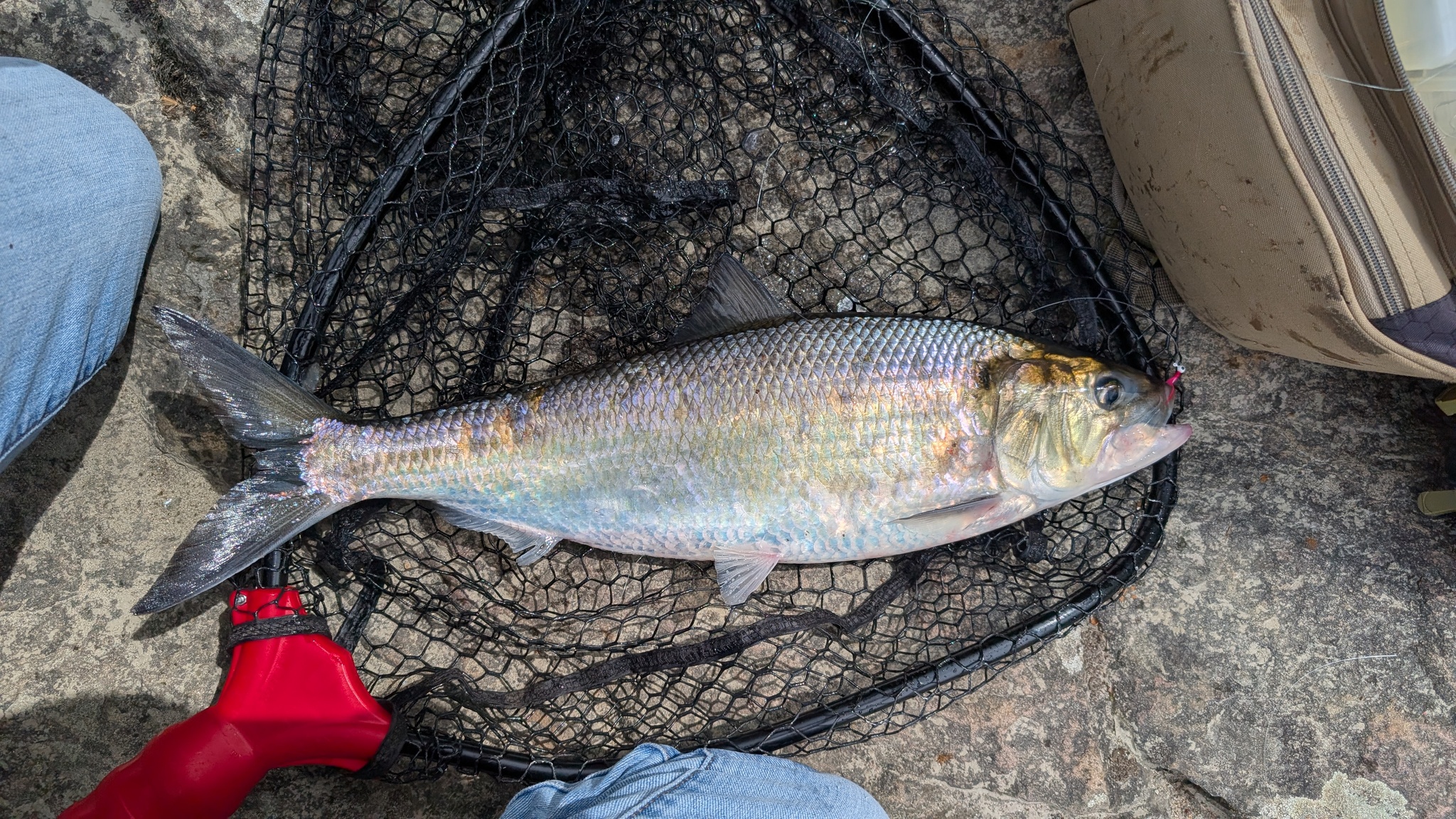

The American shad is one of the great spectacles of spring fishing. Each year, as the water warms, these silvery, hard-fighting members of the herring family surge in from the ocean and swarm up East Coast rivers by the thousands to spawn, and for a few glorious weeks, anglers line the banks and boats to intercept them. Shad hit small lures with abandon, leap and cartwheel and make blistering runs on light tackle, and have earned the nicknames "poor man's tarpon" and "freshwater tarpon" for the wild fight they put up. There's a reason the spring shad run is a beloved tradition from Florida to New England.
Best of all, shad are accessible, abundant during the run, and caught on simple, inexpensive tackle, a light rod and a handful of shad darts will get you into fish. This guide covers everything: the shad's biology and the spring run, the best lures (darts, spoons, and the classic dart-and-spoon rig), fly fishing, river tactics, where and when to go, and how to handle and eat this famously bony but delicious fish.
Late Spring American Shad Fishing from the BankMeet the American Shad
The American shad (Alosa sapidissima) is the largest member of the herring family, a deep-bodied, laterally compressed, brilliantly silver fish with a bluish-green back, a deeply forked tail, and usually a row of dark spots behind the gill cover (often one prominent spot followed by smaller ones). Its scientific name sapidissima means "most delicious," a nod to its long history as a food fish.
Key facts:
- Size: commonly 2 to 5 pounds; big ones reach 8+ pounds. On light tackle, even an average shad is a thrilling fight.
- Anadromous: shad live most of their lives in the ocean, then run up freshwater rivers to spawn in spring, much like salmon. This spring spawning run is the entire basis of the sport fishery.
- Filter/plankton feeder: in the ocean shad feed on plankton and tiny organisms, and they largely stop feeding during the spawning run, so, remarkably, they strike lures out of aggression or reflex, not hunger. That's why small, flashy lures work.
- Range: native to the Atlantic coast from Florida to Canada, running up rivers all along the East Coast (and introduced to the West Coast, where they run up rivers like the Columbia and Sacramento in huge numbers).
- A wild fighter: shad run, jump, and shake with surprising power for their size, the source of the "freshwater tarpon" nickname.
That combination, a huge, findable spring run of hard-fighting, lure-crushing silver fish, makes shad one of the most fun and anticipated fisheries of the year.
Shad Darts: The Classic Lure
The number-one shad lure is the shad dart, a small, simple, painted leadhead jig, usually with a slanted/angled head and often a bit of bucktail or a feather tail. Shad darts are cheap, deadly, and the traditional heart of shad fishing.
Shad Fishing and Shad Fishing Tips: The Shad Fishing RigHow to fish darts:
- Colors: bright, high-visibility colors are classic, red/white, chartreuse, orange, pink, and combinations. Carry several; shad can be picky day to day.
- Size: typically 1/32 to 1/4 oz, matched to the current and depth, heavier in fast, deep water to get down to the fish.
- Presentation: cast up and across the current, let the dart sink and swing down and across near the bottom (where shad hold in the current), keeping just enough tension to feel the tap. Shad usually hold in the deeper channels and current seams and hit as the lure swings past.
- The tandem rig: a hugely popular setup is two darts in tandem, or a dart trailing behind a small flutter spoon, this covers colors/depths and often draws more strikes.
Keeping the lure down near the bottom, in the current where the fish are running, is the key with darts.
Spoons and the Dart-and-Spoon Rig
Small flutter spoons are the other classic shad lure, prized for their flash and wobble. A tiny spoon (often a specialized shad spoon) fished on the swing, or as the weight/attractor ahead of a shad dart, is extremely effective.
Shad Fishing with a Guide: Tactics and TipsThe famous dart-and-spoon (or spoon-and-dart) tandem puts a flashy spoon and a colored dart in front of the fish at once, the spoon adds flash and casting weight, the dart adds color, and shad will hit either. Many anglers fish this rig on the swing in the current, or troll it slowly from a boat through holding water. Trolling shad rigs behind a boat is a deadly, cover-water tactic on bigger rivers, letting you present darts and spoons at a steady depth through the migrating schools.
Fly Fishing for Shad
Shad are a fantastic and popular fly-rod target, their aggression, abundance during the run, and hard fight make them a spring highlight for river fly anglers. It's essentially swinging or dead-drifting a weighted, flashy fly down and across the current to holding fish.
How to Fly Fish for American and Hickory ShadUse a 6-8 weight rod (a sink-tip or a floating line with a weighted fly to get down), and throw small, bright, flashy patterns, shad flies, Clouser minnows, and colorful weighted streamers in chartreuse, pink, red, and white. Cast across and slightly up, let the fly sink and swing down through the current seam near the bottom, and hang on for the take. A shad on a fly rod, leaping and running in current, is genuinely reminiscent of a miniature tarpon.
Where and When: It's All About the Run
Location: shad are caught in the rivers they run up to spawn. On the East Coast, famous shad rivers include the Delaware, Susquehanna, Connecticut, James, Potomac, and many others; in the Southeast, Florida's St. Johns River has an early run; and on the West Coast, the Columbia and Sacramento systems host massive introduced runs. Within a river, target deeper channels, current seams, the tailwaters below dams, and holes where migrating shad rest and stack up. Fishing below the first dam or barrier on a river, where the run concentrates, is a classic and productive approach.
American Shad: How to Catch ThemTiming: the fishery is entirely seasonal, built around the spring spawning run. Timing shifts with latitude and water temperature: Florida's St. Johns run peaks in winter (December-February); mid-Atlantic and Northeast rivers run in spring (roughly March-May); West Coast runs come in May-June. Warming water in the 50s-60s°F triggers and drives the run. Locals track the run closely, being on the river during the peak is everything, so check local reports and hit it when the fish are in.
American Shad vs. Hickory Shad and Other Look-Alikes
Two shad species run up East Coast rivers together, and it helps to tell them apart. The American shad is larger and deeper-bodied, and its lower jaw fits neatly inside the upper jaw when the mouth is closed (the jaws are about even). The smaller hickory shad has a distinctly protruding lower jaw that juts out beyond the upper, the fastest field mark, and it tends to be a bit slimmer and to run somewhat earlier in many rivers. Both hit darts and spoons, both fight hard, and they're often caught in the same water, so many anglers happily target "shad" as a group and just note which is which.
Don't confuse either with the non-game gizzard shad and threadfin shad, which are smaller baitfish (the gizzard shad has a distinctive long, threadlike last dorsal-fin ray and a blunt, rounded snout, and doesn't take lures the way the sporty river-run shad do). The true sport shad, American and hickory, are the silvery, hard-fighting anadromous fish that make the spring run famous. And while shad are herring, they dwarf the small ocean herring most people picture.
Reading the River During the Run
Success with shad comes down to reading moving water, because the fish are travelers resting and pushing upstream. Migrating shad don't fight the full force of the current; they use the path of least resistance and pause in spots that offer a break. Focus your casts on current seams (the line where fast and slow water meet), the deeper channels and holes where fish hold and rest, the slack water and eddies behind rocks, bridge pilings, and points, and, above all, the tailwater pools below the first dam or barrier, where the run piles up because the fish can't easily go farther. These stacking spots concentrate huge numbers of shad and are the single most reliable place to intercept the run.
Depth control is the other half of the puzzle. Shad usually hold and travel down near the bottom in the current, so your dart, spoon, or fly needs to get down into that zone and swing through it. In faster, deeper water, add weight (a heavier dart, a spoon ahead of the dart, or split shot) until you're ticking near the bottom on the swing. Watch other anglers who are catching fish and match their depth and color, during a good run, dialing in the productive seam and getting your lure to the right depth can mean a fish nearly every cast.
Bank Fishing vs. Boat and Trolling
One of the beauties of shad fishing is that it's superb from the bank. Because the run concentrates in accessible spots like dam tailwaters and river bends, shore anglers do extremely well, casting darts and spoons across and down through the current seams, no boat required. This is a big part of why shad fishing is so family-friendly and affordable: you can walk up to a famous shad hole with a light rod and a box of darts and get into fish.
That said, a boat opens up more water and a deadly tactic: trolling or controlled drifting. Anglers troll tandem dart-and-spoon rigs slowly through the migrating schools in bigger rivers, or anchor above a holding area and cast down to it, presenting lures at a steady depth through the fish. On large rivers with room to work, trolling covers water efficiently and can be the most productive approach of all. Whether you fish from the bank or a boat, the fundamentals are the same: put a small, flashy lure down in the current where the shad are running.
The Shad's Story: Decline and Comeback
The American shad has an outsized place in American history, colonial and early-American communities depended on the massive spring shad runs for food, and the fish was once so abundant it's been credited with helping feed Washington's army at Valley Forge. But dams, pollution, and overharvest devastated the runs over the last two centuries, blocking shad from ancestral spawning grounds and crashing populations in river after river.
The modern era has seen major restoration efforts: dam removals and fish passages (fish ladders and lifts) to reopen spawning habitat, hatchery stocking, water-quality improvements, and harvest restrictions. Thanks to this work, some rivers have seen encouraging recoveries, while others remain depressed, which is exactly why regulations are strict and many fisheries are catch-and-release. Understanding this history is part of being a responsible shad angler: the spring run you enjoy is a resource that people fought to bring back, and handling fish carefully and following the rules helps keep it coming.
Handling and Eating American Shad
Shad are a legendary food fish, sapidissima, "most delicious", with rich, flavorful meat and prized roe (shad roe is a famous springtime delicacy, sautéed in butter). The catch is that shad are notoriously bony, with a complex network of floating rib bones that makes filleting them cleanly a real skill.
How to Clean American Shad- Boning: properly filleting a shad to remove all the bones is a genuine art (there are specialized techniques and even professional shad boners); it's worth learning or watching a detailed how-to.
- Cooking: the rich fillets are excellent baked, broiled, smoked, or planked, and long slow cooking can help soften small bones. Shad roe, sautéed with bacon, is a traditional and celebrated spring dish.
- Regulations: shad populations have declined in many rivers, so harvest is regulated or closed in some areas (many fisheries are catch-and-release, especially on the East Coast). Always check local rules, and handle released fish gently, support them, minimize air time, and revive them in the current.
Whether you keep a legal one for the table or release it to continue the run, the shad's culinary fame is well earned.
Join the Spring Run
The American shad offers something special: a predictable, spectacular spring run of hard-fighting, lure-crushing silver fish that turns ordinary rivers into destinations for a few electric weeks each year. It's accessible, affordable (a light rod and a box of darts), family-friendly, and genuinely thrilling, a leaping "freshwater tarpon" on the end of your line. When the water warms and the reports say the shad are in, grab some darts and a spoon, find a current seam below a dam, and get in on one of fishing's great annual traditions.
For other spring-running and river fish, see our guides to the closely related hickory shad, the anadromous striped bass, and the migratory steelhead.
Want to time the shad run and hit the right water? Track river flows and water temperature, watch the local reports for the first fish of the season, and be ready to move the moment the run turns on, the peak lasts only a few weeks, so grab your darts and spoons and get in on one of fishing's great annual traditions.