Fish
Fish Fire
Fire Hike
Hike Bird
Bird

There is no place on the East Coast quite like the Outer Banks. This 200-mile ribbon of barrier islands curves out into the Atlantic like a fishhook, separating the Pamlico and Albemarle Sounds from the open ocean. Where the warm Gulf Stream pushes north and the cold Labrador Current slides south, those currents collide right off Cape Hatteras, and that collision zone is why OBX has been a fishing mecca for centuries.
Whether you are standing knee-deep in the suds at Cape Point, dropping a line off Jennette's Pier, or drifting a soft plastic across a Pamlico Sound grass flat, the Outer Banks delivers fishing that ranges from world-class to just plain fun. This guide breaks it all down for beginners.
What Makes OBX Fishing Different
Most beach towns give you a strip of sand and a pier. The Outer Banks gives you an entire ecosystem.
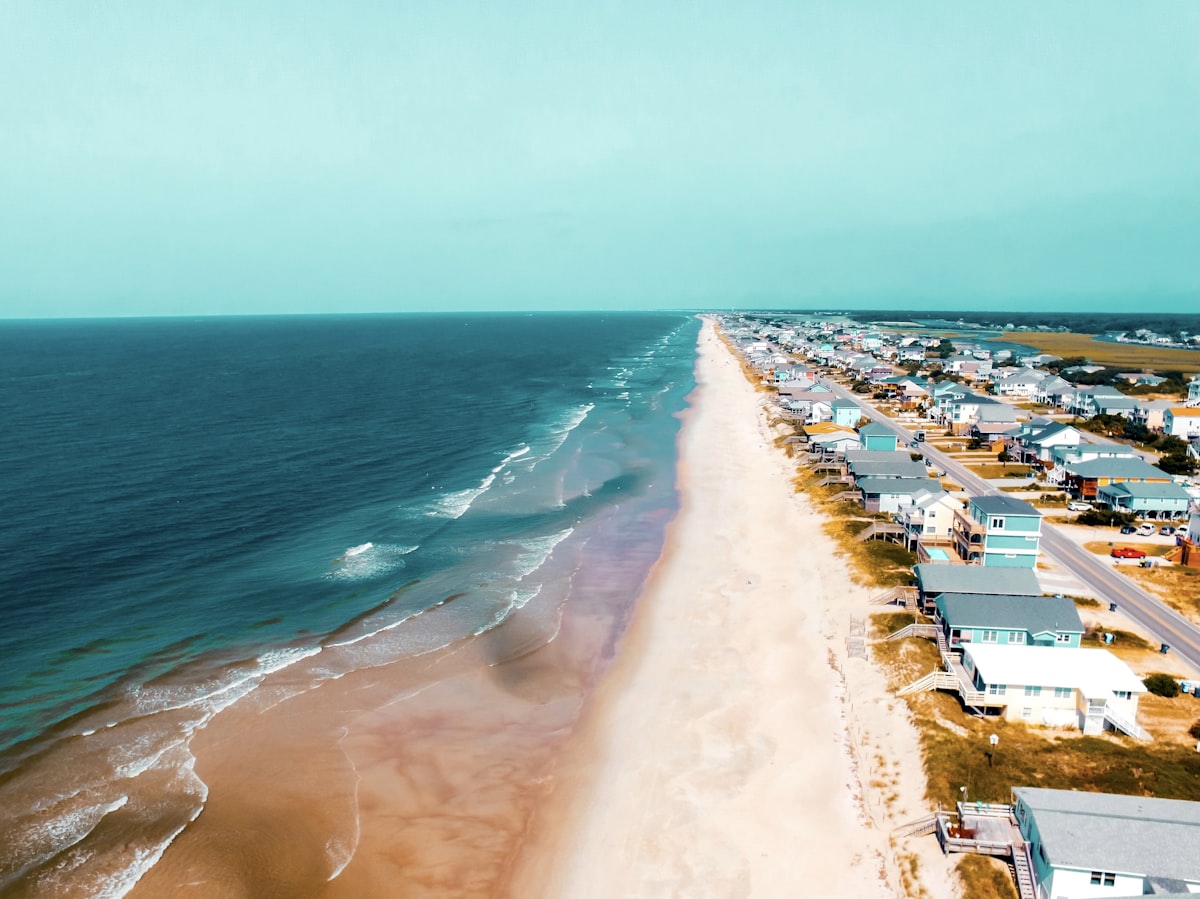
The barrier islands stretch from Corolla in the north to Ocracoke in the south, with Cape Hatteras jutting dramatically eastward at the midpoint. That geographic quirk puts the Gulf Stream closer to shore here than almost anywhere else on the Atlantic seaboard, roughly 30 miles out. The result is a species list that reads like a who's-who of East Coast gamefish: red drum, striped bass, bluefish, cobia, king mackerel, Spanish mackerel, flounder, speckled trout, yellowfin tuna, blue marlin, and dozens more.
But what really sets OBX apart is the surf fishing culture. This is not a place where surf fishing is something you do when the charter is booked. Here, surf fishing is the main event. Anglers drive their trucks onto the beach, set up camps at dawn, and fish the points and sloughs with a dedication you will not find at Myrtle Beach or anywhere else on the coast. The fall drum blitz at Cape Point is a genuine pilgrimage, hundreds of anglers lined up shoulder-to-shoulder, launching baits into the churning water where two oceans meet.
For a deeper look at the destination itself, seasons, charter options, where to stay, check out our complete Outer Banks fishing guide.
Surf Fishing: The Heart of OBX
Surf fishing is the soul of the Outer Banks, and it is the most accessible way for a beginner to start catching fish here. You do not need a boat, a charter, or even a pier pass. You need a rod, some bait, and a stretch of beach.
Where to Surf Fish
The beauty of OBX is that almost any beach access point puts you on fishable water. But some spots consistently outperform others:
Cape Point (Buxton), The holy grail. Where the beach curves to form the easternmost point of Hatteras Island, two currents collide and create a natural bait trap. This is where citation drum are caught every spring and fall. Access requires a 4x4 vehicle and a National Park Service ORV permit ($50 for 10 days, $120 annually via Recreation.gov). Enter at Ramp 43 off NC-12 in Buxton, past the Cape Hatteras Lighthouse.
Ramp 49 to Ramp 55 (Hatteras Village area), Less crowded than Cape Point with excellent fall drum fishing. Same 4x4 and permit requirements.
Nags Head beach accesses, Walk-on surf fishing from the public accesses between mileposts 10-21. Great for beginners who do not have a 4x4. Puppy drum, bluefish, and whiting are regulars here.
Corolla and the 4x4 beaches, North of the paved road, the Corolla wild horse area offers secluded surf fishing. Less pressure means fish are less wary, but you need a capable 4WD vehicle.
What You Will Catch
The surf along OBX produces different species depending on the season, but here is what beginners should expect:
- Puppy drum (juvenile red drum, under 18 inches), Year-round, but peaks in spring and fall. The bread-and-butter catch.
- Bluefish, Aggressive and plentiful from spring through fall. They will hit almost anything.
- Whiting (sea mullet), Smaller but excellent table fare. Great confidence-builder for new anglers.
- Spot and croaker, Summer and early fall staples. Perfect for kids and beginners learning bottom fishing.
- Big drum (red drum over 40 inches), The trophy fish. Spring and fall at Cape Point and along Hatteras Island. Catch-and-release only for fish over 27 inches in North Carolina.
- Striped bass, Winter surf fishing from November through March. The OBX striper run draws hardcore anglers when most tourists are gone.
Essential Surf Fishing Gear
OBX surf fishing demands longer casts than most beach fishing. The sloughs and sandbars where fish feed can be 80-100 yards out, and you need gear that can reach them.
Rod: A 10-foot medium-heavy surf rod is the sweet spot for beginners. The Penn Battalion II Surf 10' or the Daiwa BG Surf 10' are solid entry-level options that will not break the bank. If you are serious about reaching Cape Point distances, experienced OBX anglers move to 11-12 foot "heaver" rods like the Tica Surf Casting UEHA Series.
Reel: A 5000-6000 size spinning reel with a smooth drag system. The Penn Battle III 5000 or Daiwa BG 5000 are go-to recommendations.
Line: 20-30 lb braided main line (we like PowerPro Spectra 30lb) with a 30-40 lb fluorocarbon shock leader. Braid casts farther and is more sensitive; the leader prevents cut-offs from sharp shells and bluefish teeth.
Terminal tackle: Fish-finder rigs are the standard OBX surf rig. A 3-5 oz pyramid sinker slides on the main line above a swivel, with an 18-24 inch fluorocarbon leader to a circle hook (size 5/0-7/0 for drum, 2/0-4/0 for smaller species). Pre-tied rigs are available at every tackle shop on the island.
Bait: Fresh cut mullet and bunker (menhaden) are king. Fishbites artificial bait strips in the bloodworm or clam flavor are an excellent backup, they stay on the hook through repeated casts and actually work. Live sand fleas (mole crabs) are deadly for pompano and puppy drum when you can find them.
Rod holder: A sand spike is mandatory. You cannot hold a surf rod for hours while waiting for a bite. A basic aluminum sand spike saves your arms.
Surf Fishing in the Outer Banks - The Basics and What to Know How to Catch Fish in the OBX Surf, Whiting and BaitfishSurf Fishing Tips for Beginners
Read the water. Before you cast, spend five minutes watching the waves. Look for darker patches of water between sandbars, those are sloughs, and fish use them as highways to move along the beach. Rip currents indicate deeper channels where bait collects. Cast into those features, not randomly.
Fish the tides. The two hours before and after a tide change are the most productive. Moving water pushes bait around and triggers feeding. On OBX, incoming tide is generally better for drum; outgoing tide concentrates bait in the sloughs.
Keep bait fresh. Cut your mullet or bunker into strips just before using them. Fresh bait with natural oils outperforms old, washed-out bait every time. Most tackle shops sell fresh bait daily, Red Drum Tackle in Buxton, Frank and Fran's on Hatteras, and TW's Bait and Tackle in Nags Head are institutions.
Match the hook to the fish. Use circle hooks, they are required for drum fishing in North Carolina and dramatically reduce gut-hooking, which helps you release big drum healthy.
Pier Fishing: OBX's Front Porch
If surf fishing is the main event, pier fishing is the front porch, social, accessible, and consistently productive. The Outer Banks has some of the best fishing piers on the East Coast, and they are perfect for beginners because you do not need any specialized gear and you do not need a fishing license.
The Piers
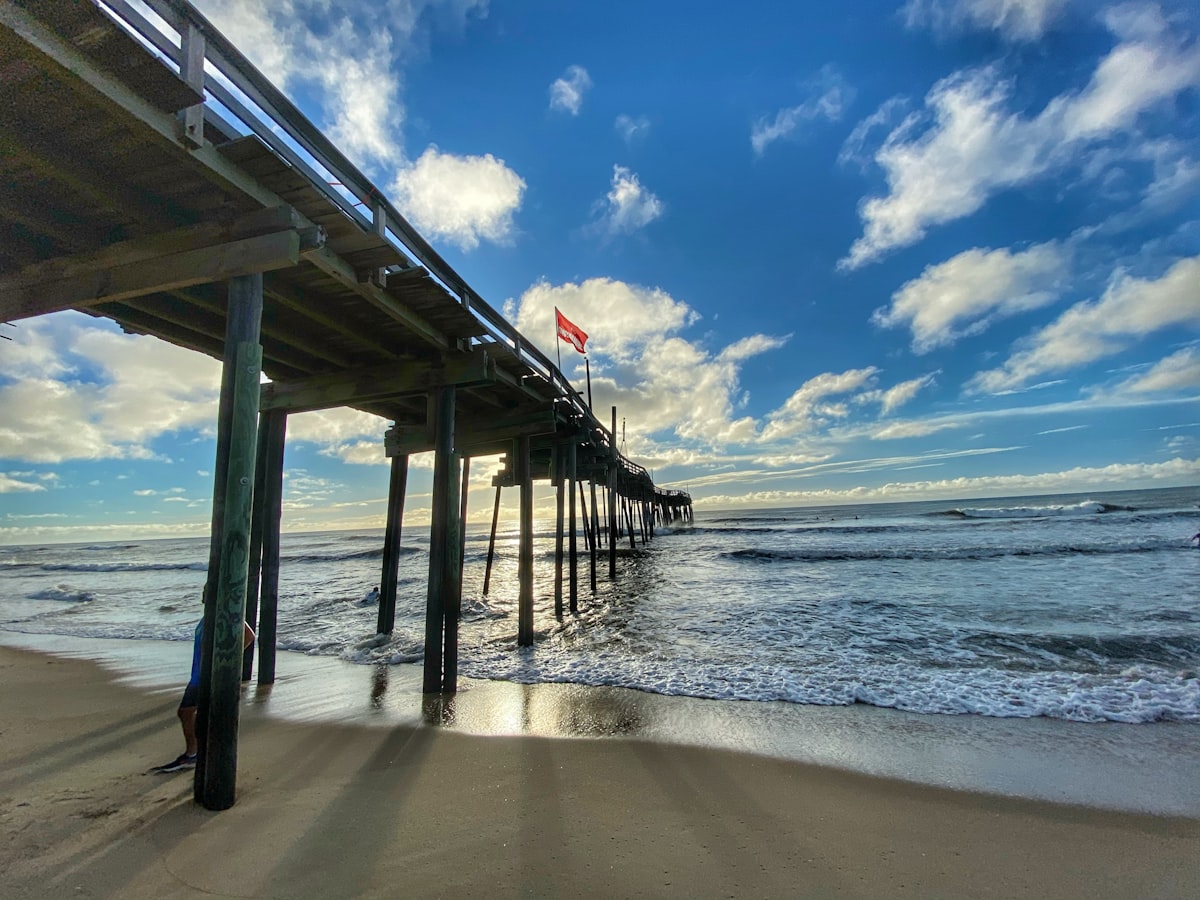
Jennette's Pier (Nags Head, MP 16.5), A concrete pier operated by the North Carolina Aquariums, stretching 1,000 feet into the Atlantic. This is the flagship OBX pier, well-maintained, with educational programs, tackle rentals, and daily fishing reports. They run live webcams so you can check conditions before you go. Species include drum, bluefish, Spanish mackerel, cobia, king mackerel, flounder, and sheepshead. Tackle rental is available if you do not have your own gear.
Avalon Pier (Kill Devil Hills, MP 6), A classic wooden pier with a no-frills vibe. Avalon is known for strong Spanish mackerel runs in summer and consistent bluefish action. The regulars here are a wealth of knowledge, do not be afraid to ask questions.
Nags Head Fishing Pier (Nags Head, MP 12), One of the oldest piers on OBX, with a long track record of big catches. Great for flounder, drum, and cobia. Home to Fishheads Bar & Grill, which makes the post-fishing meal easy.
Outer Banks Fishing Pier (South Nags Head, MP 18.5), A 600-foot pier open 24 hours, which matters because some of the best pier fishing happens at dawn and dusk. No license required.
Pier Fishing Basics
What to bring: A 7-8 foot medium-action rod with a 3000-4000 size spinning reel, a Penn Battle III 4000 combo or Shimano Sienna 4000 handles everything from spot to cobia. Spool with 20-pound PowerPro braid and a 20-pound Seaguar Blue Label fluorocarbon leader. You do not need the long surf rods here. Bring a standard bottom rig for spot and croaker, a two-hook float rig for bluefish, and a Gotcha plug or Hopkins Shorty spoon for Spanish mackerel.
King mackerel rigging: If you are at Jennette's or Avalon during summer, you will see anglers "pin rigging" for kings, live bait (spot or bluefish) suspended under a balloon or kite. This is an intermediate technique, but watching the regulars do it is a free education.
Pier etiquette: Keep your lines from crossing other anglers' lines. If you hook a big fish that runs, call out so your neighbors can reel in. Do not cast over someone else's line. When in doubt, ask the pier staff, they are there to help.
Surf Fishing Tips for Families and Kids, Outer Banks, NCSound-Side Fishing: The Calm Side of OBX
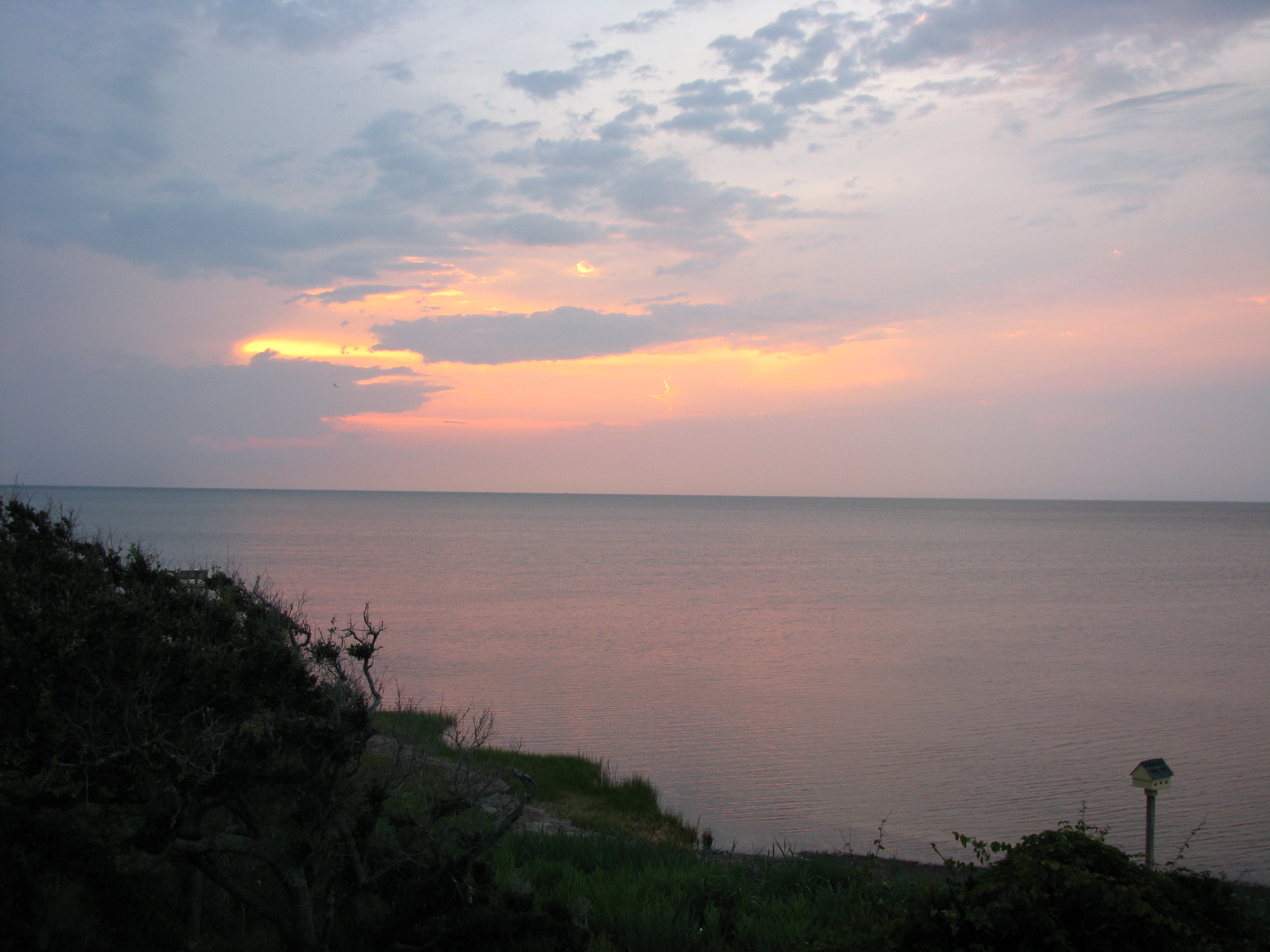
Most visitors to the Outer Banks never look past the ocean. That is a mistake. Behind those barrier islands lies the Pamlico Sound, the largest lagoon-type estuary on the East Coast, stretching 80 miles long and averaging just 4-6 feet deep. This is a different world of fishing: calm water, grass flats, oyster bars, and a resident population of speckled trout, puppy drum, and flounder that do not get nearly the pressure they deserve.
How to Fish the Sound
Wade fishing is the simplest approach. Drive to any sound-side boat ramp or access point, the Canadian Hole between Avon and Buxton is famous, wade out onto the sand flats, and cast soft plastics or live shrimp toward grass edges and drop-offs.
Kayak fishing opens up the Pamlico dramatically. Paddle out to grass flats and oyster bars that boat anglers cannot reach. Speckled trout stack up on these structures, especially in fall. A basic fishing kayak and a 7-foot medium-light rod with a Z-Man MinnowZ on a 1/4 oz jig head is about all you need.
Popping cork rigs are the go-to technique. A Cajun Thunder popping cork suspended 2-3 feet above a Berkley Gulp Shrimp in new penny or live shrimp on a 1/0 Owner Mutu Light circle hook imitates a feeding fish and drives speckled trout crazy. Pop it, let it sit, pop it again. When the cork disappears, set the hook.
Sound-Side Species
- Speckled trout (spotted seatrout), The premier sound-side gamefish. Caught on soft plastics, live shrimp, and topwater plugs. Fall is prime time.
- Puppy drum, Found around oyster bars and grass flats. Same fish as in the surf, just a different address.
- Flounder, Ambush predators that sit on the bottom near channels and structure. Jigs bounced slowly along the bottom are deadly. Peak season is June through August.
- Striped bass, Winter in the sounds can produce excellent striper fishing, especially around bridge pilings and deeper channels.
Oregon Inlet and Offshore: When You Are Ready to Level Up
Oregon Inlet, the narrow cut between Bodie Island and Hatteras Island, is home to one of the largest sportfishing charter fleets on the East Coast. The Oregon Inlet Fishing Center is the hub, with dozens of boats ranging from headboats (party boats) to private sportfishing charters.
The draw is the Gulf Stream. Just 30-40 miles offshore, that river of warm water carries yellowfin tuna, bluefin tuna, mahi-mahi, wahoo, blue marlin, white marlin, and sailfish past the OBX coast. A full-day offshore charter starts around $2,700 for the boat (split among up to 6 anglers), but headboat trips run $75-150 per person for bottom fishing and nearshore action.
For beginners: A half-day inshore charter out of Oregon Inlet is an excellent introduction. You will fish the inlet and nearshore waters for drum, cobia, Spanish mackerel, and bluefish. Expect to pay $600-900 for a half-day inshore trip for up to 4 anglers. The captain provides everything, rods, tackle, bait, and instruction.
Licenses, Rules, and Practical Details
Fishing License
Pier fishing: No license needed. This is one of the best things about North Carolina, any ocean fishing pier covers your license.
Surf fishing, sound fishing, wade fishing, boat fishing: You need a North Carolina Coastal Recreational Fishing License (CRFL).
- Resident annual: $16
- Non-resident annual: $32
- Resident 10-day: $8
- Non-resident 10-day: $16
- Children under 16: Free
Buy online at gooutdoorsnorthcarolina.com, by phone, or in person at any tackle shop or Walmart.
Beach Driving Permits
If you want to drive on the beach within Cape Hatteras National Seashore (which includes Cape Point), you need an ORV permit:
- 10-day permit: $50
- Annual permit: $120
- Purchase at Recreation.gov or at National Park Service offices on Hatteras Island
Drive a true 4WD vehicle, not AWD, and air down your tires to 18-20 psi before hitting the sand. The speed limit is 15 mph. Between May 1 and September 14, night driving is prohibited on National Seashore beaches to protect nesting sea turtles.
Where to Get Bait and Local Intel
The tackle shops on OBX are not just stores, they are information hubs. Stop in before you fish and ask what is biting, where, and on what.
- TW's Bait and Tackle (Nags Head), The largest tackle shop on OBX. If they do not have it, you do not need it.
- Red Drum Tackle (Buxton), Right near Cape Point. The staff fishes the Point and knows it intimately.
- Frank and Fran's (Avon), Hatteras Island institution with daily fishing reports and local knowledge.
- Whalebone Tackle (Nags Head), Historic shop near the Nags Head/Hatteras junction with a loyal local following.
A Beginner's First Day on OBX: What to Do
If you have never fished the Outer Banks before and have one day, here is how to spend it:
Morning: Hit a tackle shop when they open (most open at 5:30-6:00 AM). Buy a basic surf setup if you do not have one, the staff will rig it for you and tell you exactly where to go. Grab fresh cut mullet and a pack of Fishbites.
Mid-morning: Set up on the beach at one of the Nags Head public accesses. You do not need a 4x4 for this. Wade out a few feet, cast past the first sandbar, put your rod in a sand spike, and wait. Move every 30 minutes if you are not getting bites, find the sloughs and fishy-looking water.
Afternoon: Walk out on Jennette's Pier. Rent a rod if you need one. Fish a bottom rig with shrimp or cut bait near the end of the pier, or bring a gotcha plug and cast for Spanish mackerel if they are running.
Evening: Drive to the sound side. The Canadian Hole between Avon and Buxton is a great spot to wade-fish at sunset. Throw a popping cork rig with a soft plastic and see if the speckled trout are cooperating.
You will have fished three different environments in one day, surf, pier, and sound, and that is what makes the Outer Banks unlike any other fishing destination on the East Coast.
Making Sense of Big Water
The Outer Banks is big water with a lot of nuance. Where the drum run on each beach, which sloughs hold fish after a nor'easter, when the false albacore blitz off Cape Point, this is knowledge that takes years on the barrier islands to accumulate. The good news for a beginner is that much of it shifts day to day with wind, tide, and water temperature, and that is exactly the kind of thing worth checking before you load the truck. Know the beach-access and ORV rules for the ramp you plan to drive, confirm the current regulations for the species you are after with the North Carolina Division of Marine Fisheries, and read the conditions on the day you plan to fish, especially on the sound side and at Cape Point, where a wind shift changes everything. Do that homework and you will spend far less time guessing and far more time with a bait in the water.