Fish
Fish Fire
Fire Hike
Hike Bird
Bird

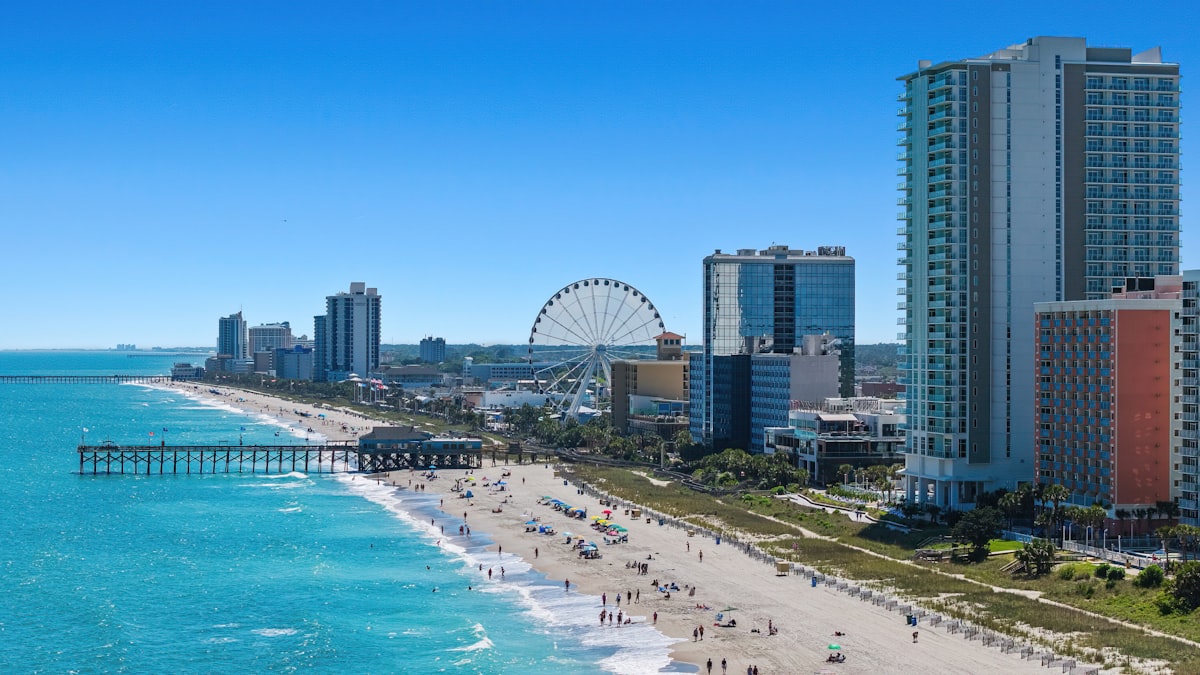
Myrtle Beach is not just a beach town that happens to have fishing. It is, without exaggeration, the pier fishing capital of the East Coast. Within a 30-mile stretch of the Grand Strand, you have access to more ocean-reaching fishing piers than almost any comparable coastline in America, plus 60 miles of surf-fishable beach, the tidal creeks and jetties of Murrells Inlet, and an offshore fishery that includes the Gulf Stream only 50 to 60 miles out.
If you are visiting Myrtle Beach on a family vacation and want to try fishing for the first time, or if you are a casual angler looking to figure out the local scene, this guide covers the practical side: which pier to choose, what gear to bring, how to rig up, what bait catches what, and how to fish the surf and the inlets. No charter required, though we will tell you when one makes sense.
For a full overview of Myrtle Beach's fishery, seasons, species, and destination planning, read our complete Myrtle Beach fishing guide.
The Pier Culture: Why Myrtle Beach Is Different
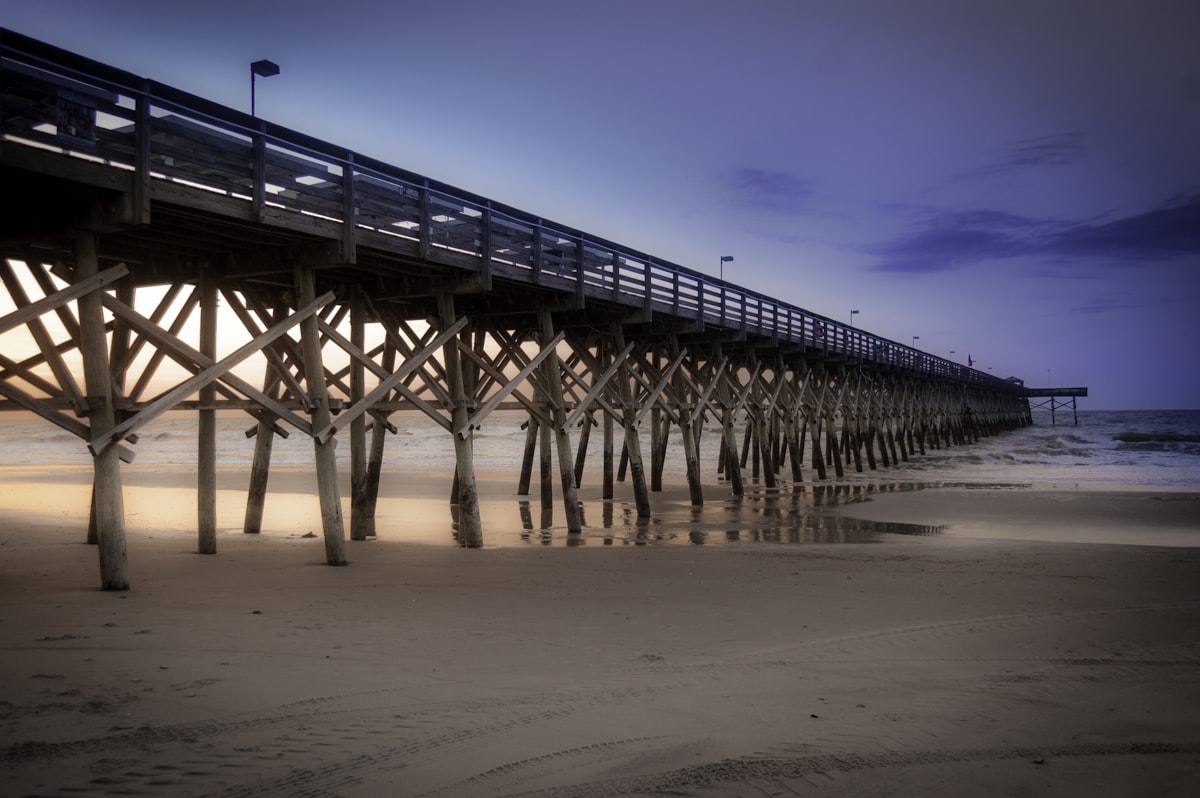
Most beach towns have one fishing pier, maybe two. Myrtle Beach has at least seven major piers spread across the Grand Strand, and pier fishing is woven into the culture here the way surfing defines the California coast or lobstering defines Maine. Families fish together. Retirees spend entire seasons on the planks. King mackerel tournaments draw crowds that line the pier rails three deep. At night, the pier lights draw baitfish, which draw predators, which draw anglers who fish until midnight with a cooler and a camp chair.
The practical advantage of all those piers is access. You do not need a boat, you do not need a fishing license (piers hold commercial licenses that cover everyone), and most piers rent rods and sell bait on-site. You can literally walk onto a pier in flip-flops with nothing but your wallet and be fishing in ten minutes.
Here is what you need to know about each major pier and what makes it worth your time.
The Grand Strand Piers: A Field Guide
Apache Pier
Apache Pier stretches 1,206 feet into the Atlantic, making it the longest wooden pier on the East Coast. That length matters, the end of the pier reaches water deep enough to attract king mackerel, cobia, and other pelagic species that shorter piers simply cannot reach. The pier head sits in roughly 15 to 25 feet of water depending on the tide, which is why Apache consistently produces the best king mackerel fishing on the Grand Strand.
What to fish for: King mackerel (summer and fall), Spanish mackerel (spring through fall), flounder (year-round, best in fall), bluefish, pompano, and whiting. Occasional cobia and even tarpon show up in the warmer months.
Best technique: For kings, use a live bait rig with a cigar minnow or live mullet on a wire leader, free-lined from the pier head. For everything else, a bottom rig with shrimp or cut bait covers the bases. The mid-pier section is excellent for flounder and whiting on bottom rigs.
Location: 9700 Kings Road, Myrtle Beach. Opens daily at 6 AM, stays open until midnight during peak summer. Fishing fee is around $10 per day. Rod rentals and a full bait shop are available on-site.
Cherry Grove Pier
At 985 feet, Cherry Grove Pier is the second-longest pier on the Grand Strand and sits at the northern end in North Myrtle Beach. It has a well-earned reputation as a family-friendly pier with excellent variety, you are just as likely to catch a cooler full of whiting here as you are to hook a king mackerel off the end.
What to fish for: Spanish mackerel, king mackerel, flounder, red drum, bluefish, spot, whiting, and pompano. Cherry Grove also sees good runs of sheepshead around the pilings in the cooler months.
Best technique: The pier's bait shop staff will tell you what is biting and how to rig for it, take their advice seriously, they watch the pier all day. A two-hook bottom rig with fresh shrimp is the default starting point. For mackerel, switch to a Gotcha plug or a silver spoon cast and retrieved at a fast clip.
Location: 3500 North Ocean Boulevard, North Myrtle Beach. Open year-round with seasonal hours. Full tackle shop, rod rentals, and a restaurant on-site.
Two Ways to Catch Fish from a Pier, Cherry Grove, North Myrtle Beach2nd Avenue Pier
Connected to the Myrtle Beach Boardwalk, the 2nd Avenue Pier is the most centrally located and walkable pier on the Grand Strand. It is right in the middle of everything, the SkyWheel, the restaurants, the boardwalk shops, which makes it the easiest pier to fish if you are staying in the heart of Myrtle Beach and want to squeeze in a session between other activities.
What to fish for: Flounder (especially good in fall), speckled trout in winter, whiting, spot, bluefish, and Spanish mackerel in season.
Best technique: Bottom fishing with shrimp or cut mullet is the bread-and-butter approach here. The pier is shorter than Apache or Cherry Grove, so the water is shallower, focus on bottom-dwelling species and smaller gamefish rather than kings.
Location: 110 North Ocean Boulevard, Myrtle Beach. Open year-round, 6 AM to 10 PM. The Pier House Restaurant sits at the base.
Springmaid Pier
Springmaid Pier stretches 960 feet with a 100-foot T-shaped platform at the end, giving anglers extra room to spread out without the elbow-to-elbow crowding that can happen on busier piers during mackerel season. The pier hosts fishing tournaments regularly and was the site of a record-breaking king mackerel catch that locals still talk about.
What to fish for: King mackerel, Spanish mackerel, flounder, speckled trout, bluefish, and whiting. The T-end provides good depth and current for targeting larger fish.
Best technique: The extra space at the T-end makes this a great pier for learning to cast a Gotcha plug for Spanish mackerel. Cast it out, let it sink for a count of three, then retrieve with a fast, jerking motion. When mackerel are running, you will see them slashing through baitfish on the surface.
Location: 3200 South Ocean Boulevard, Myrtle Beach. Fishing fee around $12 per day. Rod rentals available.
Myrtle Beach State Park Pier
If you want a quieter, more natural pier experience away from the commercial bustle, the State Park Pier is your spot. Situated inside Myrtle Beach State Park, it is surrounded by maritime forest rather than hotels, and the crowd tends to be smaller and more relaxed. The trade-off is that you pay state park admission ($8 per adult) on top of the pier fishing fee.
What to fish for: Spanish mackerel, flounder, whiting, spot, bluefish, and occasional king mackerel. The natural setting and less-pressured waters often produce better fishing per angler than the busier commercial piers.
Best technique: Same as the other piers, bottom rigs for whiting and flounder, Gotcha plugs or spoons for mackerel. The pier is a great spot for a relaxed morning session with kids.
Location: 4401 South Kings Highway, Myrtle Beach. State park admission required plus pier fishing fee.
Fishing Myrtle Beach State Park Pier, South Carolina's Scenic PierGarden City Pier
Garden City Pier is 625 feet long and is as much a social scene as a fishing spot. Live music, full bars, karaoke, an arcade, this is the pier where fishing and nightlife collide. During summer, Garden City stays open for overnight fishing, which is not just a gimmick: the pier lights attract baitfish after dark, and predators like bluefish, flounder, and sharks follow.
What to fish for: King mackerel (it is a known producer), Spanish mackerel, flounder, bluefish, whiting, and sharks after dark.
Best technique: Night fishing here is the move that locals know about. Drop a bottom rig with cut mullet after the sun goes down, and the flounder and bluefish bite picks up dramatically. For daytime mackerel fishing, the Gotcha plug reigns supreme.
Location: 110 South Waccamaw Drive, Garden City Beach.
Gear: What to Buy, What to Rent
You do not need to bring a truck full of tackle to Myrtle Beach. Every major pier rents rods, and the bait shops carry everything you need. But if you want your own setup, which I recommend if you plan to fish more than one day, here is what works.
The Pier and Surf Combo
A 7-foot medium-action spinning rod with a 3000- to 4000-size reel is the single most versatile setup for Myrtle Beach. It handles bottom fishing from the pier, casting Gotcha plugs for mackerel, and light surf fishing from the beach. Spool with 15- to 20-pound braided line and tie on a 20-pound fluorocarbon leader (about 2 feet long) using a double uni knot.
Solid, affordable options:
- Penn Battle III 3000 combo, built for saltwater, workhorse reliability
- Daiwa BG 3000 combo, smooth drag, excellent for fighting mackerel
- Penn Pursuit IV 4000 combo, budget-friendly, great starter setup
The Dedicated Surf Rod
If you want to fish the beach seriously, not just from the pier, step up to a 10- to 12-foot medium-heavy surf rod with a 5000- or 6000-size reel. The extra length gives you the casting distance to reach the sandbars and troughs where pompano, red drum, and larger fish feed. Spool with 20- to 30-pound braid and a 30-pound fluorocarbon leader.
The Penn Prevail II Surf in 10-foot paired with a Penn Battle III 5000 is a proven combination that does not break the bank.
The King Mackerel Setup (Pier Fishing)
When kings are running, primarily June through October, you need heavier gear. A medium-heavy conventional rod (7 to 8 feet) paired with a conventional reel loaded with 30- to 40-pound line and a wire leader (kings have razor teeth) is standard. Most serious king fishermen on the Grand Strand piers use live bait rigs with a treble hook on a wire leader, free-lined from the pier head.
If you are new to pier fishing, do not invest in king gear right away. Watch the regulars first, learn how they rig and present bait, and ask questions. The king fishing community on Myrtle Beach piers is tight-knit and generally happy to help beginners who show respect for pier etiquette.
Rigs: The Four Setups That Cover Everything
The Two-Hook Bottom Rig (Pier and Surf)
This is the rig that catches more fish on the Grand Strand than anything else. It is simple: two dropper loops (each about 6 inches long) tied above a pyramid sinker at the bottom. Attach #1 or #2 circle hooks to the droppers. Bait with fresh shrimp, sand fleas, or cut mullet.
The pyramid sinker holds the rig in place on the bottom in current and surf. Use 2 to 3 ounces from the pier, 3 to 4 ounces in the surf depending on conditions. Cast it out, set the rod in a holder or against the pier rail, and wait for the rod tip to bounce.
This rig catches whiting, spot, croaker, flounder, pompano, black drum, and red drum. It is where every beginner should start.
Essential Surf Fishing Tips for Myrtle BeachThe Carolina Rig (Inlet and Creek Fishing)
Thread your mainline through a 1/2- to 1-ounce egg sinker, add a small plastic bead (to protect the knot), and tie to a barrel swivel. On the other side of the swivel, tie 18 to 24 inches of 20-pound fluorocarbon leader to a 1/0 or 2/0 circle hook.
This rig lets the sinker hold bottom while the leader gives your bait freedom to drift naturally in the current. It is the go-to setup for fishing the Murrells Inlet jetties, the creek mouths, and any structured area where you are targeting redfish, flounder, or black drum.
Bait with live shrimp (hooked under the horn), live finger mullet (hooked through the lips), or cut mullet chunks.
The Gotcha Plug Rig (Mackerel on the Pier)
When Spanish mackerel are running, you will know because you can see them slashing through baitfish on the surface, and every other angler on the pier is casting, tie a 1-ounce Gotcha plug (silver body with a red or pink head) directly to your fluorocarbon leader using a loop knot. The loop knot gives the plug more side-to-side action.
Cast it out, let it sink for a count of two or three, then retrieve with a fast, erratic jerking motion, think "jerk-jerk-reel, jerk-jerk-reel." Spanish mackerel are speed feeders. They want a fast-moving target. If you are retrieving and it suddenly feels like you are reeling through gravel, set the hook, you have a fish.
The Gotcha plug is so effective for Spanish mackerel that it is practically required equipment on any Myrtle Beach pier from April through October.
The King Mackerel Rig (Pier Head)
This is the rig that separates the Grand Strand from other pier destinations. King mackerel fishing from the pier is a local tradition, and Apache Pier in particular has developed a devoted following of king fishermen who spend entire summers targeting these powerful fish.
The basic rig: a live cigar minnow or live mullet (catch them with a sabiki rig) on a wire leader (single-strand #4 or #5) with a treble hook. The wire leader is non-negotiable, kings have teeth that will cut through fluorocarbon like it is not there. Free-line the bait (no weight) from the pier head and let the current carry it away from the pier. When a king hits, let it run before engaging the drag. These fish make blistering first runs.
You will need a pier net to land kings, they are far too heavy to lift by the line. On the bigger piers, there are usually pier nets available, and other anglers will help you land your fish. That cooperative spirit is a big part of what makes pier king fishing so special.
Myrtle Beach Pier Fishing: Spanish Mackerel Galore, Plus Tips for Rigging UpBait: What Works and Where to Get It
Live shrimp, The universal bait on the Grand Strand. Catches whiting, flounder, red drum, black drum, spot, croaker, trout, sheepshead, and pompano. Available at every bait shop and most pier tackle shops. Hook them under the horn (the spike between the eyes) for pier and bottom fishing, or through the tail for drifting presentations.
Sand fleas (mole crabs), The best pompano bait, period. You can catch your own with a sand flea rake in the wet sand at the waterline, look for the V-shaped wake they leave as a wave recedes, or buy them at local bait shops. Hook them through the shell from bottom to top. Sand fleas also catch whiting, red drum, and sheepshead.
Cut mullet, Cheap, durable, available everywhere. Cut into one-inch chunks for bottom rigs. Catches flounder, bluefish, red drum, and black drum. Finger mullet (small whole mullet) can be used live on a Carolina rig for flounder and red drum in the inlets.
Cigar minnows, The premier king mackerel bait. Buy frozen at tackle shops or, better yet, catch live ones off the pier with a sabiki rig, a pre-made multi-hook rig with tiny Mylar-dressed hooks. Drop it off the pier, jig it up and down, and you will fill a bucket with live baitfish. Live cigar minnows dramatically outperform frozen.
Bloodworms, Expensive but deadly effective for spot, croaker, and whiting. Use small pieces on a two-hook bottom rig. When the bite is slow on shrimp, bloodworms often turn the day around.
Artificial lures: A 1-ounce Gotcha plug in silver/pink is the must-have for Spanish mackerel. A gold Johnson Silver Minnow spoon (1/4-ounce) works for red drum in the creeks. Berkley Gulp Shrimp in New Penny color on a 1/8-ounce jighead is the most versatile artificial for inshore work, it catches trout, redfish, and flounder on the Carolina rig setup.
Surf Fishing the Strand: 60 Miles of Beach
The Grand Strand's long, gently sloping beaches are excellent for surf fishing, and you can do it right in front of your hotel or rental. The key is understanding where to cast.
Reading the Beach
Walk to the water's edge at low tide and look at the beach. You will see troughs, darker, deeper channels running parallel to shore between the sandbars, and cuts, breaks in the sandbar where water flows through. Fish congregate in both spots because that is where bait gets trapped and current concentrates food.
Cast your bottom rig into the troughs and cuts, not just straight out as far as you can throw. Distance matters less than accuracy. A well-placed cast at 50 yards into a trough will outproduce a hero cast at 100 yards into dead-flat sand every time.
Best Surf Spots
You can catch fish from almost any stretch of the Grand Strand, but a few spots stand out:
- Myrtle Beach State Park, Less foot traffic, more natural structure, and the area around the pier often holds fish pushed along the pilings.
- North Myrtle Beach near Cherry Grove, The inlet area creates current and structure that attract baitfish and predators.
- Surfside Beach, South of the main tourist strip, quieter beaches with good trough structure.
- Huntington Beach State Park, South of Murrells Inlet, this undeveloped stretch of beach has excellent surf fishing with minimal pressure. The jetty at the north end is a bonus.
What to Expect
Whiting are the bread-and-butter surf fish, they bite all day, fight decently for their size, and are excellent eating (sweet, mild white meat). A two-hook bottom rig with fresh shrimp on the bottom hook and a piece of bloodworm on the top hook is the classic approach.
Pompano run through the surf in spring and fall, feeding in the troughs on sand fleas. Use a pompano rig (a specialized bottom rig with small floats or beads on the dropper lines that mimic sand flea egg sacs) baited with sand fleas.
Red drum cruise the surf zone in fall, particularly around inlet mouths and beach points. A Carolina rig with cut mullet or live shrimp, cast into the deeper troughs, is the approach.
Keep your rods in sand spike holders so you can fish multiple rods and watch for bites. A basic PVC sand spike is available at any tackle shop.
Surf Fishing in Myrtle Beach, South CarolinaMurrells Inlet: The Grand Strand's Hidden Gem
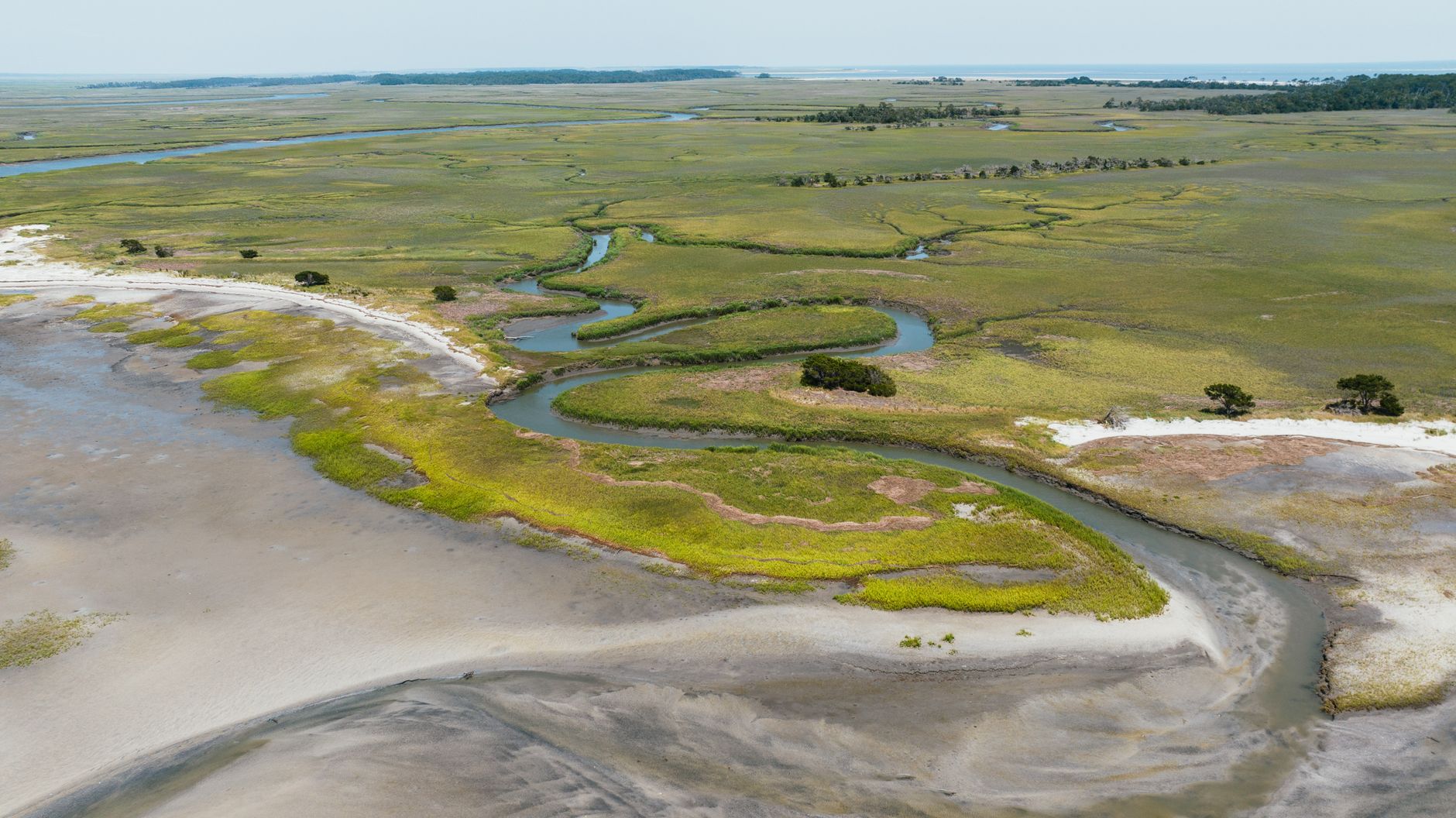
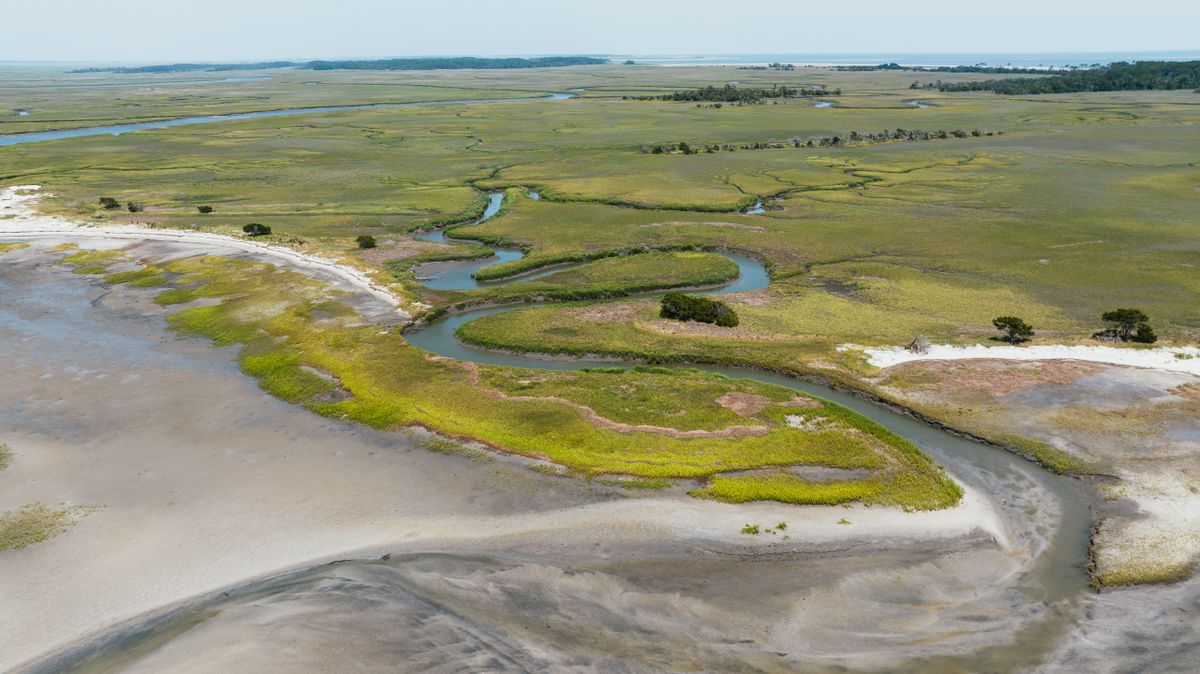
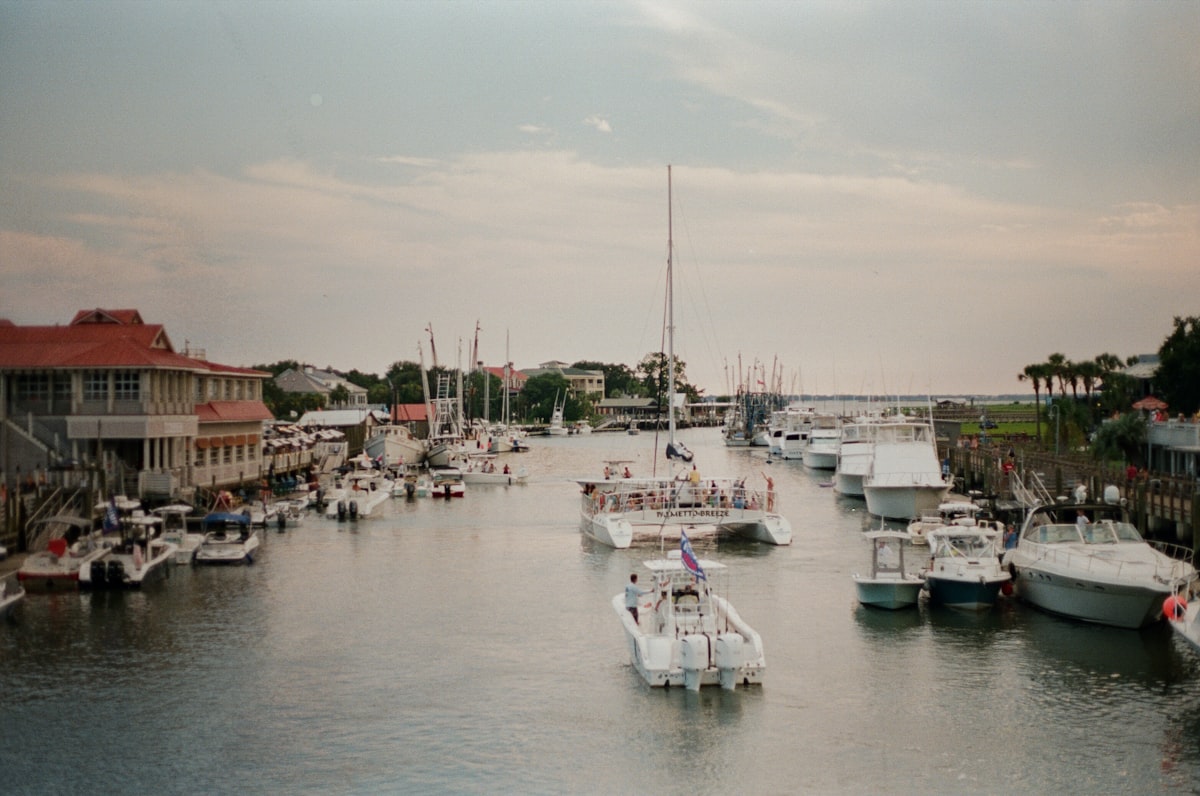
About 15 miles south of the Myrtle Beach Boardwalk, Murrells Inlet is the seafood capital of South Carolina and one of the best inshore fishing spots on the entire coast. While the tourists pack the piers up north, the creeks, oyster beds, and jetties of Murrells Inlet offer a completely different, and often more rewarding, fishing experience.
The Jetties at Huntington Beach State Park
The south jetty of Murrells Inlet, accessible from Huntington Beach State Park, is one of the best shore-fishing spots in the Myrtle Beach area. It is a paved walkable jetty that extends well into the inlet, putting you in reach of deep, moving water that holds red drum, flounder, black drum, sheepshead, and bluefish.
The walk from the beach parking area to the jetty is about 1.2 miles each way along the beach, so pack light but bring everything you need, there is no bait shop at the end. Park admission is $8 per adult. The jetty fishes best on a moving tide (incoming or outgoing), when current sweeps bait past the rocks and gamefish set up in ambush positions.
Best rig: Carolina rig with live shrimp or cut mullet, cast along the jetty rocks or into the channel. For flounder, drag a Berkley Gulp Swimming Mullet on a jighead slowly along the bottom near the base of the rocks.
Creek and Marsh Fishing
Murrells Inlet's network of tidal creeks, Allston Creek, Oaks Creek, Woodland Creek, hold redfish, spotted seatrout, and flounder year-round. This is different from pier fishing. You are fishing shallow, structured water where tides matter enormously. Fish the two hours before and after each tide change, focusing on oyster bar edges and creek mouths where current concentrates baitfish.
If you rent a kayak or small boat from one of the Murrells Inlet marinas, the creek fishing opens up dramatically. A popping cork rig with live shrimp is the go-to, cast near oyster beds, pop the cork every few seconds, and wait for a redfish or trout to pull it under.
For a deeper look at the Lowcountry creek and marsh fishing style that works in Murrells Inlet, check out our Hilton Head beginner fishing guide, which covers the same techniques in similar water.
Seasonal Game Plan
Spring (April through June): Spanish mackerel arrive and the pier fishing heats up. Flounder are active in the creeks and on the piers. Red drum start feeding aggressively in the inlets. Surf fishing for whiting and pompano picks up. This is the sweet spot before the summer tourist crowds descend.
Summer (July through August): Peak tourist season and peak pier season. King mackerel move within range of the longer piers, especially Apache. Whiting, bluefish, and Spanish mackerel are reliable surf and pier catches. Fish early morning or evening to beat the heat and the beach crowds. Night fishing from Garden City Pier is excellent.
Fall (September through November): The best overall fishing of the year. Bull red drum push into the inlets and surf zone. The flounder run concentrates fish in creek mouths as they migrate offshore to spawn. King mackerel make their fall push past the piers. Spanish mackerel are still running. If you can plan your Myrtle Beach trip around fishing, come in October.
Winter (December through March): The slowest season, but far from dead. Whiting bite in the surf year-round. Black drum and sheepshead stack up around pilings and structure. Speckled trout fishing in the Murrells Inlet creeks can be excellent on warmer days. The piers are quieter, the rates are cheaper, and you will have more elbow room.
Practical Details
Fishing license: You do NOT need a license to fish from any of Myrtle Beach's commercial piers. For surf fishing, kayak fishing, or boat fishing, anyone 16 and older needs a South Carolina saltwater fishing license. Nonresident costs: $10 for 1 day, $35 for 7 days, or $75 for the year. Buy online at the SCDNR website or at local tackle shops and Walmart. Charter boats cover all passengers.
Size and bag limits: Red drum must be between 15 and 23 inches, with a limit of 2 per person. Flounder have a 16-inch minimum and a 5-per-person daily limit. Spanish mackerel have a 12-inch fork-length minimum and a 15-per-day limit. Always check current SCDNR regulations before your trip, they update periodically.
Surf fishing rules: You can surf fish from the beach, but stay at least 50 feet from swimmers and lifeguard areas. Early morning (before the lifeguards set up) and evening (after they leave) are the best windows for surf fishing in the tourist-heavy areas.
What to wear: Moisture-wicking clothing, a hat, polarized sunglasses, and non-slip shoes (not flip-flops on the jetty, the rocks are slick). Apply SPF 50+ sunscreen and reapply every two hours. The Grand Strand sun reflecting off the water will burn you faster than you think.
What to bring: A small cooler with ice (for fish you plan to keep and for drinking water), needle-nose pliers for removing hooks, a rag for handling fish, sunscreen, and a towel. For surf fishing, add sand spike rod holders and a folding beach chair.
Bait and tackle shops: Half Moon Outfitters, Perry's Bait & Tackle, and the bait shops at each pier carry everything you need. The pier bait shops are especially convenient because the staff knows exactly what is biting that day and can rig you up on the spot.
Five Tips the Locals Know
-
Fish the tide, not the clock. On the piers, the bite picks up when the current is moving, incoming and outgoing tide. Slack tide (when the water stops moving) is usually the deadest period. Check a tide chart the night before and plan your pier session around the tide changes.
-
The Gotcha plug is not optional. When Spanish mackerel are running, and they run hard from April through October, a silver/pink Gotcha plug in the 1-ounce size is the most effective lure on any Grand Strand pier. Keep one rigged and ready so you can switch to it the moment you see mackerel busting baitfish on the surface.
-
Night fishing is underrated. The pier lights attract clouds of baitfish after dark, and predators follow. Flounder, bluefish, and sharks all feed more actively at night. Garden City Pier and Apache Pier both allow overnight fishing in summer. Bring a headlamp, a bell for your rod tip, and patience.
-
Murrells Inlet is worth the drive. Most tourists never leave the boardwalk piers, which means the creeks and jetties of Murrells Inlet are comparatively unpressured. The 20-minute drive south puts you in a completely different fishery with bigger redfish, better flounder, and far fewer crowds.
-
Rinse your gear. Saltwater destroys fishing equipment. After every session, rinse your rod, reel, and tackle with fresh water. A 30-second rinse at the hotel outdoor shower will add years to the life of your gear.
Pier Etiquette: The Unwritten Rules
Pier fishing is a communal activity, and there is a code. Follow it and the regulars will help you. Break it and you will have a bad time.
- Do not cast over someone else's line. If the pier is crowded, find a gap or wait for one. Tangled lines ruin everyone's day.
- Walk your fish to the end. If you hook a big runner (king mackerel, cobia, shark), walk with your rod toward the pier head so your line does not cross through everyone else's setup. Other anglers will reel in to give you room, it is expected and appreciated.
- Help with the pier net. When someone hooks a big fish that needs netting, step in and help. You will need the same help eventually.
- Keep the pier clean. Dispose of bait scraps, cut line, and trash properly. No one wants to slip on fish guts.
- Ask before you take a spot. If someone stepped away from a rod holder and left their gear, that spot is taken. Find another.
Start on the Planks, Branch Out from There
Myrtle Beach makes it absurdly easy to start fishing. Walk onto any pier, rent a rod, buy some shrimp, and drop a line. That first whiting tugging on your rod tip, small as it is, will tell you whether this is something you want to explore further. If it is, branch out to surf fishing the beach at dawn, work the Murrells Inlet jetties on a falling tide, or book an inshore charter to learn the creeks.
The Grand Strand is not a one-trick destination. It is a place where you can spend a week fishing a different way every day and never get bored. The piers are just the front door.