Fish
Fish Fire
Fire Hike
Hike Bird
Bird

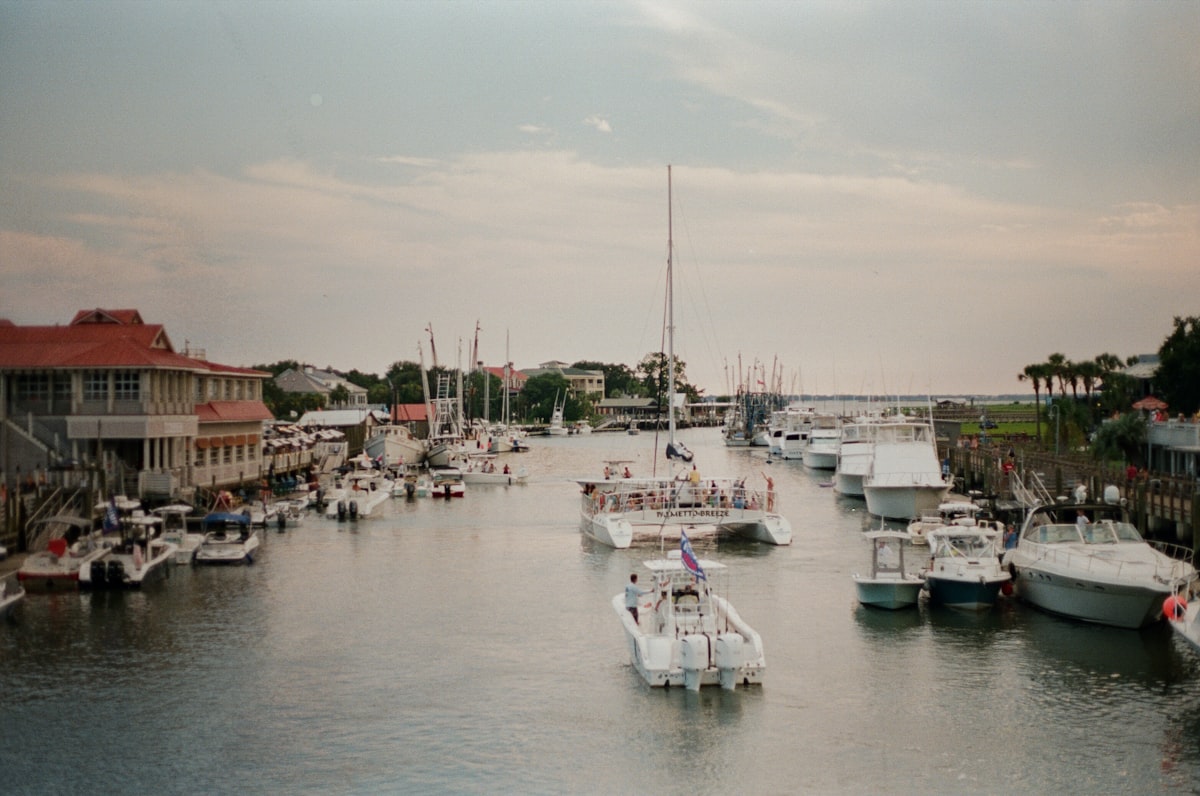

Charleston is a city built on water. The Ashley and Cooper rivers merge into Charleston Harbor, which opens into the Atlantic through a maze of tidal creeks, oyster bars, spartina marsh, and barrier islands. Every piece of that landscape holds fish. Redfish tail across mud flats on flood tides. Flounder lie camouflaged in creek mouths waiting for shrimp to wash past. Sheepshead crunch barnacles off every dock piling in the harbor. Spotted seatrout stack up on oyster bars at dawn. And a 20-minute boat ride offshore puts you over reefs holding black sea bass, triggerfish, and snapper.
The Lowcountry is not a place where you need a $50,000 boat and a lifetime of experience to catch fish. It is a place where a kid with a $30 rod and a bucket of shrimp can pull sheepshead off the dock at Shem Creek while restaurants serve shrimp and grits twenty yards away. That accessibility is what makes Charleston one of the best fishing cities on the East Coast.
This guide covers the practical how-to for each fishery. For the full destination overview, seasons, species, charter fleet, and trip planning, read our complete Charleston fishing guide. For more Lowcountry fishing, see our Hilton Head guide and our how-to-fish Hilton Head guide.
Pier Fishing: Two Great Options
Charleston has two well-maintained public fishing piers, both operated by Charleston County Parks. They rent rods, sell bait, and have staff who will help you rig up if you have never fished before.
Folly Beach Fishing Pier
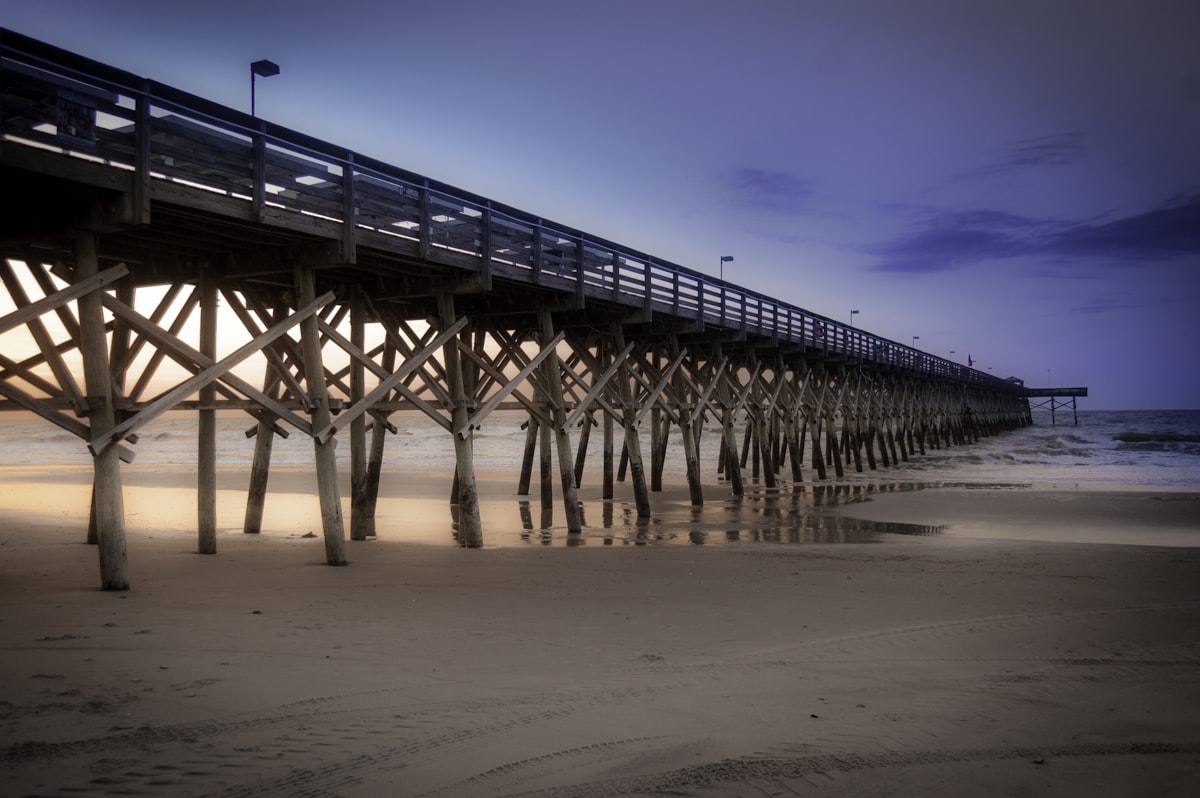
The Folly Beach Pier stretches 1,045 feet into the Atlantic from the center of Folly Beach. It has a diamond-shaped platform at the end that gives anglers room to spread out over deeper water. The pier is the main social hub of Folly Beach, you fish with a view of surfers, dolphins, and pelicans.
What you will catch: Whiting and croaker are the most consistent from spring through fall. Sheepshead hold tight to the pilings year-round. Spotted seatrout and red drum show up on incoming tides. Bluefish and Spanish mackerel run past in schools during spring and fall. From the diamond at the end, king mackerel are possible in summer and fall, bring a heavier setup if you want to target them.
Rig: A bottom rig with a 1-ounce pyramid sinker, 18-inch fluorocarbon leader, and a #1 circle hook baited with a piece of fresh shrimp is the all-purpose Folly Beach setup. Drop it next to the pilings for sheepshead, or cast it into the sand for whiting and croaker. For mackerel, use a Gotcha plug or a live shrimp under a float.
Cost: Rod rental $10/day. Bait and tackle available at the pier shop. Parking at Folly Beach requires a paid pass during peak season.
Mount Pleasant Pier
The Mount Pleasant Pier extends 1,250 feet into the Cooper River with views of Charleston Harbor and the Arthur Ravenel Jr. Bridge. The bridge creates shade on the pier during much of the day, which is a genuine advantage in a Charleston summer. The Cooper River has stronger current than the open ocean at Folly, which means different species.
What you will catch: Red drum are the star here, the pilings and current breaks hold reds from 15 to 30 inches. Sheepshead are thick around the structure. Flounder lie on the sandy bottom waiting for bait to drift past. Spotted seatrout cruise the current seams. Blue crabs can be caught with chicken necks on a handline for a different kind of fun.
Rig: Same bottom rig as Folly Beach, but add a bit more weight (1.5 to 2 ounces) to hold bottom in the Cooper River current. Fresh shrimp is the universal bait. For flounder specifically, a live mud minnow on a Carolina rig drifted along the bottom is the local method.
Cost: Rod rental $10/day. Bait and tackle on-site. Free parking.
Gear for Both Piers
A 7-foot medium-action spinning rod with a 3000-size reel handles everything from both piers. Spool with 15-pound monofilament (Berkley Trilene Big Game) or 20-pound braid (PowerPro Spectra) with a 20-pound Seaguar Blue Label fluorocarbon leader. If you are buying gear for a Charleston trip, a Penn Battle III 3000 combo or Daiwa BG 3000 combo is the right investment, both handle saltwater abuse.
Inshore: Marsh Creeks and Redfish
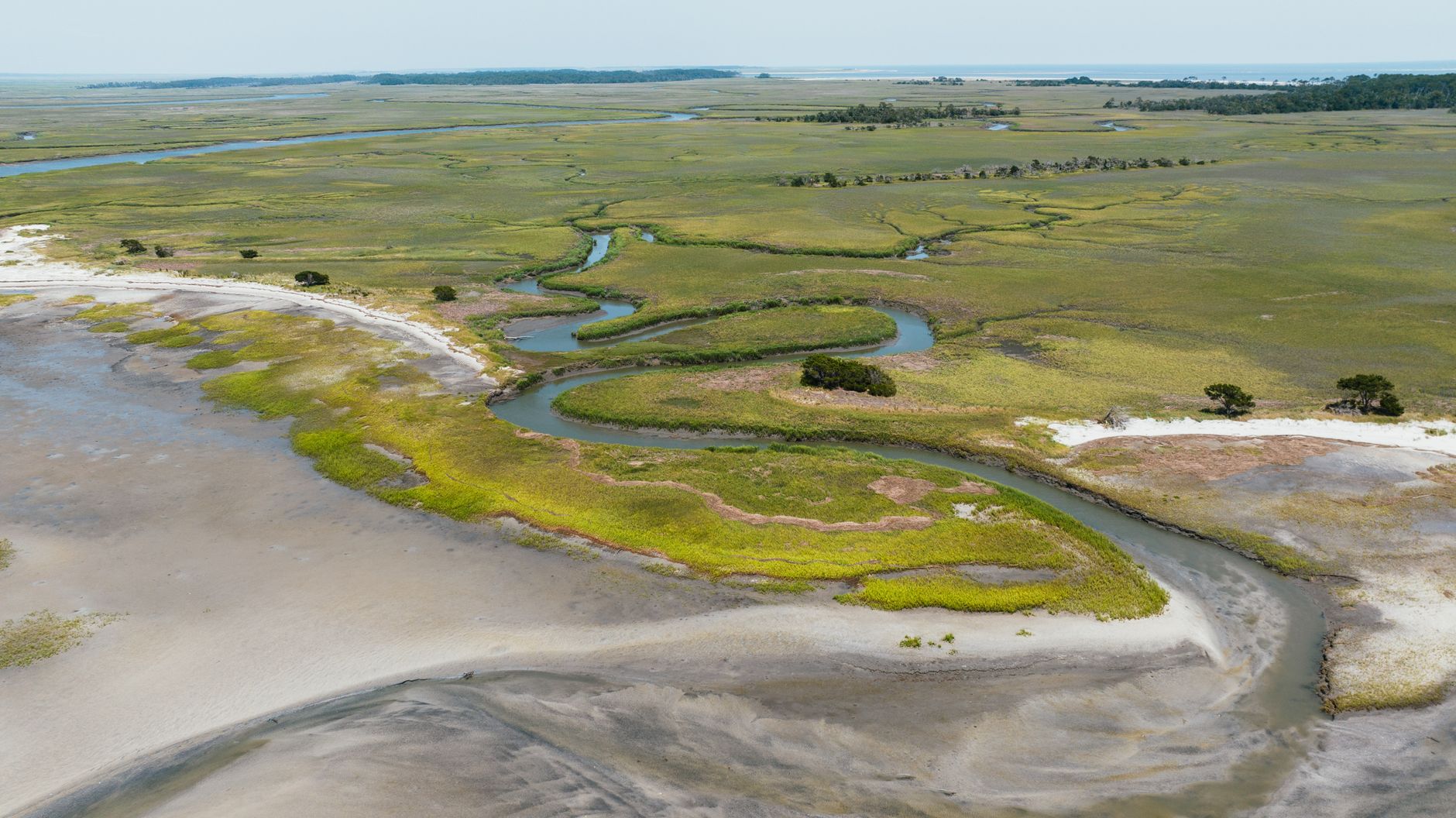
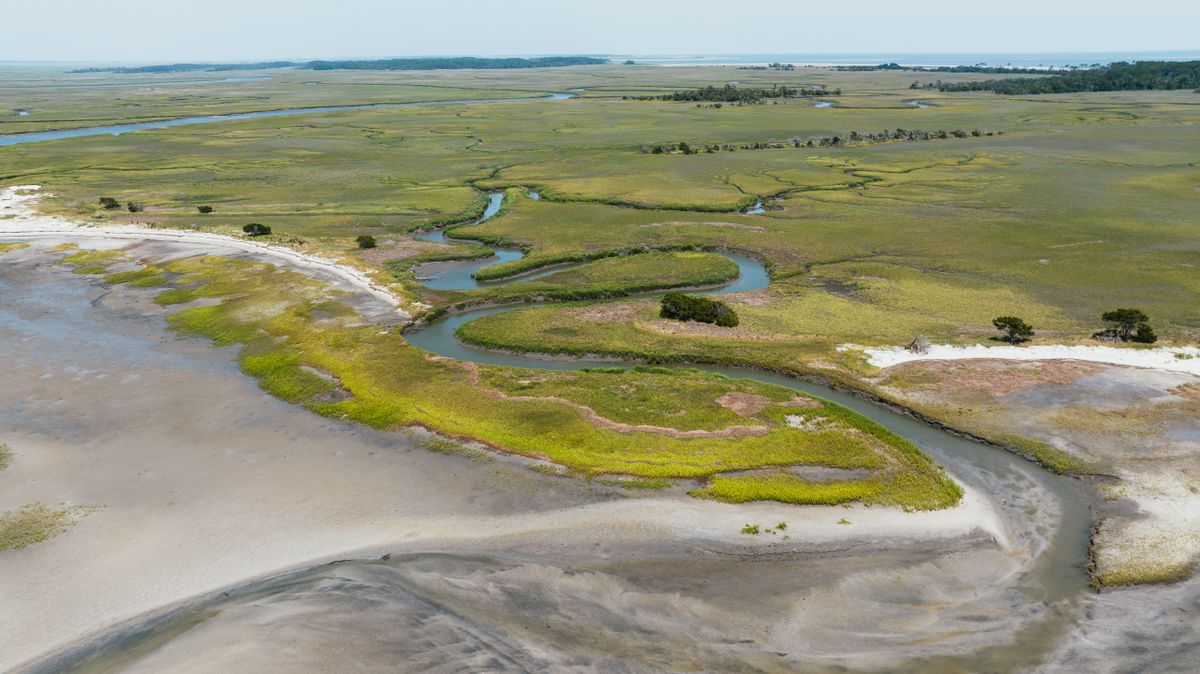
This is the soul of Charleston fishing. The Lowcountry marsh system, thousands of acres of tidal creeks winding through spartina grass, fringed with oyster bars and mud flats, is the nursery and hunting ground for redfish, flounder, spotted seatrout, and sheepshead. An inshore fishing charter is the best way to experience it for the first time, but there is also walk-in access if you know where to go.
Species and Seasons
Redfish are the marquee fish. They live in the marsh year-round, but the most exciting fishing happens on flood tides in late summer and fall (August through November) when reds push onto the shallow flats to feed on crabs and shrimp. Their tails break the surface, "tailing reds", and you sight-cast to them. Catch-and-release is the norm; slot limit in South Carolina is 15 to 23 inches with a 3-fish bag.
Flounder lie flat on the bottom in creek mouths, channel edges, and anywhere current funnels bait across sandy or muddy substrate. Best months are May through October. They ambush from below, so your bait needs to be near the bottom and moving slowly.
Spotted seatrout hold over oyster bars, along grass edges, and in deeper holes in the creeks. They are most active early morning and late evening. Fall is prime. They eat shrimp, small baitfish, and soft plastic lures.
Sheepshead are everywhere there is structure, dock pilings, bridge pilings, rock jetties, oyster reefs. They eat crustaceans (fiddler crabs, shrimp, barnacles) and have a famously subtle bite. Catching them requires patience and a sensitive rod tip.
Where to Fish Without a Boat
Shem Creek (Mount Pleasant) is the most accessible walk-in inshore spot in Charleston. The creek is lined with docks, shrimp boats, and restaurants. Fish from the public dock or the boardwalk for sheepshead, redfish, and flounder. Fiddler crabs or live shrimp on a light rig dropped next to dock pilings is the method.
Charleston Harbor Jetties, the rock jetties at the mouth of the harbor produce sheepshead, redfish, black drum, and flounder. Accessible by boat or kayak, or by wading carefully at low tide. Fish fiddler crabs or shrimp tight to the rocks.
Breach Inlet (between Sullivan's Island and Isle of Palms) funnels tidal current and baitfish through a narrow gap. Flounder, redfish, and trout stack up on the current edges. Accessible from shore on both sides.
Folly River, the backside of Folly Beach has walk-in access points along the tidal creek. Fish incoming tides with live shrimp for redfish and trout.
Surf Fishing in Charleston SC, Redfish, Black Drum, and SheepsheadTackle and Technique
For inshore fishing from shore or dock, use a 7-foot medium-light spinning rod with a 2500 or 3000 reel, 10- to 15-pound braid, and a 15- to 20-pound fluorocarbon leader.
Live shrimp under a popping cork is the most effective all-purpose inshore rig in Charleston. Thread a live shrimp onto a 1/0 Owner Mutu Light circle hook through the horn (the hard spike on its head), suspend it 2 to 3 feet under a popping cork (Cajun Thunder or Bass Assassin Kwik Cork are the local favorites), and cast it near oyster bars, grass edges, or dock pilings. Pop the cork with short rod twitches, the popping sound imitates feeding fish and draws strikes from redfish and trout.
Popping Corks for Beginners: The Complete SetupSoft plastics, a 3-inch Berkley Gulp Shrimp in new penny color on a 1/4-ounce VMC jighead is the artificial alternative. A Z-Man EZ ShrimpZ in root beer gold is another local favorite. Cast it to structure, let it sink, and retrieve with a slow twitch-pause cadence. Effective for trout, flounder, and redfish.
Fiddler crabs are the go-to bait for sheepshead. Hook a fiddler through the leg joint on a #1 or #2 Gamakatsu Octopus hook with a small split shot, drop it next to a piling, and wait. The bite feels like a tap, set the hook quickly or the sheepshead will strip your bait without getting hooked. They have hard, human-like teeth that crush shells, so they can be tricky.
Nearshore and Offshore: Reefs and the Gulf Stream
Charleston's offshore fishing starts close. The nearshore reefs, natural live-bottom and artificial reef structures in 40 to 80 feet of water, are a 30- to 45-minute run from the harbor. The Gulf Stream runs 55 to 70 miles out, reachable on a full-day charter.
Nearshore Reefs
Half-day charters ($400 to $700 for a private boat) target the nearshore reefs for black sea bass, triggerfish, red snapper (when season is open), vermilion snapper, sheepshead, and Spanish mackerel. The fishing is mostly bottom-oriented, drop a chicken rig (double-hook bottom rig) baited with squid or cut bait to the structure and reel up when something eats.
During summer, cobia patrol the surface near buoys and structure. King mackerel run past in spring and fall. Both are bonus fish on nearshore trips.
Gulf Stream
Full-day offshore charters ($1,200 to $2,000) run to the Gulf Stream for mahi-mahi, wahoo, blackfin tuna, and yellowfin tuna. Trolling is the primary technique. Summer (June through September) is peak season.
What to Expect on a Nearshore Trip
The captain runs to GPS coordinates over known reef structure. When the fishfinder marks fish, you drop. The rig is simple, a double-hook chicken rig or a knocker rig with a 4- to 8-ounce sinker and cut squid, cut bonito, or frozen cigar minnows on 3/0 to 5/0 circle hooks. Drop to the bottom, reel up two cranks, and wait for the rod to load. Black sea bass bite aggressively and are excellent eating. Triggerfish are sneaky bait stealers, set the hook at the first tap. Vermilion snapper ("beeliners") come up in flurries and fill a cooler fast.
Cobia season (April through June) adds a visual element, the captain spots them cruising the surface near buoys and channel markers, and you pitch a live eel or a large jig to a fish you can see. Cobia are curious and will follow your lure for an agonizing ten seconds before deciding to eat or turn away.
Charleston SC Inshore Fishing, Speckled Trout, Redfish, FlounderHead Boats
If a private charter is out of budget, head boats (party boats) run half-day bottom fishing trips for $50 to $80 per person out of Shem Creek. Everything is included. You fish for black sea bass, triggerfish, and snapper on shared rail space with 20 to 40 other anglers. It is not intimate, but you will catch fish and learn the basics of bottom fishing.
Tides: The Single Most Important Variable
Charleston has a tidal range of 5 to 6 feet, one of the largest on the East Coast. This means the entire inshore environment transforms every six hours. At high tide, redfish and trout push onto flats and into grass that was dry ground two hours earlier. At low tide, fish concentrate in deeper channels and creek mouths. Understanding the tide is more important than any lure choice or technique.
General rule: Fish the last two hours of incoming tide and the first hour of outgoing. This is when bait is moving, water is flooding structure, and predators are actively feeding. Dead low tide and dead high slack are the slowest periods.
Check tide charts at tides4fishing.com for Charleston before every trip. Plan your fishing around the tide, not around your schedule.
Knots You Need
Uni Knot, for tying hooks and lures to your leader. The standard in Lowcountry fishing.
Double Uni Knot, for connecting braid mainline to fluorocarbon leader. You need this for every inshore setup.
Loop Knot, gives your lure or bait rig more action. Use it when fishing soft plastics or live bait rigs.
Surgeon's Loop, for creating a loop at the end of your leader to attach to a popping cork or a pre-made leader.
Double Uni Knot: How to Tie Braid to FluorocarbonPractical Details
Fishing License: South Carolina residents pay $10 for an annual license. Non-residents pay $11 for a 14-day license or $35 for an annual. Available online at dnr.sc.gov or at any tackle shop. Licensed charter boats and public piers cover your license.
Where to Buy Tackle and Bait: Haddrell's Point Tackle (Mount Pleasant) is a Charleston institution with local knowledge and live bait. Charleston Angler (West Ashley) carries fly fishing and inshore gear. For live shrimp and bait, Cherry Point Bait & Tackle and Toler's Cove Marina are reliable. Most pier shops rent rods and sell frozen bait.
Best Times: Early morning (first light to 9 AM) and late afternoon (4 PM to sunset) are best for inshore fishing. Pier fishing is productive all day but peaks at dawn, dusk, and on incoming tides. Offshore trips typically depart at 6-7 AM.
What to Bring: Sunscreen, polarized sunglasses, a hat, water, and bug spray (especially for marsh fishing, no-see-ums are brutal at dawn and dusk from May through October). If you are wading the marsh, wear old shoes or neoprene booties, oyster shells will cut through sandals.
Catch and Release: Handle all fish with wet hands, use circle hooks to reduce gut-hooking, and return fish to the water quickly. Redfish, trout, and flounder have slot limits and bag limits, check current regulations at dnr.sc.gov before your trip.
For the full rundown of Charleston's fishing seasons, charter options, and trip planning, read our complete Charleston fishing guide. For more Lowcountry fishing, see our Hilton Head how-to guide and our Myrtle Beach how-to guide.