Fish
Fish Fire
Fire Hike
Hike Bird
Bird

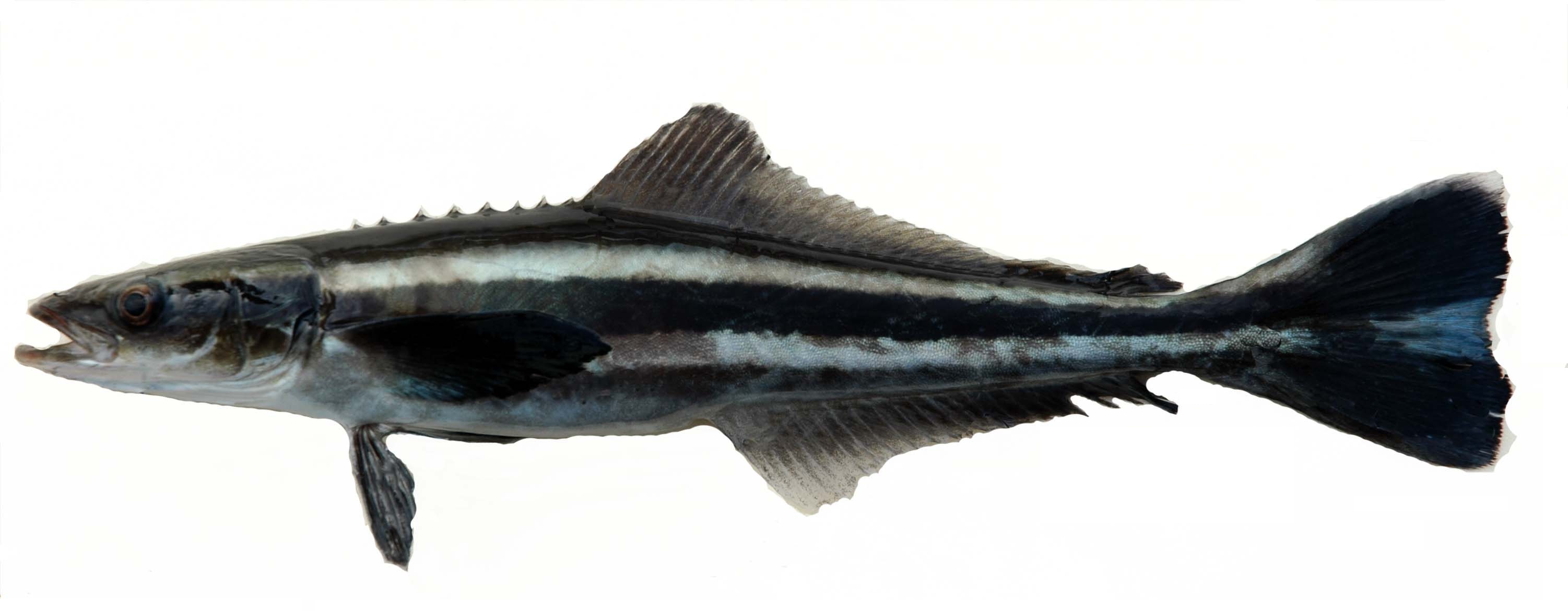

The cobia is one of saltwater fishing's most unique and rewarding targets, a big, brown, powerful bruiser that behaves like no other. Often mistaken for a shark or a giant remora as it cruises lazily along the surface, the cobia (or "ling," "lemonfish," or "crabeater") is famously curious: it follows big rays, sea turtles, and sharks around, hangs beneath buoys and floating debris, and will swim right up to investigate your boat. That curiosity makes cobia the premier sight-fishing target of the nearshore, where you spot a fish cruising and pitch a jig or bait to it. They fight hard, grow huge (over 100 pounds), and are some of the best eating in the ocean. This guide covers cobia behavior and where to find them, and every core technique, with step-by-step instruction, to catch one.
Ready to hunt the ling? Cobia roam the same nearshore waters as other pelagics, so a day of scanning the surface can turn up more than one target, see our companion guide on how to catch king mackerel.
The Curious Brown Bruiser
The cobia (Rachycentron canadum) is the only member of its family, an odd and distinctive fish: a long, thick, muscular brown body with a white belly and a dark horizontal stripe down the side, a broad, flattened head, and a low first dorsal fin of short spines. That shape, combined with its habit of cruising the surface, makes it easy to mistake for a shark or a giant remora at a glance (cobia are actually close relatives of remoras). They don't have cutting teeth, so no wire is needed.
Cobia get big and strong. Most caught fish run 20 to 50 pounds, a fish over 50 is a great one, and the giants exceed 80 to 100 pounds. They're found along the Atlantic and Gulf coasts (and around the world in warm seas), migrating with warm water and roaming nearshore and offshore. Cobia are prized on two fronts: as a spectacular sight-fishing gamefish that fights with dogged power, and as superb table fare, their firm, white, mild flesh is among the best eating in the sea.
The Sight-Fishing Wanderer
Everything special about cobia fishing comes from their curious, wandering, surface-cruising nature. Cobia are opportunists that roam the nearshore looking for an easy meal, and they have a strong habit of associating with large moving objects and structure: they follow big rays, sea turtles, sharks, and schools of fish, shadow floating debris, weed lines, and buoys, and hang around wrecks, reefs, and markers. They're also famously curious about boats and will often swim right up to investigate, which is why you keep a rod rigged and ready at all times.
This behavior makes cobia the classic sight-fishing target. Much of cobia fishing is hunting, running the nearshore or standing in a tower or on the bow, scanning the surface for a cruising cobia (a brown, submarine-like shape), a fish following a ray, or one hanging under a buoy, then pitching a jig or bait to the fish you see. It's visual, exciting, and addictive. Find the fish (often by finding the rays, structure, and floating objects they associate with), and pitch to them.
Where and When to Find Cobia
Cobia relate to structure, floating objects, and the surface. Target:
- Buoys, channel markers, and floating debris, cobia hang beneath them; check every one.
- Big rays, sea turtles, and sharks, cobia follow them, so a cruising ray often has a cobia (or several) in tow.
- Wrecks, reefs, and nearshore structure, cobia hold on and around them.
- The surface, nearshore, cruising cobia patrol the top, spottable from a tower or the bow.
- Beaches and piers in spring, the famous cobia migration runs the beaches, and pier anglers sight-cast to passing fish.
Timing centers on the spring migration: cobia move along the coast with warming water, and the spring run (and into summer) is the marquee sight-fishing season, when cobia cruise the beaches and nearshore in numbers. In the far south they're around much of the year. Clear water and sunny, calm conditions are ideal for spotting fish. Hunt the structure, the rays, and the surface during the spring run, and you'll find cobia.
The Techniques That Catch Cobia
Cobia are caught mostly by sight-fishing with jigs and live bait. Here are the core methods, how to fish each, and when to use it.
Sight-Casting to Cruising Cobia, the signature hunt
Sight-casting, spotting a cobia and pitching to it, is the heart and soul of cobia fishing, and one of the most exciting games in saltwater.
How to fish it: Run the nearshore or work structure and rays, scanning the surface from an elevated spot (a tower, a poling platform, or the bow) with polarized glasses for a cruising cobia, a fish shadowing a ray, or one under a buoy. When you spot one, get within casting range without spooking it, and pitch a jig or live bait a few feet ahead of and past the fish, then work it into its path. Cobia are curious and often follow right to the boat, so be ready to keep working the bait (a figure-eight boatside can trigger a follower). The visual take of a cobia is unforgettable.
How to Sight-Cast Cobia on the SurfaceThe Bucktail Jig, the cobia lure
A heavy bucktail jig is the classic and most versatile cobia lure, easy to pitch accurately to a sighted fish and deadly worked in front of a cobia's nose.
How to fish it: Pitch a heavy bucktail jig (a SPRO Prime Bucktail or similar, 1.5 to 3 oz, often with a soft-plastic trailer like an eel or a shad body) ahead of a spotted cobia, let it sink to the fish's level, and work it with a steady swim or a hop-and-drop across the fish's path. Cobia often track and crush it. Keep a jig rigged and ready on the deck at all times, because a cobia can appear beside the boat without warning. The bucktail's versatility, you can swim it, jig it, or drop it, makes it the go-to cobia lure.
How to Fish a Bucktail Jig for CobiaLive Bait, eels, crabs, and baitfish
Live bait is deadly on cobia, both pitched to sighted fish and fished around structure, a lively eel or a crab is a meal a cobia rarely refuses.
How to fish it: Pitch a live eel, a live crab, a pinfish, or a menhaden on a circle hook to a sighted cobia, or fish it around buoys, wrecks, and structure where cobia hold. Cobia love crabs (their nickname "crabeater" is earned) and eels especially. Let the bait swim naturally to or in front of the fish, and when the cobia eats and turns, let the circle hook load. Live bait is the surest way to get a wary or finicky cobia to commit, and it's the top method for fish holding around structure you can't sight-cast.
How to Catch Cobia: Live Bait, Eels, and JigsFishing Structure, Buoys, and Wrecks, where they hold
When cobia aren't cruising the surface, they're often holding on structure, buoys, markers, wrecks, and reefs, and fishing these methodically produces fish.
How to fish it: Idle up to buoys, channel markers, wrecks, and reefs and look for cobia hanging beneath or beside them (often just under the surface), then pitch a jig or live bait to the fish. If you don't see one, drop a bait or jig down alongside the structure, since cobia may be holding deeper. Work every buoy and marker along your route, cobia frequently hang on these lone pieces of structure. A slow approach and a ready rod let you capitalize the moment you spot a fish shadowing the structure.
Cobia Fishing Tips for BeginnersFollowing Rays and Turtles, the cobia's escorts
One of cobia's most famous habits is following big rays (and turtles and sharks), so hunting the rays is a top way to find cobia.
How to fish it: Scan the nearshore surface for large rays (manta and cownose rays), sea turtles, and sharks cruising or "flapping" along, and check each one for cobia riding along above, beside, or behind it (often more than one). When you spot a cobia on a ray, pitch a jig or live bait just ahead of the fish and work it into its path, being careful not to spook the ray. Cobia use these big animals to flush food and as travel companions, so a cruising ray is a moving billboard that says "check here for cobia." It's a signature and highly effective cobia-hunting tactic.
Sight Fishing Cobia off RaysChumming and Anchoring, bring them to you
Chumming around structure and bait can draw cruising cobia within range, a productive approach when sight-fishing is slow.
How to fish it: Anchor or drift near structure, a wreck, or a bait concentration, and put out a chum slick (cut bait, chum) to draw fish, keeping baits and jigs ready to pitch to any cobia that comes to investigate the slick, they often appear at the surface or beside the boat, drawn by the scent. Chumming can pull in cobia you'd never have spotted, and it keeps you fishing productively when the surface hunt isn't producing. Combine it with live baits soaked around the structure for the best of both approaches.
Chumming Tips for Saltwater FishingAlways Keep a Rod Ready
If there's one habit that defines successful cobia anglers, it's this: always keep a rigged rod within reach. Because cobia are so curious and prone to swimming right up to the boat unannounced, opportunities appear and vanish in seconds, a cobia can materialize beside the hull while you're anchored, drifting a wreck, or even fighting another fish, and if your jig isn't ready to pitch, the fish is gone before you can react.
So keep two or three rods rigged and standing ready, typically a bucktail jig and a live bait, on every cobia trip, and keep your eyes on the water around the boat at all times, not just out at the horizon. Many a big cobia has been caught by an angler who spotted a brown shape easing up to the transom and made an instant, accurate pitch. Train yourself and your crew to shout "cobia!" and grab the ready rod the moment one appears. In a fishery built on curiosity and split-second chances, being prepared is half the battle, the ling that comes to investigate your boat is a gift, but only if you can pitch to it before it loses interest and swims away.
Gear for Cobia
Cobia gear is stout, ready-to-pitch tackle for a big, powerful fish:
- Spinning/casting combo: A 7- to 7-foot-6 medium-heavy or heavy rod with a 5000–8000-size reel and a strong drag, you need to pitch jigs accurately and stop a big, bulldogging fish.
- Line and leader: 30- to 50-lb braid with a 40- to 60-lb fluorocarbon leader (no wire needed, cobia lack cutting teeth).
- Terminal tackle and lures: Heavy bucktail jigs (1.5–3 oz) with soft-plastic trailers, and circle hooks for live bait. Keep a couple of rods rigged and ready at all times.
- Bait: Live eels, live crabs, pinfish, and menhaden.
- Essentials: Polarized glasses (critical for spotting fish), an elevated vantage (tower/bow) if possible, and a sturdy gaff and a plan for controlling a big, thrashing fish at the boat.
Superb on the Table
A big reason cobia are so prized is the eating: their firm, white, mild, and flavorful flesh is among the best in the ocean, excellent grilled, blackened, fried, or as sashimi. Combined with their large size, a single cobia yields a lot of top-quality fillets. Cobia are managed with size and bag limits (often a generous minimum size and a small bag) that vary by state and have tightened in places to protect the stock, so know and follow the current rules, keep a legal fish or two for the table, and handle released fish carefully. A cobia is a rare fish that's both a thrilling catch and a fantastic meal.
Handle a Green Cobia with Care
One word of caution that experienced cobia anglers all learn: a "green" (not-yet-tired) cobia is dangerous at the boat. Cobia are powerful and thrash violently, and a big one brought in before it's played out can wreck a cockpit, break gear, and injure anglers. So make sure the fish is tired before you bring it aboard, have a plan and a good gaff (for keepers) or a controlled release, and keep hands and legs clear of a thrashing fish. Don't rush a big cobia to the boat. Play it out, control it decisively, and you'll avoid the chaos that a fresh cobia can unleash, and get that great fish safely into the box or back in the water.
Hunt the Ling
Cobia sight-fishing rewards knowing the migration timing, the water to hunt, and how to spot fish on rays and structure, plus the elevated vantage and the ready rods that make sight-casting work. It's a uniquely exciting, visual fishery with a great meal at the end. Learn the timing of the spring run in your area, keep polarized glasses on and a jig rigged, and check every ray, buoy, and floating object you pass, the brown shape that eases up to your boat is a chance you only get if you're ready for it.