Fish
Fish Fire
Fire Hike
Hike Bird
Bird

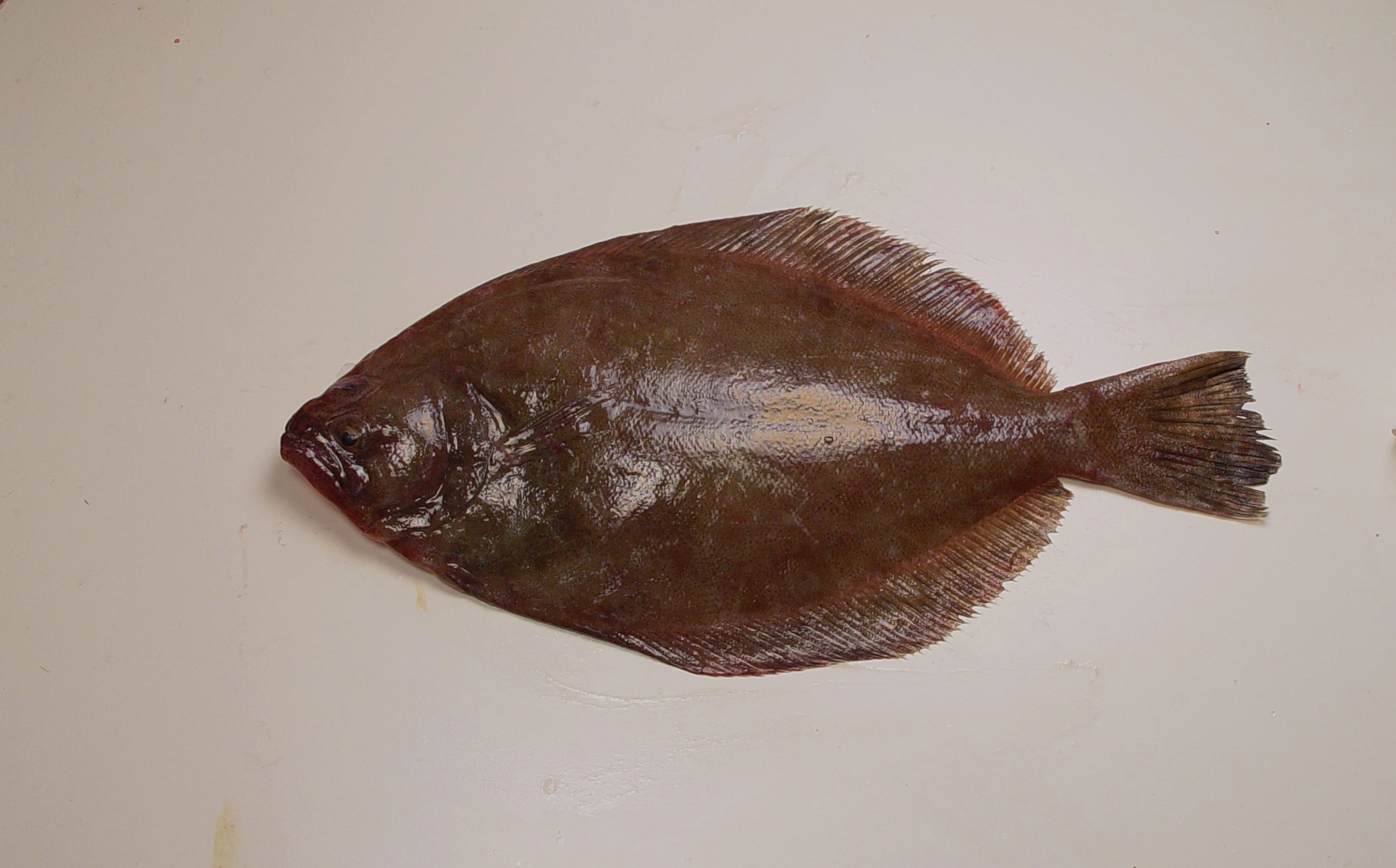

The flounder is the sneak-attack specialist of the inshore world, a flatfish that lies buried in the sand, perfectly camouflaged, and ambushes any baitfish or shrimp that swims within striking distance. Both a delicious prize (few fish rival a flounder fillet) and a fun, technical target, flounder reward anglers who understand how these flatfish hunt and who master the deliberate, patient hookset they demand. Whether you call it a flounder, a fluke, or a "doormat," this camouflaged predator lives around the inlets, channels, docks, and drop-offs of the Atlantic and Gulf coasts, and it's catchable from a boat, a pier, or the surf. This guide covers how flounder hunt and where they lie, and every core technique, with step-by-step instruction, to catch them.
Ready to put some flatfish in the box? Flounder often share the water and tactics with other inshore fish, see our companion guides on how to catch redfish and how to catch spotted seatrout.
The Flatfish Ambusher
A flounder is a flatfish, it begins life as a normal upright fry, then, as it grows, one eye migrates so that both eyes end up on the same (upper) side, and the fish spends its life lying on its side on the bottom. The upper side is a mottled brown, camouflage-perfect to match the bottom (flounder can even change color to blend in), and the fish has a large mouth full of sharp teeth for grabbing prey. Several species matter to anglers: the summer flounder ("fluke") of the Northeast and Mid-Atlantic, and the southern and gulf flounder of the Southeast and Gulf, all caught the same ways.
Most keeper flounder run 14 to 20 inches (one to a few pounds); a big flounder over about 5 pounds is a coveted "doormat," and the giants (mostly summer flounder/fluke) exceed 10 pounds. Flounder are found along the Atlantic and Gulf coasts in bays, estuaries, inlets, and nearshore waters. They're prized as superb table fare, flaky, mild, white fillets, which, combined with the fun of catching them, makes them one of the most popular inshore targets there is.
How Flounder Hunt (and the All-Important Hookset)
Flounder are ambush predators. A flounder buries itself in the sand or mud, often near structure or a current edge, with only its eyes exposed, and waits for a baitfish, shrimp, or crab to pass, then explodes off the bottom to engulf it. This ambush lifestyle shapes everything about catching them.
The single most important thing to understand is the flounder hookset. When a flounder grabs your bait, it typically clamps down and doesn't immediately swallow, you feel a distinctive "thump" or just added weight, then the fish sits there mouthing and repositioning the bait to swallow it head-first. Do not set the hook immediately. Instead, wait a few seconds (or drop back and give a little slack), let the flounder take the bait fully into its mouth, and then reel down and set with steady pressure. Setting too soon pulls the bait right out of its mouth, the number-one reason anglers lose flounder. Patience on the bite is the key to catching them.
Where and When to Find Flounder
Flounder relate to sandy/muddy bottom, structure, and current. Target:
- Inlets, passes, and channel edges, flounder stack where current funnels bait, especially on the drop-offs and along the edges of the flow.
- Structure on sand, the sandy bottom around docks, bridges, jetties, rock piles, oyster bars, and channel markers, where flounder ambush bait.
- Sloughs, cuts, and drains, in the surf and marshes, flounder sit in the deeper cuts and ambush bait washing through.
- Drop-offs and depth changes near flats and creek mouths.
Timing matters: flounder feed on moving water, and, critically, the fall "flounder run," when flounder migrate from the estuaries out through the inlets to spawn offshore (roughly September through November), concentrates fish in the inlets and passes for the best flounder fishing of the year. Fish the current and structure, and time the fall run for the hottest action.
The Techniques That Catch Flounder
Flounder are caught by presenting a bait or lure along the bottom where they ambush. Here are the core methods, how to fish each, and when to use it.
Jigs and Soft Plastics on the Bottom, the versatile approach
A soft-plastic bait on a jighead, worked along the bottom, is the most versatile and effective way to actively hunt flounder.
How to fish it: Rig a soft plastic (a Gulp! Swimming Mullet or a paddle-tail) on a jighead (1/4 to 3/4 oz, matched to current and depth), and hop and drag it slowly along the bottom, lift, let it fall back to the sand, drag, and pause, around structure, drop-offs, and channel edges where flounder lie. Keep it on or right above the bottom, because that's where flounder ambush. When you feel the thump, pause and let the fish take it before setting. Gulp! baits are especially deadly on flounder. Covering the bottom methodically with a jig finds and catches fish.
Top Baits for FlounderLive Bait on a Carolina Rig, hard to beat
Live bait presented on the bottom is a classic, deadly flounder method, a lively baitfish is exactly what a flounder is waiting to ambush.
How to fish it: On a Carolina rig (a sliding egg sinker above a swivel, then a leader to a hook) or a simple fish-finder rig, hook a live mud minnow (mummichog), finger mullet, or a small baitfish through the lips or back, and fish it on the bottom around structure and current edges, either still-fished or slowly dragged. The natural, struggling bait draws the ambush, and the Carolina rig lets the flounder take it without feeling much resistance. Give it the slow hookset, let the flounder clamp down and turn the bait before you set. Live minnows and mullet are among the surest flounder baits.
Best Ways to Rig Mud Minnows for FlounderDrift Fishing, cover water to find fish
Drifting a bait or jig along the bottom lets you cover water to locate flounder, which are often scattered along productive edges.
How to fish it: Set up a drift with the current or wind across likely bottom, channel edges, drop-offs, and sandy flats near structure, dragging a bucktail/jig tipped with a strip of squid or a Gulp!, or a live bait on a bottom rig so it bumps along the sand. Keep contact with the bottom, and when you get a bite, note the spot (flounder often group up on good bottom) and you can drift it again or anchor. Drifting is a top technique for summer flounder (fluke) fishing and a great way to find flounder over larger areas.
Drift Fishing for FlounderFishing Structure and Docks, pick apart the ambush spots
Flounder love the sandy bottom around structure, and methodically fishing docks, bridges, and jetties produces fish, including some big ones.
How to fish it: Work a jig or live bait tight to the structure, casting up-current of dock pilings, bridge fenders, jetty rocks, and channel markers, and letting your offering sweep and settle in the sandy ambush zones beside and beneath the structure. Flounder tuck in near these spots to intercept bait riding the current. Probe the edges, the shadow lines, and the down-current pockets, keeping the bait on the bottom. It's a precise, effective way to target flounder in developed and structure-rich areas, including suburban canals and docks.
How to Catch Flounder Around DocksGigging, the hands-on night hunt
Flounder gigging, wading or boating the shallows at night with a light and a spear ("gig") to spot and take flounder lying on the bottom, is a traditional, exciting, hands-on way to harvest flounder (where legal).
How to fish it: On a calm, clear night, wade or idle a boat across shallow sand flats with a bright light and a flounder gig, scanning the bottom for the tell-tale outline of a flounder lying in the sand (they show up as a distinct fish-shaped shape or a pair of eyes). When you spot one, gig it quickly and firmly to pin it to the bottom, then secure it. Gigging is a productive, social way to gather flounder for the table on the right conditions. Always check your local regulations, as gigging is restricted or prohibited in some areas and seasons.
How to Gig Flounder at NightThe Fall Run, the season to circle
The fall flounder run is the marquee event, when migrating flounder pour through the inlets and passes and the fishing is at its best.
How to fish it: As the water cools in fall (roughly September through November), flounder leave the estuaries and stage in and move through the inlets, passes, and their channel edges on the way to offshore spawning grounds, and they feed heavily. Fish the inlets and channel edges with jigs and live bait on the bottom, concentrating on the moving tides, and you'll intercept concentrated, feeding fish. This is the time for numbers and for doormats. Time your flounder trips to the fall run and fish the inlet bottleneck, and you'll experience flounder fishing at its finest.
Catching Flounder During the Fall RunReading the Bottom for Flounder
Because flounder are bottom ambushers tied to specific spots, knowing what bottom to fish is a big part of catching them, they aren't scattered randomly, but positioned where an ambush pays off. A few keys help you focus on high-percentage water.
Look for the transition zones where sand meets structure or where the bottom changes, a sandy pocket beside an oyster bar, the edge where a channel drops off a flat, the down-current side of a bridge piling. Flounder lie on the soft, sandy or muddy bottom right at these edges, where current sweeps bait past their ambush point. Current is the trigger: moving water carries food to a waiting flounder, so the productive stages of the tide, and the spots where current is funneled (inlets, cuts, channel mouths), concentrate feeding fish. Also key on depth changes, the lip of a drop-off, the deeper slough in the surf, the edge of a channel, where flounder stage to ambush bait moving between shallow and deep.
When you catch a flounder, take note of the exact bottom and depth, because others are often nearby on the same type of spot. Methodically working the sandy edges around structure, on the moving tide, at the right depth, will consistently out-produce randomly casting across a flat.
From the Water to the Table
A big part of flounder's appeal is what happens after the catch, few fish yield finer fillets. Because of their flat shape, flounder are filleted a little differently from a round fish: you get four fillets from a flounder (two from the top side, two from the bottom), cutting down the lateral line and along the backbone, then working the blade over the ribs to lift each quarter-fillet off, and finally skinning it. It takes a little practice, but the payoff is boneless, snow-white, delicately flavored fillets that are superb pan-fried, baked, broiled, or stuffed.
Keep your catch cold from the moment it hits the box, clean the fish promptly, and you'll have some of the best eating in the sea. Just be sure to check your local size and bag limits before keeping any flounder, since the rules are strict and change often, a legal limit of flounder fillets is a reward worth respecting the regulations for.
Gear for Flounder
Flounder gear is sensitive inshore tackle for feeling the bottom and the bite:
- Spinning/casting combo: A 7-foot medium or medium-light rod with a fast, sensitive tip and a 2500–4000-size reel, you need to feel the subtle bottom and the flounder thump.
- Line and leader: 10- to 20-lb braid (for sensitivity and feeling the bottom) with a 15- to 30-lb fluorocarbon leader.
- Terminal tackle and lures: Jigheads (1/4–3/4 oz) and soft plastics (Gulp!, paddle-tails), Carolina-rig components (egg sinkers, swivels), kahle or circle hooks, and bucktails, cover the rod-and-reel techniques. Add a flounder gig and light for gigging.
- Bait: Live mud minnows, finger mullet, and small baitfish; strips of squid for tipping jigs.
A Prize on the Table
Flounder are among the best-eating fish in the sea, and they're managed with size and bag limits (and, for summer flounder/fluke, tightly regulated seasons) that vary by state and change often, so know and follow the current rules for your area. Because flounder are so prized and were overharvested in places, several states have raised size limits and adjusted seasons to protect them, so check before you keep. Handle and release short fish gently. A limit of flounder fillets is one of inshore fishing's great rewards, so enjoy the harvest responsibly and keep the fishery healthy.
Putting It All Together
Knowing the productive inlets, channel edges, and structure, and the timing of the fall run, is what puts you on flounder fast, and mastering the all-important slow hookset is what turns those bites into fish. Work the sandy edges around structure on the moving tide, give the flounder a few seconds to take the bait before you set, and circle the fall run on the calendar so you're fishing the inlet bottleneck when the migration is on. Do that, and you'll consistently bring home one of inshore fishing's finest rewards.