Fish
Fish Fire
Fire Hike
Hike Bird
Bird

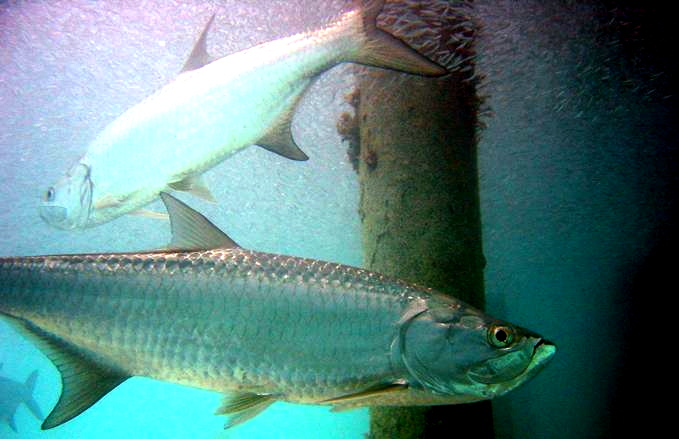

The tarpon is the silver king, and for many anglers, the greatest gamefish in the sea. A big tarpon is a chrome-plated giant that can top 100, even 200 pounds, rolls lazily on the surface to gulp air, then, when hooked, launches its entire massive body clear of the water in a series of gill-rattling, heart-stopping jumps. Tarpon are ancient, migratory, and almost entirely a catch-and-release trophy, pursued with an intensity that borders on religion along the beaches, passes, bridges, and flats of Florida and the Gulf. Hooking one is hard, jumping one is unforgettable, and landing one is a genuine achievement. This guide covers how the silver king behaves and where to find it, and every core technique, with step-by-step instruction, to catch one (and the all-important art of fighting it).
Ready to chase the silver king? Few inshore fish reward patience and preparation the way tarpon do, connecting with and landing your first one is a genuine milestone. Tarpon anchor the inshore and backcountry "grand slam", see our companion guides on how to catch bonefish and how to catch permit.
The Silver King
The tarpon (Megalops atlanticus) is unmistakable and ancient: a deep, chrome-silver body armored in huge, coin-like scales, a large upturned mouth with a jutting lower jaw, a big eye, and a long trailing filament off the dorsal fin. Its most remarkable trait is a modified, lung-like swim bladder that lets it gulp air at the surface, the reason tarpon "roll," porpoising to breathe, which conveniently reveals their location to anglers.
Tarpon get enormous. Juveniles ("babies") of a few pounds live in backwaters and canals, but the migratory adults that draw the crowds run 40 to 150 pounds, with the giants exceeding 200 pounds. They're a warm-water, migratory fish found along the Atlantic and Gulf coasts (Florida is the epicenter), through the Caribbean, and across to West Africa. Crucially, tarpon are primarily a catch-and-release fishery, they're poor eating, slow to mature, and beloved as a sport fish, so nearly every one is released (in Florida, killing one requires a special harvest tag). The whole game is the hookup, the jumps, and the fight.
Understanding the King
Two things define tarpon fishing. First, they're migratory and bait-driven, great schools move along the beaches and through the passes on a seasonal migration (spring into summer in Florida), following bait and water temperature, and they stage at bridges, in passes, on the flats of the Keys, and in harbors. Finding the fish, often by spotting rolling, daisy-chaining, or "laid-up" tarpon, is the first challenge.
Second, tarpon are famously hard to hook and to land. Their mouths are rock-hard and bony, so hooks struggle to find purchase, you must set hard, repeatedly, and use sharp, strong hooks. And once hooked, a tarpon jumps, violently shaking its head to throw the hook, which is where most fish are lost. The angler's counter is to "bow to the king", dropping the rod tip and giving slack each time the fish leaps (more on that below). Understand that you'll hook a fraction of the fish that eat, and land a fraction of those, and every tarpon becomes a triumph.
Where to Find Tarpon
Tarpon relate to migration routes, current, and bait. Target:
- Beaches, during the migration, strings of tarpon cruise just off the sand; a prime sight-fishing and anchoring fishery.
- Passes and inlets, tarpon stack here on the tides to intercept bait (crabs, mullet), a classic live-bait and fly spot.
- Bridges, bridge shadow lines and current, especially at night, hold big tarpon ambushing bait.
- Flats, in the Keys and similar clear-water areas, tarpon are sight-fished on the shallow flats, the pinnacle of the fly game.
- Harbors, rivers, and backcountry, resident and juvenile tarpon, and staging adults, hold in these calmer waters.
Learn the local migration timing and the spots that concentrate fish, watch for rolling tarpon, and you've found the king.
The Techniques That Catch Tarpon
Tarpon are caught on live bait, flies, and lures, presented to fish you've located. Here are the core methods, how to fish each, and when to use it.
Live Bait, the high-percentage approach
Live bait presented to rolling or migrating tarpon is the most reliable way to get bit, from the beaches to the passes.
How to fish it: Match the local forage, a live crab (pass crab on the tide), a live mullet, pinfish, threadfin, or a "pilchard", on a circle hook and a heavy fluorocarbon leader, fished under a float or free-lined so it drifts naturally to a school of tarpon (in a pass, drift crabs down the tide; off the beach, present baits to passing strings). When a tarpon eats and turns, let the circle hook load and come tight hard, then hang on. Live bait, presented to located fish, puts more tarpon in the air than anything else.
How to Hook a Live Crab for TarponFly Fishing, the pinnacle of the sport
Sight-casting a fly to a giant tarpon on a shallow flat is, for many, the ultimate experience in fly fishing, technical, visual, and heart-pounding.
How to fish it: With an 11- or 12-weight fly rod and a stout tarpon leader (a heavy bite tippet is essential for the bony mouth and rough jaw), pole or stake out on a flat and sight-cast a tarpon fly (a Tarpon Toad, Cockroach, or EP baitfish) to a cruising or laid-up fish, leading it and stripping the fly slowly into its path. When the tarpon eats, strip-set hard, multiple times, to drive the hook into that hard mouth, never trout-set. Then clear your line and prepare to bow. Landing a big tarpon on the fly is a bucket-list achievement.
How to Fly Fish for Tarpon: The BasicsLures, swimbaits, plugs, and jigs
Tarpon will crush artificial lures, a great way to cover water and target rolling or feeding fish from a boat, pier, or bridge.
How to fish it: Cast a soft-plastic swimbait (a DOA Baitbuster or a large paddle-tail), a swimming plug, or a heavy jig to rolling fish, current edges, and bridge lights, and retrieve it steadily or with a slow, sweeping action at the fish's level. Lead a rolling fish and bring the lure across its path. As with all tarpon techniques, set hard and repeatedly when a fish eats, and be ready for the jump. Lures let you stay mobile and actively hunt tarpon without livewell full of bait.
Tarpon Fishing with SwimbaitsBridge and Pass Fishing, the current game
Bridges and passes funnel tarpon and bait on the tides, especially at night, and hold some of the biggest fish.
How to fish it: Fish the up-current side and shadow lines of bridges, and the current edges of passes, presenting a live bait, a big soft plastic, or a fly to tarpon holding in the flow to ambush bait. Drift crabs or baitfish down the tide through the fish, or work lures along the shadow line. This is heavy tackle, big-fish fishing in current and structure, often after dark, and it's how many trophy tarpon are hooked. Be ready to chase a big fish with the boat.
How to Catch Tarpon Off the Beach with Live BaitsSight Fishing the Beaches and Flats
Sight fishing, spotting cruising strings or laid-up tarpon and casting to them, is the most exciting way to target the silver king, on the beaches and the Keys flats.
How to fish it: With polarized glasses, watch for strings of migrating tarpon along the beach, daisy-chaining fish, or laid-up singles on a flat, and lead the fish with an accurate cast of a fly, live bait, or lure, presenting it into their path without lining or spooking them. A well-placed bait to a happy, moving tarpon draws the eat. It demands stealth, sharp eyes, and a good cast, and watching a giant tarpon track and eat is unforgettable.
Tarpon Sight-Fishing TipsAnchoring and Chumming, set up on the fish
Anchoring (or staking out) up-current of a tarpon route and chumming or soaking baits lets the fish come to you, a proven beach and pass tactic.
How to fish it: Position up-current of a known tarpon travel lane (a beach trough, a pass, a channel edge), stake out or anchor quietly, and put out a spread of live or fresh dead baits at varying distances, sometimes with a chum of cut bait to draw fish in. Let the current carry your scent and baits to the tarpon moving through. It's a patient, effective way to intercept migrating fish, and it keeps you positioned in the strike zone as strings pass. Stealth on the anchor is key.
Beach Tarpon Anchor SetupFighting a Tarpon, "Bow to the King"
Hooking a tarpon is only the beginning; the fight, and especially the jumps, are where the silver king is won or lost.
How to fish it: The instant a hooked tarpon leaps, and it will, repeatedly, "bow to the king": drop your rod tip toward the fish and thrust it forward, giving slack so the fish can't use a taut line and its violent head-shakes to throw the hook or break off. Bow on every jump. Between jumps, apply strong, low-angle side pressure to keep the fish off balance and tire it, using the boat to follow a big fish and stay connected. Expect a long, grueling battle. And land it responsibly (see below), most anglers never bring a big tarpon fully out of the water. Master the bow, and your landing rate soars.
Tarpon Fighting 101: Bow to the KingWhen to Go: The Migration
Tarpon fishing follows the migration. In Florida and the Gulf, the great push of adult tarpon runs the beaches and passes from roughly April through July (peaking late spring into early summer), the marquee season when the biggest fish are most concentrated and catchable. Resident and juvenile tarpon are available in warm backwaters, rivers, and canals much of the year in the far south. Because tarpon are cold-sensitive, warm water is essential, they retreat or go dormant in cold snaps. Fish the migration windows for the trophy adults, and time your trips to when the strings are running your local beaches and passes.
The Grand Slam
Tarpon are the heavyweight leg of the most coveted achievement in shallow-water fishing: the "grand slam", catching a tarpon, a bonefish, and a permit all in a single day. Add a snook and it becomes a "super slam." These three flats gamefish share the tropical shallows of the Keys, the Bahamas, and the Caribbean, and pulling off a slam requires versatility, stamina, and more than a little luck, since each fish demands its own approach and the biggest tarpon are the hardest piece to land. Chasing a grand slam is a bucket-list quest that pulls anglers to the world's great flats destinations, and it's a big part of why the silver king, the gray ghost, and the black-tailed permit are so revered. Even if the full slam eludes you, a day spent hunting all three on the flats is fishing at its most exciting, and landing any one of them, especially a big tarpon, makes the trip.
Gear for Tarpon
Tarpon gear is big-game inshore tackle, built to fight a huge, jumping fish:
- Spinning/conventional combo: A heavy 7- to 8-foot rod with a large 6000–8000-size spinning or a stout conventional reel and a strong, smooth drag.
- Fly setup: An 11- or 12-weight fly rod with a large-arbor saltwater reel and plenty of backing.
- Line and leader: 30- to 65-lb braid (or heavy fly line) with a proper tarpon leader, a heavy fluorocarbon shock/bite tippet (40–80 lb) is essential to survive the bony, abrasive mouth.
- Terminal tackle and lures: Strong, sharp circle and J hooks, big soft-plastic swimbaits, plugs and jigs, and tarpon flies (Toad, Cockroach, EP baitfish), cover every technique above.
Release the King, and Watch for Sharks
Tarpon are a treasured, slow-maturing, catch-and-release resource, and handling them right is essential. Do not lift a big tarpon out of the water (it can injure the fish and is illegal for larger fish in Florida), leave it in the water boat-side to remove the hook and revive it, supporting it and moving it forward until it swims off strongly. Use heavy enough tackle to land fish quickly rather than exhausting them, and be aware that large sharks often target hooked and tired tarpon, so land fish efficiently and release them healthy. Know and follow your local regulations (including the harvest-tag requirement to keep one). Treat the silver king with the respect it deserves, and the fishery endures.
Meet the Silver King
Tarpon fishing has a steep learning curve, locating migrating fish, presenting to them, driving a hook into that rock-hard mouth, and fighting a giant that will test every knot and all your stamina. The way in is to break it into pieces. Learn your local migration timing and scout the beaches, passes, and bridges for rolling fish. Sharpen your hooks and your hookset, and drill the bow until it's pure reflex. Start with the high-percentage approach, a live crab or mullet drifted to fish you've located, and work toward the fly once you've felt a tarpon eat and jump. Log the hours on your home water, respect the fishery, and the day you finally come tight to and land your first silver king will be one you never forget.