Fish
Fish Fire
Fire Hike
Hike Bird
Bird

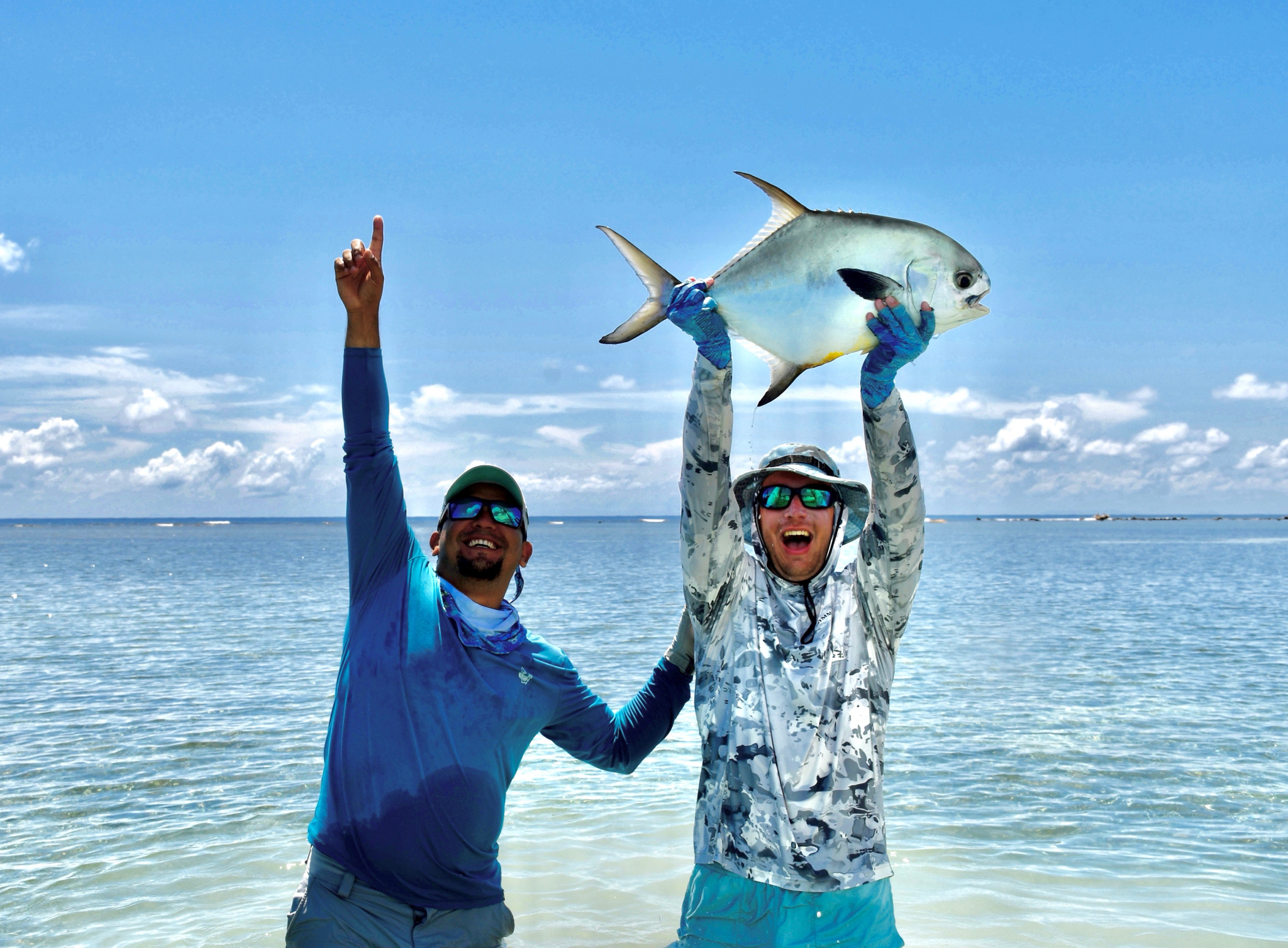

The permit is the holy grail of flats fishing, the fish that humbles the best anglers in the world, breaks hearts on a daily basis, and, when finally landed, means more than almost any other catch in the sea. A permit is a big, silvery, deep-bodied jack with a sickle-shaped black tail, absurd eyesight, and a maddening habit of following your fly or bait, inspecting it with what looks like disdain, and then refusing it and vanishing. Permit are crab specialists, they're spooky beyond belief, and catching one, especially on the fly, is considered by many the pinnacle achievement in shallow-water fishing. This guide covers what makes permit so hard, where to find them, and every core technique, with step-by-step instruction, to catch one.
Ready to test yourself against the holy grail? This is a fish where sharp eyes and hard-won crab knowledge, your own or a trusted local's, matter more than almost anywhere in fishing, so put in your homework before you go. Permit complete the flats "grand slam", see our companion guides on how to catch tarpon and how to catch bonefish.
The Holy Grail of the Flats
The permit (Trachinotus falcatus) is a member of the jack family (a giant cousin of the pompano), and it's built like a silver dinner plate: a deep, flat, disc-shaped body, a high, steep forehead, a small mouth, and a distinctive forked, sickle-shaped black tail, often with a dark blotch on the side and a touch of orange on the belly. It's a powerful, deep-bodied fish that uses its broad flank against you in a dogged, boring fight.
Permit get big. Flats fish commonly run 10 to 25 pounds, and the giants exceed 40 pounds. They're found in the tropical western Atlantic, the Florida Keys, the Caribbean, Belize, Mexico (Ascension Bay is legendary), and the Bahamas, on shallow flats and, in bigger aggregations, around offshore wrecks where they gather to spawn. Permit are prized purely as a catch-and-release sport fish and challenge; nobody chases permit for the table. They're chased for the sheer, maddening difficulty, and the glory of beating one.
Why Permit Are So Hard
Understanding why permit are so difficult is the first step to catching one. First, they're crab specialists, permit love to eat crabs (and shrimp and small crustaceans) that they root off the bottom, tailing on the flats as they do, so your presentation has to imitate a crab, and imitate it convincingly. Second, permit have extraordinary eyesight and are pathologically wary, they spot the boat, the angler, the fly line, a bad cast, or an unnatural movement from a long way off, and they spook or refuse at the slightest wrong note. They will famously follow a fly for yards, tip down as if to eat, and then refuse it for no reason a human can discern.
The result is a fish that gives you few good shots and converts a tiny fraction of them. Success comes from spotting fish early, making a perfect first cast that leads a happy, feeding fish, presenting a crab (fly or real) naturally right in its path, and a lot of patience and luck. Manage your expectations, permit humble everyone, and you'll savor every eat.
Where and When to Find Permit
Permit relate to flats and, seasonally, to wrecks. Target:
- Turtle-grass, sand, and coral flats, where permit tail and cruise to feed on crabs, especially on the higher tides.
- Flat edges, channels, and depressions, travel routes and staging areas.
- Tailing fish, the black sickle tail waving above the surface as a permit feeds nose-down is the sight permit anglers dream of.
- Offshore wrecks and reefs, permit gather in large numbers on wrecks (especially to spawn in the warmer months), a very different, high-percentage fishery.
On the flats, the tide dictates everything (a rising tide flooding a flat brings feeding fish), and on the wrecks, seasonal spawning aggregations concentrate fish. Learn the tides and the timing, watch for tails, and you'll find permit.
The Techniques That Catch Permit
Permit are caught on crab flies, live crabs, and around wrecks. Here are the core methods, how to fish each, and when to use it.
Fly Fishing the Crab, the ultimate challenge
Catching a permit on a fly is, for many, the single hardest and most coveted feat in fly fishing, and it's done by convincing a permit to eat a crab imitation.
How to fish it: With a 9- or 10-weight fly rod, sight-fish the flats and, when you spot a tailing or cruising permit, make an accurate, unhurried cast that leads the fish and drops a crab fly (a Merkin, Del Brown's Permit Crab, or a Flexo crab) softly a few feet ahead of it. Let the fly sink to the bottom (permit eat crabs off the bottom), and give it tiny, subtle movements, or dead-stick it, as the fish approaches, imitating a crab trying to hide or flee. If the permit tips down on it, strip-set. Everything must be right: the spot, the cast, the sink, the movement. When it works, it's magic.
Stripping a Crab Fly for PermitSpotting and Approaching Permit, the setup
You can't catch a permit you can't see or that you've spooked, so spotting and a stealthy approach are half the battle.
How to fish it: With polarized glasses, scan the flats for tailing permit (black sickle tails waving), the dark shape of a cruising fish, nervous water, and flashes as fish turn to feed. Approach quietly, permit are hyper-alert, so a poled skiff must be stealthy and a wading angler must move slowly and low. Position for a good angle and an accurate first cast (permit rarely give seconds), keeping the sun and wind in your favor. The best permit anglers see fish early and set up the shot before the fish knows they're there.
How to Fly Fish for PermitLive Crab on Spin Tackle, the high-percentage way
If your goal is simply to catch a permit, a live crab on spinning tackle is far more forgiving than the fly and the surest way to get one to eat.
How to fish it: On a medium spinning rod, hook a live crab (a small blue crab, pass crab, or the local favorite) on a hook with minimal weight, and present it to a tailing or cruising permit, cast ahead of the fish and let the crab sink naturally to the bottom in its path, or "chum" and soak crabs where permit feed. A permit that finds a real crab is far more likely to commit than to a fly. It's the approachable, high-percentage way to catch your first permit while still hunting them sight-fishing style.
Permit Fishing with Live Crabs (Gear Explained)Wreck Permit, the offshore aggregation
Around offshore wrecks, permit gather in large numbers (especially to spawn in the warmer months), offering a very different and often far more productive fishery than the flats.
How to fish it: Anchor or drift over a wreck or reef holding permit, and present a live crab, a jig, or a fly down to the fish stacked around the structure. Permit on the wrecks are less spooky than flats fish and feed competitively, so hookups come more readily, but you're fighting a big, powerful fish over structure, so use appropriate tackle. Wreck fishing is how many anglers catch their first (and biggest) permit, and it's a spectacular fishery in its own right during the spawning aggregations.
How to Catch Permit on the WrecksMaking the Shot, tips that tip the odds
Because permit give so few chances, maximizing every shot is what separates success from a lifetime of near-misses.
How to fish it: Be ready at all times, line stripped and organized, crab fly or bait in hand, casting arm warm. Make your first cast count with an accurate, soft presentation that leads the fish and lands the crab where the permit is going, not where it is. Get the fly or bait to the bottom and keep movements subtle and natural, permit want a crab behaving like a crab. Watch the fish's body language: a permit that tips down, flashes, or changes direction toward your offering is committing, so be ready to strip-set. And keep your composure, buck fever loses more permit than bad casts. Do the little things right, and eventually the grail is yours.
Permit Fishing TipsWhen to Go
Permit can be caught year-round in the tropics, but timing helps. On the flats, the fishing keys on tides and weather, warm, calm, sunny days that let you spot tailing fish, with a good tide flooding the flat, are ideal, and permit tail most in the shallow warmth. Around the wrecks, the spawning aggregations of the warmer months (roughly spring into summer) concentrate large numbers of fish and offer the highest-percentage shot at a permit. Permit are warm-water fish and get finicky (or absent) in cold snaps. Plan flats trips around good light and tides, and wreck trips around the spawning season, and you'll maximize your chances at this difficult fish.
The Hardest Leg of the Slam
Permit hold a special place in flats fishing as the hardest and most coveted leg of the "grand slam", landing a tarpon, a bonefish, and a permit in a single day. Of the three, the permit is almost always the sticking point; anglers routinely catch tarpon and bonefish and then spend years, even a lifetime, chasing the permit that completes the slam. Add a snook and it becomes the "super slam," rarer still. This is why permit destinations like Ascension Bay, Belize, and the Florida Keys are hallowed ground, and why a grand slam, with the permit at its heart, is one of the most celebrated achievements in the sport. If you're chasing a slam, plan your day so you can pivot to permit when a good shot appears, because that's the fish that will make or break it, and the one you'll remember most.
Managing the Heartbreak
No fish will break your heart like a permit, and part of catching one is managing the emotional grind of the pursuit. You will make perfect casts to fish that follow, tip down, and refuse. You'll get busted by fish you never saw. You'll blow easy shots to buck fever. This is normal, even the best permit anglers and guides measure success in eats and landed fish across many days, not many hours.
The anglers who eventually beat permit are the ones who stay patient, stay ready, and treat every refusal as information rather than failure. Keep your composure when a fish is tracking your fly, make the next cast just as carefully as the last, and remember that with permit, the difficulty is the point, the fish means so much precisely because it's so hard. Go in with realistic expectations and a love of the hunt itself, savor the eats even when they don't stick, and when a permit finally eats and stays buttoned, the years of heartbreak evaporate in an instant. Few moments in fishing compare.
Gear for Permit
Permit gear must handle a big, powerful, wary fish:
- Fly setup: A 9- or 10-weight fly rod with a strong saltwater reel, a smooth drag, and ample backing, permit run and fight hard.
- Spinning setup: A 7- to 8-foot medium or medium-heavy spinning rod with a 4000–6000-size reel for live crabs and wreck fishing.
- Line and leader: For fly, a bonefish/permit taper floating line and a tapered leader to a 12- to 20-lb tippet; for spin, 15- to 30-lb braid with a 20- to 40-lb fluorocarbon leader.
- Flies and terminal tackle: A selection of crab flies (Merkin, Del Brown's, Flexo) in different weights, strong hooks for live crabs, and jigs for the wrecks.
- Essentials: Polarized glasses for spotting fish, and patience in large quantities.
Handle a Hard-Won Fish with Care
A permit is a rare and precious catch, and it deserves careful handling. Land the fish as quickly as your tackle allows, keep it in the water, support its broad body horizontally, remove the hook, and revive it fully, moving it forward until it kicks away strongly, before release. Watch for sharks, which readily target hooked and tired permit on the flats and wrecks. Permit are a treasured catch-and-release resource (protected from harvest in many areas), so treat every one as the trophy it is. Get that quick photo and let it swim off to challenge the next angler.
Put in the Time and Chase the Grail
Permit fishing rewards experience more than perhaps any other fishery, the eyes to spot fish, the knowledge of the flats and wrecks and tides, the boat-handling to put yourself in position, and the calm to get through the shot. For a fish this hard, that hard-won expertise is the difference between a grail and a good story. Study the tides, log your days on the water, learn the flats and wrecks near you, and lean on the knowledge of anglers who have put in the years. The permit hands itself to no one, but the angler who prepares, stays patient, and keeps showing up is the one who eventually holds one.