Fish
Fish Fire
Fire Hike
Hike Bird
Bird

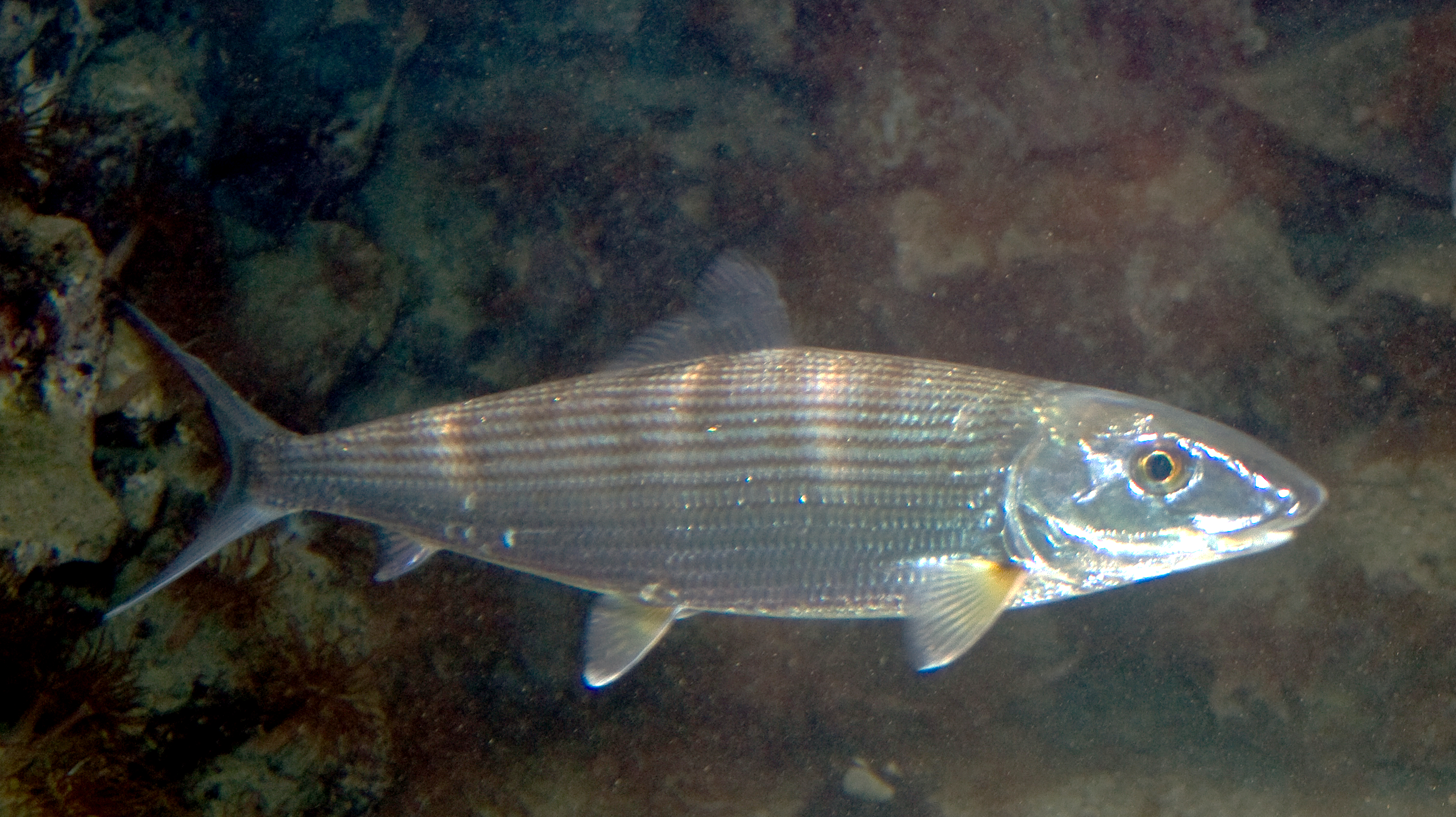

The bonefish is the "gray ghost", a chrome-plated, mirror-scaled speedster that haunts the tropical flats and vanishes against the sand until it's right on top of you, then, when hooked, tears off on one of the most blistering runs in all of fishing. Bonefish are the quintessential flats sight-fishing quarry: you hunt them on foot or from a poled skiff in gin-clear shallows, spotting a tailing or cruising fish, making a careful cast, and holding your breath as it tracks your fly or bait. They're wary, they're fast, and they live in some of the most beautiful water on earth, the Bahamas, the Florida Keys, the Caribbean, and beyond. This guide covers how to find and read bonefish, and every core technique, with step-by-step instruction, to catch one.
Ready to hunt the gray ghost? A sharp set of eyes and hard-won local knowledge are invaluable for bonefish, but plenty of anglers learn to read the flats on their own, too. Bonefish are a key leg of the flats "grand slam", see our companion guides on how to catch tarpon and how to catch permit.
The Gray Ghost
The bonefish (Albula vulpes) is built for the flats: a sleek, silvery, mirror-like body that reflects the bottom and makes it nearly invisible in shallow water (hence "gray ghost"), a deeply forked tail built for speed, and a blunt, downturned mouth for rooting food off the bottom. Everything about it is designed for one thing, feeding in the shallows and escaping predators at astonishing speed.
Most bonefish run 2 to 6 pounds, a fish over 8 is a trophy, and the giants (from places like the Florida Keys and Hawaii) exceed 10 to 14 pounds. They're found on tropical and subtropical flats around the world, the Bahamas are the bonefishing capital, with the Keys, the Caribbean, Mexico, Belize, the Seychelles, and Hawaii all famous. Bonefish are almost entirely a catch-and-release sport fish (they're bony and not eaten in most places), prized purely for the hunt and their incredible fight: a hooked bonefish can peel 100 yards of line off your reel in seconds. Pound for pound, few fish run like a bonefish.
Understanding Bonefish
Two things define bonefishing. First, bonefish feed on the shallow flats, rooting nose-down in the sand and turtle grass for shrimp, crabs, small crustaceans, worms, and clams, often in water barely deep enough to cover their backs. As they tip down to feed, their tails break the surface ("tailing"), and schools rooting the bottom stir up clouds of sediment ("mudding"), both dead giveaways. They move onto the flats to feed with the tide and slide off into deeper channels and edges as it drops.
Second, bonefish are extremely wary and spook easily. In that shallow, clear water they're hyper-alert to shadows, noise, splashy casts, and lines dropped on top of them. So bonefishing is a stealth game, approach quietly, cast accurately and softly, and lead the fish. Get the presentation right to a happy, feeding bonefish, and the reward is that unforgettable, drag-screaming run.
Where and When to Find Bonefish
Bonefish relate to shallow flats and the tides. Target:
- Sand, marl, and turtle-grass flats, the classic bonefish grounds, especially where you can spot fish against a light bottom.
- The tide, bonefish move onto the flats to feed on the rising and higher tides and pull off to deeper edges and channels as the tide falls; timing the tide is everything.
- Flat edges, channels, and drop-offs, travel routes and staging areas, good on lower tides.
- Tailing and mudding fish, look for waving tails at the surface and clouds of mud that reveal feeding fish and schools.
Learn the local tides (a rising tide flooding a flat is prime), watch for the signs, and you'll find bonefish.
The Techniques That Catch Bonefish
Bonefish are a sight-fishing fish, taken on fly, light spin tackle, and bait. Here are the core methods, how to fish each, and when to use it.
Fly Fishing, the classic bonefish game
Bonefish are the iconic fly-rod flats species, and sight-casting a fly to a tailing or cruising bonefish is the heart of the sport.
How to fish it: With an 8-weight fly rod, wade or pole the flats and spot a feeding or cruising bonefish, then make an accurate, soft cast that leads the fish, dropping a bonefish fly (a Gotcha, Crazy Charlie, or a small shrimp/crab pattern) a few feet ahead and in its path, so it can see the fly settle. Let it sink to the bottom, and give it small, slow strips as the fish approaches to imitate a fleeing shrimp. When the bonefish tips down on it, strip-set. Accuracy, a delicate presentation, and not spooking the fish are everything.
How to Fly Fish for BonefishSpotting Bonefish, the essential skill
Before you can cast, you have to see the fish, and learning to spot the gray ghost is the single most important bonefishing skill.
How to fish it: Wearing good polarized glasses and with the sun at your back when possible, scan the flat for the signs of bonefish: tails waving above the surface as they feed nose-down, clouds of mud where schools are rooting the bottom, "nervous water" and wakes pushed by moving fish, and the flash or shadow of a fish against the bottom. Bonefish are famously hard to see, so train your eye to pick out movement and subtle disturbances rather than the whole fish. The better you spot them, the more shots you get, and bonefishing is a game of shots.
How to Spot Bonefish on the FlatsSpin Fishing, an accessible approach
You don't need a fly rod to catch bonefish. Light spinning tackle with a small jig is effective, more forgiving in the wind, and a great way to get started.
How to fish it: With a light spinning rod, cast a small bonefish jig (1/8 to 1/4 oz, often tipped with a bit of shrimp) or a soft-plastic shrimp ahead of a spotted fish, let it sink to the bottom, and give it small hops and slow drags to imitate a fleeing crustacean as the fish approaches. The same sight-fishing principles apply, lead the fish, present softly, don't spook it. Spinning tackle handles wind better than a fly rod and is a very effective, approachable way to catch bonefish.
Bonefishing Made Simple with Spin TackleShrimp Bait, the surest bite
Live or fresh dead shrimp is deadly on bonefish and the most reliable way to get bit, especially for beginners or on tougher days.
How to fish it: On a light spinning or bait rod, fish a live or fresh dead shrimp on a small hook with just enough weight (a split shot or a small jighead) to hold bottom, and present it to a spotted fish or a mudding school, or "chum" a spot with cut shrimp and soak a bait. Let the bonefish find and root up the shrimp, and come tight when it takes. Bait fishing removes some of the presentation challenge and is a great way to catch your first bonefish, though many purists prefer the sight-fishing hunt with lures and flies.
How to Rig Dead Shrimp for BonefishWading the Flats, hunt on foot
Wading is an intimate, effective, and affordable way to bonefish, you slow down, get low, and stalk fish on foot across the shallows.
How to fish it: With flats boots to protect your feet, wade slowly and quietly across a firm-bottomed flat, moving into the sun or wind as conditions dictate, and stalk feeding and cruising bonefish, making short, accurate casts to fish you spot. Wading keeps you low and stealthy (bonefish spook less at a wading angler than a boat), lets you cover a flat methodically, and puts you right in the hunt. It's how many anglers fish the Bahamas' vast wadeable flats, and it's a pure, rewarding way to chase the gray ghost.
How to Wade Fish for BonefishFighting a Bonefish, let it run
Hooking a bonefish triggers one of fishing's great moments: an instant, blistering run that you don't fight so much as survive and manage.
How to fish it: The instant a bonefish feels the hook, it rockets across the flat, so let it run against a smooth, light drag, do not try to stop that first run, and make sure your line clears cleanly (a tangle here means a break-off). Keep the rod up, let the fish take line and backing, and only apply pressure once the run slows, then work it back with steady, gentle pressure, ready for a second run. Because bonefish are fragile and often shadowed by sharks and barracuda on the flats, land them quickly and release them gently, reviving the fish before it swims off.
How to Fight a BonefishThe Great Bonefish Destinations
Part of bonefishing's magic is where it takes you. The pursuit is centered on some of the most beautiful shallow-water flats on earth, and a bonefish trip is as much a destination adventure as a fishing outing:
- The Bahamas are the bonefishing capital of the world, endless wadeable and polable flats across Andros, Grand Bahama, the Abacos, the Berry Islands, and countless out islands, with lodges and DIY options for every angler.
- The Florida Keys are famous for big, wary trophy bonefish, some of the largest and hardest-earned fish anywhere.
- The Caribbean, Mexico, and Belize (Ascension Bay, the Yucatán, Turneffe) offer abundant bonefish and a real shot at a grand slam.
- The Seychelles and other Indo-Pacific flats hold huge numbers of bonefish in remote, spectacular settings.
- Hawaii grows the giants, the biggest bonefish in the world swim its flats, though they're famously tough.
Whether you want easy wading and lots of fish or a shot at a giant, there's a bonefish destination to match, and the settings are half the reward.
Bonefishing Is a Game of Shots
More than most fishing, bonefishing is a game of shots, opportunities to cast at fish you've spotted, and understanding that changes how you approach a day on the flats. You might pole or wade for a while seeing nothing, then get a flurry of chances as fish move onto a flat with the tide. Every shot counts, so you want to be ready at all times: line stripped out and organized at your feet, fly or lure in hand, and your casting stroke warmed up, so when the call comes, "eleven o'clock, forty feet, moving left", you can deliver quickly and accurately.
The anglers who catch the most bonefish aren't necessarily the best casters, they're the ones who stay alert, spot fish early, and make a good first cast to each one before it's spooked or gone. Bonefish rarely give you a second chance once they've seen you, so a prompt, accurate, delicate presentation to a happy fish is everything. Treat each shot as precious, practice your quick, accurate cast before the trip, and your success rate will climb, and so will your enjoyment of this uniquely engaging, hunt-driven fishery.
Gear for Bonefish
Bonefish gear is light and built for long runs:
- Fly setup: An 8-weight fly rod with a quality large-arbor saltwater reel, a smooth drag, and plenty of backing (bonefish run far) is the standard.
- Spinning setup: A 7-foot light or medium-light spinning rod with a 2500–3000-size reel for jigs and bait.
- Line and leader: For fly, a weight-forward floating bonefish line and a 9- to 12-foot leader tapered to 8–12 lb; for spin, 10- to 15-lb braid with a fluorocarbon leader.
- Flies and lures: Bonefish flies (Gotcha, Crazy Charlie, shrimp and crab patterns) in a range of weights, plus small bonefish jigs and soft-plastic shrimp.
- Essentials: Polarized glasses (non-negotiable for spotting fish) and flats boots for wading.
Handle the Ghost with Care
Bonefish are a pure catch-and-release resource, and because they live in a shallow world full of predators, gentle, quick handling is essential. Land the fish quickly, keep it in the water, wet your hands, support it, remove the hook, and revive it fully, moving it forward through the water until it kicks away strongly, before releasing, and watch for sharks and barracuda that key on tired bonefish. Pinch your barbs for easy release. The great bonefish flats depend on healthy fish, so treat every gray ghost as the treasured sport fish it is.
Finding Your First Gray Ghost
Bonefishing rewards local knowledge and sharp eyes more than almost any fishery. A good flats guide knows which flats fish on which tides and can spot bonefish you'd never see and pole or wade you into perfect position, and for your first bonefish or a trip to a new destination, that kind of local know-how dramatically shortens the learning curve. If you'd rather go it alone, do your homework first, scout the flats, learn the tide windows and the access points, and get your quick, accurate cast dialed before you ever step onto the water. Either way, the gray ghost rewards preparation: know the flat, time the tide, and put a good first cast in front of a happy, feeding fish.