Fish
Fish Fire
Fire Hike
Hike Bird
Bird

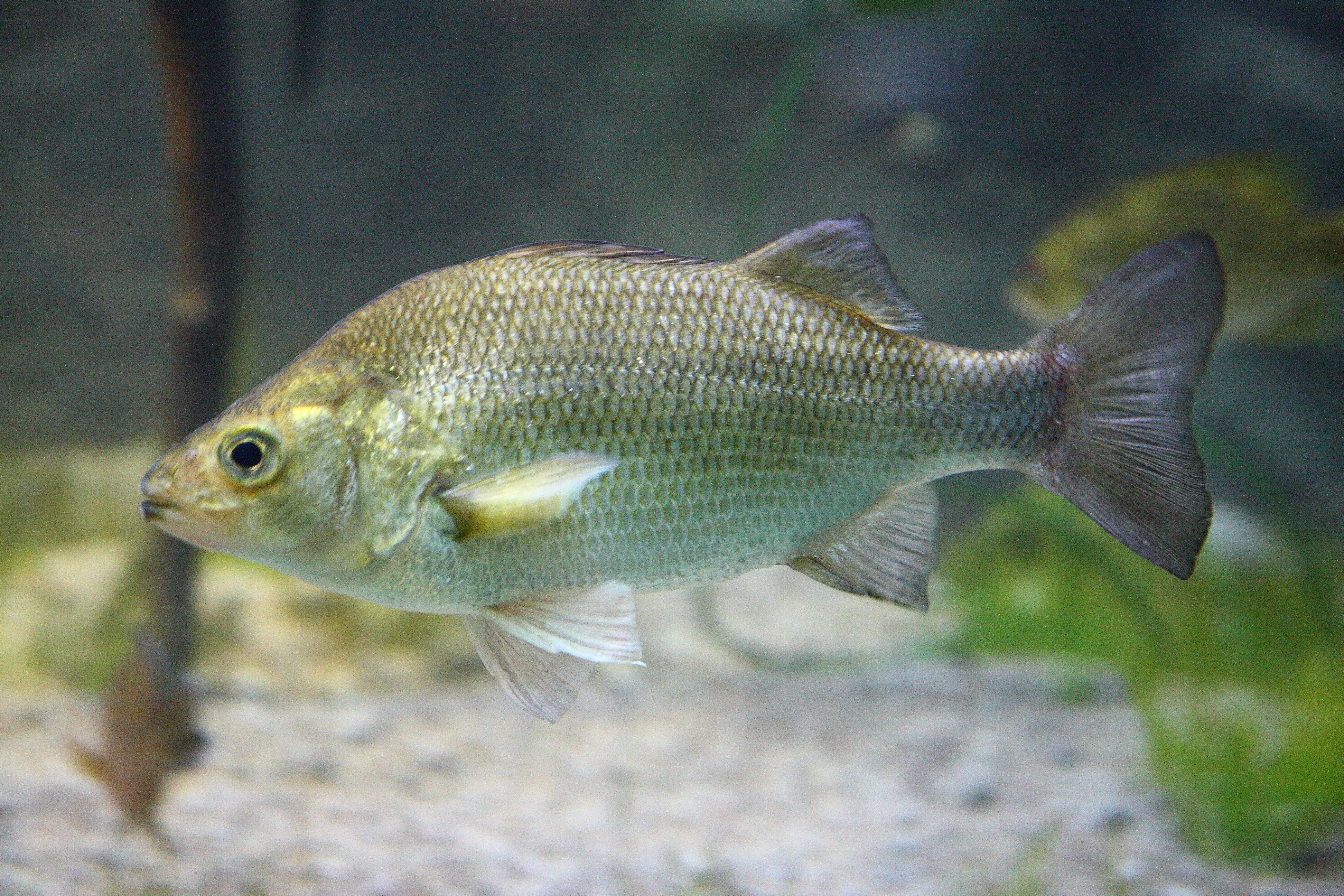

The white perch (Morone americana) is one of the most abundant, accessible, and downright tasty fish along the East Coast and beyond. Despite the name, it isn't a true perch at all, it's a temperate bass, a smaller cousin of the striped bass and white bass, and it schools in enormous numbers in the tidal rivers, brackish estuaries, bays, and lakes of the Atlantic seaboard and connected waters. White perch will never win a fight-of-the-year award at half a pound to a pound, but they make up for it by being everywhere, easy to catch once you find them, and superb on the plate. This guide covers how to find and load up on white perch, from the famous spring run to year-round jigging and bottom fishing.
What Is a White Perch?
The white perch is a deep-bodied, silvery temperate bass, generally olive to gray-green on the back fading to bright silver sides and a white belly, with a spiny front dorsal fin. It looks like a smaller, plainer cousin of the striped bass, without the distinct horizontal stripes (young white perch may show faint lines that fade with age). Most run 6 to 10 inches and a quarter to three-quarters of a pound; a "jumbo" white perch over a pound is a prize, and they occasionally reach 2 pounds or more.
The key facts for anglers are that white perch are schooling, opportunistic feeders that travel in large groups, often in tight schools by size, and roam constantly in search of food, small baitfish, worms, grass shrimp, insects, and crustaceans. They tolerate a wide range of salinity, thriving in fresh, brackish, and even near-saltwater, which is why they're so widespread in tidal systems. And they make a famous spring spawning run up tidal rivers and creeks, which produces some of the most fast-paced, cooler-filling fishing of the year. Find the school, and you can often catch white perch as fast as you can reel them in.
Where and When to Catch White Perch
White perch are native to the Atlantic coast from the Maritimes down to the Carolinas and have spread into the Great Lakes and many inland lakes and reservoirs. Look for them in tidal rivers, brackish estuaries, bays, coastal ponds, and lakes, around structure and current where baitfish gather: bridge and dock pilings, channel edges, drop-offs, points, rocky bottom, oyster bars, and creek mouths. Because they school and roam, locating the fish is 90% of the battle; once you're on a school, the action is usually fast.
The signature time is the spring spawning run. In early spring, white perch move out of deeper wintering water and run up tidal rivers and creeks to spawn, stacking up in huge numbers in the upper tidal and freshwater reaches, this run (often March into May, depending on latitude) is when white perch fishing is easiest and most productive, and anglers line the banks and creeks to fill coolers. Beyond spring, white perch are catchable year-round: in summer they spread through the bays and rivers around structure, in fall they school up and feed heavily, and in winter they concentrate in deeper holes where they're a popular target, including through the ice in northern lakes. Warm-season fishing is often best early and late in the day, but the spring run can be all-day fast action.
Small Jigs and Grubs
The most versatile and productive way to catch white perch is with small jigs tipped with soft-plastic grubs. White perch have small mouths and school tightly, so a compact jig is deadly, especially when you find fish stacked on structure.
How to Find and Catch White Perch All Day LongFish a 1/16 to 1/8 ounce jighead dressed with a small curly-tail grub, shad body, or soft-plastic minnow (chartreuse, white, and pink are perennial producers), and work it near the bottom around structure and current. Cast and hop it back, or vertically jig it under the boat over a school. A tandem or "perch pounder" rig, two small jigs or shad darts fished in tandem, is a classic white perch setup that lets you catch doubles and quickly show the school two offerings at different depths. When you contact a school, stay on them and keep dropping back, because white perch schools can be thick and willing.
Bottom Rigs and Bloodworms
For sheer numbers, especially with kids or when the fish are scattered, nothing beats bait on a bottom rig. White perch are opportunistic bottom feeders that home in on scent.
Catching White Perch with BloodwormsFish a two-hook bottom rig (a top-and-bottom or high-low rig) with small hooks baited with bloodworms, grass shrimp, small pieces of cut bait, nightcrawlers, or minnows, anchored on the bottom near structure or in a channel. Bloodworms and grass shrimp are legendary white perch baits, and even small pieces work because of the perch's small mouth. Cast it out, keep a tight line, and watch for the sharp, rattling taps of feeding perch, then reel up, often with a fish on each hook. Chumming or simply staying put and letting a school find your scent trail can turn a slow spot into a hot one. This simple, effective approach is how generations of anglers have filled buckets with white perch.
Fishing the Spring Run
The spring spawning run is the white perch highlight of the year, and it deserves its own game plan. As perch pour up the tidal rivers and creeks to spawn, they concentrate in the upper tidal and freshwater stretches in incredible numbers.
Tips for Catching White Perch in the SpringTarget the upper reaches of tidal rivers and feeder creeks, focusing on current seams, deeper bends and holes, and areas below any current break or obstruction where perch stage. During the run, small jigs, shad darts, grass shrimp, bloodworms, and small spinners all produce, often on nearly every cast when you hit a wave of fish. Timing matters, the run builds and peaks over a few weeks and can shift with water temperature and flow, so a little local knowledge (or just checking a productive creek repeatedly) pays off. The spring run is also prime time for a mixed bag, since white perch, yellow perch, crappie, and other species often run the same creeks. When the run is on, it's some of the most fun, fast, family-friendly fishing anywhere.
Jigging Schools and Deeper Water
Outside the spring run, in summer, fall, and winter, white perch relate to deeper structure and open water, and vertical jigging over located schools is the top tactic.
Jigging for Jumbo White PerchUse electronics or local knowledge to find schools holding on channel edges, humps, bridge pilings, and deep holes, then drop small jigging spoons, jigs, or a jig-and-grub straight down to them and work it vertically. In fall, white perch school heavily and feed up for winter, and in winter they stack in deep holes (and under the ice up north), where a small jigging spoon or teardrop tipped with bait is deadly. When you're marking fish, jig aggressively enough to trigger reaction strikes but be ready to slow down and finesse them on tough days. Because the fish are schooled, once you dial in the depth and cadence you can often catch a lot from one spot.
Casting Small Lures
White perch are aggressive little predators that readily hit small casting lures, which makes for fun, active fishing when the fish are shallow or chasing bait.
The Only Rigs and Lures You Need for White PerchSmall inline spinners (like a Beetle Spin or Roostertail), tiny spoons, small crankbaits, and small soft-plastic swimbaits all draw strikes, especially when perch are feeding on baitfish around structure and current. Cast to pilings, points, seams, and shorelines and retrieve steadily, letting the flash and vibration call fish out of the school. This run-and-gun approach is a great way to cover water and locate roaming schools, and when you find them, you can switch to jigs or bait to capitalize. Because white perch have small mouths, keep your lures compact and your hooks sharp.
Understanding White Perch Behavior
Consistent white perch success comes down to one thing above all: finding the school. White perch are gregarious, constantly-moving fish that travel in large groups, so a spot can be dead one minute and loaded the next as a school moves through, and once you locate them, the catching is usually easy. Focus your search on the places that concentrate baitfish and current: structure, drop-offs, channel edges, pilings, points, and creek mouths, and in spring, the upper tidal rivers where they spawn.
Think seasonally, too. Spring means the spawning run up the creeks; summer means structure and current in the bays and rivers, often best in low light; fall means heavy schooling and aggressive feeding; winter means deep holes and ice. White perch aren't fussy feeders, they'll take bait, jigs, and small lures readily, so the puzzle is location and depth far more than presentation. Cover water, use your electronics or local reports, and when you catch one, work that spot hard, because there are almost certainly many more right there.
Tackle and Rigging Tips
White perch fishing is light-tackle fishing, and matching your gear to these small, small-mouthed fish makes it far more fun and productive. A light or ultralight spinning rod with 4- to 8-pound line is ideal: it casts small jigs and bottom rigs well, telegraphs the sharp, rattling white perch bite, and turns a modest fish into a lively little scrap. Keep your terminal tackle compact, small jigheads, small hooks (size 4 to 8), shad darts, and small spinners, because oversized offerings simply won't fit or interest a white perch's small mouth.
A few rigging details pay off. When bottom fishing, a two-hook high-low rig lets you sample two depths and double up, and adding a small bead or a touch of color near the hook can help draw strikes in stained water. When jigging, experiment with jig weight to match the depth and current, heavy enough to hold bottom and feel the bite, light enough to fall naturally. The tandem jig rig is worth mastering, since two small jigs not only catch doubles but help you quickly figure out which color and depth the school wants. And always carry a few colors of soft-plastic grubs; chartreuse and white are staples, but on any given day pink, motor oil, or a natural shad pattern can be the difference-maker. Sharp hooks matter more than most anglers think with these light-biting, papery-mouthed fish.
A Great Fish for New and Young Anglers
Few species are better for introducing someone to fishing than the white perch. They're abundant and widespread, they bite readily on simple baits like bloodworms and grass shrimp under a basic bottom rig, and when you find a school the action is fast and steady, exactly the kind of nonstop catching that hooks a new angler for life. You don't need a boat or fancy gear: countless white perch are caught from banks, docks, piers, and bridges, especially during the spring run when the fish crowd into accessible tidal creeks.
Because white perch are so willing and so numerous, they build confidence and skills without the frustration that tougher species can bring, and the reward at the end, a cooler of some of the best-eating fillets around, makes for a complete, satisfying outing. Bring a light rod, a few bottom rigs, a container of bloodworms or grass shrimp, and a bucket, find a spot with current and structure during the run, and you have a recipe for a memorable day on the water with kids or first-timers. That combination of accessibility, fast action, and great eating is exactly why the white perch has been a beloved gateway fish for generations of anglers.
Cleaning and Eating White Perch
White perch are widely considered one of the best-eating panfish in the world, the flesh is white, flaky, sweet, and mild, and many East Coast anglers rank it at the very top of the freshwater and estuary table-fare list.
How to Fillet White Perch Quick and EasyFillet white perch as you would any panfish, removing the skin and rib bones for clean, boneless fillets; larger "jumbo" perch obviously give more meat per fish, but even modest perch are worth cleaning when you catch a lot of them. The mild, sweet fillets are outstanding pan-fried, deep-fried, baked, or broiled, and a big catch of white perch makes a classic fish fry. Because white perch are so abundant and, in many places, considered overpopulated or even invasive (as in parts of the Great Lakes), keeping a generous mess of them for the table is both encouraged and delicious. Ice your catch to keep the fillets firm and sweet, and check local regulations, which are often liberal for this prolific fish.
Bringing It All Together
White perch are the quintessential fun, accessible, put-fish-in-the-cooler species. Find the school, on structure, in current, or running up the tidal creeks in spring, and then take your pick: hop a small jig-and-grub, soak bloodworms on a bottom rig, vertically jig a spoon over a deep school, or cast a small spinner to chasing fish. They're not fussy, they're everywhere along the Atlantic slope and beyond, they run in numbers that make for nonstop action, and they're among the finest-eating fish you can fry. Learn to locate the schools, and white perch will reward you with full coolers and great meals season after season.
For more schooling panfish and temperate bass, see our guides to the white bass, the yellow perch, and the striped bass.
The hardest part is always locating the fish, so scout your local tidal rivers and creeks, learn the pilings, channel edges, and creek mouths that hold bait, and keep notes on where the schools show during the spring run. The same productive water tends to fire year after year, and a white perch feast is rarely more than a short scouting trip away.