Fish
Fish Fire
Fire Hike
Hike Bird
Bird

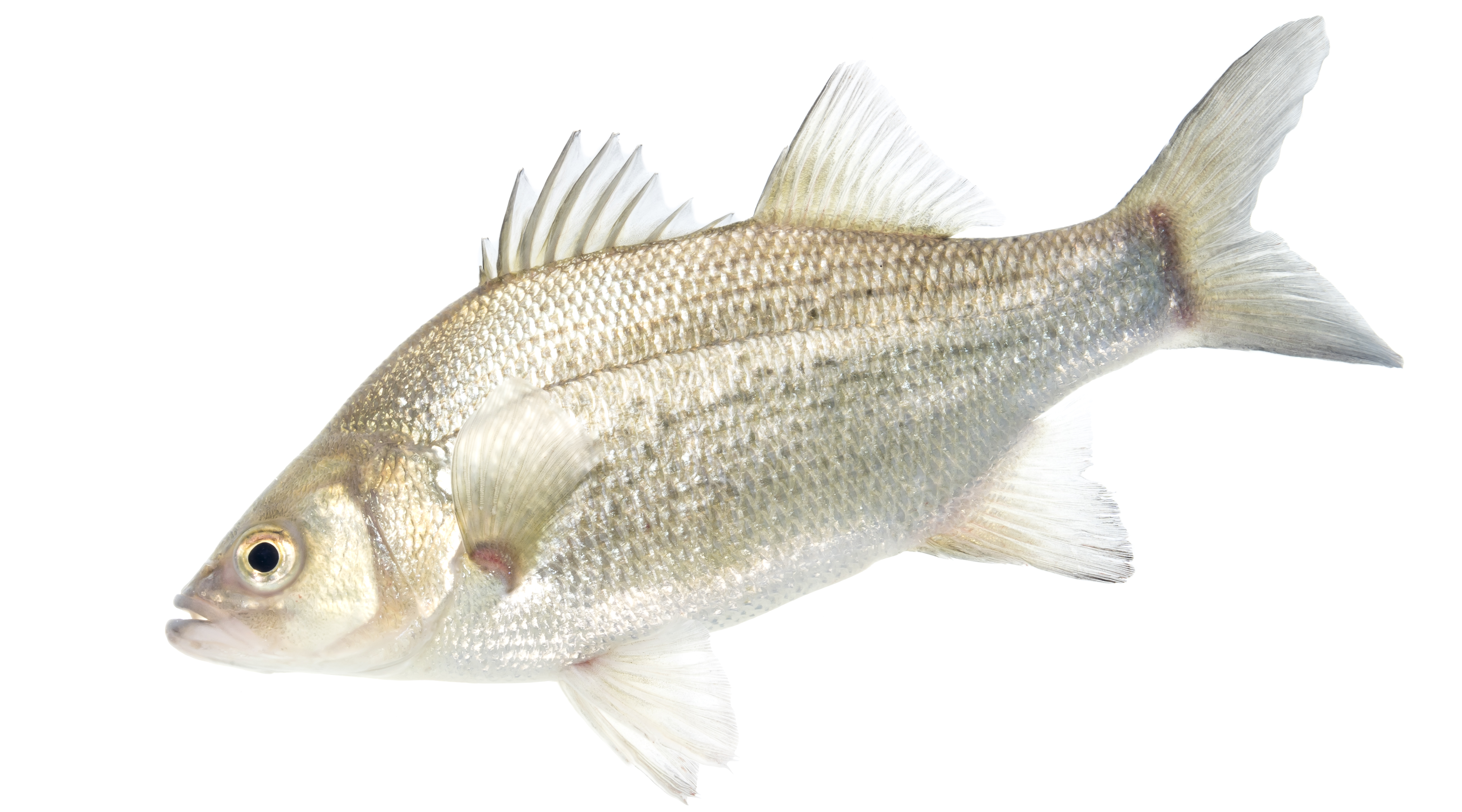

Few freshwater fish deliver fast, furious action like the white bass. A silvery, hard-fighting member of the temperate bass family (the same clan as the striped bass), the white bass, "sandie" or "sand bass" to many anglers, travels in enormous schools and feeds with reckless aggression. Find a school, and you can catch fish on nearly every cast; hit the spring spawning run just right, and you'll lose count. Widespread across reservoirs and rivers throughout the central and eastern United States, the white bass is one of the great numbers fisheries in fresh water, a fish that's easy to catch, willing to bite for anglers of any skill level, and outstanding fun on light tackle.
The trick with white bass is that they're a school fish that's either right in front of you or nowhere. They roam open water chasing shad, so success is less about finesse and more about locating the school. Once you find them, catching is easy. This guide covers where and when to find white bass, from the famous spring run to the summer surface jumps, and the handful of simple techniques that will fill a cooler.
Understanding the White Bass
White bass are silvery-white with a series of thin dark horizontal stripes running along their sides, a spiny dorsal fin, and a deep, compact body. They're not big, a typical fish runs a half-pound to a pound and a half, and a two-pounder is a nice one, but they fight hard and pull well above their weight. They're often confused with their cousins: the larger striped bass, the hybrid "wiper," the yellow bass, and the coastal white perch. All are schooling temperate basses with similar habits.
The key to understanding white bass behavior is one word: shad. White bass are open-water predators that follow and feed on schools of shad (and other small baitfish). Wherever the shad go, the white bass follow, cruising the main lake, corralling bait against structure and the surface, and gorging in feeding frenzies. This shad-chasing lifestyle drives everything about how and where you catch them, from the deep winter schools to the explosive summer surface jumps.
The Best Lure for White BassThe Spring Run: The Best Time of Year
The single most celebrated white bass event is the spring spawning run. As the water warms in late winter and spring, white bass leave the main lake and pour up tributary rivers and creeks (and stack up below dams and spillways) to spawn, concentrating in staggering numbers in current. For a few weeks, anglers can stand on a bank or wade a river and catch fish after fish as fresh waves of bass push upstream. It's the most accessible, most productive white bass fishing of the year, and a rite of spring for anglers across the country.
During the run, fish the current seams, eddies, and slack water behind rocks and structure where bass rest and ambush bait. Cast small jigs, grubs, in-line spinners, small crankbaits, or spoons up and across the current and work them back through the holding water. When you catch one, work that spot hard, where there's one, there are dozens.
The White Bass Spring Run Below a SpillwayJigs and Grubs: The Everyday Producer
The most versatile white bass lure is a simple jig, a small leadhead dressed with a soft-plastic grub, a curly-tail, a small swimbait, or bucktail/hair. It casts well, sinks to any depth, imitates a shad perfectly, and catches white bass anywhere they swim: in the spring run, around structure, or under a school. Work it with a steady swimming retrieve or a lift-and-drop, and let the fish tell you the depth and cadence they want. A marabou or hair jig in white, chartreuse, or shad colors is a timeless white bass killer.
Catching White Bass on Hair JigsJigging Spoons: Winter and Deep Schools
When white bass school up deep, especially in the cold months, when they stack in big schools on main-lake structure, humps, and channel edges, nothing beats a jigging spoon. Use your electronics to find a ball of fish and bait on the bottom or suspended, drop a heavy flutter or slab spoon straight down to them, and work it with sharp lifts and drops. The spoon flashes and flutters like a dying shad, and the white bass crush it. Vertical jigging a spoon over a located school is one of the deadliest, most efficient ways to load the boat, and it shines exactly when other techniques slow down in winter.
White Bass on the Flutter SpoonTrolling Crankbaits: Covering Open Water
When white bass are scattered and roaming the main lake, common in summer and fall, trolling crankbaits is a great way to find them. Pull shad-imitating crankbaits at varying depths behind the boat, cover water until you contact a school, and then either keep trolling through them or stop and cast to the fish you've found. Trolling lets you locate roaming schools across big open water, dial in the depth the fish are holding, and put multiple lines in the strike zone at once. It's an efficient search-and-catch method for a fish that's constantly on the move.
How to Troll Crankbaits for White BassThe Summer Jumps: Topwater Frenzies
The most exciting white bass fishing of all is the summer surface feed, known as the "jumps." On summer mornings and evenings, schools of white bass drive shad to the surface and attack them in a churning, splashing frenzy, the water literally boils, and gulls dive on the scattered bait. Idle within casting range (don't run the school over), and cast a small topwater, a spoon, a jig, or a swimbait into the melee, and you'll hook up instantly. The action is fast and chaotic and can happen over and over as schools pop up around the lake. Keep an eye out for surface commotion and diving birds, they're a dinner bell.
White Bass Schooling and Surface FeedingWhite Bass vs. Its Look-Alikes
It helps to know what you've actually caught, because white bass are easily confused with several relatives that share their waters. The striped bass is much larger and more elongated, with distinct, unbroken stripes and two tooth patches on its tongue. The hybrid striped bass ("wiper," a white-bass × striped-bass cross) is stockier and bigger than a white bass, with broken, offset stripes. The yellow bass has a yellowish tint and broken lower stripes and lacks the white bass's tooth patch. And the coastal white perch is a smaller, stripeless cousin. A true white bass is silvery-white, deep-bodied but modest in size, with thin, mostly unbroken horizontal stripes and a single tooth patch on the tongue. Knowing the difference matters for regulations, since bag and size limits often differ between white bass, hybrids, and stripers on the same body of water.
Reading the River During the Run
The spring run is where most anglers cut their teeth on white bass, and reading moving water is the key skill. As waves of bass push upstream, they don't sit in the fastest current, they rest and feed in the softer water beside it. Target the current seams where fast water meets slow, the eddies behind rocks, bridge pilings, and points, the slack water below dams and spillways where fish stack against the barrier, and the deeper holes and pools where schools hold between pushes. Cast up-current and let your jig or spinner sweep naturally down through the holding water, keeping just enough contact to feel the tap. When the run is on, a single productive seam or eddy can produce dozens of fish, and the bite often comes in waves as fresh schools move up, so if it goes quiet, wait a few minutes and it may fire right back up.
Bank, Wading, or Boat?
One of the best things about white bass is how accessible they are. During the spring run you don't need a boat at all, some of the year's best fishing happens on foot, casting from the bank or wading the tributary rivers and tailrace areas where bass concentrate. A pair of waders, a handful of jigs, and a light rod are all you need for a red-letter day. The rest of the year, a boat (or kayak) opens up the main-lake game: using electronics to find deep schools for spooning, trolling open water, and chasing the surface jumps around the lake. Both approaches catch fish in numbers, pick the one that matches the season and your access. And because white bass are so willing to bite and travel in such big schools, they make one of the very best fisheries for introducing kids and beginners to fishing: the action is fast, the tackle is simple, and the near-constant hookups keep everyone engaged and grinning.
Tackle for White Bass
White bass are a light-tackle delight. A light or medium-light spinning outfit, 6 to 7 feet, with a reel spooled with 6- to 10-pound line (mono or braid), is perfect for casting small lures, feeling the bite, and enjoying the fight of these hard-pulling fish. Because white bass fishing is often a numbers game with lots of hookups, keep your rigging simple and durable: small jigs and leadheads, a selection of soft-plastic grubs and swimbaits, a few jigging spoons, small crankbaits, in-line spinners, and small topwaters cover every situation. When fish are schooled up and biting, you'll be glad you kept it simple and efficient.
Finding White Bass: Electronics and Clues
Since white bass are a school fish that roams, finding them is 90% of the battle, and once you do, the catching is easy. Lean on your electronics to spot schools of bait and fish over main-lake structure, humps, points, channel edges, and flats. Watch the surface for the jumps and for diving birds working scattered shad. In spring, head for the tributary rivers and dam tailraces. In winter, look deep. And always remember the golden rule of white bass: when you catch one, there are almost certainly many more right there, stay on the spot and keep casting until the school moves.
Timing and Seasonal Patterns
- Spring: The spawning run up rivers and below dams, the peak of the year for numbers and accessibility.
- Summer: Main-lake schools chasing shad, with the exciting morning and evening surface jumps.
- Fall: Aggressive feeding as fish fatten up; schools chase shad in open water and can be trolled or cast to.
- Winter: Fish stack in deep schools on structure, the prime time for vertical jigging spoons.
Across all seasons, moving low-light periods (dawn and dusk) and active shad are your best friends. Match the season to the technique, run tactics in spring, jumps and trolling in summer and fall, spoons in winter, and you'll catch white bass all year.
Common White Bass Mistakes
- Leaving fish to find fish. White bass school tightly. If you catch one and move on, you've left the mother lode. Work the spot thoroughly.
- Running over the jumps. Motoring into a surface-feeding school scatters it. Approach quietly and cast from the edge.
- Overcomplicating it. White bass aren't finicky. A simple shad-colored jig or spoon fished where the fish are will out-produce a tackle box of specialty lures.
- Ignoring your electronics. For a roaming school fish, finding them is everything. Use your sounder and watch for birds instead of blind-casting empty water.
- Too-heavy tackle. These are small, spirited fish. Light line and light lures both catch more and are far more fun.
Are White Bass Good to Eat?
Yes, white bass are good eating, with flaky white fillets, though the fish has a reddish lateral streak of darker meat that's best trimmed away for a milder flavor. Because they're abundant and travel in big schools, they're a popular fish to keep for a fry, and liberal limits in many waters reflect their healthy numbers. Bleed and ice your catch, trim the red meat, and you'll have a fine meal. As always, check your local regulations for size and bag limits.
Put It All Together
Catching white bass comes down to one thing: find the school. Follow the shad and use your electronics and the birds to locate roaming fish; hit the tributary rivers and dam tailraces during the spring run; drop jigging spoons on deep winter schools; troll crankbaits to find summer and fall fish; and cast into the surface jumps when the water boils. Keep your tackle light and simple, work every spot thoroughly once you get bit, and enjoy one of fresh water's most generous and action-packed fisheries.
White bass share their waters, and their family tree, with bigger relatives. The hard-fighting hybrid striped bass, a cross between white bass and striped bass, brings the same shad-chasing habits on a larger scale, and the mighty striped bass itself is the giant of the clan. Learn the white bass and you're well on your way to all three.
Ready to get in on the run? Scout the tributary rivers and dam tailraces in spring, mark the main-lake humps and channel edges where the schools stack up, and watch the water for boiling shad and diving birds. Do the legwork to locate the fish, keep your tackle light, and you'll be into fast, non-stop white bass action.