Fish
Fish Fire
Fire Hike
Hike Bird
Bird

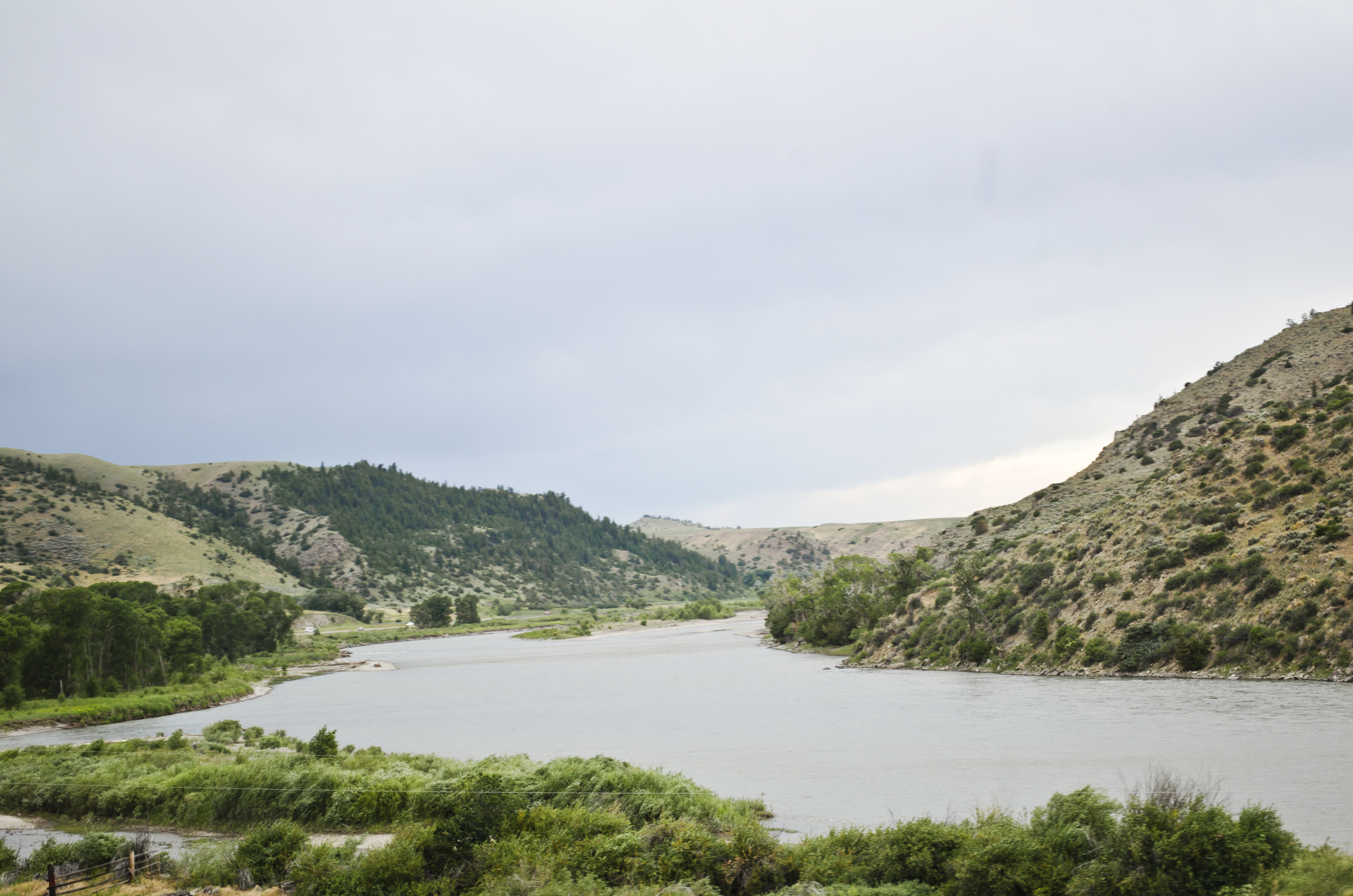
The Yellowstone River is the longest undammed river in the lower 48 states, nearly 700 miles of free-flowing water from its source high in Wyoming's Absaroka Mountains, through Yellowstone Lake and the national park, down the storied Paradise Valley past Livingston, and out across the Montana plains to meet the Missouri near the North Dakota line. Because it runs wild and undammed its whole length, it's really two rivers in one: a legendary cold-water fly-fishing river for wild trout up top, and a completely different warm-water river of walleye, sauger, and catfish down on the prairie. This whole-river guide follows it from the park to the plains, the native cutthroat, the salmonfly hatch, the classic floats, and the overlooked lower-river fishery, and how to fish each.
The Native Cutthroat and the Park Water
The Yellowstone's soul is the Yellowstone cutthroat trout, a native subspecies found naturally only in this drainage, and a fish anglers travel from around the world to catch. Up in Yellowstone National Park, where the river pours out of Yellowstone Lake and winds through the Hayden Valley and past famous water like Buffalo Ford (LeHardys Rapids), the fishing is almost entirely for these natives, under strict catch-and-release rules designed to protect them. It's a bucket-list experience: rising, willing cutthroat in some of the most beautiful and wild water on the continent, with bison and grizzlies for company. The park requires its own fishing permit and has its own rules, including a mandate to kill any invasive lake trout you catch and to release all native cutthroat, so read the current park regulations before you wet a line. For the park in depth, see our Yellowstone National Park fly fishing guide.
Paradise Valley: The Classic Float
Below the park boundary at Gardiner, the river enters Montana and the fabled Paradise Valley, a broad, cottonwood-lined run between the Absaroka and Gallatin ranges that is, for many, the very picture of Montana trout fishing. Here the native cutthroat are joined by wild brown trout and rainbow trout, and the fishing gets varied and generous. The valley's relatively even flows and steady current make it one of the best big rivers in the West to learn to float-fish from a drift boat, and long summer drifts throwing a hopper-dropper rig to the banks are the stuff of Montana dreams. The Paradise Valley floats can also give up genuine trophy browns, there are still ten-pound fish roaming this water, making it a river where a beginner can catch numbers and a veteran can hunt a giant.
Fly Fishing a Western Trout RiverThe Salmonfly Hatch
If the Yellowstone has one signature event, it's the salmonfly hatch. In late June and early July, as the river drops and clears from spring runoff, giant salmonflies and golden stoneflies, the biggest bugs in the trout world, come off in clouds, and the river's trout throw caution aside to gorge on them. For two or three magical weeks, from the water near Livingston up toward the park, you can throw big, buggy dry flies to trout smashing them on the surface. The hatch marches upstream as the season progresses, so anglers chase it up the valley. Timing it is the trick, because it rides the tail of runoff, but catch it right and it's some of the most exciting big-river dry-fly fishing anywhere in the world.
Livingston and the Spring Creeks
The town of Livingston sits at the heart of the Yellowstone's trout country, where the river bends east out of Paradise Valley. This stretch, with its varied habitat and the spawning gravel of the nearby spring creeks, grows some of the highest rainbow trout numbers on the whole river. Just off the main stem lie three of the most famous spring creeks in America, Armstrong's, DePuy's, and Nelson's, technical, spring-fed jewels where selective trout demand a delicate presentation. They fish on a reservation system and are a world unto themselves; our Livingston spring creeks guide covers them. The combination of a great freestone river and legendary spring creeks in one place makes Livingston one of the premier fly-fishing towns in the country.
Trout Tactics on the Yellowstone
The Yellowstone is big, powerful freestone water, and you fish it accordingly. When bugs are hatching, salmonflies in early summer, caddis, mayflies, and terrestrials later, dry-fly and dry-dropper fishing to the banks and seams is the joy of the river; a hopper-dropper is the workhorse rig from July into fall. When fish are down, nymphing the deeper runs and buckets accounts for numbers, and Rocky Mountain whitefish, abundant here, keep the rod bent on tough days. And when you want to hunt a big brown, especially in the fall, few things beat swinging and stripping streamers through the banks and drop-offs. Most anglers cover the big river best from a drift boat, but there's excellent wade access too. Read the water, the banks, the seams, the riffle drop-offs, the soft water behind boulders, and the Yellowstone rewards you.
Where the Fish Hold
On big freestone water like the Yellowstone, learning to read the current is what separates a good day from a slow one. Trout here don't sit in the fast, heavy main flow, they hold where they can rest out of the current while food drifts past. Look for the seams where fast water meets slow, the soft cushions in front of and behind midstream boulders, the deep buckets and drop-offs at the tails of riffles, and the undercut, shaded banks where big browns lie in wait. In summer, the trout push tight to the banks to eat grasshoppers blown onto the water, which is exactly why bank-to-bank drifting from a boat is so effective. In the cooler months they slide into the deeper runs and slots, and nymphing or streamers come into their own. On the lower river, walleye and sauger relate to the same kinds of structure, current breaks, drop-offs, wing dams, and rocky banks. Wherever you fish the Yellowstone, find the edge between fast and slow water and you've found where the fish live.
Runoff and When to Go
The one thing to understand about timing a Yellowstone trip is runoff. As a big undammed freestone river draining a huge snowpack, the Yellowstone blows out high and muddy through the spring melt, typically from May into late June, when the main stem is unfishable (though the spring creeks and tributaries fish through it). It usually clears around the first week of July, and from then through October it's prime: the salmonfly hatch on the drop, hopper fishing through the summer, and streamer fishing for browns in the cooling fall. Late July and August, with long hopper-dropper drifts under blue Montana skies, are what most anglers picture. Winter is quiet and cold but offers midge fishing for the hardy.
The Lower River: A Prairie Fishery
Keep following the Yellowstone past Big Timber and Columbus and it transforms. As it flows onto the Great Plains through Billings, Miles City, and out toward the Missouri, the water warms and the trout give way to a completely different, underrated warm-water fishery. The lower Yellowstone holds walleye and sauger, hard-fighting smallmouth bass, and big channel catfish, plus one true prehistoric prize: the river hosts a famous paddlefish run, snagged near Intake each spring. Anglers jig and troll for walleye and sauger, work rocky banks and wing dams for smallmouth, and soak cut bait for catfish. It's a quiet, uncrowded, big-river fishery that most trout-focused visitors never see, and a great reason to explore the Yellowstone's less-famous half.
Walleye and Sauger River FishingThe Tributaries and the Region
The Yellowstone doesn't fish in isolation, it's the trunk of one of the greatest fly-fishing regions in the world. Its own tributaries are destinations in their own right: the Boulder, the Stillwater, and the Shields rivers pour cold, clear water into the main stem and offer intimate trout fishing and a place to escape when the big river is high or crowded. And the Yellowstone sits at the center of a constellation of legendary Montana waters, the Madison, the Gallatin, and the spring creeks are all within an easy drive, with the hub town of Bozeman a short hop over the hill. Base yourself in Livingston or Bozeman and you can fish a different blue-ribbon river every day for a week. When runoff or wind blows out the Yellowstone, a smaller tributary or a tailwater is often the smart backup, one of the great luxuries of fishing this corner of Montana.
Weather, Wind, and Big-Water Safety
The Yellowstone flows through high, exposed country, and the weather is a genuine part of the fishing. Afternoon thunderstorms build fast over the Absarokas in summer, wind can howl down Paradise Valley and turn casting into a fight, and mountain temperatures swing wildly between a frosty dawn and a hot afternoon. Dress in layers, always pack rain gear, and get off the water when lightning threatens. The river itself demands respect too: it's big, cold, and pushy, with strong current, and every year it catches careless waders and boaters off guard. Wade conservatively, wear a belt with your waders, know your float before you launch, and never underestimate the power of a big freestone river running high. Fished with respect for the water and the sky, the Yellowstone is as safe as it is spectacular, but the mountains write their own rules.
Access and Floating
Montana has some of the best public river access in the country, thanks to its stream-access law: anglers may legally use the river and its bed up to the ordinary high-water mark, even where the banks are private, so long as you enter at a public point. The Yellowstone is dotted with Fishing Access Sites, state boat ramps and put-ins, that make it one of the most floatable big rivers in the West. A drift boat or raft is the classic way to fish the trout water, letting you cover miles of bank, but wade access at the FAS ramps and bridges is plentiful too. On the lower river, jet boats and bank fishing rule. Always know your put-in and take-out and the river level before you launch, the Yellowstone is powerful, and its current is nothing to underestimate.
Licenses and Conservation
To fish the Montana portion of the river you need a Montana fishing license from Montana Fish, Wildlife & Parks; inside Yellowstone National Park you need a separate National Park Service fishing permit and must follow the park's native-fish rules. Montana also requires aquatic-invasive-species (AIS) prevention, clean, drain, and dry your gear and stop at watercraft inspection stations. One more crucial wrinkle: in hot, low-water summers, Montana imposes "hoot-owl" restrictions on the Yellowstone and other rivers, closing fishing from early afternoon into evening to protect trout that are stressed by warm water. Check for hoot-owl closures before a summer trip, fish early, and handle and release wild trout quickly and gently. This wild, undammed river is a treasure worth protecting.
A Beginner's First Trip
The easiest, most rewarding introduction to the Yellowstone is a guided drift-boat float through Paradise Valley in July or August. The guide rows, reads the water, and puts you on rising and banging trout with a hopper-dropper rig while the Absaroka peaks slide by, you'll catch fish and learn the river far faster than going alone on big water. If you're a warm-water angler, the lower river around Billings offers easy, uncrowded walleye, sauger, and smallmouth fishing from a boat or the bank. Either way, you're fishing the longest wild river left in the country.
Guides and Gear
A drift-boat guide is the best way to learn the trout water, and the Livingston and Gardiner outfitters live for this river. For gear, a 9-foot 5- or 6-weight fly rod covers most Yellowstone trout fishing; carry big salmonfly and golden-stone dries and foam hoppers for summer, a box of nymphs (stonefly nymphs, Pat's Rubber Legs, beadhead droppers), and streamers like a Kelly Galloup Sex Dungeon or a bugger for hunting fall browns. For the lower river, a 7-foot medium spinning rod with jigs, crankbaits, and bottom rigs handles walleye, sauger, smallmouth, and catfish. Bring waders, layers, and rain gear, Montana weather turns fast in every season, and polarized glasses to read the water.
The Yellowstone River is the last of its kind, a great river allowed to run free from mountain to plain. Chase a native cutthroat in the park, float the salmonfly hatch through Paradise Valley, or jig a prairie walleye near Miles City, check the Montana and park rules and any hoot-owl closures, and fish the longest wild river in the lower 48. Few rivers offer this much variety over their length, and fewer still let you trace a single current from an alpine lake all the way to the Great Plains, the Yellowstone is a rare and generous piece of water, and a lifetime of fishing wouldn't exhaust it.