Fish
Fish Fire
Fire Hike
Hike Bird
Bird

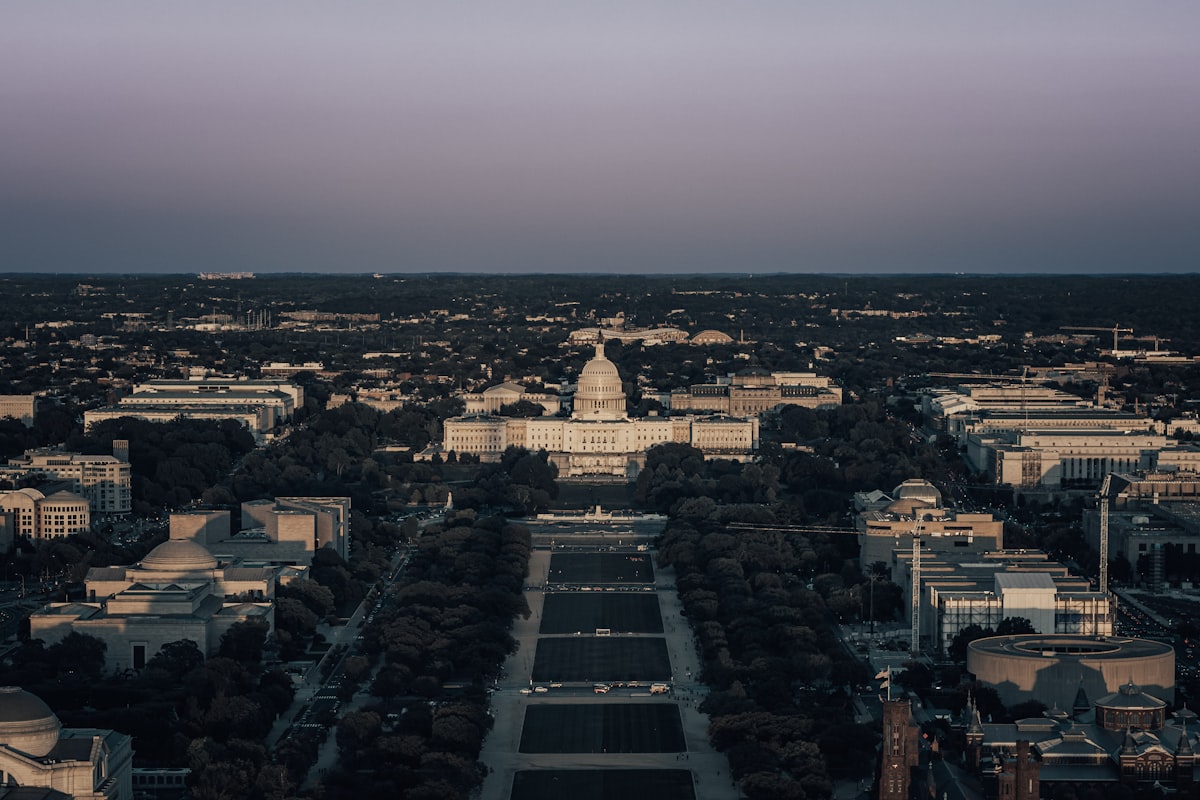

Washington DC is a city built between two rivers, the tidal Potomac on the west and the Anacostia on the east, and both of them are full of fish. Blue catfish, introduced decades ago and now thriving, grow to 50 pounds in the Potomac. Northern snakeheads, the invasive predators that made national news when they were discovered in the Chesapeake watershed in 2002, have colonized the Anacostia and its backwaters, and they hit topwater lures with an aggression that makes bass look timid. American shad run up the Potomac every spring past the monuments in one of the last great shad runs on the East Coast. Largemouth bass, white perch, crappie, and sunfish hold in the Tidal Basin and Constitution Gardens, walk-on fishing on the National Mall.
DC does not require a fishing licence for residents. Free fishing, in the shadow of the Capitol, with species that fight harder than anything most freshwater anglers have encountered.
The Anacostia River: Snakeheads and Blue Catfish
The Anacostia River runs through the eastern half of DC, a tidal river that has undergone massive cleanup over the past two decades. The water quality improvements brought the fish back, and the snakeheads arrived on their own. Northern snakeheads are now established throughout the Anacostia and its tributaries, and DC encourages anglers to harvest every one they catch.
Where on the Anacostia
Diamond Teague Park (Navy Yard): A floating dock on the tidal Anacostia, walkable from the Navy Yard Metro station. Blue catfish, carp, snakeheads, and largemouth bass right off the dock. The most accessible fishing in DC, show up, drop a line, catch a blue cat.
Kingman Island / Langston Golf Course area: Walk-on access to the Anacostia's east bank through Kingman Island. Snakeheads in the slower backwater sections, catfish and bass in the main channel.
Anacostia Park (east bank): Miles of shoreline access along the east side of the river. Blue catfish, snakeheads, largemouth bass, sunfish, and carp from the bank. Walk-on from multiple park access points.
Kenilworth Aquatic Gardens: The marshes and backwaters near the Aquatic Gardens hold snakeheads. Walk-on from the gardens (National Park Service site, free entry).
Snakehead Techniques
Topwater frogs: A 7-foot medium-heavy casting rod, 4000-size reel, 30-pound braid. Booyah Pad Crasher or Spro Bronzeye Frog worked over vegetation, lily pads, and the marshy edges. Snakeheads explode on topwater lures, the strikes are violent and unforgettable. They fight harder than largemouth bass of the same size.
Chatterbaits and swimbaits: When snakeheads won't come up, a 3/8-ounce chatterbait or paddle-tail swimbait retrieved through the vegetation produces. They are ambush predators, fish the edges.
Regulations: No size or bag limit for snakeheads in DC. Keep every one. They are excellent eating, firm white flesh similar to grouper.
Blue Catfish
Blue catfish in the tidal Potomac and Anacostia commonly run 10 to 30 pounds, with trophy fish over 50. They are invasive and abundant, DC and Virginia both encourage harvest.
Technique: Cut shad or chicken breast on a circle hook (5/0 to 8/0) with a 2- to 4-ounce sinker. Fish on the bottom in the deeper channels. Heavy tackle, these fish are big and strong in the tidal current.
Fishing Diamond Teague Park, Anacostia River, Washington DC Fishing for Giant Snakehead on the Potomac RiverThe Potomac River: Shad, Stripers, and Smallmouth
The Potomac forms DC's western and southern border and holds a different species mix depending on where you fish. The tidal section (Georgetown south) holds blue catfish, striped bass (rockfish), American shad, white perch, and largemouth bass. Above Great Falls (upstream of DC), the Potomac holds world-class smallmouth bass on a rocky, wadeable river.
Where on the Potomac
Hains Point (East Potomac Park): One of DC's most popular shore fishing spots. The point between the main Potomac and the Washington Channel. Blue catfish, carp, and seasonal stripers from the seawall. Walk-on from East Potomac Park.
Georgetown Waterfront / Fletcher's Cove: Fletcher's Cove is the historic fishing access on the C&O Canal. Shad run past here in spring. Smallmouth bass, catfish, and carp. Walk-on from the C&O Canal towpath. Boat rental available.
Constitution Gardens / Tidal Basin (National Mall): The small lakes and ponds on the National Mall hold largemouth bass, crappie, sunfish, and seasonal shad. Fish from the banks with the Washington Monument behind you.
American Shad (Spring Run)
Every spring (late March through May), American shad migrate up the Potomac to spawn, one of the last great shad runs on the East Coast. Shad are 3 to 7 pounds, fight hard on light tackle, and are catchable from the bank at Fletcher's Cove and the Georgetown waterfront.
Technique: Shad darts (1/8 to 1/4 ounce, chartreuse, white, or pink) cast into the current and retrieved with short, sharp strips. Light spinning tackle, 6- to 7-foot rod, 6-pound line. Shad school in the current seams, when you find them, the action is fast.
Fishing for Bass and Snakehead on the Potomac River Fishing the Potomac River for Big Smallmouth BassFishing Licence and Regulations
DC residents: No fishing licence required. DC residents fish free in DC waters.
Non-residents: A DC fishing licence is required. Available through DOEE (DC Department of Energy and Environment). Cost is minimal.
Snakehead: No size or bag limit. Keep all you catch. Invasive, harvest encouraged.
Blue catfish: No daily limit. Harvest encouraged, they are invasive.
Striped bass (rockfish): Seasonal regulations apply. Check DOEE for current seasons and size limits.
American shad: Check DOEE for current regulations, seasons and methods vary by year.
Consumption advisories: DOEE advises limiting consumption of fish from DC waters. Do not eat eel, carp, striped bass, or largemouth bass. Blue catfish and snakehead are the safest options, three servings per month and one serving per month respectively.
When to Fish
March-May (Spring): The shad run, late March through May. Striped bass in the tidal Potomac. Bass and snakeheads become active. The best season.
June-August (Summer): Snakehead peak on the Anacostia, topwater frogs at dawn and dusk. Blue catfish bite aggressively in warm water. DC summers are hot and humid, fish early or late.
September-November (Fall): Striped bass fall run. Snakeheads still active. Blue catfish feeding before winter. Comfortable temperatures.
December-February (Winter): Blue catfish still bite on warm days. Snakeheads go dormant. Slowest season but fishable.
Practical Details
Getting there: Metro accessible. Diamond Teague Park is a 5-minute walk from Navy Yard Metro. Hains Point is bikeable from the National Mall. Fletcher's Cove is on the C&O Canal towpath. Anacostia Park is accessible by bike or bus. DC is one of the most transit-accessible fishing cities in America.
Gear that travels: A two-piece 7-foot medium-heavy spinning rod covers snakeheads, blue catfish, bass, and shad. For snakeheads specifically, a casting rod with 30-pound braid and a frog. For blue catfish, heavier tackle with cut bait.
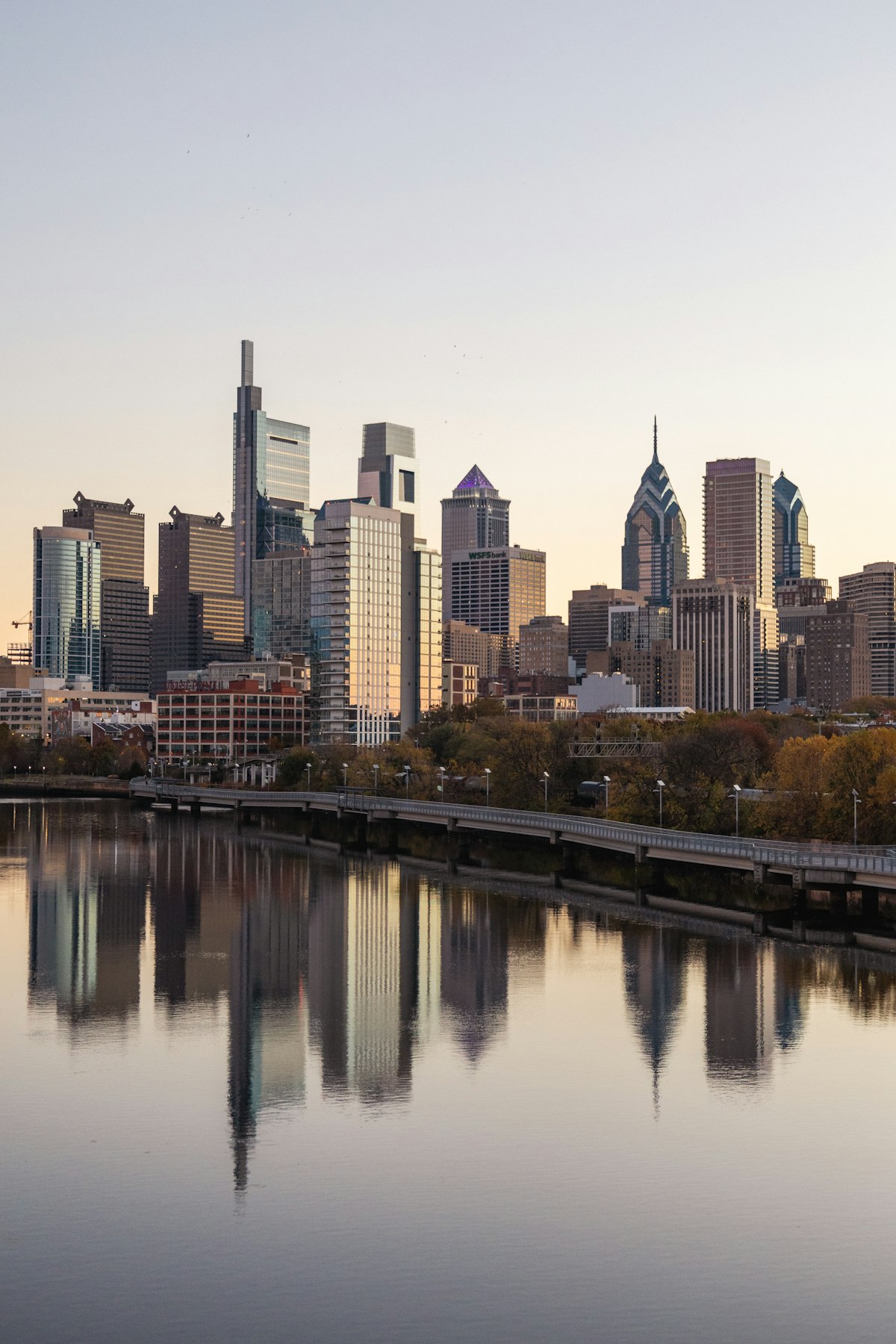
For more East Coast urban fishing, see urban fishing in Philadelphia (Schuylkill catfish and Wissahickon trout), urban fishing in Boston (harbor stripers from Castle Island), or urban fishing in Pittsburgh (Three Rivers smallmouth). For Chesapeake saltwater, read our Chesapeake Bay fishing guide or Virginia Beach.
Tackle shops: Fletcher's Cove (C&O Canal, rents boats, sells bait and tackle), Bass Pro Shops (Hampton, VA, outside the city), Dick's Sporting Goods (multiple suburban locations).
Fishing Kingman Island, Anacostia River, Washington DC