Fish
Fish Fire
Fire Hike
Hike Bird
Bird

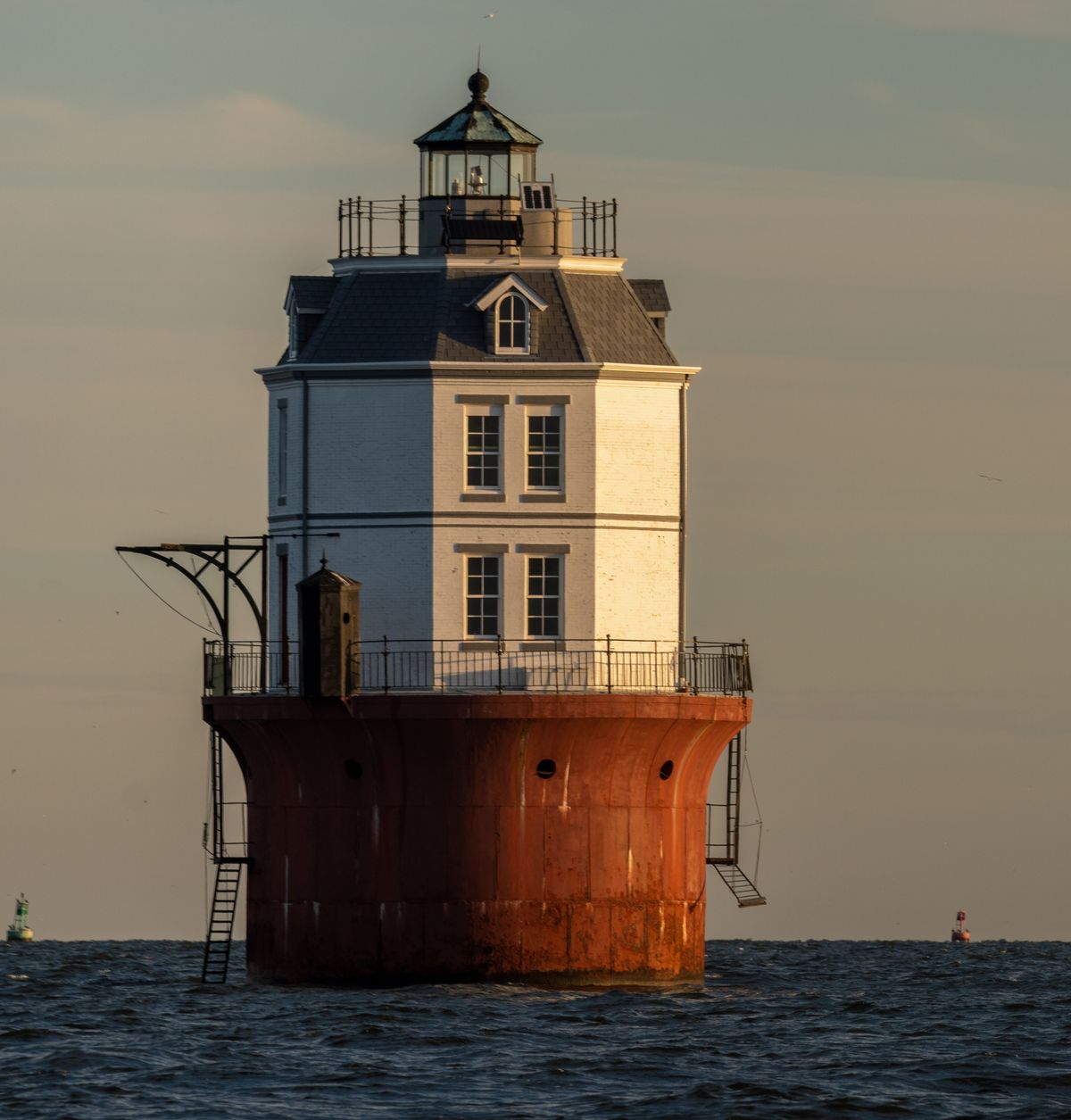

Chesapeake Bay is the largest estuary in the United States, 200 miles long, 14 miles wide at its broadest, and fed by more than 150 rivers and streams draining six states. The Bay produces roughly 80 percent of the entire East Coast striped bass population, hosts the most famous blue crab fishery in the world, and in recent years has become home to a blue catfish population so massive that the state of Maryland actively encourages anglers to catch and eat as many as they can.
For visiting anglers, the Bay can feel overwhelming. It spans two states (Maryland and Virginia), has hundreds of miles of accessible shoreline, dozens of charter ports, and a species list that changes from one tributary to the next. But the fishing itself is surprisingly approachable. The core techniques, trolling, chumming, live-lining, and bottom fishing, are straightforward, and the infrastructure of charter boats, piers, and public access makes getting on fish easier than almost any comparable fishery on the East Coast.
This guide covers the Bay's major fisheries by technique, because how you fish the Chesapeake matters more than where you fish it. The same species, rockfish, especially, responds to completely different approaches depending on the season and the depth.
Trolling for Rockfish: The Bay's Signature Technique
"Rockfish" is the local name for striped bass, and it's the king of the Chesapeake. The Bay is the primary spawning ground for the entire Atlantic migratory stock, and fish from 18 inches to 50 pounds are caught here year-round. Trolling is the most productive way to cover water and find schools of feeding rockfish.
The Umbrella Rig
The umbrella rig is the Chesapeake's iconic trolling lure. It's a wire frame with four to eight arms, each trailing a soft plastic shad body, and a larger lead lure, a bucktail or parachute jig, trailing behind the center on a longer drop-back line. The whole assembly mimics a school of baitfish, and rockfish attack the center lure thinking they're picking off a straggler.
The standard setup: A four-arm umbrella frame with 9-inch white or chartreuse shad bodies on the outer arms (Storm WildEye Swim Shad or similar). The center drop-back runs a 6-ounce white bucktail jig or a Bloody Point Baits parachute lure trailing a 9-inch sassy shad body. The entire rig trolls at 2 to 3 knots behind the boat on heavy tackle.
Gear: Trolling umbrella rigs requires stout equipment. A 6- to 7-foot heavy-action trolling rod (Penn Carnage II Boat or Ugly Stik Tiger Elite) paired with a Penn Squall II 30 lever-drag reel or similar conventional reel, spooled with 50-pound braided line and a 6-foot leader of 40-pound monofilament. The rigs pull hard, light tackle can't handle the water resistance of the umbrella frame plus a 30-pound rockfish.
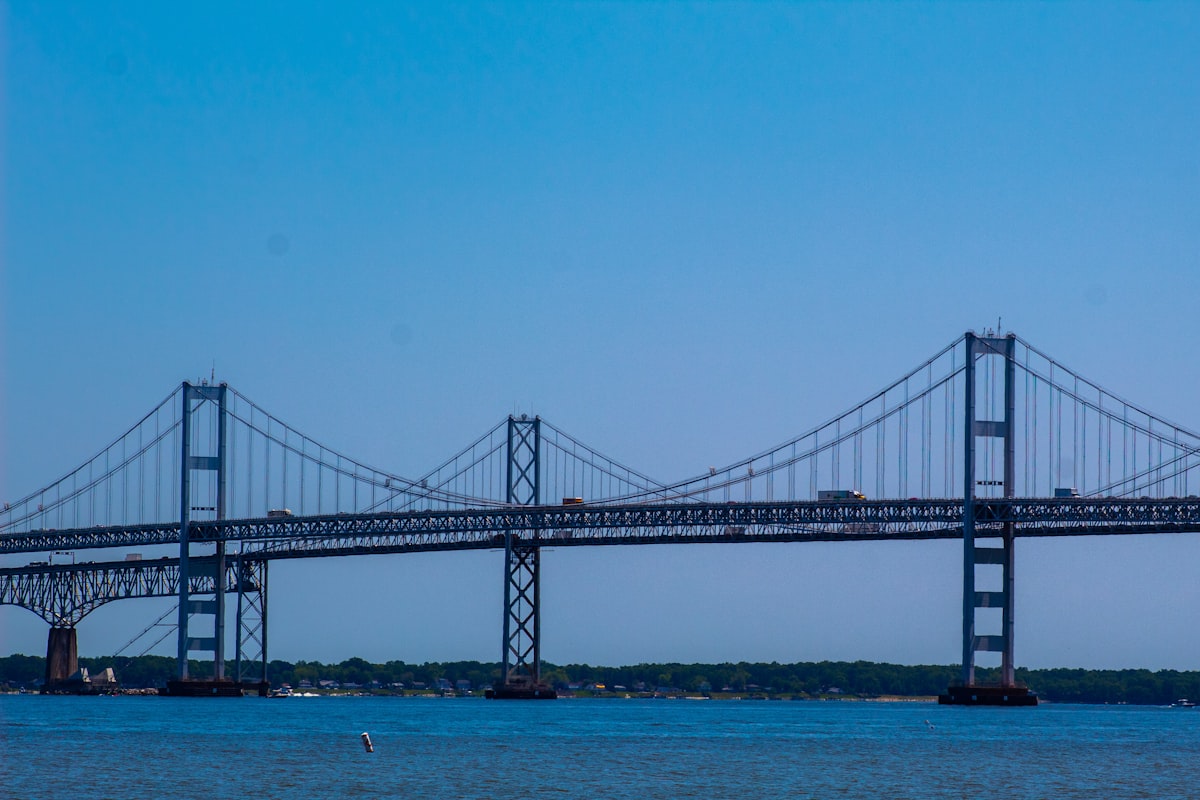
Where: The Chesapeake Bay Bridge is the most famous trolling ground. The bridge pilings create massive structure that holds baitfish and rockfish year-round. Trolling parallel to the bridge in 25 to 50 feet, running umbrella rigs past the pilings, produces trophy rockfish in spring (April through May) and fall (October through December). Other productive trolling areas include the shipping channel edges, the mouth of the Choptank River, and the structure around the Bay Bridge Tunnel on the Virginia side.
Chesapeake Bay Rockfish, Trolling on a Fishing Charter in MDLight Tackle Trolling
Not all Chesapeake trolling requires heavy gear. In summer and early fall, when rockfish school on shallow bars and channel edges in 10 to 20 feet of water, light tackle trolling with Rapala X-Rap Slashbaits (size 10 or 12) or Storm Kickin' Minnow jerkbaits at 2 to 3 knots produces exciting, rod-bending action on medium spinning gear. A 7-foot medium-action spinning rod with a 4000-size reel and 20-pound braid handles these fish well and makes the fight far more sporting than trolling heavy umbrella rigs.
How to Troll for Fall Chesapeake Bay Rockfish and BluefishChumming and Live-Lining: Summer's Best Bites
When the water warms above 65 degrees in late May, the Bay's summer fishery kicks into gear. Chumming and live-lining are anchor-based techniques, the boat sits in one spot while you attract and catch fish around it.
Chumming
Chumming means grinding up oily baitfish (menhaden, also called "bunker") into a slurry and ladling it overboard to create a scent trail in the current. Rockfish follow the trail to the boat and find your hooked bait waiting in the chum slick.
Setup: Anchor over structure in 15 to 35 feet, channel edges, oyster bars, bridge pilings, gas docks. Set a chum pot or ladle menhaden chum on the up-current side. Fish two to four rods with circle hooks (Gamakatsu Octopus Circle in 5/0 or 6/0) baited with chunks of fresh menhaden, drifted back in the chum slick on light mono (15- to 20-pound test) with no weight or just a small split shot. The bait should drift naturally with the chum, rockfish are smart and will reject anything that moves differently from the free chum.
Gear: A 7-foot medium-action spinning rod with a 4000-size reel (Penn Battle III 4000 or Daiwa BG 4000) and 15-pound monofilament. Chumming is light-tackle fishing, the fun is in the fight, and a 28-inch rockfish on 15-pound test in moving current is a serious battle.
Live-Lining
Live-lining means fishing live bait, usually live spot (a small Chesapeake baitfish), eels, or white perch, on a circle hook with no weight, letting the bait swim freely near the bottom. Live-lined spot is the single most effective bait for large Chesapeake rockfish from June through October.
How to catch spot: Before you can live-line, you need bait. Spot are caught on Sabiki rigs (small multi-hook rigs) tipped with Fishbites bloodworm-flavored bait strips, fished over sandy bottom in 10 to 20 feet. It takes 10 to 20 minutes to fill a bait bucket. Keep them alive in an aerated bait well or bucket with a portable aerator.
The rig: Thread a 5/0 circle hook (Gamakatsu Octopus Circle) through the spot's lips. No weight, no leader, just the hook and the bait. Let it swim to the bottom on its own. When a rockfish eats the spot, the rod loads and the fish runs. With a circle hook, don't set the hook, reel tight and the hook sets itself in the corner of the mouth.
Striped Bass Fishing the Chesapeake Bay, Live Lining SpotBlue Catfish: The Invasive Giant
Blue catfish were introduced to Virginia's James River system in the 1970s and have since exploded throughout the Chesapeake watershed. They're now found in nearly every tidal tributary, the Potomac, Patuxent, Nanticoke, Choptank, and James Rivers all hold enormous populations. Fish over 50 pounds are caught annually, and the sheer numbers are staggering. Maryland and Virginia both encourage unlimited harvest, there is no daily limit on blue catfish in most tidal waters.
Where
The tidal rivers are the key. The Potomac River from the Wilson Bridge upstream to the Route 301 Bridge is loaded with blues. The James River in Virginia, from the fall line at Richmond downstream through the tidal stretch, is one of the best blue catfish rivers in the country. The Patuxent River from Benedict through Jug Bay and the Nanticoke River near Sharptown are productive on the Maryland Eastern Shore.
How
Bait: Cut gizzard shad is the gold standard. Catch shad with a cast net, cut them into 2-by-2-inch chunks, and leave plenty of the hook point exposed. Fresh menhaden chunks, white perch fillets, and chicken liver also work but shad outfishes everything else.
Rig: A simple slip-sinker rig, 2- to 4-ounce egg sinker sliding on the main line above a barrel swivel, 18 inches of 40-pound monofilament leader to an 8/0 circle hook (Team Catfish or Gamakatsu). Fish on the bottom in the channel or along channel edges. A moving tide, the first few hours of the incoming or outgoing flow, stirs feeding activity. Slack tide is dead.
Gear: A 7-foot medium-heavy baitcasting rod (Ugly Stik Tiger or Abu Garcia Catfish Commando) paired with a 5000- or 6000-size spinning reel or a baitcaster, spooled with 30-pound braid. Blue catfish are bulldogs, they don't run far but they pull hard and hug the bottom.
Shore fishing: You don't need a boat. Many of the best blue catfish spots are accessible from shore, public fishing piers, bridge abutments, and boat ramp areas on the tidal rivers. The Potomac shoreline from Fort Washington south and the James River access points around Hopewell, Virginia, are popular bank-fishing spots.
How to Catch Blue Catfish in Virginia's Tidal Rivers Blue Catfish Are Taking Over the Chesapeake BayCrabbing: A Chesapeake Tradition
The Chesapeake blue crab isn't technically fishing, but it's inseparable from the Bay experience. Recreational crabbing is simple, inexpensive, and something the whole family can do from a pier, dock, or small boat.
Methods
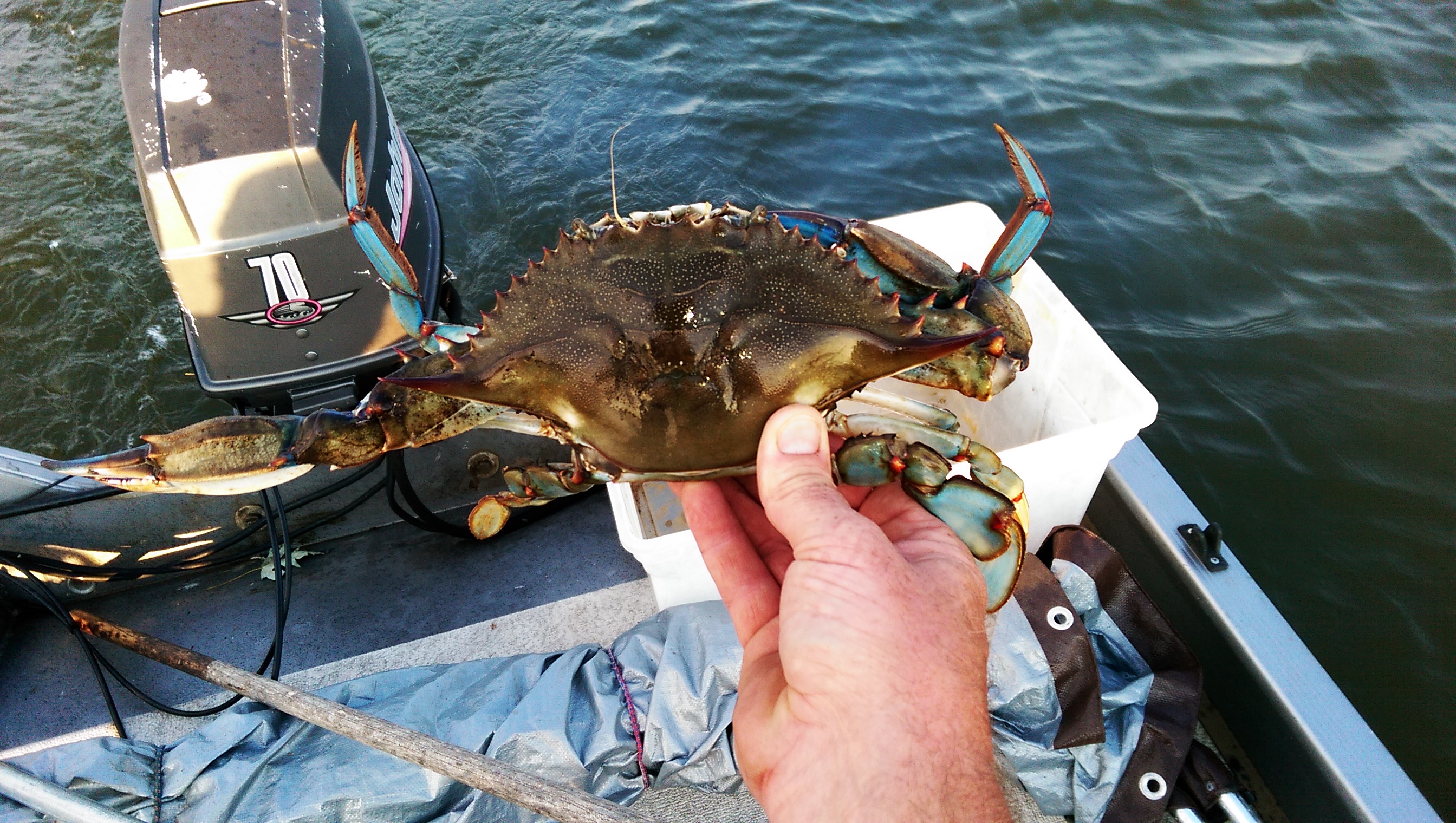
Chicken neck on a string: The simplest method. Tie a chicken neck to a piece of twine, toss it off a pier or dock, wait five minutes, and slowly pull it in. Crabs cling to the bait, scoop them with a long-handled dip net before they let go. This costs almost nothing and works all summer.
Collapsible traps: A wire box trap baited with chicken, fish heads, or menhaden, dropped from a pier or boat. Check it every 15 to 30 minutes. Maryland allows two collapsible traps per person.
Trotlines: A long line with baited snoods (short leaders) every few feet, stretched between two anchors. Run the boat along the line and net crabs as they come up. This is the traditional Chesapeake commercial method, but recreational anglers can use shorter trotlines. Check Maryland or Virginia regulations for length limits.
Regulations
Maryland requires a recreational crabbing license ($5 for residents, $10 for non-residents). The daily limit for recreational crabbers is typically one bushel per person. Minimum size is 5 inches point-to-point (measured across the widest part of the shell). Female crabs carrying eggs (sponge crabs) must be released. Season generally runs April through December, check current dates at dnr.maryland.gov.
How to Catch Chesapeake Bay Blue CrabsPier and Shore Fishing
The Bay has dozens of public piers that produce real fish, not just small stuff, but rockfish, bluefish, red drum, and big blue catfish.
Fort Smallwood Park (Maryland): At the mouth of the Patapsco River south of Baltimore. A 380-foot fishing pier, boat ramps, and beach access. White perch, rockfish, and blue catfish from the pier. Bluefish in fall.
Romancoke Pier (Kent Island, Maryland): One of the Bay's best fishing piers, over 600 feet long with deep water access. Rockfish, white perch, bluefish, and perch year-round. Fall and spring are best for rockfish.
Kiptopeke State Park (Virginia): On the lower Bay near the Bay Bridge Tunnel. A line of half-sunk concrete ships paralleling the shore creates incredible structure. The illuminated night-fishing pier produces red drum, speckled trout, rockfish, and flounder. One of the best shore-fishing locations on the entire Bay.
Ocean View Fishing Pier (Norfolk, Virginia): A long pier into the lower Bay. Spot, croaker, bluefish, flounder, Spanish mackerel, and cobia depending on the season.
Gear: A 7-foot medium-power spinning rod with a 3000-size reel and 15-pound braid covers most pier fishing. Bring a bottom rig (double-drop with size 2 hooks for spot and croaker), a few Kastmaster spoons (1/2-ounce silver) for casting to bluefish and rockfish, and Berkley Gulp Swimming Mullet on a jighead for flounder and rockfish near the pilings.
Gear for Beginners
One rod handles most Chesapeake fishing: a 7-foot medium-power spinning rod paired with a 4000-size spinning reel. The Penn Battle III 4000 combo or the Daiwa BG 4000 combo are both built for saltwater and cover rockfish chumming, live-lining, pier fishing, and lighter catfish work. Spool with 20-pound Power Pro braided line in moss green and carry a spool of 20-pound Seaguar Red Label fluorocarbon for leaders.
Terminal tackle to pack: Gamakatsu Octopus Circle hooks in 5/0 and 6/0 (for rockfish and catfish), size 2 hooks for bottom rigs (spot and croaker on piers), 1/2-ounce Kastmaster spoons in silver (bluefish and rockfish from piers), Berkley Gulp Swimming Mullet in white (rockfish near pilings), a pack of Sabiki rigs for catching spot bait, egg sinkers in 1-ounce and 3-ounce, barrel swivels, and a pre-tied perch/spot bottom rig (double-drop). For crabbing, bring a long-handled dip net and a bushel basket or cooler.
If you're targeting trophy rockfish on trolling charters, the captain provides all gear, you don't need to bring your own trolling equipment.
Charter Fishing
The Chesapeake charter fleet is massive, over 200 licensed captains operate from ports across Maryland and Virginia.
Rockfish trolling charters: Half-day (5 to 6 hours): $450 to $650 for the boat, up to 6 anglers. Full-day (8 hours): $700 to $1,000. Most charters out of Annapolis, Deale, Kent Narrows, Tilghman Island, and Solomons on the Maryland side.
Blue catfish charters: Half-day: $350 to $500. These run on the tidal rivers, Potomac, Patuxent, James, rather than the open Bay.
Crabbing charters: Half-day: $400 to $500. Combined fishing-and-crabbing trips are popular family options.
Head boats (party boats): $80 to $125 per person. Bottom fishing for spot, croaker, perch, and rockfish in season. Great for beginners, no experience needed.
Fishing License
Maryland and Virginia have separate licenses since the Bay spans both states.
Maryland, Chesapeake Bay & Coastal Sport Fishing License: Non-residents pay $22.50 annually or $6 for a 7-day license, one of the best bargains in saltwater fishing. This covers all tidal waters including the Bay, tidal Potomac, and coastal bays. Buy at compass.dnr.maryland.gov or any tackle shop. A separate recreational crabbing license is $10 for non-residents.
Virginia, Saltwater Fishing License: Non-residents pay $30.50 annually or $10 for a 5-day temporary license. Buy at gooutdoorsvirginia.com.
Important: If you're fishing the tidal Potomac River, a Maryland Chesapeake Bay license covers you regardless of which shoreline you fish from, the Potomac is Maryland water up to the Virginia high-water mark (a quirk of the colonial charter). Fish from a Virginia pier into the Potomac and you need a Maryland license.
Tutorial, How to Catch Striped Bass (Rockfish) On-Water Demo