Valdez Fishing: The Pink Salmon Tsunami, Silver Salmon, and Prince William Sound Halibut
← All field notes

Valdez · Alaska

Valdez Fishing: The Pink Salmon Tsunami, Silver Salmon, and Prince William Sound Halibut

Valdez sits at the head of Prince William Sound, where the largest pink salmon run in Alaska turns the harbor silver every July, and the silvers and halibut that follow make the fishing last all summer.

Colin Van Dyke

Colin Van Dyke

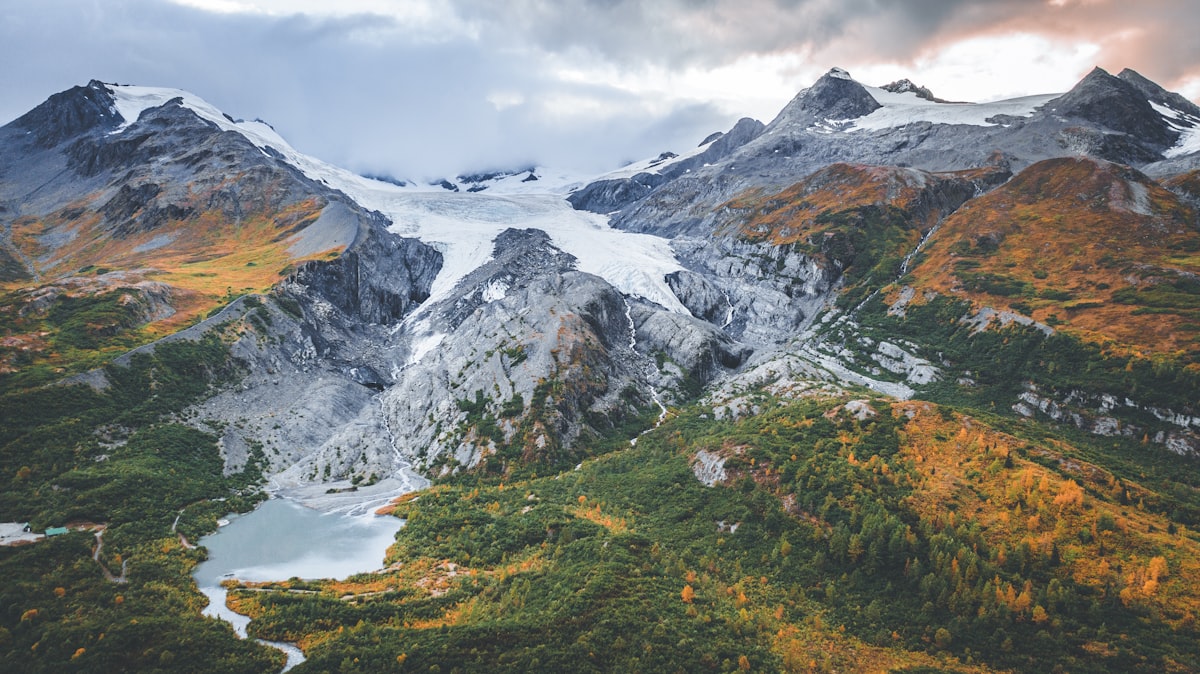
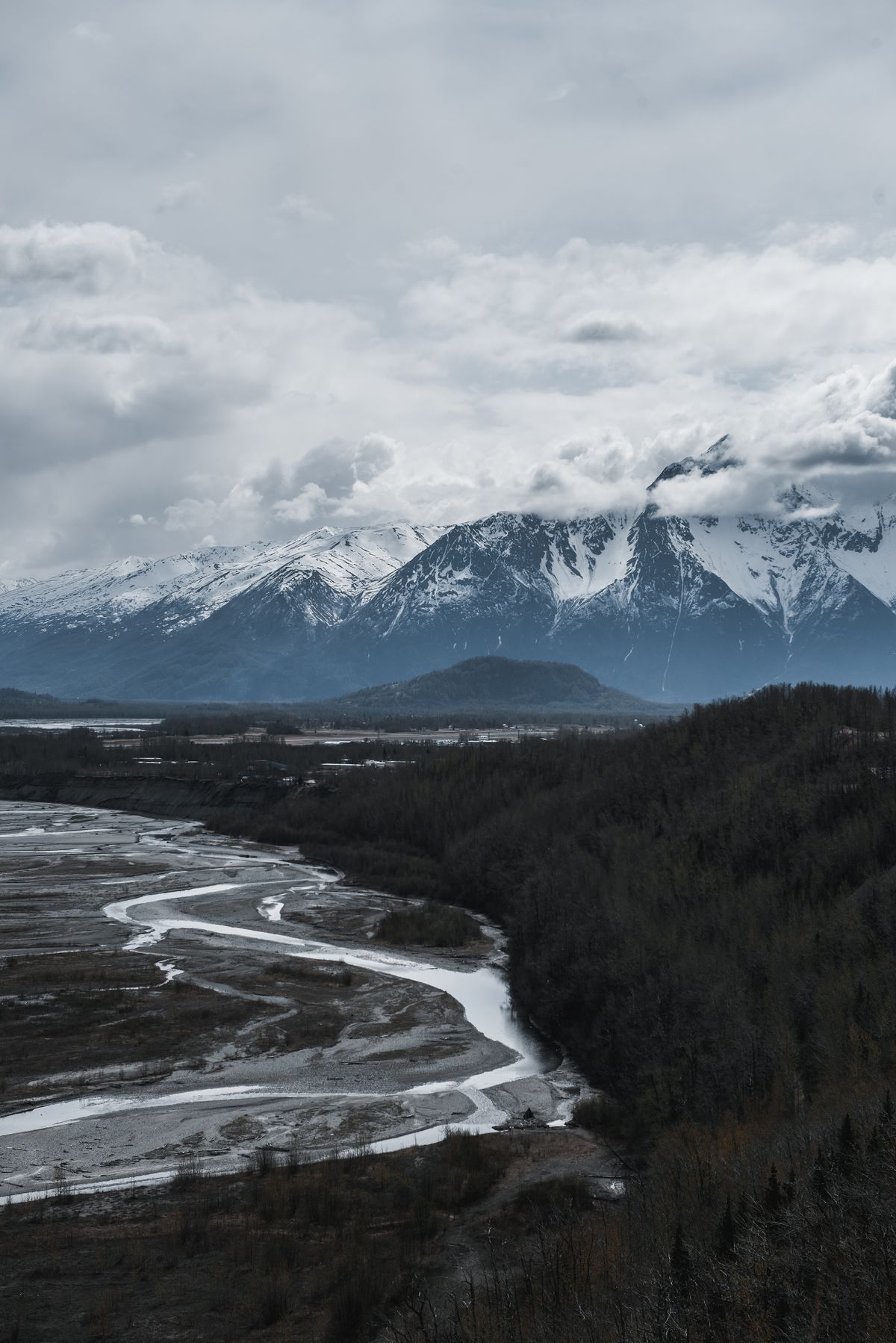
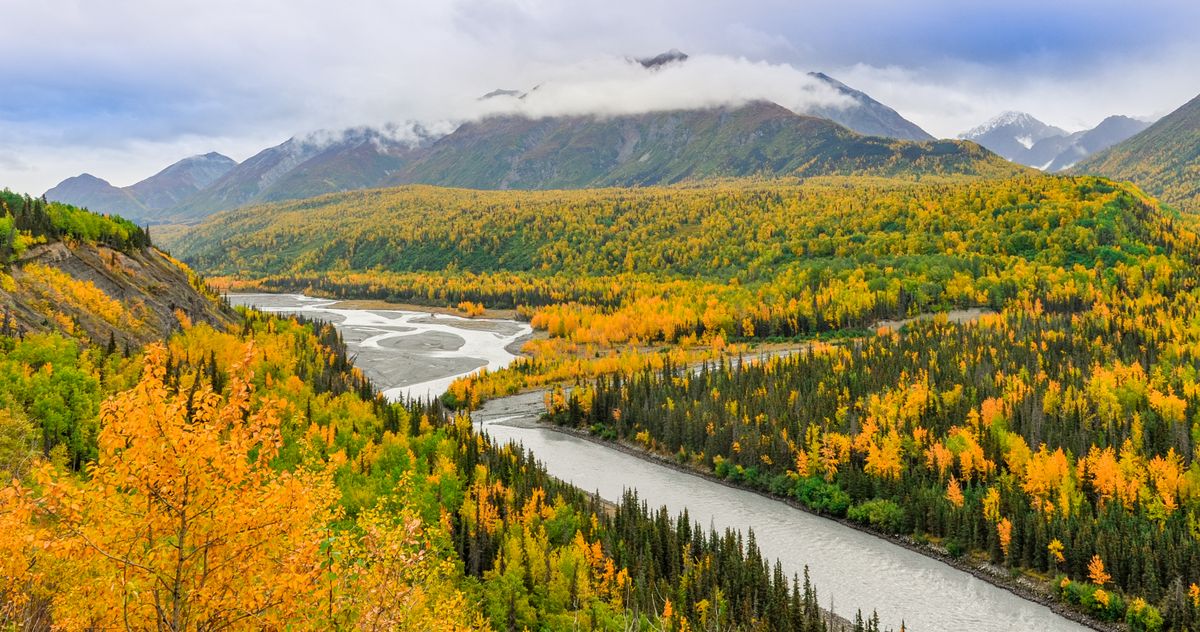
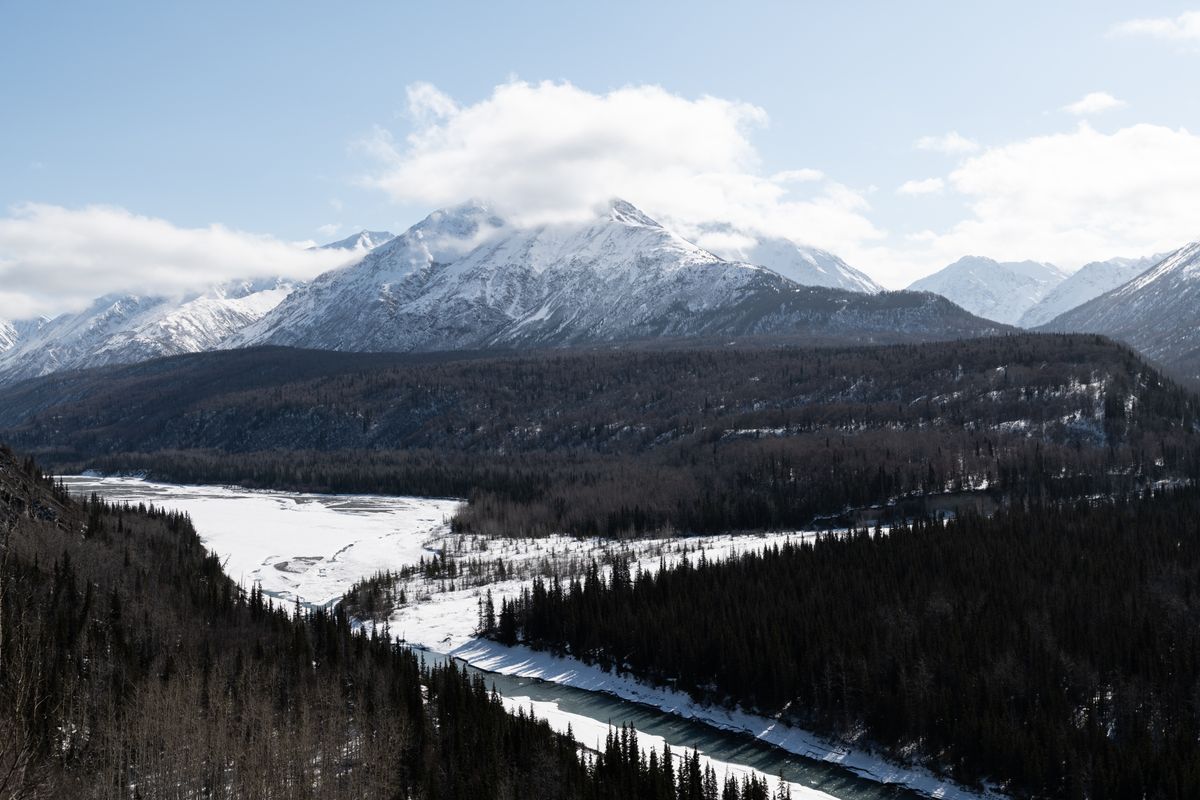
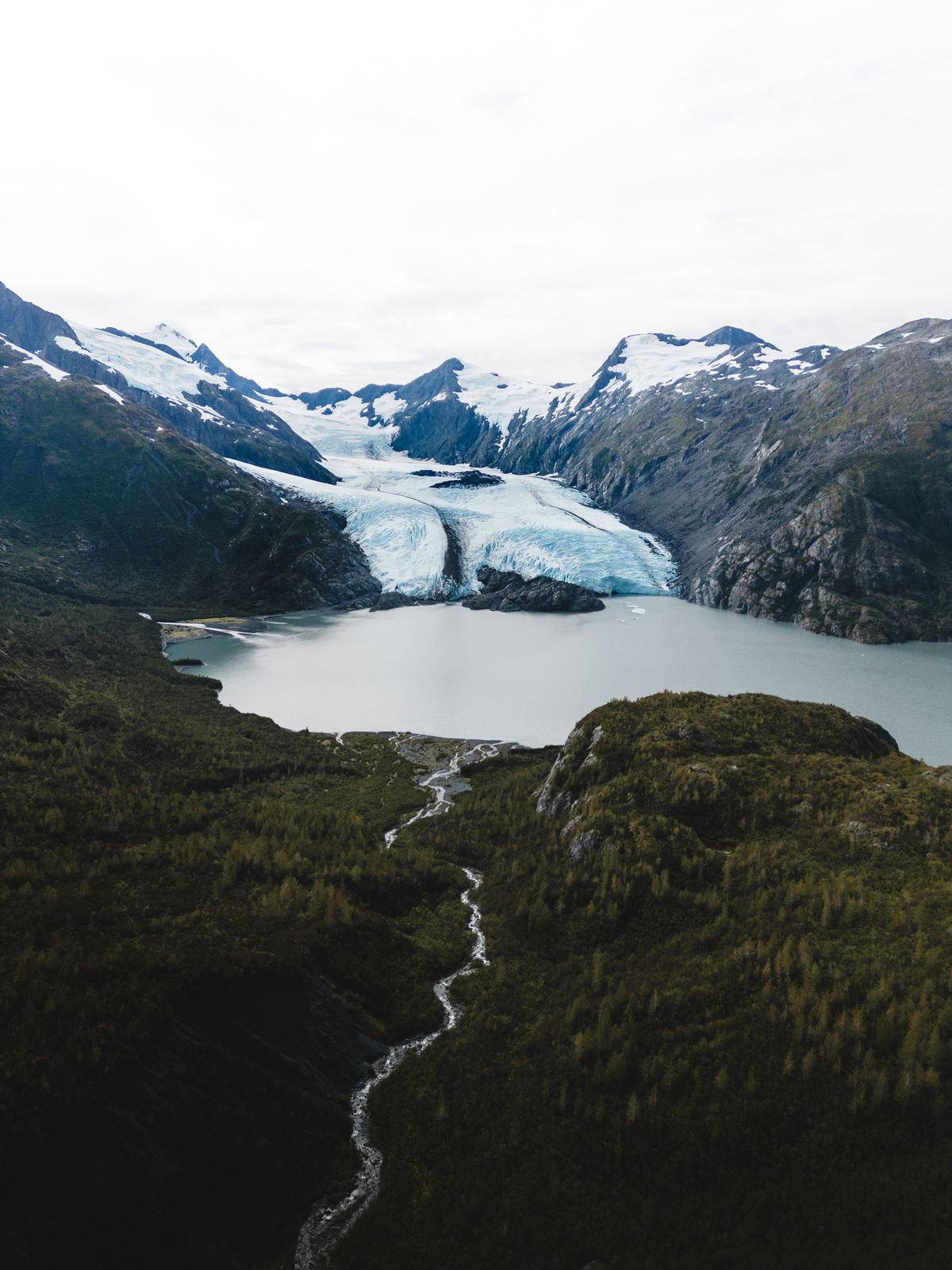
Valdez sits at the head of a fjord at the eastern edge of Prince William Sound, a vast, island-studded body of water surrounded by the Chugach Mountains and tidewater glaciers. The town is small (population 4,000) and the setting is extreme, mountains rise straight from the waterline, waterfalls pour off the cliffs, and the annual snowfall measured in feet, not inches.

The fishing is equally extreme. Valdez receives one of the largest pink salmon runs in Alaska, millions of fish flooding into the harbor, the streams, and the nearshore water every summer. The run is so dense that it transforms the town's shoreline into one of the most accessible fishing spectacles in the state. Add strong silver salmon and halibut fisheries, and Valdez becomes a destination that punches well above its population.

Pink Salmon, The Deluge

The pink salmon run in Valdez is not a figure of speech, it's a phenomenon. Pinks begin showing in mid-June, build through July, and by late July the streams, harbor, and nearshore water hold so many fish that the water appears to boil.

Allison Point is the epicenter. This rocky shoreline across the harbor from town becomes the most popular bank-fishing spot in Valdez when the pinks are running. Anglers line the rocks shoulder-to-shoulder, casting small spinners and spoons into the current, and the fish hit on nearly every cast during the peak. It's combat fishing, tight quarters, crossed lines, and pandemonium, but the action is unlike anything else in Alaska.

Pinks average 3 to 5 pounds, and while they're the smallest Pacific salmon, they're plentiful enough to make up for size with sheer numbers. A 50-fish afternoon is not unreasonable during the peak. They're also excellent eating when caught in their bright, ocean-fresh phase, the flesh firms up quickly after catching, and a pink salmon grilled on the beach that evening is a Valdez tradition.

The streams, Crooked Creek, Allison Creek, Mineral Creek, fill with spawning pinks from late July through August, and the fishing is accessible from the road system without a boat or a guide. This accessibility, the ability to walk to world-class salmon fishing from your campsite, is what makes Valdez unique among Alaska fishing towns.

Silver Salmon, The Main Event

While the pinks draw the crowds, silver salmon (coho) are the fish that serious anglers come to Valdez for. Silvers enter Valdez Bay in early August and the run builds through mid-September, with the peak in mid-August through early September.

Valdez and Prince William Sound boast one of the strongest silver salmon runs in the state. The fish average 8 to 12 pounds, with occasional silvers pushing 15, and they fight with the acrobatic intensity that makes coho the most exciting salmon to hook, explosive jumps, screaming runs, and a refusal to come to the net easily.

Silvers are caught both from shore (Allison Point transitions from a pink spot to a silver spot as the season progresses) and by boat. Charter boats troll the Valdez Narrows and the passages of Prince William Sound, working the current edges and underwater structure where silvers stage before pushing into the streams. The boat fishery accesses fish that the bank anglers can't reach, and the average size tends to be larger.

Halibut, Prince William Sound

The halibut fishery in Prince William Sound is outstanding and underappreciated relative to the Kenai Peninsula and Homer. The sound's protected waters, extensive bottom structure, and relatively light charter traffic produce halibut of 20 to 100 pounds as standard fare, with fish over 150 pounds caught every season.

Charter boats run from the Valdez harbor into the sound's bays and passages, Anderson Bay, Jack Bay, Galena Bay, and the deeper channels between islands. The fishing is bottom work in 100 to 300 feet over gravel and sand, and the sound's calm, protected water makes for comfortable halibut fishing even when the outer Gulf is too rough.

Combo trips, trolling for silvers or king salmon, then anchoring for halibut, are the most popular charter format. King salmon are available from May through July, trolled near the shoreline and around the Valdez Narrows.

Rockfish and Lingcod

The rocky reefs and pinnacles in Prince William Sound hold rockfish (yelloweye, black, quillback) and lingcod that are caught as bonus species on halibut trips. The sound's clean, cold water grows these fish slowly but large, yelloweye rockfish over 20 pounds and lingcod over 30 are caught from the deeper reef structure.

The Setting

Valdez's setting amplifies the fishing. Prince William Sound is ringed by the Chugach Mountains, with glaciers calving into the water and waterfalls cascading off the cliffs. Sea otters, harbor seals, Steller sea lions, humpback whales, orcas, and bald eagles are regular sightings on any charter trip. The Columbia Glacier, one of the largest tidewater glaciers in Alaska, is accessible as a day trip from Valdez, and some charter operators offer combination fishing and glacier-viewing excursions.

The drive to Valdez on the Richardson Highway is itself one of the most scenic drives in Alaska, crossing Thompson Pass (where the state's snowfall record was set) and descending through Keystone Canyon with its roadside waterfalls.

When to Go

  • May–June: King salmon in the Narrows, early halibut, pre-season solitude
  • July: Pink salmon tsunami, the biggest run of the year, halibut consistent
  • August: Peak silvers, the main event, pinks still running, halibut strong, the best overall month
  • September: Late silvers in the streams, halibut finishing, the season winds down
Recommended gear

  • Okuma SST Salmon Rod 9'6" MH

    Entry level, handles Valdez silvers on rivers and from boats

  • Shimano Stradic FL 4000

    Premium, smooth drag for big silvers in Prince William Sound

  • Penn Battle III 4000 Combo

    Mid-tier, versatile for salmon and rockfish

  • Penn Squall II 30 Lever Drag

    Mid-tier, halibut and lingcod in the Sound

  • Ugly Stik Tiger Elite 6' Heavy

    Entry level, halibut rod that takes abuse

  • Blue Fox Vibrax #5 Chrome/Blue

    Alaska's favorite silver salmon spinner

  • Pixee Spoon 7/8oz Neon Green

    The classic Alaska salmon spoon, works on silvers and pinks

  • Mustad Demon Perfect Circle 8/0

    Halibut circle hook, heavy wire for 100+ lb fish

Frequently asked

Do you need a fishing license in Valdez, Alaska?

Yes, Alaska requires a sport fishing license; non-residents buy 1-day ($25), 3-day ($45), 7-day ($70), or annual (~$145) licenses online or in Valdez, plus a king salmon stamp for kings. Shore anglers at the hatchery and charter clients alike need one.

How much does a Valdez fishing charter cost?

A full day of guided salmon or halibut fishing out of Valdez in Prince William Sound typically runs about $300 to $425 per person, with gear and cleaning included. The huge summer pink and silver runs also offer excellent free shore fishing near the hatchery for anglers without a boat.

What is the pink salmon run in Valdez like?

Valdez receives one of the largest pink salmon runs in Alaska, millions of fish from mid-June through August. Allison Point becomes the epicenter, with anglers shoulder-to-shoulder catching fish on nearly every cast. 50-fish afternoons are realistic during the peak in late July.

When is silver salmon season in Valdez?

Silvers enter Valdez Bay in early August and peak mid-August through early September. Valdez has one of the strongest coho runs in Alaska. Fish average 8 to 12 pounds and are caught both from shore (Allison Point) and by charter boat in the Narrows.

Can you fish from shore in Valdez?

Yes, Valdez is one of the most accessible fishing towns in Alaska. Allison Point, Crooked Creek, Mineral Creek, and Gold Creek are all fishable from the road system without a boat. The pink and silver salmon runs are catchable from the bank.

How big do halibut get in Prince William Sound?

Halibut of 20 to 100 pounds are standard on Valdez charters, with fish over 150 caught every season. Prince William Sound's protected waters and light charter traffic make for productive halibut fishing in calm conditions.

How do you get to Valdez?

Valdez is accessible by road (Richardson Highway from Anchorage, about 5.5 hours) or by air (Ravn Alaska from Anchorage). The Alaska Marine Highway ferry connects Valdez to Whittier and Cordova. The drive over Thompson Pass is one of the most scenic in Alaska.

More Alaska field notes

Birding Anchorage: 1,550 Feet of Boardwalk and a Bird That Flies to Antarctica

Anchorage, AK

Birding Anchorage: 1,550 Feet of Boardwalk and a Bird That Flies to Antarctica

Potter Marsh sits between a highway and the Chugach Mountains, holds at least 130 species, and may be the most accessible wildlife viewing in Alaska. Anchorage is an excellent birding city, with a short and intense season and a set of hazards no other American city has.

Fly Fishing Wrangell-St. Elias National Park: Thirteen Million Acres, Two Roads, and Rivers That Have Never Seen a Fly

McCarthy, AK

Fly Fishing Wrangell-St. Elias National Park: Thirteen Million Acres, Two Roads, and Rivers That Have Never Seen a Fly

Wrangell-St. Elias is the largest national park in America, six times the size of Yellowstone, bigger than Switzerland, and served by exactly two dirt roads. The fishing here ranges from roadside grayling on the Nabesna to fly-out wilderness rivers that have never been named on a map. This is Alaska fishing at the ragged edge of accessibility.

Fly Fishing Lake Clark National Park: Bush Planes, Leopard Rainbows, and the Rivers Nobody Else Is On

Port Alsworth, AK

Fly Fishing Lake Clark National Park: Bush Planes, Leopard Rainbows, and the Rivers Nobody Else Is On

Lake Clark National Park is Alaska's fly-out fishing frontier, four million acres of wilderness where bush planes deliver you to rivers holding 20-inch wild rainbow trout, all five Pacific salmon species, and not another angler in sight. This is the trip that ruins you for all other fishing.

Fly Fishing Kobuk Valley National Park: Sheefish, Arctic Sand Dunes, and the River at the Edge of the World

Kotzebue, AK

Fly Fishing Kobuk Valley National Park: Sheefish, Arctic Sand Dunes, and the River at the Edge of the World

Kobuk Valley National Park has no roads, no trails, and no facilities. What it has is the Kobuk River, 347 miles of arctic water holding sheefish that fight like tarpon and exist almost nowhere else in North America, plus 25 square miles of sand dunes above the Arctic Circle. Here is how to fly fish the most surreal landscape in the national park system.

Fly Fishing Kenai Fjords National Park: Exit Creek Silvers, Resurrection Bay Charters, and the Kenai River Next Door

Seward, AK

Fly Fishing Kenai Fjords National Park: Exit Creek Silvers, Resurrection Bay Charters, and the Kenai River Next Door

Kenai Fjords is 600,000 acres of glaciers, icefields, and rocky coast, not exactly a trout stream. But the gateway town of Seward is one of Alaska's great fishing ports, Exit Creek holds a legitimate silver salmon run, and the world-famous Kenai River is a 90-minute drive away. Here's how to fish a glacier park that's really about the town at its doorstep.

Fly Fishing Katmai National Park: 30-Inch Rainbow Trout, Million-Fish Salmon Runs, and Bears at Your Feet

King Salmon, AK

Fly Fishing Katmai National Park: 30-Inch Rainbow Trout, Million-Fish Salmon Runs, and Bears at Your Feet

Katmai National Park is the place where rainbow trout grow to 30 inches on a diet of salmon eggs, where a million sockeye salmon run up the Brooks River past brown bears fishing alongside you, and where the fishing is so good it feels like a nature documentary you accidentally walked into.