Fish
Fish Fire
Fire Hike
Hike Bird
Bird

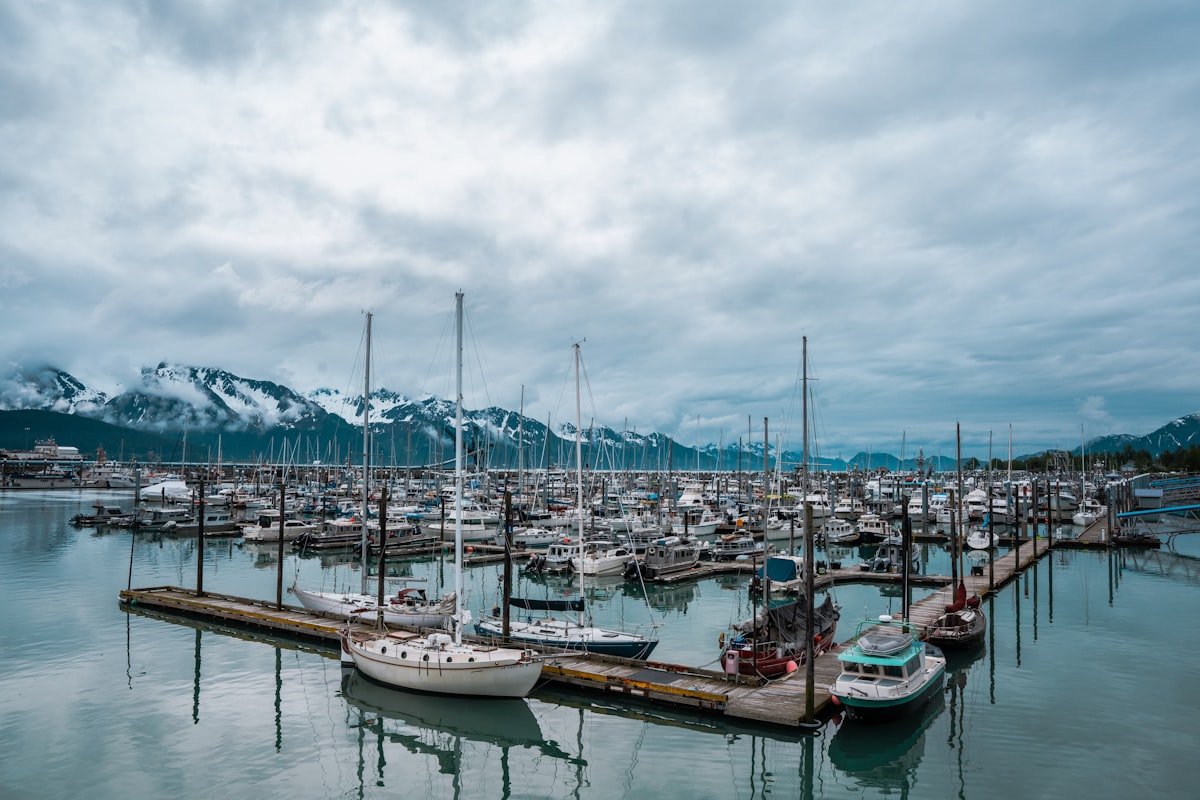
Seward sits at the head of Resurrection Bay, a deep saltwater fjord on the Kenai Peninsula where glacier-carved mountains drop straight into fish-rich water. It's the gateway to Kenai Fjords National Park, a working harbor packed with charter boats, and the home of one of Alaska's oldest and most famous fishing events, the Seward Silver Salmon Derby. For a visiting angler, Seward offers a rare combination: world-class saltwater fishing for salmon, halibut, and bottomfish just minutes from the dock, plus genuine shore fishing you can do without ever booking a boat. This guide breaks down what swims here, how to catch it, and how a first-timer gets started.
For the wider picture, the town, the fjords, and trip planning, read our complete Seward fishing guide. Nearby on the peninsula, see how to fish the Kenai and Homer.
First: Your Alaska Fishing License
Every adult angler (16 and older) needs an Alaska Department of Fish and Game (ADF&G) sport fishing license. If you plan to target king (Chinook) salmon, you also need a king salmon stamp added on. Buy both in seconds online at adfg.alaska.gov, on the ADF&G app, or at any tackle shop and outfitter in town; non-residents can get 1-day, 3-day, 7-day, or 14-day licenses that fit a vacation. Alaska's bag limits are specific and vary by species and by exactly where you are, for example, inside Resurrection Bay all six of your daily salmon may be silvers, but outside the bay only three of six may be silvers. These rules change season to season, so check the current ADF&G Southcentral regulations before you keep fish.
What You'll Catch
Seward's cold, clean water grows a superb saltwater lineup:
- Silver (coho) salmon, the star, hard-fighting and abundant, running roughly 8 to 12 pounds. The focus of the August derby.
- King (Chinook) salmon, the largest and most prized salmon, targeted earlier in summer.
- Sockeye (red) salmon, run through the bay in summer; excellent eating.
- Pacific halibut, the heavyweight bottom prize, most sport-caught fish running 20 to 50 pounds, with much larger ones possible.
- Rockfish, colorful, delicious reef fish (black, yelloweye, and more).
- Lingcod, the toothy, hard-hitting bottom predator, with a season that opens in summer.
Silver Salmon and the Derby
Silver salmon are the heartbeat of Seward's fishery. They pour into Resurrection Bay in huge numbers from late June through Labor Day, and they're the perfect target for a beginner: aggressive, plentiful, and reachable both from a boat and from shore.
From a charter, the classic methods are trolling and mooching a whole or cut herring behind a flasher, working the shoreline structure and the mouths of the bay where silvers stage. When a school is around, the action is fast and the fish are acrobatic.
The event that defines the town is the Seward Silver Salmon Derby, Alaska's second-oldest fishing tournament, run every August for nine days starting the second Saturday, drawing thousands of anglers competing for a prize pool that tops a quarter-million dollars (tagged fish are worth serious money). If you can time a trip to derby week, do it: the whole town buzzes, and the bay is full of silvers.
Catching Silver Salmon in AlaskaKing and Sockeye Salmon: The Other Runs
Silvers get the derby glory, but two more salmon are worth knowing. King (Chinook) salmon are the giants of the salmon world, fish over 30 pounds are landed in the bay, and they show earlier in the season, roughly late spring into early summer. Seward runs a hatchery-supported king fishery in Resurrection Bay, which means a real shot at a trophy salmon close to town; troll or mooch herring deep and slow. Remember the king salmon stamp on your license if you're targeting them, and watch the regulations closely, because king rules change often and can be restrictive.
Sockeye (red) salmon move through the bay in summer and are the prize of the eating-fish crowd, firm, bright-red fillets that many Alaskans rate the best salmon on the table. Sockeye are famously reluctant to bite lures (they feed on tiny plankton), so the technique is different: anglers often "floss" or flip-fish them in the rivers and use specialized setups in the salt. For a first-timer, sockeye are usually a bonus on a salmon charter rather than the main target, but a cooler of reds is a trip worth remembering. Between kings in early summer, sockeye through the season, and silvers from July into September, Seward offers a rolling salmon calendar all summer long.
Halibut and the Combo Trip
If salmon are the sport, halibut are the freezer. These giant flatfish live on the bottom in deeper water outside the bay, and the standard way to catch them is simple and effective: drop a heavy weight and a baited circle hook (herring, salmon bellies, or octopus) to the bottom, reel up a crank or two, and hold on. When a halibut eats, don't swing, let the circle hook find the corner of the jaw as the fish pulls, then crank steadily. Getting a 40-pounder up from 200 feet is genuine work, and it's a blast.
The best value for a visitor is usually the combo trip, offered from late June through early September, which targets halibut, salmon, and rockfish on a single full day. Boats generally leave the harbor early, often around 6 a.m. and run out toward the fishing grounds, so you get variety and the best odds of coming home with a full cooler. It's the trip most first-timers should book.
Alaska Saltwater Salmon and Halibut FishingRockfish and Lingcod: The Bottom Bruisers
While you're over structure for halibut, you'll tangle with rockfish, a whole family of colorful, tasty reef fish that hammer a jig dropped near the bottom. Black rockfish are the common, willing catch; yelloweye (once called red snapper up here) are a spectacular but tightly regulated deep-water species. Lingcod are the other bottom prize: aggressive, prehistoric-looking ambush predators that inhale a big jig or a live rockfish, with a season that opens in summer. Both are caught on the same combo trips, jigging heavy leadhead or diamond jigs straight down over reefs and pinnacles.
A crucial conservation note lives here: rockfish suffer barotrauma when hauled up from depth (their swim bladders over-expand). If you're releasing one, use a descending device to send it back down, it dramatically improves survival, and in many cases it's required. Your captain will have one aboard.
Fishing From Shore: No Boat Required
Here's what makes Seward special for the budget or boatless angler: you can genuinely catch salmon from shore right in town. During the summer, silver, king, and sockeye salmon move through Resurrection Bay within casting range of the beach, and the shoreline near the Seward Lagoon and along the waterfront becomes a shore-fishing scene when the fish are in. Cast a Pixee or Vibrax spinner, a spoon, or a bait-and-bobber setup and work the tide. It gets busy when the run is on, Alaskans call the elbow-to-elbow scene "combat fishing", but it's a legitimate, license-only way to catch a salmon dinner without spending a dime on a charter. Fish the incoming tide, early and late in the day, and watch what the locals are throwing.
Booking a Charter
For halibut and the offshore combo, a charter is the way to go, and Seward's harbor is full of professional operations. What to know:
- Trips run full-day (halibut/combo) and half-day (silver salmon, rockfish); boats are typically sturdy 30- to 40-foot vessels with heated cabins, welcome on a cold, wet Gulf morning.
- The captain and deckhand provide all rods, tackle, and bait, and clean your catch at the dock.
- Book early for August and derby week, the best boats fill months ahead.
- Arrange a processor: local seafood processors will flash-freeze, vacuum-pack, and ship your fillets home so nothing goes to waste.
Weather, Seas, and Seasickness
Resurrection Bay is stunningly beautiful but it opens to the Gulf of Alaska, and the water is cold and the weather changeable. Dress in warm, waterproof layers even in July, a rain jacket, a warm hat, and gloves make the difference between a great day and a miserable one. If you're prone to motion sickness, take medication the night before and again the morning of your trip; the run out past the fjord can be rolly. Rubber boots and a dry bag for your phone and camera round out the kit. And keep your camera handy, sea otters, whales, puffins, and calving glaciers are part of the Seward fishing experience.
What a Day on the Water Looks Like
If you've never done it, here's the rhythm of a Seward full-day combo. You'll meet at the harbor before dawn, often around 5:30 or 6 a.m. check in, and load up while it's still cool and quiet. The captain runs out through Resurrection Bay (the wildlife show starts here) to the salmon grounds or the halibut banks, sometimes an hour or more depending on the day. The deckhand rigs everything, baits your hook, and coaches you through the technique; you don't need to know a thing beforehand. You'll fish a spot until it's productive, then move; expect stretches of steady action broken by runs between grounds. Around early afternoon the boat turns for home, and back at the dock the crew fillets your catch while you settle up and arrange processing. Total trip: usually 8 to 12 hours. Bring food, water, warm layers, and a sense of humor about the weather, and let the deckhand do the heavy lifting on that first halibut.
When to Go
- May–June: Halibut fishing opens and king salmon are the early-summer target. Fewer crowds, long daylight, and building runs.
- July: Peak all-around, halibut, kings winding down, silvers arriving, rockfish and lingcod (season open) on the combo trips. Long, productive days.
- August: Prime silver salmon season and derby month; the bay fills with cohos and the town with anglers. The single best time for salmon.
- September: Late silvers and solid halibut before the season winds down; crisp weather and thinner crowds.
Gear: Charter-Supplied or Bring Your Own
On any charter, everything is provided, just bring warm layers and a license. If you're shore fishing or bringing tackle:
- Salmon (shore): A 9- to 10-foot medium-heavy spinning rod with a 4000–5000 reel and 20- to 30-pound braid handles silvers and kings from the beach. Stock Pixee spoons, Blue Fox Vibrax spinners in size 4–5, and a few bobber-and-bait rigs with cured salmon eggs.
- Halibut/bottom (private boat): Heavy conventional gear, 6- to 16-ounce weights, circle hooks, and big diamond or leadhead jigs for rockfish and lingcod.
- Clothing: Waterproof rain gear (bibs and jacket), warm mid-layers, a beanie, gloves, and rubber boots. Polarized sunglasses and sunscreen, the northern sun off the water is deceptively strong.
More Than Fishing: The Kenai Fjords
Part of what makes a Seward fishing trip unforgettable is where it happens. Resurrection Bay is the doorway to Kenai Fjords National Park, and the run to the fishing grounds doubles as one of the great wildlife cruises on the planet. On a normal day of fishing you may see sea otters rafting in the kelp, Steller sea lions hauled out on the rocks, humpback and orca whales, Dall's porpoise riding the bow wave, puffins and bald eagles, and mountain goats on the cliffs, with tidewater glaciers calving into the sea as a backdrop. It is not unusual to set down the rod mid-fight to watch a whale surface nearby.
That scenery makes Seward a rare fishing destination that works for a whole family, including non-anglers. Pair a morning charter with an afternoon glacier-and-wildlife cruise, a hike to Exit Glacier, or a walk through the excellent Alaska SeaLife Center on the waterfront. The town itself is small, walkable, and full of good seafood. Build the trip so the fishing and the sightseeing feed each other, and you'll understand why so many visitors call a few days in Seward the highlight of their Alaska trip.
A Word on Conservation
Alaska's fisheries are among the best-managed on earth, and keeping them that way is on all of us. Know and honor the bag limits, they differ inside versus outside Resurrection Bay, and don't waste fish; arrange processing so everything you keep gets eaten. Use a descending device on released rockfish to beat barotrauma. Handle released salmon gently, keep them in the water, and don't fish over spawning beds in the streams. Pack out every scrap of line and trash, give the sea otters and whales a wide berth, and leave Resurrection Bay as wild and clean as you found it.