Fish
Fish Fire
Fire Hike
Hike Bird
Bird

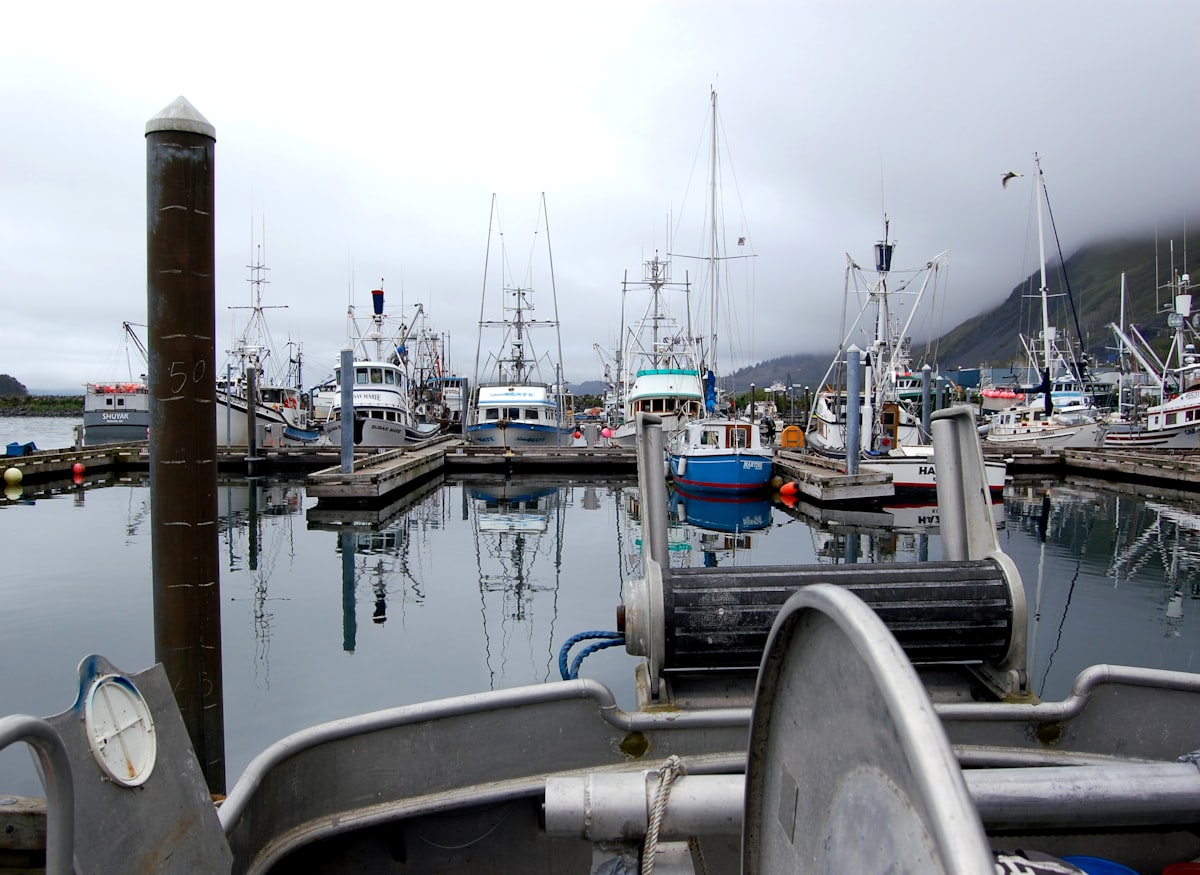

Kodiak Island, Alaska's Emerald Isle, sits in the Gulf of Alaska south of the mainland, a rugged, green, brown-bear-roamed island ringed by some of the richest water in the state. It's famous for trophy halibut, runs of all five Pacific salmon, hard-fighting lingcod and rockfish, and a mix of road-accessible and remote fly-out river fishing that few places can match. It's wilder and more remote than the cruise ports, you fly in, but for a first-timer who wants the real Alaska, Kodiak delivers. This guide covers it.
For the bigger picture, the species, the rivers, and the charter and lodge scene, read our complete Kodiak fishing guide.
First: License, King Stamp, and the Bottomfish Rules
Every angler 16 or older needs an Alaska sport fishing license, and a charter does NOT cover passengers, each person buys their own. To keep a king (Chinook) salmon you also need a separate king salmon stamp. Buy both online from the Alaska Department of Fish and Game (ADF&G) before your trip. Know the bottomfish rules: the Kodiak rockfish bag limit is currently five per day (only two non-pelagic, one yelloweye), lingcod are closed January 1–June 30 and open the second half of the year, and king salmon and halibut have their own changing limits, confirm the current ADF&G Kodiak-area regulations before you keep fish.
Halibut and Bottomfish: Kodiak's Trophy Game
Kodiak is renowned for halibut, including genuine barn-doors, and the fishing is excellent throughout the season (charters target them May through October). The boats run to productive holes and anchor or drift over the bottom, dropping big baits, herring, salmon belly, octopus, on heavy circle-hook rigs into deep water. This is heavy tackle: a stout rod, a big conventional reel with 80-pound braid, and a pound or two of lead to hold bottom. When a big halibut loads up, pace yourself, it's like pulling a manhole cover off the seafloor.
Lingcod (open July 1 onward) are caught jigging heavy jigs over submerged rock piles and pinnacles, and they'll often grab a hooked rockfish on the way up. Rockfish, black, yelloweye, and others, come on jigs near structure (mind the limits and use a descending device to release non-pelagic species). Bottomfishing is reliable, action-packed, and produces some of the best eating in the ocean.
Alaska Saltwater Salmon and Halibut FishingSalmon: Saltwater, the Road System, and Fly-Out Rivers
Kodiak gets strong runs of all five Pacific salmon, and you can fish them three ways. On a saltwater charter, troll or mooch herring for kings (early season) and abundant silvers (coho) from July into September. On the road system, the Buskin River near town is the accessible favorite, it gets early sockeye and silver runs and is a great DIY spot to cast spoons and spinners or drift bait. And for the true Kodiak experience, fly out by float plane to remote rivers like the Karluk and Ayakulik, famous for huge sockeye returns in August and strong silver runs (the Karluk peaks later, into September), wild, scenic, bucket-list fishing reached only by air.
Fishing an Alaska Coastal River for SalmonDolly Varden, Steelhead, and the Rivers
Beyond salmon, Kodiak's rivers hold Dolly Varden (sea-run char, excellent on light tackle) and steelhead (Kodiak has a notable wild steelhead run, mostly fall). Try the road-accessible Buskin, American, Olds, and Salonie rivers for Dollys, fishing small spinners, beads, or flies. The steelhead are a special catch-and-release prize for the dedicated angler. These river fisheries are a lovely, lower-key complement to the big saltwater game.
Fishing in Bear Country
Here's what makes Kodiak different from any cruise port: it's home to the famous Kodiak brown bears, and many of the best river spots are shared with them. This isn't a reason to avoid the rivers, it's a reason to be smart. Fish with a guide or in a group on the remote rivers, carry bear spray and know how to use it, make noise, never get between a bear and the water or its catch, keep your fish on a stringer away from you (or give them up if a bear wants them), and follow your guide's instructions. Responsible anglers and bears share these rivers every season; awareness and respect are all it takes. It's also part of what makes a Kodiak fishing trip unforgettable.
Why Fly-Out, and What to Expect
Kodiak's signature experience is the fly-out, and it's worth understanding why. The island is huge and largely roadless, so the best wild river fishing, the famous sockeye and silver returns on the Karluk, Ayakulik, and other remote drainages, is reached by float plane or wheel plane, often as a day trip from town or a stay at a remote lodge. A fly-out day typically means an early bush-plane flight over stunning country (you'll likely see bears and eagles from the air), a drop-off on a wild river or lake, and a day of fishing water that almost no one else can reach, with a pickup in the afternoon. It's more expensive and weather-dependent than fishing in town, flights can be delayed or scrubbed by Kodiak's notorious weather, but it's the trip of a lifetime for many anglers, and going with an established air-taxi or lodge operation handles the logistics, the gear, and the bear safety. If you want the wildest, most exclusive Alaska river fishing, this is it; if you want simpler and surer, the in-town saltwater charters and the Buskin River deliver without the flight.
More on Halibut and the Saltwater Day
Halibut are Kodiak's bread-and-butter saltwater target, and a charter day is straightforward and productive. The boat runs to a proven hole, anchors or drifts, and you drop a heavy bait to the bottom; the captain often chums to bring fish in. When a halibut takes, you feel a heavy thump, then reel up steadily from the depths, even an average "chicken" halibut pulls hard, and a big one is a workout, so pace yourself and let the gear do the work. The crew gaffs and handles the fish (big halibut are subdued before coming aboard for safety), and many trips mix in lingcod and rockfish jigging over nearby pinnacles for a varied box. Dress warm and waterproof, take seasickness medication ahead of time if you're prone (the Gulf of Alaska can be bouncy), and arrange to have your catch processed and shipped, Kodiak processors will fillet, freeze, and box it. A day on the Kodiak salt can fill a cooler with halibut, lingcod, rockfish, and salmon all at once.
More on the Rivers and Technique
On the salmon rivers, whether the road-system Buskin or a fly-out river, the fishing comes down to reading the water and matching the run. Salmon hold in the deeper holes, slots, and tail-outs and move through on the tides and the flow, so target the holding water and time your trip to when the run you want is actually in (sockeye and silvers peak at different times on different rivers). For sockeye, which don't readily bite, the technique is often a precise drift to "floss" or fair-hook them in the current with a fly or a bare hook under the strict ADF&G rules, confirm the legal method for the river. For silvers, which DO bite aggressively, cast bright spoons, spinners, and flies and hang on. Dolly Varden and steelhead take small spinners, beads, egg patterns, and flies in the seams and tail-outs. Use barbless hooks where required, keep wild steelhead wet and release them, and follow the river-specific regulations, which vary and change. The rivers are also where bear awareness matters most, so fish them with a guide your first time.
A Note on Conservation
Kodiak's fisheries are a wild, managed treasure, and king salmon and wild steelhead in particular need care, confirm king rules before keeping one, release wild steelhead, and use barbless hooks and quick, in-water handling. Respect the rockfish limits and use a descending device for non-pelagic species brought up from depth, mind the lingcod closure, and keep only what's legal and what you'll eat. The same respect extends to the bears and the wild country itself, pack out what you pack in, give wildlife space, and leave these rivers as wild as you found them. That's how Kodiak stays Kodiak.
Gear: What to Bring
Charters and lodges supply everything for halibut, salmon, and bottomfish. For DIY river fishing on your own:
- Salmon (river/shore): a 9-foot medium-heavy spinning rod, a 4000-size reel, 20-pound braid, and Pixee spoons and Vibrax spinners in pink and chartreuse.
- Dolly/steelhead: a light-to-medium spinning or float rod, spinners, beads, and bait or a fly.
- Clothing: Kodiak is wet and raw, Grundens rain gear, Xtratuf boots, and warm layers are essential, plus bear spray for the rivers.
When to Go
- May–June: Halibut fishing opens and is strong; early king salmon; lingcod still closed.
- July: Halibut excellent, lingcod opens (July 1), silver salmon start, sockeye in the rivers.
- August: Peak, huge sockeye runs on the Karluk and Ayakulik, silvers building, halibut and bottomfish strong.
- September–October: Peak silver (coho) salmon, late Karluk silvers, halibut and bottomfish continuing, fall steelhead.
A First-Timer's Plan
For your first Kodiak trip, the easiest high-value option is a saltwater charter for halibut and silvers, everything supplied, and a real shot at a trophy halibut. Want the wild Kodiak experience? Book a fly-out day or a lodge stay on the Karluk or Ayakulik for silvers and sockeye (guided, with bear-country know-how included). Doing it yourself? The Buskin River near town offers accessible salmon and Dolly fishing, just bring bear spray and awareness. Buy your Alaska license and king stamp online first, pack rain gear and Xtratufs, and check the current king and bottomfish regulations.
For the full seasonal calendar and the charter and lodge rundown, see our complete Kodiak fishing guide. Fishing more of Alaska? We also have first-timer guides for Homer and the Kenai.