Fish
Fish Fire
Fire Hike
Hike Bird
Bird

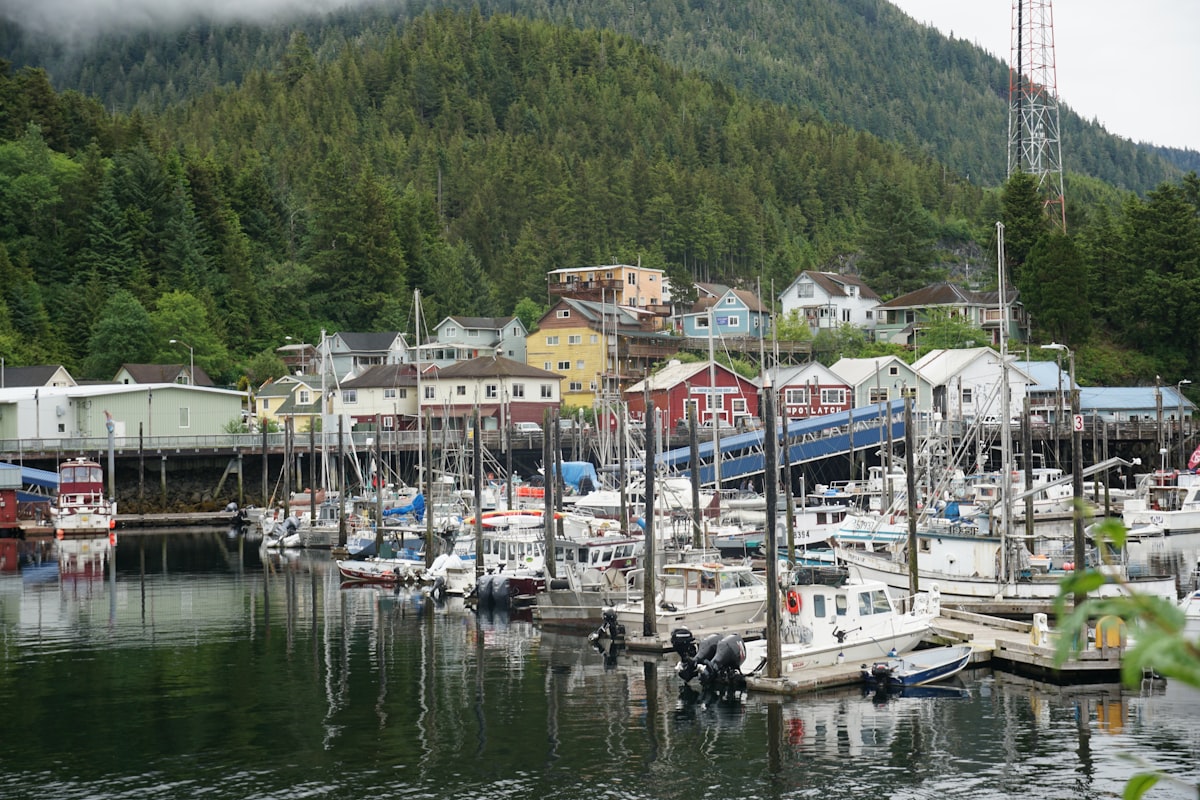
Ketchikan, at the southern tip of Alaska's Inside Passage, calls itself the Salmon Capital of the World, and it has earned the name. The Tongass National Forest pours cold, nutrient-rich water into the surrounding channels and fjords, fueling massive runs of all five Pacific salmon plus halibut, lingcod, rockfish, and Dungeness crab. Its other advantage is access: where other Alaska ports mean a long drive to the water, Ketchikan puts you on a boat and fishing within minutes of the dock, a huge plus for cruise visitors with limited time. For a first-timer, it's about as productive and convenient as Alaska fishing gets. This guide covers it.
For the bigger picture, the species, the runs, and the charter scene, read our complete Ketchikan fishing guide.
First: License and the King Stamp
Every angler 16 or older needs an Alaska sport fishing license, and a charter does NOT cover its passengers, each person fishes on their own. To keep a king (Chinook) salmon you also need a separate king salmon stamp. Buy both online from the Alaska Department of Fish and Game (ADF&G) before your trip; non-resident 1-day, 3-day, 7-day, and 14-day options exist. King limits are managed tightly (recently one king per day at a 28-inch minimum, with a non-resident annual limit of three) and can change year to year and by area, so confirm the current ADF&G Ketchikan-area regulations before keeping fish.
Salmon: All Five Species
Ketchikan's salmon fishing is its identity, and the runs roll through the season: king (Chinook) arrive first in late spring; sockeye and pink salmon flood in through midsummer; and coho (silver) run strong from late summer into early fall, along with chum. On a charter, you'll troll or mooch, pulling or drifting a flasher and a plug-cut herring at depth on a downrigger or a cannonball sinker, through the channels and fjords where the captain knows the fish are staging. Kings are the trophy, silvers are the aggressive, abundant fall favorite, and pinks fill mid-summer with fast, fun action.
You can also fish from shore, and Ketchikan's most famous spot is right downtown: Ketchikan Creek, which runs under the historic Creek Street boardwalk, fills with pink and silver salmon in summer, you can watch them stack up and fish the accessible water (mind local rules and the regulated areas). Beaches and the road system offer additional shore casting for salmon when the runs are in; a small pink or chartreuse Pixee spoon or a Vibrax spinner on a medium spinning rod is the ticket.
Inside Passage Salmon and Halibut FishingHalibut and Bottomfish
Halibut are the other marquee target, available throughout the May-through-September season. Charters run to the productive grounds and fish at anchor on the bottom, dropping big baits (herring, salmon belly, octopus) on heavy circle-hook rigs into deep water, a stout rod, a big conventional reel with 80-pound braid, and a pound or two of lead to hold bottom. When a barn-door halibut loads up, pace yourself. Lingcod and rockfish round out the bottom mix (rockfish often need a descending device for release). Many trips combine salmon trolling with halibut and bottomfish for a full Inside Passage sampler.
The Cruise-Port Advantage
Ketchikan is uniquely set up for visitors with limited time, especially cruise passengers. Because the fishing grounds are minutes from downtown, 4-to-6-hour charters are common and realistic, you can step off a ship, fish productive water, and be back in port the same day with salmon or halibut in the box. Longer full-day trips reach more water and more species, but the short trips genuinely produce here in a way they can't in ports with long runs to the fish. If you're on a tight cruise schedule, Ketchikan is the Alaska port to fish.
Crab and Other Catches
Ketchikan's waters also hold Dungeness crab, and many charters drop pots during your trip, fresh-caught Dungeness is a delicious bonus. The fjords and creeks also hold Dolly Varden and cutthroat trout for the freshwater-minded, fished on light tackle with spinners and bait. Between salmon, halibut, bottomfish, and crab, a Ketchikan charter can fill a cooler with an Alaska variety pack.
Reading the Tides and the Runs
Even with how convenient Ketchikan is, the fish still bite best on the moving tide and at the right point in each species' run. Salmon stage and move with the current, so a captain plans the troll around the day's exchange, and the bite is usually best on moving water rather than slack. The other half is timing the run, the same channel that's full of kings in June is full of pinks in July and silvers in September, so what you target depends on the week. The good news for a visitor is that you don't have to figure this out yourself: the captains fish daily and know exactly what's running and where, and a quick look at the ADF&G Ketchikan fishing report tells you the current picture. If you're fishing the creek or a beach on your own, time it to an incoming tide and the low-light hours of morning and evening, and go when the run you want is actually in.
What a Ketchikan Charter Day Looks Like
A typical trip leaves the harbor and is fishing within minutes, that's the Ketchikan difference. On a salmon troll, the captain sets a spread of flashers and herring on downriggers and lines at staggered depths, and you watch the rods until one snaps down out of the holder; you take it, keep the tip up, and reel steadily while the captain or deckhand coaches you and nets the fish. If the trip includes halibut, the boat anchors over good bottom, you drop a heavy bait down, and you wait for the distinctive thump before reeling up from the depths. The crew baits, gaffs, nets, and handles the fish, and many boats will clean and bag your catch; Ketchikan processors can freeze and ship it home. Dress warm and waterproof, take seasickness medication ahead of time if you're prone (the protected Inside Passage water is generally calmer than the open ocean, another Ketchikan plus), and bring a sense of adventure, you may land salmon, halibut, lingcod, rockfish, and crab all in one outing.
More on the Ketchikan Creek Run and Shore Fishing
For the do-it-yourself or budget-minded angler, Ketchikan Creek is a genuine attraction: in mid-to-late summer, pink and silver salmon push up the creek that runs right through downtown beneath the historic Creek Street boardwalk, and you can watch them stack up in the pools. Where regulations allow, you can fish the accessible water with spoons and spinners, but pay close attention to the rules, as some stretches and times are closed or restricted to protect the run, and snagging is illegal. Beyond the creek, road-accessible beaches and shorelines around Ketchikan let you cast for salmon when the runs are in; a medium spinning rod with bright spoons and spinners is all you need, and the pinks in particular will hit eagerly. It's a great free option to pair with (or substitute for) a charter, and it's a memorable sight to watch wild salmon finishing their journey in the middle of town.
A Note on Conservation
The Salmon Capital stays the Salmon Capital because the runs are managed and respected. King salmon face real pressure across Southeast Alaska, which is why the limits are strict and can change, confirm the current king rules before keeping one, and consider releasing wild kings even when legal. Use barbless or pinched hooks where required, never snag fish in the creeks, release undersized and over-limit fish quickly and in the water, and use a descending device for rockfish brought up from depth. Keep only what you'll eat and what's legal. These runs are a renewable treasure, and fishing within the rules keeps them strong for the next season and the next angler.
Gear: What to Bring
Charters supply everything for salmon, halibut, and crab. For shore fishing on your own:
- Salmon (shore): a 9-foot medium spinning rod, a 4000-size reel, 20-pound braid, and Pixee spoons and Vibrax spinners in pink and chartreuse.
- Dolly/trout: a light spinning rod, spinners, and bait or a fly.
- Clothing: Ketchikan is one of the rainiest places in the U.S., so Grundens rain gear and Xtratuf boots are essential, plus warm layers, it's cool and wet even in summer.
When to Go
- Late May–June: King salmon arrive; halibut fishing ramps up.
- July: Sockeye and pink salmon flood in (fast, fun fishing), halibut strong.
- August–September: Peak coho (silver) salmon, aggressive, abundant, plus continued halibut and bottomfish.
- Throughout May–September: Halibut available the whole season; the cruise-season window for visitors.
A First-Timer's Plan
For most visitors, a charter is the move, and in Ketchikan even a short 4-to-6-hour trip puts you on salmon and halibut, making it perfect for a cruise stop. Book a trip matched to your time and target (salmon, halibut, or a combo), and the captain supplies the gear and handles the regulations. Fishing on your own? Cast a spoon for pink and silver salmon along Ketchikan Creek downtown or a road-accessible beach when the runs are in. Buy your Alaska license and king stamp online first, pack Grundens and Xtratuf for the rain, and check the current king regulations.
For the full seasonal calendar and the charter rundown, see our complete Ketchikan fishing guide. Fishing more of Southeast Alaska? We also have first-timer guides for Sitka and Juneau.