Fish
Fish Fire
Fire Hike
Hike Bird
Bird

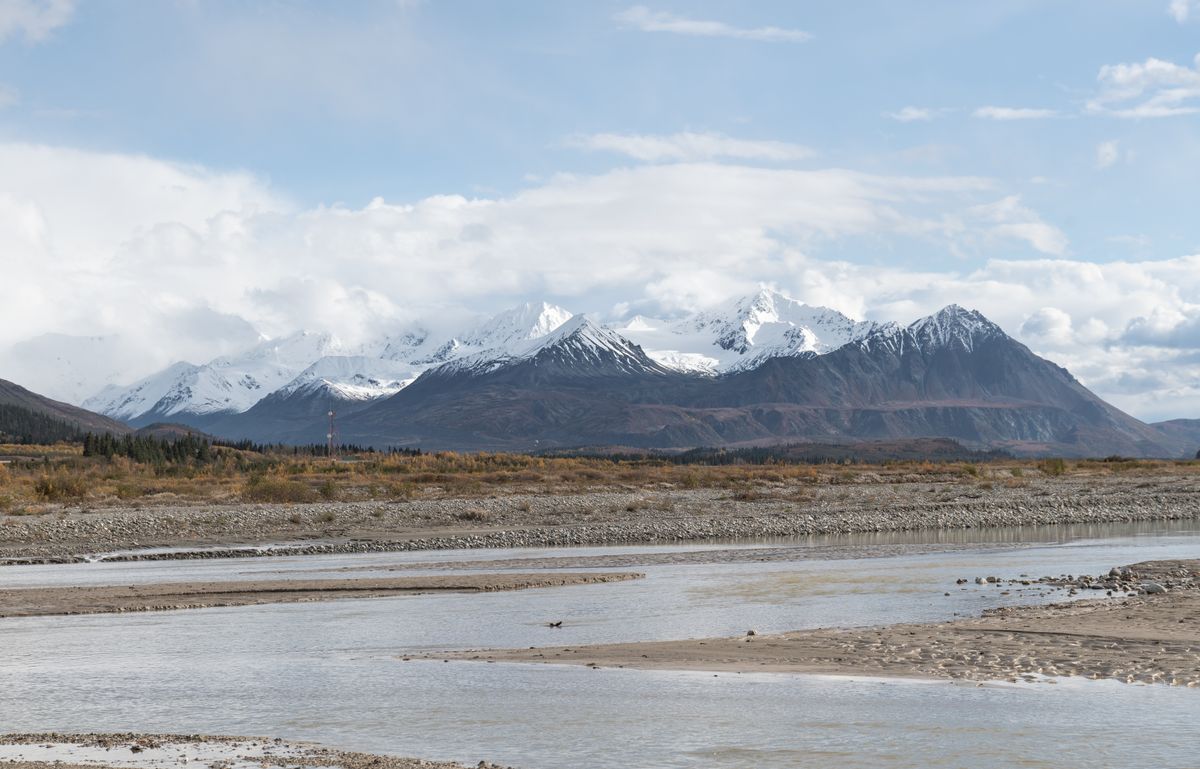

Katmai National Park is the flyover destination that every serious fly angler puts on their bucket list, and the one that, when they finally get there, exceeds every expectation. The park sits on the Alaska Peninsula in the Bristol Bay watershed, accessible only by float plane, holding some of the most prolific salmon runs and largest wild rainbow trout populations on the planet. The rainbow trout in Katmai routinely reach 24-30 inches, fish that have spent their lives gorging on salmon eggs, salmon flesh, and the aquatic insects that thrive in water fertilized by a million decomposing salmon carcasses every year.
And then there are the bears. Katmai is home to roughly 2,200 brown bears, the highest density of brown bears in the world. They fish the same rivers you do, often within 50 yards. At Brooks Falls, bears stand in the current and catch leaping sockeye salmon out of the air while anglers fish the pools downstream. It's the most famous wildlife spectacle in North America, and you can cast a fly while watching it happen.
This is not a day trip. Getting to Katmai requires a commercial flight to Anchorage, a regional flight to King Salmon, and a float plane into the park. Most anglers stay at lodges, the park concessioner lodge at Brooks Camp or one of the remote fly-out lodges that dot the Bristol Bay region. It's expensive, logistically complex, and worth every penny and every hassle.
The Fish
Rainbow Trout, The Main Event
Katmai's rainbow trout are the reason most fly anglers make the trip. These are wild, resident rainbows that have never seen a hatchery, they've spent their entire lives in cold, nutrient-rich water, feeding on a diet that no lower-48 trout has access to: salmon eggs, salmon flesh, and the explosion of aquatic invertebrates that the salmon nutrient cycle supports.
The result is trout that average 18-24 inches, with fish over 28 inches caught regularly and 30-inch fish a realistic possibility on any given day. These are not skinny, stream-dwelling fish, they're deep-bodied, thick-shouldered predators that fight with a power that makes a 20-inch Montana brown feel like a panfish.
The rainbow trout fishing is driven entirely by the salmon cycle:
-
June (pre-salmon): Rainbows feed on aquatic insects, mayflies, stoneflies, caddis. This is the dry-fly window. Mouse patterns fished on the surface at dawn and dusk produce explosive strikes. The trout are hungry after a long winter and willing to eat anything that floats.
-
July (salmon arrival): Sockeye salmon enter the rivers by the hundreds of thousands. Rainbows initially continue feeding on insects, but as salmon begin staging, the trout shift to intercepting drifting salmon eggs. Egg patterns become the dominant fly. Bead-head eggs, Glo Bugs, and peach/orange egg patterns dead-drifted behind spawning salmon produce fish after fish.
-
August (peak spawn): The height of the salmon spawn, and the most productive trout fishing of the year. Rainbows stage directly behind spawning salmon, faces into the current, eating every egg that drifts past. The fishing is sight-fishing to individual trout, you can see the rainbow holding behind the redd (spawning nest), see the egg drift toward it, and see the fish eat. An egg pattern dead-drifted through the feeding lane catches a trout on nearly every presentation. This is the month that defines Katmai fly fishing.
-
September (flesh flies): After the salmon spawn and die, their decomposing flesh drifts downstream. The rainbows, already fat from weeks of egg-eating, switch to flesh flies: light pink or white bunny-strip patterns that imitate chunks of drifting salmon tissue. September produces the largest trout of the year, 30-inch rainbows at peak body weight before winter.
Pacific Salmon, Five Species
All five species of Pacific salmon run through Katmai's waters:
-
Sockeye (Red) Salmon, The dominant species. Up to a million fish enter the Naknek system annually, peaking in July. Sockeye are the fish that draw the bears to Brooks Falls and provide the egg-and-flesh cycle that feeds the trout.
-
King (Chinook) Salmon, The largest, averaging 20-40 pounds. Present June-July. Kings are powerful on a 10-weight rod and provide a completely different fight from trout fishing.
-
Silver (Coho) Salmon, The late-season run, August-September. Aggressive and willing to eat streamers and Clouser Minnows. Coho in Katmai average 8-12 pounds.
-
Pink and Chum Salmon, Present in varying numbers depending on the year and specific river system.
Arctic Char, Dolly Varden, and Arctic Grayling
The supporting cast, char, Dollies, and grayling, are present throughout the park and provide additional variety. Arctic grayling, with their sail-like dorsal fins, are particularly fun on a 4-weight rod with dry flies. Dolly Varden (a char species) feed alongside rainbow trout behind spawning salmon and eat the same egg patterns.
The Waters
Brooks River

The Brooks River is Katmai's most famous water, a 1.5-mile river connecting Brooks Lake to Naknek Lake that hosts the iconic Brooks Falls bear-viewing and fishing experience. Only fly fishing is permitted on the Brooks River. The river holds rainbow trout, sockeye salmon (a million-fish run), and char.
Fishing the Brooks River is a shared experience, shared with bears. NPS regulations require anglers to stay at least 50 yards from any bear. If a bear approaches within 50 yards while you're fighting a fish, you must break your line and reel in. This is not optional. The bears have priority.
A Brooks River corridor permit is required ($6, reserved on Recreation.gov). Sections near Brooks Falls are closed to fishing June 15-August 15 to protect bear feeding areas.
The Naknek River
The Naknek River, flowing from Naknek Lake to Bristol Bay, is one of the premier trophy rainbow trout fisheries in the world. Fish over 30 inches are caught here regularly. The Naknek is accessible by boat from King Salmon and doesn't require a float plane, making it the most accessible water in the Katmai region.
American Creek
A remote tributary holding world-class rainbow trout and char fishing with minimal pressure. Access by float plane only. American Creek is the water that serious anglers seek out when they want solitude and trophy fish without the Brooks River crowds.
Fly-Out Waters
The Bristol Bay region around Katmai holds dozens of rivers accessible only by float plane, the Alagnak (a Wild and Scenic River), the Kulik, the Moraine, and others. Fly-out lodges in the region offer daily fly-outs to different rivers, rotating destinations based on conditions and salmon timing. A week at a fly-out lodge gives you access to water that most anglers will never see.
The Fly Box
Katmai's fly box follows the salmon cycle and demands Alaska-specific patterns that you won't find in a lower-48 fly shop. This is not a "bring your Montana box" situation, the flies that catch fish here are purpose-built for the salmon ecosystem.
Pre-salmon (June):
- Morrish Mouse / Mr. Hankey #2-4, THE topwater Alaska trout fly. Foam and deer hair construction that skates across the surface and provokes explosive strikes from trophy rainbows. Fish at dawn and dusk with a steady wake-producing retrieve. Nothing in the lower 48 prepares you for a 24-inch rainbow detonating on a mouse pattern.
- Dolly Llama #2-4, The essential Alaska articulated streamer. Rabbit strip over flash on a shank-and-trailer rig, in black/white, olive/white, or black/chartreuse. Deadly for big rainbows, char, and Dolly Varden. Swung through deep pools or stripped along structure. If you only bring one streamer to Alaska, bring the Dolly Llama.
- Smolt patterns #4-6, Modified Clousers imitating juvenile salmon during the June outmigration. The Blue Smolt is the Bristol Bay standard, effective for rainbows, char, and large grayling.
- Woolly Bugger #4-8, olive and black, still works everywhere
- Parachute Adams #14-16, dry-fly opportunities on calm water
- Elk Hair Caddis #14, caddis hatches in the tributaries
Egg season (July-August):
- Bead eggs (glass or plastic, 8-10mm) pegged 2 inches above a #8-10 octopus hook, the single most effective trout presentation in Bristol Bay. Peach, orange, and pink. The bead's translucence and spherical shape outfish traditional egg flies. Controversial among purists but legal and devastatingly effective.
- Glo Bug #8-10, peach/orange/pink, the classic yarn egg pattern. Simpler to tie than beads, nearly as effective. The fly-shop standard.
- Egg-Sucking Leech #4-6, Black or purple rabbit-strip leech with a fluorescent pink or orange egg head. Combines leech movement with egg attraction. The most versatile Alaska subsurface fly, works during egg season, between hatches, and when nothing else is producing.
- San Juan Worm #10, red or pink, egg alternative in the drift
- Pheasant Tail #16, when trout key on nymphs between egg feeds
Flesh season (September):
- Flesh flies (bunny strip, white/pink/tan) #4-6, imitating chunks of decomposing salmon drifting downstream. Tied sparse and unweighted so they tumble naturally in the current. September's dominant pattern, the trout are at peak weight and eating flesh aggressively.
- Battle Creek Special #6, A Katmai/Naknek-specific rabbit-strip streamer in various hues. Local pattern, locally effective.
- Dolly Llama #2-4, The big streamer comes back into play for aggressive pre-winter trout
- Egg patterns still productive (salmon continue spawning into September)
- Muddler Minnow #4, sculpin in the deeper runs
The Gear
Rods: Bring two, minimum. A 6-weight for trout (egg patterns, dry flies, small streamers). An 8- or 9-weight for salmon (kings demand the 9; silvers fish well on the 8). A 5-weight for grayling if you want the full experience.
Reels: Sealed drag, Katmai rivers are silty and sandy. A reel that lets grit into the drag system will fail mid-fight. Bring backing, a 28-inch rainbow in current will take you into the backing on a 6-weight.
Waders: Essential. The water is cold, 40-50°F even in August. Breathable waders with gravel guards and felt soles (check regulations, some areas prohibit felt due to invasive species concerns). Bring a rain jacket that fits over waders, Alaska weather changes fast.
License: Alaska state fishing license required. King salmon stamps are separate and required if targeting kings. Available online or in King Salmon.
Bear Protocol, This Is Not Optional

Fishing in Katmai means fishing with bears. The brown bears here are the largest in the world, males can exceed 1,000 pounds. They are not aggressive toward humans (they have abundant food), but they are wild animals that must be given space and respect.
50-yard minimum distance. Always. If a bear approaches within 50 yards, stop fishing, reel in, and move away calmly.
If you're fighting a fish and a bear approaches: cut your line. The fish is not worth a bear encounter. Period.
Do not clean fish on the riverbank. Bear-proof food storage is required at all campsites. Fish carcasses attract bears.
Make noise when walking to/from the river. Talk, clap, announce your presence at blind corners. A surprised bear is dangerous; an aware bear will usually give you the right of way.
Carry bear spray. On your belt, accessible in two seconds.
The experience: Once you accept the bear protocol and relax, fishing alongside bears becomes one of the most extraordinary wildlife experiences available to humans. A 900-pound brown bear catching a sockeye salmon out of the air at Brooks Falls while you cast to a 28-inch rainbow in the pool below is not something you'll experience anywhere else on earth.
When to Go
- June: Pre-salmon, dry flies, mice, streamers. Fewest crowds. Longest days (18+ hours of light). Bears present but not concentrated at falls yet.
- July: Sockeye arrive. Egg fishing begins. Bears concentrate at Brooks Falls. The spectacle begins. Book early, July at Brooks Lodge sells out a year in advance.
- August: Peak spawn. The best trout fishing. Bears everywhere. The most complete Katmai experience. Also the busiest month.
- September: Flesh flies. The biggest trout of the year. Silver salmon run. Bears are dispersing. Crowds thin. Weather gets colder and less predictable. Many lodges consider this the best month for serious anglers.
Getting There
There is no road to Katmai. The standard route:
- Commercial flight to Anchorage (direct from many US cities)
- Regional flight to King Salmon (PenAir or similar, ~1 hour)
- Float plane to your lodge (20-60 minutes depending on destination)
The logistics are part of the experience, the float plane ride over the Alaska wilderness, landing on a remote lake, stepping out onto a gravel bar with no roads, no buildings, and no sound except the river and the wind. You are genuinely remote here. Cell service doesn't exist. The nearest hospital is in King Salmon, accessible only by plane.
Cost: A week at a Katmai lodge runs $5,000-$10,000+ including flights, meals, guided fishing, and float plane fly-outs. It's the most expensive fishing in this series, and the most rewarding.
The Egg Game, Katmai's Signature Technique
Egg fishing in Katmai deserves its own section because it's unlike anything in the lower 48. In Montana or Colorado, egg patterns are one tool in the box. In Katmai during July-August, egg patterns ARE the box. The technique is visual, precise, and addictive:
Find the spawning salmon. Sockeye stack up in predictable locations, gravel bars with moderate current, water 2-4 feet deep. The salmon pair up on redds (nests), and the female fans the gravel with her tail while depositing eggs. The current carries loose eggs downstream.
Find the rainbow behind the redd. Rainbow trout position themselves 5-15 feet directly downstream of spawning salmon, faces into the current, waiting for drifting eggs. You can see them, dark shapes hovering in the current seam, occasionally tipping to one side to intercept an egg. Sometimes there are three or four rainbows stacked behind a single redd.
Dead-drift the egg pattern through the feeding lane. Cast upstream of the spawning salmon and let your egg pattern drift naturally downstream, through the exact current seam where the rainbow is holding. The drift must be drag-free and at the right depth. When the egg reaches the trout, you'll see the fish tip slightly and the line will hesitate. Strip-set. You're hooked to a 24-inch rainbow that has been eating continuously for weeks and is at peak fighting condition.
The beauty of the egg game is its visual nature. You're not blind-nymphing through a riffle hoping for a bump. You can see the salmon spawning, see the trout holding, see the egg drift toward the fish, and see the eat. It's sight-nymphing at its finest, the closest thing freshwater fly fishing has to permit fishing on the flats.
The bead trick. Many Katmai anglers use small glass or plastic beads pegged above the hook on the leader instead of traditional egg flies. The bead looks more realistic than chenille or yarn eggs, it has the translucence and spherical shape of a real salmon egg. Beads are controversial (some purists don't consider them flies), but they're legal in Katmai and devastatingly effective. A 10mm peach bead pegged 2 inches above a #10 octopus hook, dead-drifted behind spawning sockeye, is arguably the most effective trout presentation in the world.
The Mouse Game, Katmai's Other Obsession
Before the salmon arrive in July, and in the low-light hours throughout the season, Katmai's rainbow trout eat mice. Real mice, voles and lemmings that swim across rivers, fall off cutbanks, or get swept downstream during rain events. The trout have learned that a mouse on the surface is a high-calorie meal that's easy to catch, and they attack mouse patterns with the kind of surface violence that makes a Miyawaki Popper take look polite.
Mouse fishing in Katmai is topwater trout fishing with a 6-weight rod, cast a large deer-hair mouse pattern (#2-4) to the far bank, let it land with a splat (the splat is part of the presentation, it sounds like a mouse falling in), and strip it across the surface with a steady, wake-producing retrieve. The take is explosive, a full-body lunge from a 20-inch rainbow that hits the mouse from below with enough force to send water three feet in the air.
The best mouse fishing happens at dawn and dusk in June and early July, before egg patterns take over. But even during peak salmon season, the last hour of light can produce spectacular mouse-pattern action on rivers where trout have been eating eggs all day and are looking for something different.
Why Katmai Changes You
Every angler who fishes Katmai comes home different. Not because the fish are bigger (though they are). Not because the scenery is wilder (though it is). It's because Katmai shows you what a healthy, intact, unfished ecosystem looks like, a river where a million salmon return every year to spawn and die, fertilizing the water that grows the insects that feed the trout that eat the eggs that the salmon lay. The cycle is visible, tangible, and ancient. You're not just catching fish, you're participating in an ecological process that has been running for tens of thousands of years.
The bears are part of this too. In the lower 48, we've removed the apex predators from most trout streams. In Katmai, the bears are still here, still fishing, still part of the river. Standing in a river with a 900-pound brown bear 60 yards away, both of you fishing for the same species, is humbling in a way that no amount of mountain scenery can match. The bear was here first. The salmon were here first. The trout were here first. You're the guest, and Katmai makes sure you know it.