Fish
Fish Fire
Fire Hike
Hike Bird
Bird

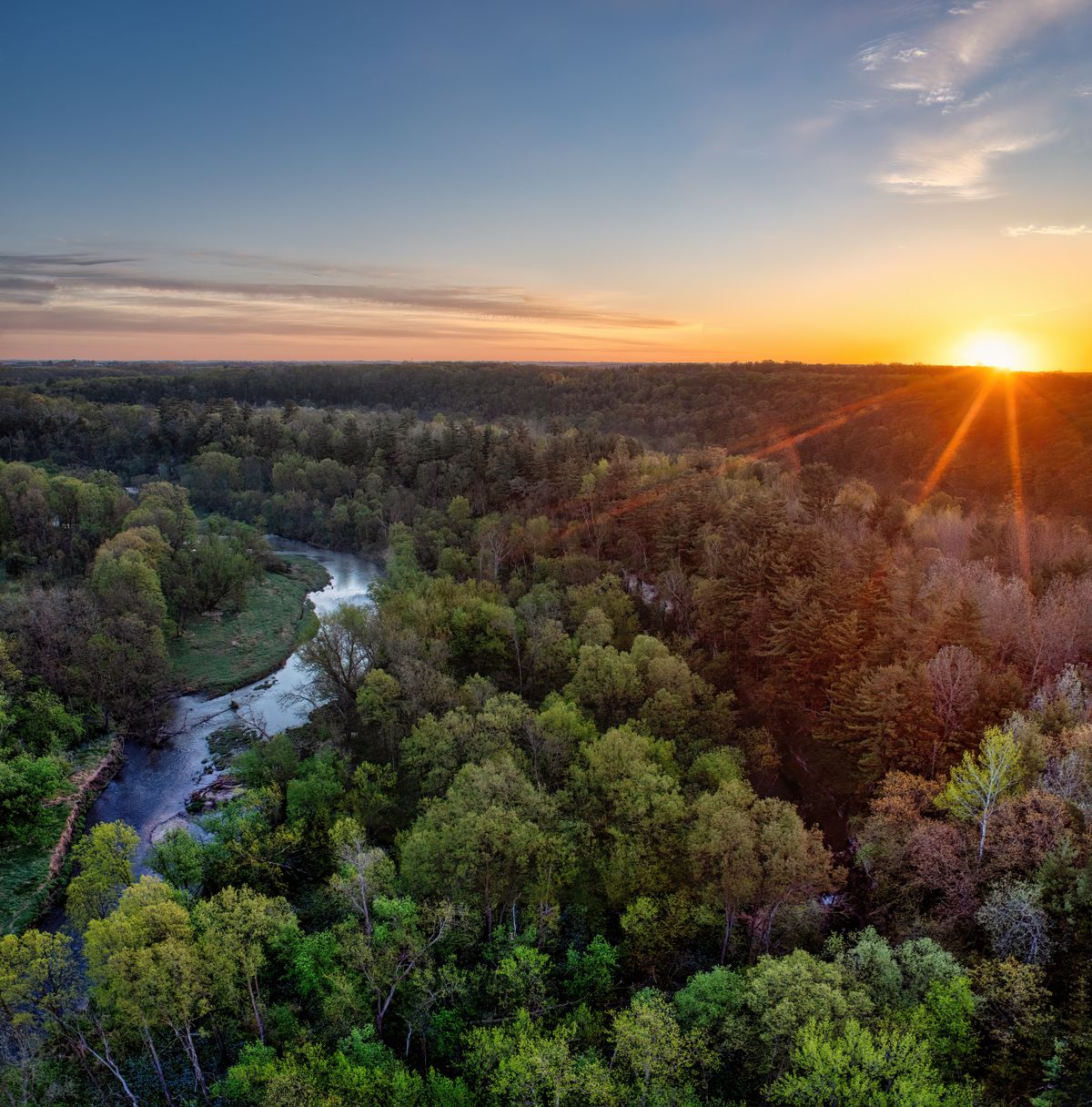

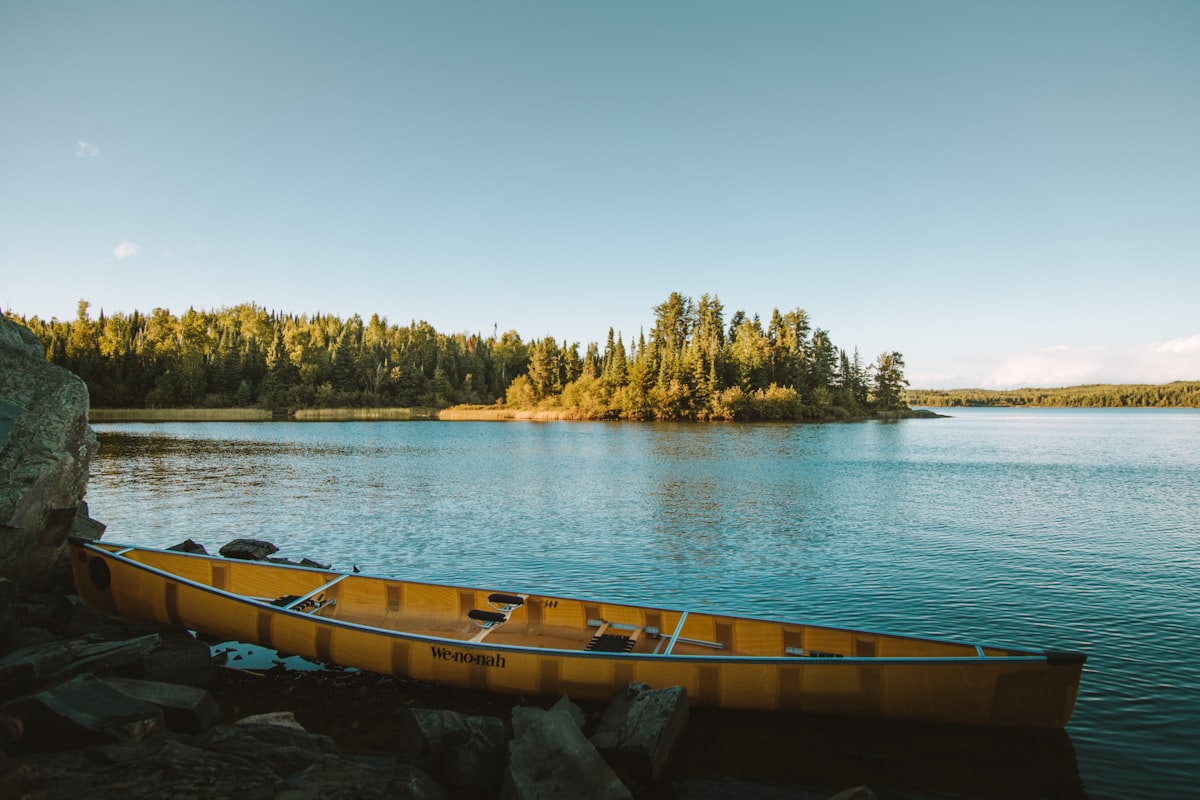
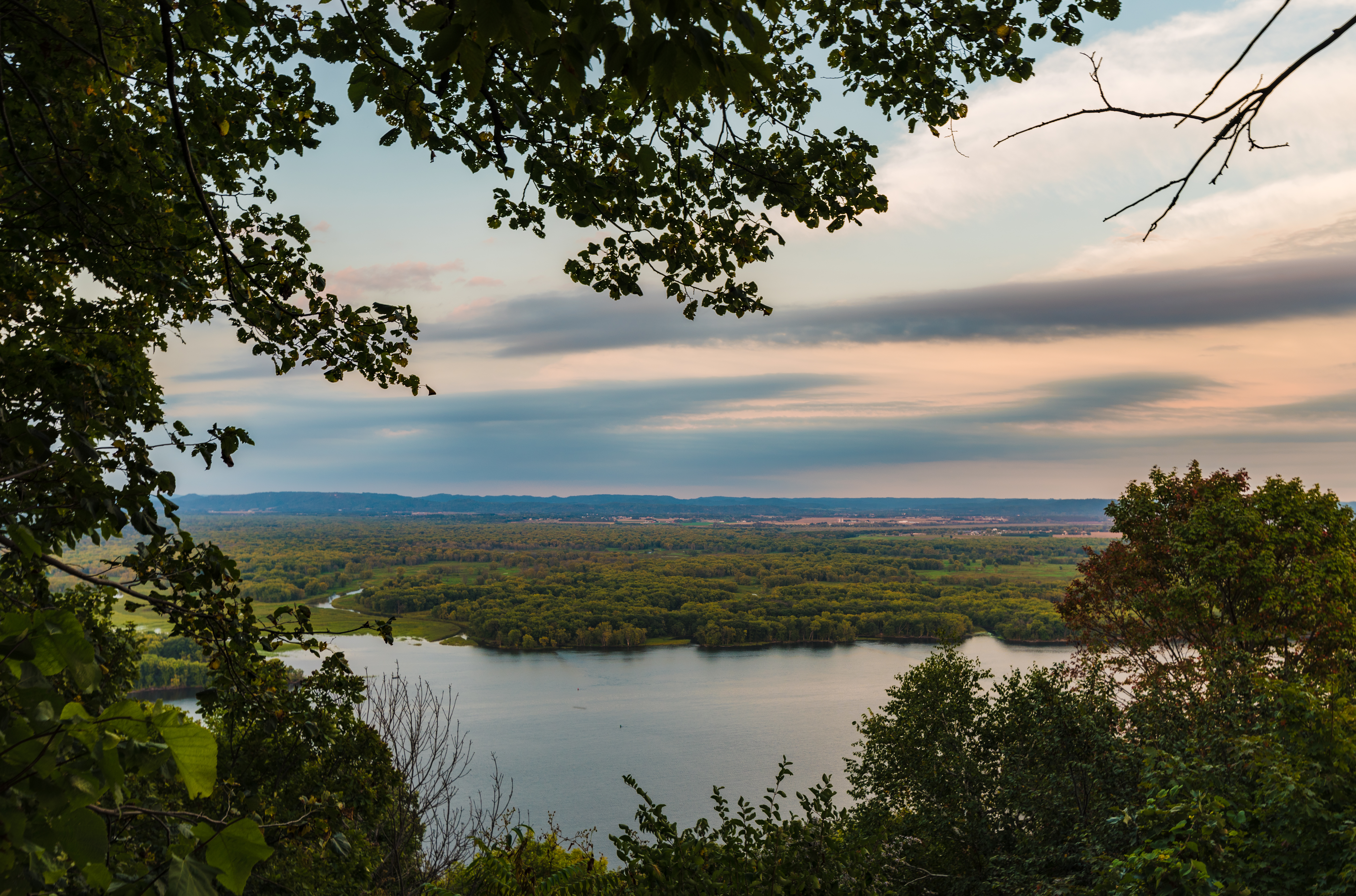
There are no roads into Voyageurs National Park. No parking lots at the trailhead, no pull-offs along a scenic highway, no bridge crossings where you can peer down at rising trout. The park's interior is accessible only by water, by motorboat, by kayak, or by canoe. You launch from one of several entry points along the southern shore, and then you are on the lake, surrounded by boreal forest and Canadian Shield granite and a silence so deep that the call of a common loon three bays over sounds like it's right next to you.
This is not how most national park fly-fishing stories begin. There are no famous rivers here, no legendary hatches, no spring creeks with rod fees and waiting lists. Voyageurs is 218,222 acres of water and forest straddling the Minnesota-Ontario border, and the fishing is lake fishing, the kind you do from a canoe drifting along a rocky shoreline, casting poppers into the shadows of overhanging white pines, waiting for the violent surface explosion that means a smallmouth bass has decided your fly looks enough like a crayfish to murder it.
If that sounds like your kind of fishing, keep reading. If you've spent your fly-fishing career chasing trout in mountain streams and have never pointed a 7-weight at a bronzeback in shield country, you are about to discover what you've been missing.
A Park Made of Water
Voyageurs was established in 1975 as America's 36th national park, and it is unlike any other park in the system. The landscape was carved by glaciers grinding across the Canadian Shield over millions of years, scouring depressions in some of the oldest exposed rock on Earth, 2.7-billion-year-old granite and greenstone that forms the bones of the North American continent. When the glaciers retreated, water filled every depression, creating the interconnected lake system that defines the park today.
Four large lakes dominate the geography: Rainy Lake to the north (the largest, shared with Ontario), Kabetogama Lake to the south, Namakan Lake to the east, and Sand Point Lake connecting Namakan to the Boundary Waters Canoe Area Wilderness. Together they hold more water than some states have in total. Add 26 interior lakes scattered across the Kabetogama Peninsula, the 75,000-acre roadless wilderness that forms the park's core, and you have a water-based landscape that makes Voyageurs feel more like an archipelago than a traditional national park.
The Kabetogama Peninsula is the heart of Voyageurs. No roads cross it. No vehicles enter it. The only way in is by boat to a shoreline trailhead, then by foot (or by portaging a canoe) to the interior lakes. Some of these lakes hold genetically distinct muskellunge populations found nowhere else on Earth. Others hold lake trout in deep, cold water that stays oxygenated year-round. The peninsula is surrounded on all sides by the big lakes, and the whole thing, water, rock, forest, sky, feels like it belongs to a wilder century.
The park sits on the U.S.-Canada border, with Rainy Lake literally split between Minnesota and Ontario. The town of International Falls (yes, the one famous for being the coldest city in the contiguous United States) serves as the western gateway. To the east, Crane Lake provides access to both the park and the adjacent Boundary Waters Canoe Area Wilderness, forming part of the massive 4.3-million-acre Quetico-Superior ecosystem, one of the largest protected wilderness areas in North America.
The Fish, Smallmouth Bass Is the Star
Voyageurs holds 54 fish species across its waters. The big lakes support 36 to 45 species each, while the smaller interior lakes hold anywhere from a handful to 21. The species list reads like a greatest-hits album of northern freshwater fishing: walleye, sauger, northern pike, muskellunge, lake trout, lake sturgeon, black crappie, yellow perch, rock bass, and, the reason you're reading this, smallmouth bass.
Smallmouth Bass
Smallmouth bass are the fly-fishing story at Voyageurs, and if you haven't caught one on a fly rod, you need to understand what you're in for. Smallmouth are pound-for-pound one of the hardest-fighting freshwater fish in North America. They jump. They run. They bulldog deep and shake their heads with a fury that trout simply don't possess. A three-pound smallmouth on a 6-weight rod will make you question every life choice that led you to not doing this sooner.
In the big lakes of Voyageurs, smallmouth inhabit the rocky shorelines, points, and islands that define the Canadian Shield landscape. They're structure fish, they hold near boulders, ledges, gravel bars, and the edges of weed beds where crayfish and minnows concentrate. The granite shelves that drop into deeper water are prime territory, and the park has hundreds of miles of exactly this kind of shoreline.
The fishing is visual and active. You paddle your canoe (or idle your motorboat) along the shoreline, casting toward structure, a submerged boulder, a fallen pine, a rocky point where the current sweeps baitfish past. The take on a topwater fly is the highlight: a smallmouth hitting a popper sounds like someone threw a cinder block into the lake. It's not subtle. It's not delicate. It's addictive.
Smallmouth in Voyageurs average 12 to 16 inches, with 18-inch fish common in the big lakes and legitimate 20-inch trophies taken every season. Rainy Lake in particular is known for producing trophy-class smallmouth, it's been called one of the finest smallmouth fisheries in Minnesota or Ontario by guides who fish it daily.
Seasonal patterns: Smallmouth move shallow in spring as water temperatures climb into the high 50s, heading toward spawning areas on gravel and sand substrates. Post-spawn fish (mid-June through July) become aggressive feeders, and this is when topwater fishing truly ignites. The window from mid-June through early September is prime time, water temperatures in the 60s and 70s push fish into shallow bays where cabbage weed beds and rocky shelves hold crayfish and perch minnows. Fall fishing (September into early October) brings pre-winter feeding aggression before the fish move deep for winter.
The best daily windows are early morning (first light through 9 AM) and late evening (6 PM through dark). But during the peak of summer, when water temps are right, midday topwater action happens, especially on overcast days or along shaded shorelines.
Northern Pike
Northern pike are everywhere in Voyageurs, and they are absolute savages on the fly rod. Pike in the big lakes patrol the shallow bays and weed edges, ambush-feeding on whatever swims past. They're not selective. They're not cautious. A 30-inch pike will eat a fly that's a third of its own body length without hesitation.
For fly anglers, pike are the bonus fish, you'll run into them while targeting smallmouth, and when a pike eats your smallmouth popper, the fight is different: long, powerful runs instead of acrobatic jumps. Pike in Voyageurs range from 20-inch hammer handles to genuine 40-inch class fish, and the shallow bays of Kabetogama and Namakan hold excellent populations.
Walleye and Sauger
Walleye are the most popular game fish in the park for conventional anglers, but they're less of a fly-rod target. They feed deep, they prefer low light, and they don't respond to topwater flies. That said, walleye in the 16- to 22-inch range can be caught on Clouser Minnows and Woolly Buggers fished on sinking lines along rocky reefs at dawn and dusk. Sauger (walleye's smaller cousin) occupy similar habitat and hit the same patterns.
The regulations on walleye are specific and important: the limit is six walleye and sauger combined (no more than four walleye), walleye between 18 and 26 inches must be immediately released, and only one walleye over 26 inches is allowed in your possession limit. These slot regulations protect the breeding-age fish and have helped maintain the fishery's quality.
The Interior Lake Species
The 26 interior lakes on the Kabetogama Peninsula hold their own treasures. Lake trout inhabit five of the deepest interior lakes, cold, well-oxygenated water that stays viable year-round. They're not common fly-rod targets, but a sinking line and a big streamer worked deep can connect you with a laker.
Muskellunge in Shoepack Lake are genetically distinct, a unique population found nowhere else. The park's musky fishing is catch-and-release and deeply specialized, but the fact that this population exists at all speaks to the wildness of these waters.
Lake sturgeon, the park's most prehistoric resident, swim in the big lakes. You're not going to catch one on a fly rod, but knowing they're down there, living fossils in billion-year-old granite basins, adds something to the experience.
The Fly Box for Voyageurs
This is not a trout fly box. Leave the size 22 midges and the 7X tippet at home. Voyageurs fishing demands bigger flies, heavier tippet, and a willingness to throw patterns that look like they belong in saltwater.
Topwater, The Main Event
Topwater fishing for smallmouth bass is the signature experience at Voyageurs. When it's working, warm water, low light, fish shallow, nothing in freshwater fly fishing matches it.
Poppers (sizes 4-8): Hard-bodied foam or cork poppers in chartreuse, black, and yellow are the standard. A size 6 popper in black with rubber legs is the all-around choice. The foam bass popper pattern translates well to bass, the popping action and profile trigger the same predatory response. Cast tight to structure, let the rings settle, give it a sharp strip-pause, strip-pause. The take usually comes on the pause.
Gurglers and sliders (sizes 4-6): The Sound Searcher Gurgler is deadly for Voyageurs smallmouth. Gurglers push water and create a wake on the retrieve that drives bass crazy. They're especially effective in calmer water, back bays, lee shores, the glassy surface of an interior lake at dusk. Sliders (like the Sneaky Pete) offer a subtler surface presentation for pressured fish.
Deer hair bugs (sizes 2-6): Spun deer hair bass bugs are the traditional topwater choice, and they still work beautifully. Dahlberg Divers, half popper, half streamer, can be fished on the surface or stripped under to imitate a wounded baitfish diving for cover. The Stimulator and Chubby Chernobyl aren't traditional bass flies, but large versions (#4-6) work as surface attractors when terrestrial insects (grasshoppers, beetles) are hitting the water in late summer.
Subsurface, The Workhorses
Clouser Minnow (sizes 2-6): The most important subsurface fly for Voyageurs, period. Bob Clouser designed this fly for Susquehanna River smallmouth, and it works everywhere smallmouth swim. Chartreuse-over-white is the classic, but olive-over-white and all-black versions cover different conditions. The Clouser's weighted eyes give it a jigging action on the retrieve that imitates a wounded minnow, irresistible to smallmouth. This is the fly you tie on when topwater isn't working, when the wind picks up, when the fish are holding deeper along rocky drops. If you bring one subsurface pattern, make it the Clouser. For a complete tying guide, see our Clouser Minnow tutorial.
Woolly Bugger (sizes 4-8): Olive and black, weighted or unweighted. The Woolly Bugger imitates everything, leeches, minnows, crayfish, nothing in particular, and smallmouth eat all of those things. Strip it, dead-drift it, swing it on a tight line along a rocky shelf. It works.
Crayfish patterns (sizes 4-6): Crayfish make up a huge portion of the smallmouth diet in shield-country lakes. The Near Nuff Crayfish, Clouser Crayfish, and various claw-forward patterns in olive, brown, and rust are essential. Fish them on the bottom, hopping them along rocky substrates the way a real crayfish moves.
Muddler Minnow (sizes 2-6): Don Gapen created the original Muddler Minnow on the Nipigon River in Ontario, not far from Voyageurs, to imitate sculpins. The spun deer-hair head pushes water and creates a profile that reads as "big meal" to smallmouth and pike alike. Fish it on a sink-tip line along rocky structure.
Leech patterns (sizes 4-8): Leeches are abundant in northern Minnesota lakes, and smallmouth eat them eagerly. A black or burgundy Bunny Leech, just a rabbit-strip tail and body on a streamer hook, undulates through the water in a way that triggers strikes from fish that won't look at a minnow pattern. The Hare's Ear Nymph in larger sizes (#8-10) also serves as a passable leech/general-attractor pattern.
Pike Flies, Go Big
If you're targeting pike specifically, scale up dramatically:
Lefty's Deceiver (sizes 1/0-2/0): The classic baitfish streamer, tied 6 to 8 inches long in white, chartreuse, or red-and-white. Pike key on the profile and movement, and a big Deceiver stripped through a weed-edge bay will draw strikes from pike that you'll feel in your shoulder.
Bunny leeches and pike streamers (sizes 2/0-4/0): Big rabbit-strip flies in red-and-white, black, or chartreuse. These are the pike-specific patterns that dedicated pike-on-the-fly anglers throw. Articulated versions with two hooks give you a better hookup ratio on pike, whose bony mouths reject a lot of strikes.
Muddler Minnow (sizes 1/0-2): Oversized Muddlers work for both pike and big smallmouth. The deer-hair head creates a wake on the surface when stripped fast, or dives and wobbles on a sinking line.
Wire tippet or heavy fluorocarbon: Pike have teeth. Period. Use a 6- to 8-inch wire bite tippet (20-30 lb), or heavy fluorocarbon (40-60 lb) as a shock section. You will lose flies to pike teeth if you don't. This isn't optional.
The Gear
Rods
Primary smallmouth rod: 9-foot 6-weight. This handles poppers, Clousers, Woolly Buggers, and crayfish patterns with authority while still being light enough to cast all day from a canoe. A 7-weight is fine if you want more power for wind or bigger flies.
Pike rod: 9-foot 8-weight. You need the backbone to throw 6-inch streamers and fight fish that can hit 40 inches. An 8-weight also handles the wind that comes with fishing big, open lakes.
Interior lake rod: A 5-weight is plenty for the smaller interior lakes, where the fish are smaller and the casting distances are shorter. This doubles as a panfish/crappie rod for evening fishing.
Lines
Floating line: Your primary line for 90% of Voyageurs fishing. Topwater flies, Clousers in shallow water, and anything fished within the top three feet of the water column.
Sink-tip line (150-200 grain): For working Clousers and crayfish patterns along deeper rock ledges and drop-offs. Essential when fish move deeper in midday heat or during cold-front conditions.
Leaders and Tippet
Smallmouth: 7.5-foot leaders tapered to 1X or 2X (8-10 lb). Smallmouth are not leader-shy. Use fluorocarbon tippet if the water is very clear, but mono works fine most of the time. Don't go lighter than 2X, you'll lose fish in the rocks.
Pike: Same leader with a wire or heavy fluoro bite tippet added. Non-negotiable.
The Canoe Setup
Fishing from a canoe is the quintessential Voyageurs experience, but it requires some thought:
Stability matters. A wider, flatter-bottomed canoe (like a 17-foot Grumman or similar) is more stable for casting than a narrow, fast touring canoe. If you're renting, ask for the widest hull available.
Anchor or drift? A small mushroom anchor (5-8 lbs) lets you hold position on a productive shoreline. Without one, wind will push you off the fish constantly. Alternatively, your paddling partner can hold position while you cast.
Rod holders and stripping baskets. A fly line loose in the bottom of a canoe tangles on everything, packs, seat frames, your partner's feet. A simple stripping basket or even a plastic bin keeps your line organized between casts.
The interior lakes are paddle-only. No privately owned motorized watercraft are allowed on interior lakes. The park provides canoes and rowboats for rent at some interior lakes. This means lighter gear, shorter portages, and a slower pace.
The Four Big Lakes, Where to Fish
Rainy Lake
The largest and most diverse lake in the park, Rainy Lake stretches across the Canadian border with over 2,000 miles of shoreline. The Minnesota side alone offers hundreds of islands, rock points, and sheltered bays that hold smallmouth and pike.
Smallmouth hotspots: The rocky islands and points along the south shore of Rainy Lake are prime smallmouth territory. Look for areas where granite ledges drop into 6-10 feet of water, smallmouth stack up along these transitions. The cabbage weed beds in shallow bays (especially Black Bay and the Rat Root River area) hold both smallmouth and pike in summer.
Access: Launch from the Rainy Lake Visitor Center area near International Falls, or from resorts and public launches along the south shore. Guided houseboat trips are a popular way to fish Rainy Lake, you live on the water for days, anchoring in different bays each night.
Kabetogama Lake
Kabetogama ("Kab" to locals) is the most accessible lake for visiting anglers, with multiple resorts, launches, and guide services along its southern shore. The lake is 15 miles long and 3 miles wide, with a maximum depth of about 80 feet and extensive shallow bays and islands.
Smallmouth hotspots: The islands along the northern shore of Kab, near the Kabetogama Peninsula, offer excellent rocky structure for smallmouth. The Sugarbush Island area and the points extending from the peninsula are reliable producers.
Pike territory: The shallow, weedy bays on Kab's south end hold excellent pike populations. These bays warm up fastest in spring and hold fish through summer.
Namakan Lake
Namakan is the most remote of the easily accessed big lakes, extending eastward from Kabetogama toward the Boundary Waters. The lake has a more complex shoreline than Kab, with deeper bays, more islands, and a wilder feel.
Smallmouth and pike: Namakan's rocky structure rivals Rainy Lake's, and the fishing pressure is lighter. The narrows and channels between islands concentrate fish, and the transition zones between rocky and weedy habitat hold both smallmouth and pike.
Sand Point Lake
Sand Point connects Namakan to the west end of the Boundary Waters, and it's the least visited of the four big lakes. The fishing is excellent precisely because of the lower pressure. Sand Point has strong smallmouth populations along its granite shorelines and pike in its weedy bays.
The Interior Lakes, A Different World
Portaging a canoe into one of the 26 interior lakes on the Kabetogama Peninsula is a fundamentally different experience from fishing the big lakes. The interior lakes are smaller, quieter, and wild in a way that even the big lakes can't match. Some are connected by maintained portage trails; others require bushwhacking through boreal forest with your canoe on your shoulders.
The fishing rules change on interior lakes: artificial lures and flies only, no live bait. This is a fly angler's paradise by regulation. The fish in these lakes see fewer anglers, and the lack of boat traffic means the surface is often glassy calm, perfect conditions for topwater fishing.
Some interior lakes hold smallmouth and pike. A few hold lake trout in their deepest, coldest water. Shoepack Lake holds its genetically unique muskellunge. The Pheasant Tail Nymph, Prince Nymph, and Copper John, usually trout flies, actually work on panfish and crappie in the interior lakes, fished slowly under a small indicator. The Elk Hair Caddis and Parachute Adams will catch whatever is rising on the interior lakes during summer evenings, and something is always rising.
Before moving between water bodies, be aware of the invasive species protocol: gear must be dried for five days or washed in water at least 140 degrees Fahrenheit for one minute. This is a legal requirement, not a suggestion. Voyageurs and the adjacent Boundary Waters are among the most ecologically pristine freshwater systems remaining in the lower 48, and the park takes aquatic invasive species prevention seriously.
The Seasonal Calendar
Ice-Out to Opener (late April - mid-May)
The lakes typically lose their ice in late April or early May, and the Minnesota fishing opener falls on the second Saturday in May. Walleye opener is the biggest event, anglers from across the Midwest descend on Voyageurs for opening weekend. For fly anglers, the cold water (40s-50s) means subsurface fishing: Clousers and Woolly Buggers fished slow and deep along rocky shorelines. Smallmouth are sluggish but present, staging near spawning areas.
Early Summer (mid-May - mid-June)
As water temperatures climb through the 50s and into the low 60s, smallmouth move to spawning beds on gravel and sand substrates. Do not target spawning fish. Sight-fishing to bedding smallmouth and pulling them off their nests is legal in Minnesota but ethically questionable, those fish are protecting eggs, and every fish you pull off a bed is a nest that gets raided by crayfish and panfish. Wait two weeks and catch them post-spawn when they're actually feeding.
By early June, water temperatures hit the high 50s and the topwater switch flips. When a guide on Rainy Lake says "once the water temperature hits the high 50s, we'll go to topwater in the afternoon," believe them. This is when the season truly begins for the fly rod.
Peak Season (mid-June - August)
This is it. The water is warm (60s-70s), the fish are shallow and feeding, and the topwater fishing is as good as anywhere in North America. Smallmouth crush poppers and gurglers along every rocky shoreline. Pike ambush streamers in the weed beds. The days are impossibly long, this far north, you get usable fishing light from 5 AM to 10 PM in late June.
The evening bite is the peak experience. Paddle to a rocky point as the sun drops behind the pines, tie on a black popper, and start working the shoreline. Loons are calling across the bay. The water is glass. A smallmouth blows up your fly in the fading light, and for a few seconds the silence is broken by the most satisfying sound in fly fishing.
This is also the season for camping. All 200+ campsites in the park are water-access only, and combining a multi-day canoe camping trip with fishing is the definitive Voyageurs experience. The northern lights are visible on clear nights. The Milky Way is visible every night. You eat walleye shore lunch on a granite ledge and fall asleep to loons.
Fall (September - October)
The bite doesn't stop, it changes. Smallmouth feed aggressively before winter, hammering Clouser Minnows and crayfish patterns along deeper structure as they transition from summer shallows to winter depths. The topwater window narrows but doesn't close entirely, overcast days in September still produce surface strikes. Pike are at their most aggressive in fall, chasing big streamers with a recklessness that borders on comedy.
The fall colors in the boreal forest are stunning, birch and aspen go gold against the dark green of spruce and pine, and the reflection off the lakes doubles the effect. September is arguably the best month to visit for the combination of fishing quality, lighter crowds, and natural beauty.
Regulations and Logistics
Licenses
You need a Minnesota fishing license to fish anywhere in the park. If you cross into Canadian waters on Rainy Lake (easy to do accidentally, the border runs through the middle of the lake), you also need an Ontario fishing license. The boundary is not marked on the water. Carry both licenses if you're fishing Rainy Lake.
Gear Restrictions
Interior lakes: artificial lures and flies only. No live bait. No privately owned motorized watercraft.
Big lakes: Live bait is permitted. Motorized watercraft are allowed.
Campsite Rules
Fishing is prohibited within 200 yards of an occupied reserved campsite. Know where the campsites are and respect the buffer.
Getting There
International Falls, Minnesota is the primary gateway. It's a 5-hour drive from Minneapolis/St. Paul, or a short flight to Falls International Airport (INL). From International Falls, the Rainy Lake Visitor Center is 15 minutes east.
Kabetogama is accessed from the south side via Highway 53 and County Road 122. Multiple resorts, launches, and outfitters line the Kabetogama lakeshore.
Crane Lake provides access to both the eastern end of the park and the western entrance to the Boundary Waters Canoe Area Wilderness. This is the gateway for multi-day canoe trips that connect both wilderness areas.
Guides and Outfitters
Rainy Lake and Kabetogama both have established guide services that specialize in fishing the park. While most guides focus on walleye (that's what the majority of clients want), several will tailor trips for fly anglers targeting smallmouth and pike. Guide operations out of International Falls and the lakeside lodges are well-regarded. On Kabetogama, the resorts along the south shore connect visitors with experienced guides.
The Connection to the Boundary Waters
Voyageurs and the Boundary Waters Canoe Area Wilderness are adjacent, they share the Crane Lake entry point and together form part of the 4.3-million-acre Quetico-Superior ecosystem. But they're managed differently and offer different experiences.
The BWCA is predominantly paddle-only (with limited motorized exceptions) and requires entry permits with daily quotas. Voyageurs allows motorized boats on the big lakes and doesn't require backcountry permits for day use. The BWCA is managed by the U.S. Forest Service; Voyageurs by the National Park Service.
For fly anglers, the practical difference is this: Voyageurs is more accessible (you can fish the big lakes from a motorboat), while the BWCA offers deeper solitude (every campsite requires paddling to reach). A trip that combines both, fishing the big lakes of Voyageurs by motorboat and then portaging into the interior or BWCA by canoe, gives you the full spectrum of northern Minnesota fly fishing.
If you've fished smallmouth bass at New River Gorge, Voyageurs is the northern counterpart, same species, completely different setting. New River Gorge is a river fishery with whitewater and gorge walls. Voyageurs is a lake fishery with islands and boreal forest. The smallmouth fight the same. The flies work the same. The experience is a different planet.
Why Voyageurs Belongs on Your List
Most fly anglers have a mental map of destinations, Yellowstone for cutthroat, Glacier for alpine lakes, the Florida Keys for permit and tarpon. Voyageurs rarely appears on that map, and that's a mistake.
The smallmouth bass fishing in Voyageurs is legitimately world-class. The topwater action during peak season rivals anything in the Ozarks, the Susquehanna, or the St. Lawrence. But what sets Voyageurs apart isn't just the fishing, it's the setting. You are fishing in a place where the nearest road might be 10 miles away across open water. Where the only sounds are your paddle, the wind in the pines, and the occasional slap of a beaver tail. Where the water is clean enough to drink (with treatment) and the night sky is dark enough to see the northern lights.
The canoe-camping-fishing trifecta is the thing. You paddle to a granite campsite on an island, set up your tent on a rock shelf overlooking the lake, cook dinner on a camp stove while watching the sun set behind a thousand acres of unbroken forest, and then walk down to the water's edge and catch smallmouth on poppers until it's too dark to see your fly. Then you do it again the next day, on a different island, in a different bay, with different fish.
That's Voyageurs. No roads. No crowds. No cell signal. Just water, rock, forest, fish, and the kind of quiet that most of America forgot existed.