Fish
Fish Fire
Fire Hike
Hike Bird
Bird

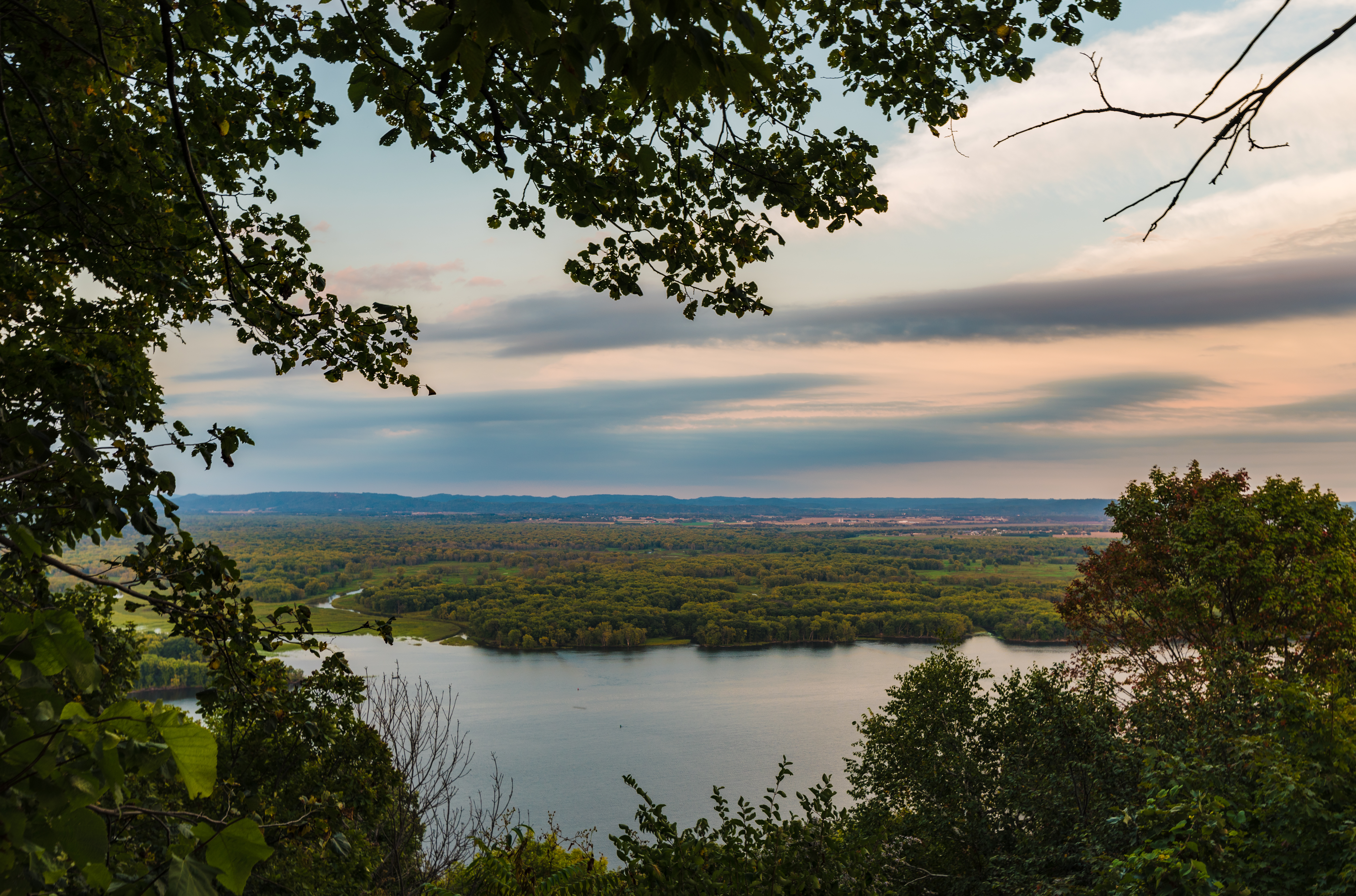

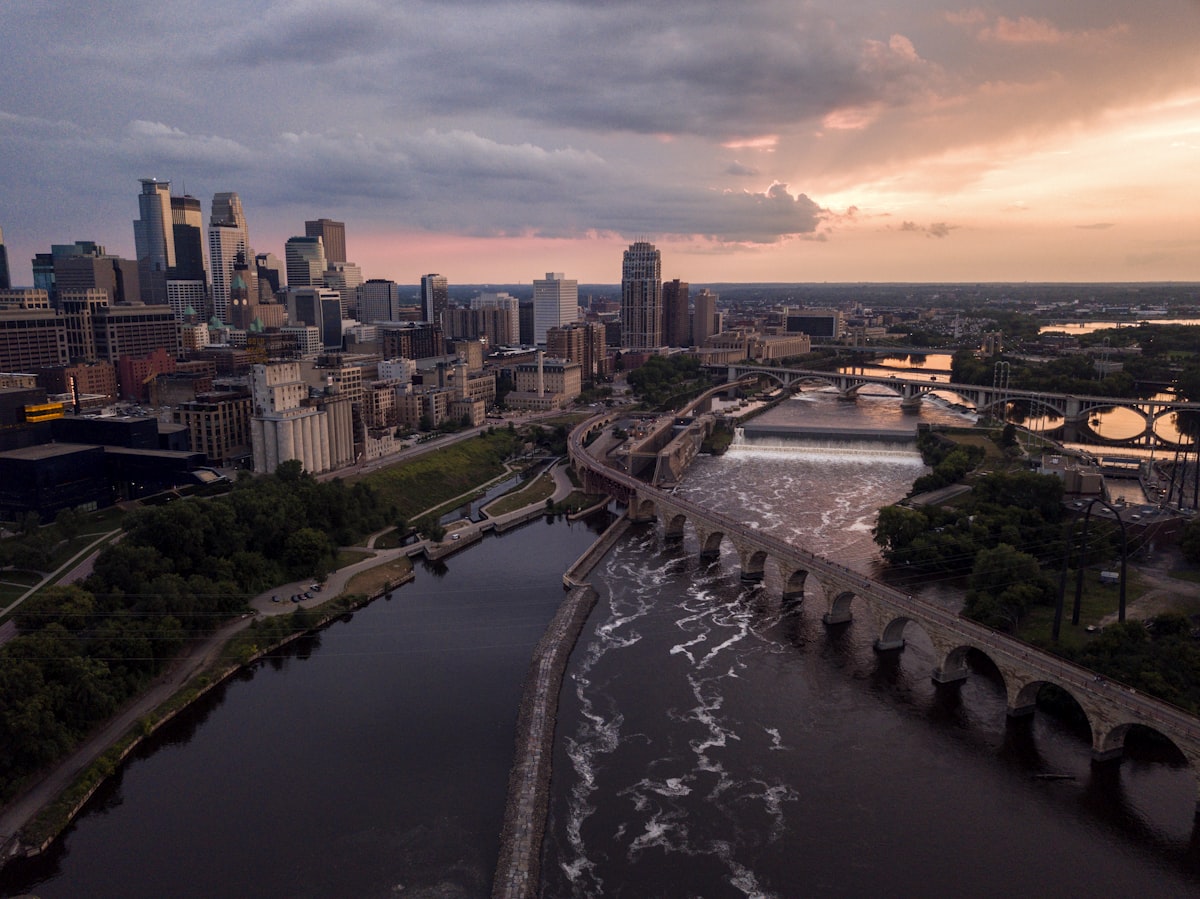
The Mississippi River is the great river of America, more than 2,300 miles from a small lake in northern Minnesota to the Gulf of Mexico, draining a third of the continent along the way. It holds an astonishing variety of fish (over 119 species in the upper river alone) and offers some of the most varied fishing in the country: cool-water smallmouth, walleye, and northern pike in the north, world-class trophy catfish in the south, and everything in between. For an angler the key is that it's really two very different rivers. The Upper Mississippi is a chain of pools behind locks and dams, a cool, clear, multi-species playground; the Lower Mississippi, below the last dam, runs free, huge, and warm, and it's the domain of giant catfish. This whole-river guide walks the Mississippi from headwaters to delta.
The Upper River: Pools, Backwaters, and a Multi-Species Bonanza
From Minnesota down through Wisconsin, Iowa, and Illinois, the Mississippi is managed as a staircase of pools, long reservoirs created by a series of locks and dams that hold the water back for navigation. This pooled river is a mosaic of habitats, and that variety is why it grows so many species: the deep main channel, the rocky wing dams that jut into it, the slack backwater lakes and sloughs off to the side, and the churning tailwaters just below each dam. A single pool can give up walleye, sauger, smallmouth and largemouth bass, northern pike, channel catfish, and slab crappies and bluegills, sometimes in the same day. It's one of the great multi-species fisheries in North America, and each numbered pool has its own character and its own fans.
Walleye and Sauger: The Tailwater Kings
The upper river's signature gamefish are walleye and their smaller cousin the sauger, and the place to find them is the tailwater, the fast, oxygen-rich water directly below each lock and dam. Fish stack in these tailraces to feed on baitfish tumbling through, especially during the spring spawning run and again through the winter. Anglers vertical-jig or work three-way rigs and blade baits in the current seams and eddies below the dams, and dawn, dusk, and cloudy days are prime because these low-light predators feed hardest then. The winter walleye and sauger bite below the dams, and the ice fishing in the backwaters, is a genuine Upper Mississippi institution.
Walleye and Sauger Fishing Below the DamsSmallmouth Bass on the Upper River
The rocky upper river is quietly some of the best smallmouth bass water in the Midwest. Smallmouth love the current and the rock, so they stack on the wing dams, riprap banks, rocky points, and current seams, ambushing baitfish and crayfish swept past them. The Minnesota reaches around the Twin Cities, including famous water below Coon Rapids Dam, produce first-class smallmouth, and the fishing often peaks in the summer heat, exactly when lake fishing slows down. Work a tube, a jig, a jerkbait, or a topwater over the rock, and hold on: river smallmouth pull twice as hard as their still-water cousins.
Backwater Bass and Panfish
Off the main channel lie the Mississippi's backwaters, a maze of slack-water lakes, sloughs, and flooded timber that fish completely differently from the current. This is where largemouth bass prowl the lily pads, laydowns, and weed edges, and where huge schools of black crappie and bluegill hang around brush and cover. Backwater fishing is calm, protected, and family-friendly, a world away from the big river a few hundred yards over, and it's how many river anglers fill a cooler with panfish or chase largemouth on a bass rig. In winter, these same backwaters become prime ice-fishing water for crappie, bluegill, and perch.
Northern Pike and the Wider Cast
The upper river's backwaters and weedy bays hold plenty more than bass and panfish. Northern pike, toothy, aggressive, and quick to hit a spoon, spinnerbait, or big soft plastic, patrol the weed edges and backwater openings, and they're a favorite target both in open water and through the ice. White bass run the current in big schools and blitz baitfish in spring and summer, giving fast, easy action on small jigs and spoons. Freshwater drum, or sheepshead, pull hard on bottom rigs meant for catfish or walleye. Bowfin, gar, and buffalo round out the river's oddball cast, and the whole system is so rich in forage that you rarely go long without a bite from something. That diversity is a big part of the Mississippi's appeal, you never quite know what will grab your line, and a slow day for one species is often a fast day for another.
From Headwaters to Delta: One River, Many Rivers
Part of the romance of the Mississippi is how completely it changes over its length. It begins as a stream you can wade across at Lake Itasca in northern Minnesota, gathers itself through the Twin Cities, and by the time it reaches the bluff country of the Driftless region it's a broad, island-braided river of backwaters and wing dams. Below St. Louis it swells with the Missouri and the Ohio into the continent's mightiest river, a muddy, powerful highway a mile wide in places. Finally it fans out into the vast marshes of the Louisiana delta before losing itself in the Gulf. No single trip can take it all in, and the fish change with the character of the water, cold-water species up north giving way to warm-water giants down south. Understanding roughly where you are on that long journey tells you most of what you need to know about what you'll catch.
The Lower River: Catfish Country
South of the last lock and dam near St. Louis, the Mississippi changes completely. Freed of the dams, it becomes an enormous, powerful, warm-water river rolling down through Missouri, Kentucky, Tennessee, Arkansas, Mississippi, and Louisiana, and it is quite simply one of the best trophy catfish fisheries on Earth. Giant blue catfish here top 100 pounds, monster flathead catfish ambush live bait in the woody cover, and channel catfish fill in the numbers. Anglers anchor and fish heavy rods with cut shad and skipjack or live bait in the deep holes, wing-dam scour holes, and river bends where the big cats hold. There's largemouth and white bass in the backwaters and oxbows too, but on the lower river, catfish are king, and a night on anchor waiting for a rod to slam over is a rite of passage.
Wing Dams, Tailwaters, and Backwaters: Reading the Structure
Fish the Mississippi and you'll hear three words constantly. Wing dams are the rock jetties built out into the channel to steer the current; they scour deep holes, break the flow, and hold walleye, sauger, smallmouth, and catfish on their edges and downstream faces, learn to find and fish them and you've unlocked the river. Tailwaters are the turbulent zones just below each dam, where fish concentrate to feed. Backwaters are the slack sloughs and lakes off the channel, home to bass and panfish. Almost every fish in the river relates to one of these three, so figuring out which one holds your target in the season you're fishing is the whole game.
Reading the Big River and Staying Safe
The Mississippi is a working river, and that demands respect. It carries commercial barge traffic, long, heavy tows that cannot stop or turn quickly and throw a powerful wake, so stay well clear of the shipping channel, know the buoys, and never anchor in the barge lanes. The current is strong and the water often murky, with unseen wing dams, snags, and shifting sandbars that catch careless boaters. River levels rise and fall with rain far upstream, changing the fishing and the hazards overnight. Check the river stage before you go, carry the right safety gear, wear your life jacket, and give the barges a wide berth. Fished with awareness, the big river is welcoming; taken for granted, it's unforgiving.
Getting on the Water: Ramps and Access
Access to the Mississippi is excellent almost everywhere. Every pool on the upper river has numerous public boat ramps run by the states, the Army Corps of Engineers, and the towns along the banks, and the lock-and-dam recreation areas below each dam offer both boat and shore access to the productive tailwaters. Shore anglers do well from the tailwater walls, the wing dams reachable on foot, the riprap banks, and the countless public parks and landings that line the river through its towns. On the lower river, ramps are spaced farther apart but still plentiful, and many catfish anglers launch small jon boats to reach the deep holes and bends. Because the river is a working navigation channel, you'll often share ramps with barge-service and recreational traffic, so be efficient and courteous at busy landings, and always check that your ramp isn't affected by high or low water before you tow the boat down. Wherever you are on the Mississippi, a public way onto the water is rarely far, one more reason this is truly the people's river.
When to Go
- Spring: The walleye and sauger run stacks fish in the upper-river tailwaters; catfish feed up before the spawn on the lower river; white bass run.
- Summer: Prime river smallmouth on the wing dams; peak flathead catfish on the lower river; backwater largemouth and panfish.
- Fall: Excellent walleye and big blue catfish as the water cools; a strong all-around season.
- Winter: Tailwater sauger and walleye for the hardy up north, and ice fishing the backwaters for crappie, bluegill, and perch when it's safely locked up.
The Louisiana Delta
At its southern end, below New Orleans, the Mississippi splinters into the passes and marshes of its delta, one of the most productive fisheries on the continent, though it fishes more like coastal Louisiana than a river. The nutrient-rich outflow feeds a legendary redfish and speckled-trout fishery in the surrounding marsh, while the deep passes and the nearby Gulf oil rigs draw everything from bull redfish to tuna. The main channel itself still holds catfish and the occasional oddity, but here the great river has become salt marsh and open Gulf. For most anglers, the Mississippi delta is really the gateway to Louisiana's world-class inshore and offshore fishing, see our how to fish New Orleans guide for the marsh, a fitting, spectacular end to the continent's greatest river.
Licenses: A River of Many States
The Mississippi borders or crosses about ten states from Minnesota to Louisiana, and you must be licensed for the state whose water you're fishing. On many border stretches, where the river divides two states, the two states have reciprocal agreements that let a license from either fish the shared main channel, but the rules, seasons, and limits still vary and the reciprocity isn't universal, so always confirm with both states' natural-resources agencies before you fish a boundary reach. Bank anglers generally need a license for the state they're standing in. When in doubt, check the current regulations for your exact stretch of river.
A Beginner's First Trip
The Mississippi offers easy on-ramps at both ends. Up north, take the family to a quiet backwater and catch a bucket of crappies and bluegills around the brush, calm water, steady action, and great eating. If you'd rather chase a giant, book a lower-river catfish guide: they supply the heavy gear and the bait and put you on anchor over a deep hole where a fifty- or hundred-pound blue cat might slam the rod at any moment. Up-north anglers can also hit a tailwater below a dam in spring for fast walleye and sauger jigging. Any of the three gets you into fish and shows you a piece of America's greatest river.
Guides and Gear
A guide is the smart way to learn water this big, a lower-river catfish specialist or an upper-river walleye guide shortcuts years of learning. For gear up north, a 6-1/2- to 7-foot spinning rod with jigs, blade baits, and three-way rigs covers walleye and sauger; a medium-heavy bass rod handles wing-dam smallmouth and backwater largemouth; and light rods with small jigs and bobbers load up on crappie and bluegill. For lower-river catfish, you want heavy 7-1/2- to 8-foot catfish rods, big baitcasting reels with strong line, circle hooks, and a supply of cut shad or live bait, plus a solid anchor system for holding in current. A good river map or chartplotter that shows the wing dams and channel is worth its weight anywhere on the Mississippi.
How to Tie the Palomar KnotThe Mississippi River rewards anglers who understand its two halves and its three key structures. Jig a tailwater walleye in Minnesota, work a wing dam for river smallmouth, drift a backwater for slab crappies, or wait out a hundred-pound blue cat on the lower river, check the rules for your state, respect the working river, and fish the mightiest water on the continent.