Fish
Fish Fire
Fire Hike
Hike Bird
Bird

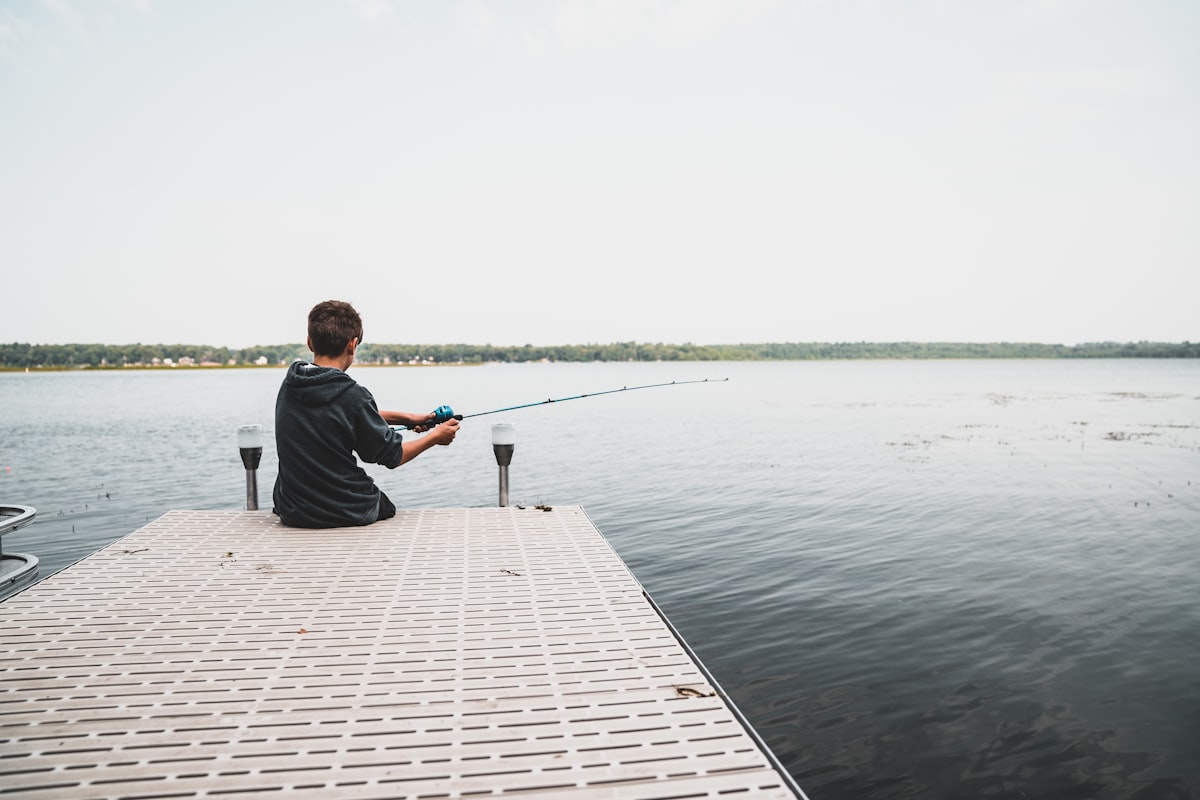

The Brainerd Lakes Area is the heart of Minnesota's lake country, more than 400 lakes within a short drive of town, from tiny secluded ponds to big multi-species reservoirs like Gull Lake and the Whitefish Chain. It's classic Up North fishing: walleye for the table, big northern pike and muskie for the thrill, largemouth and smallmouth bass, and a constant supply of crappie, bluegill, and perch that make it one of the best family fishing destinations in the country. And when the lakes freeze, the fishing doesn't stop, it just moves out onto the ice. For a first-timer, the abundance is the beautiful problem. This guide breaks it down.
For the bigger picture, the lakes, the resorts, and the guide scene, read our complete Brainerd fishing guide.
First: License and the Openers
Anyone 16 or older needs a Minnesota fishing license, available online from the Minnesota DNR (short-term options exist for visitors; a guide or resort does not cover it). The one Minnesota quirk to know is that the marquee species open on set dates each year, not year-round: the walleye and northern pike opener is the Saturday nearest mid-May (a genuine state holiday up here), bass opens later in spring, and muskie opens in early June. Panfish are open year-round. Bag and size limits matter, walleye is generally six per day on most Brainerd lakes, pike has a protected slot in the North-Central zone, and muskie carries a 48-to-54-inch minimum on most area lakes, so check the current MN DNR regulations for the specific lake before you keep fish. Many lakes also have special, lake-specific walleye regulations, so it pays to look up your lake.
Walleye: Minnesota's Favorite Fish
Walleye are the reason most people come to Brainerd. They're a low-light, structure-oriented fish that relate to breaklines, points, weed edges, rock humps, and the bottom transitions between sand, gravel, and mud. There are three beginner-friendly ways to catch them.
Jig and minnow is the classic spring and fall method: a 1/8- to 1/4-ounce jig (a Northland Fire-Ball) tipped with a fathead minnow or a Berkley Gulp Minnow, dragged and hopped slowly along the bottom on a breakline. Use just enough weight to keep contact with the bottom, and set the hook on the subtle "tick" of a walleye picking it up. Live-bait rigging (a Lindy Rig, a sliding sinker, a long leader, and a hook with a leech, nightcrawler, or minnow) is deadly in summer; you drag it slowly along structure and feed line to a biting fish before setting. And the slip bobber is the easiest of all for a beginner: suspend a leech or minnow at the exact depth fish are holding over a rock pile or weed edge, and watch the float go down.
In summer, trolling crankbaits (a Salmo Hornet or Rapala Shad Rap) or spinner rigs (a Northland Baitfish-Image Spinner with a crawler) along the breaks covers water and finds active fish. Walleye feed best in low light, so early morning, evening, and overcast or windy days (the "walleye chop") are prime; a fish-finder helps enormously to locate the structure and the fish.
How to Troll and Rig for WalleyeNorthern Pike and Muskie: The Toothy Predators
Brainerd's lakes are full of northern pike, aggressive, toothy predators that crush a fast-moving lure. Throw a red-and-white Eppinger Daredevle spoon, a spinnerbait, or a Mepps spinner along weed edges and over cabbage beds, or set out a sucker minnow under a bobber and wait. Always use a steel or heavy fluorocarbon leader, a pike's teeth slice through mono and braid instantly. Most pike run 2 to 8 pounds, with the occasional giant, and they're a blast for a beginner because they hit so hard.
Muskie (muskellunge) are the "fish of 10,000 casts", the apex predator of these lakes and a true trophy pursuit. They demand heavy gear (a stout muskie rod, 80-pound braid, a heavy leader) and big lures: a Mepps Magnum Musky Killer bucktail, a large jerkbait like a Suick, or a big rubber bait, worked with a figure-8 at the side of the boat at the end of every cast (muskie famously follow and strike right at the boat). Muskie fishing is overwhelmingly catch-and-release, these fish are rare, slow-growing, and protected by big minimum sizes, so it's about the hunt and the photo, not the cooler. A first-timer chasing muskie should absolutely hire a guide.
Bass and Panfish: The Family Fishery
Don't overlook the easy, fun fishing. Largemouth bass hold in the lily pads, docks, and weed beds, flip a jig or a Texas-rigged worm to the cover, or throw a topwater frog over the slop at dawn. Smallmouth bass prowl the rocky shorelines and points of the clearer lakes and hammer a tube, a Ned rig, or a crankbait. And the panfish, crappie, bluegill, sunfish, and perch, are everywhere and perfect for kids: a tiny jig or a worm under a bobber off any dock or weed edge catches them all day. Crappie school over brush and suspended in the basins (a small jig or a minnow under a slip bobber is the ticket), and a bucket of bluegills is the classic Minnesota shore-lunch. Panfish are the ideal first fish for a kid: light line, a small hook, a worm, and a bobber off a dock will produce nonstop bluegill and sunfish action, and the constant bites keep young anglers hooked. Spring (around and after the bass opener) is a magic window when bluegills move shallow to spawn on the beds and crappies stack in the warming shallows and back bays, you can catch them by the dozen from shore.
It's also worth knowing that the Brainerd area sits within striking distance of Mille Lacs Lake, one of the most famous walleye lakes in the country, about 45 minutes east, a giant, structure-rich lake with its own special (often slot-based, sometimes catch-and-release) walleye regulations and a deep guide tradition. If you get serious about walleye, it's a natural day trip, but its rules change frequently and differ from the Brainerd lakes, so check the current Mille Lacs-specific regulations before you go. Between the 400 local lakes and Mille Lacs next door, the Brainerd area offers about as much fishing variety as exists anywhere in the Midwest.
Catching Crappie and Panfish off DocksIce Fishing: The Winter Season
When the lakes lock up (usually December through March), Brainerd becomes an ice-fishing capital, Gull Lake hosts the famous Ice Fishing Extravaganza, and whole villages of ice houses appear on the bigger lakes. The same species keep biting: walleye at dawn and dusk on a jigging spoon (a Northland Buck-Shot Rattle Spoon) tipped with a minnow head, or on a deadstick with a live minnow; crappie and bluegill all day on tiny tungsten jigs tipped with waxworms or spikes; and northern pike on tip-ups baited with large shiners. A short ice rod, a hand auger or power auger, a Vexilar or Garmin flasher to see your jig and the fish, and warm gear are the kit, or rent a heated ice house from a resort, which is the easy, comfortable way for a first-timer to try it. Always check ice thickness (at least four inches of clear ice for foot travel) and conditions before heading out.
Picking a Lake
With 400-plus lakes, choosing where to go is the real first step. Gull Lake and its connected chain (eight lakes and bays running up to Nisswa) is the most popular, a big clear multi-species lake with walleye, bass, pike, muskie, and panfish, ringed by resorts and public accesses. The Whitefish Chain near Crosslake is another deep, clear multi-species standout. Smaller lakes can be quieter and excellent for panfish and bass. A simple rule for a first-timer: bigger, well-known lakes like Gull have the most public access, the most consistent walleye structure, and the most guides, start there, and check the MN DNR LakeFinder for a lake's species, depth map, and regulations before you go.
Reading a Minnesota Lake
The skill that turns a slow day into a great one up here is learning to read structure, because walleye and most other gamefish relate to the lake bottom's shape, not random open water. The key features to find are breaklines (where the bottom drops from shallow to deep, fish cruise these edges), points (underwater extensions of a shoreline point), humps (offshore high spots that rise from deep water), weed edges (the outside edge of the cabbage and other green weeds), and bottom transitions (where sand meets gravel meets rock). A modern fish-finder with a contour map makes this easy, you idle around watching the depth and the bottom hardness until you find an edge or a hump holding fish, then work it thoroughly. Without electronics, you can still find structure by watching the shoreline (a rocky point usually continues underwater), counting your jig down to feel where the bottom changes, and fishing the weed edges you can see.
Time of day and weather matter as much as location. Walleye and pike feed best in low light and under a "walleye chop" (a steady wind that breaks up the surface and pushes baitfish), so an overcast, breezy day often out-fishes a calm bluebird one. In summer's heat, the fish go deeper and bite best early and late; in spring and fall they're shallower and active longer. Wind also positions fish, the windblown shore and points concentrate plankton, baitfish, and the gamefish that eat them, so fishing into the wind (uncomfortable as it is) often puts you on the most active fish.
Shore Lunch and Eating Your Catch
Part of the Brainerd experience is the shore lunch, a Minnesota institution where you pull up on a shoreline or island midday, fillet a few of the walleye you caught, and fry them up fresh in a pan over a fire. Walleye, sunfish, crappie, and perch are all superb eating, which is why these are "keeper" fisheries (within the limits) rather than strictly catch-and-release like muskie. If you keep fish, follow the bag and slot limits, keep your catch on ice or in a livewell, and don't take more than you'll eat, Minnesota's fishing stays world-class because anglers respect the resource. Many guides and resorts will set up a classic shore lunch as part of the trip, and it's one of the best ways to cap a morning on the water. Just be mindful of Minnesota's consumption advisories on certain larger fish from some waters, especially for kids and expecting mothers, the DNR publishes guidance by lake and species.
Gear: What to Bring
On a guided trip, everything's provided. Fishing on your own, a couple of setups cover Brainerd:
- Walleye/all-purpose: a 6.5- to 7-foot medium-light spinning rod (a St. Croix Eyecon) with a Shimano Stradic 2500, 10-pound braid and a fluorocarbon leader, plus jigs, Lindy Rigs, slip bobbers, and crankbaits.
- Pike/bass: a medium-heavy rod, spoons, spinnerbaits, soft plastics, and steel leaders for pike.
- Muskie: dedicated heavy gear, best to start with a guide who supplies it.
- Panfish: a light rod, small jigs, a bobber, and waxworms or worms.
- Winter: an ice rod, auger, a flasher, tungsten jigs, and warm layers.
When to Go
- Mid-May (the opener): Walleye and pike season opens, jig-and-minnow walleye in the shallows, hungry post-spawn fish. A Minnesota tradition.
- June–August: Peak open-water season, walleye on live-bait rigs and trolling, bass and panfish in full swing, muskie open in June. Long days and warm water.
- September–October: Excellent fall walleye on jigs as fish feed up, big pike active, fewer crowds.
- December–March: Ice season, walleye, crappie, bluegill, and pike through the ice. The Extravaganza and a whole winter culture.
A First-Timer's Plan
For your first trip, book a half-day walleye guide on Gull Lake, the captain supplies the boat, electronics, bait, and gear, and teaches you to read the structure that makes walleye fishing click. No boat? Fish a slip bobber with a leech off a resort dock or shoreline for walleye and panfish, or throw a spoon for pike along the weeds. Come in winter and rent a heated ice house for an easy intro to ice fishing. Buy your Minnesota license online first, mind the opener dates and lake-specific walleye rules, and check the MN DNR LakeFinder for whichever lake you choose.
For the full lake-by-lake breakdown and the guide rundown, see our complete Brainerd fishing guide. Fishing more of the Upper Midwest? We also have first-timer guides for Duluth and Door County.