Fish
Fish Fire
Fire Hike
Hike Bird
Bird


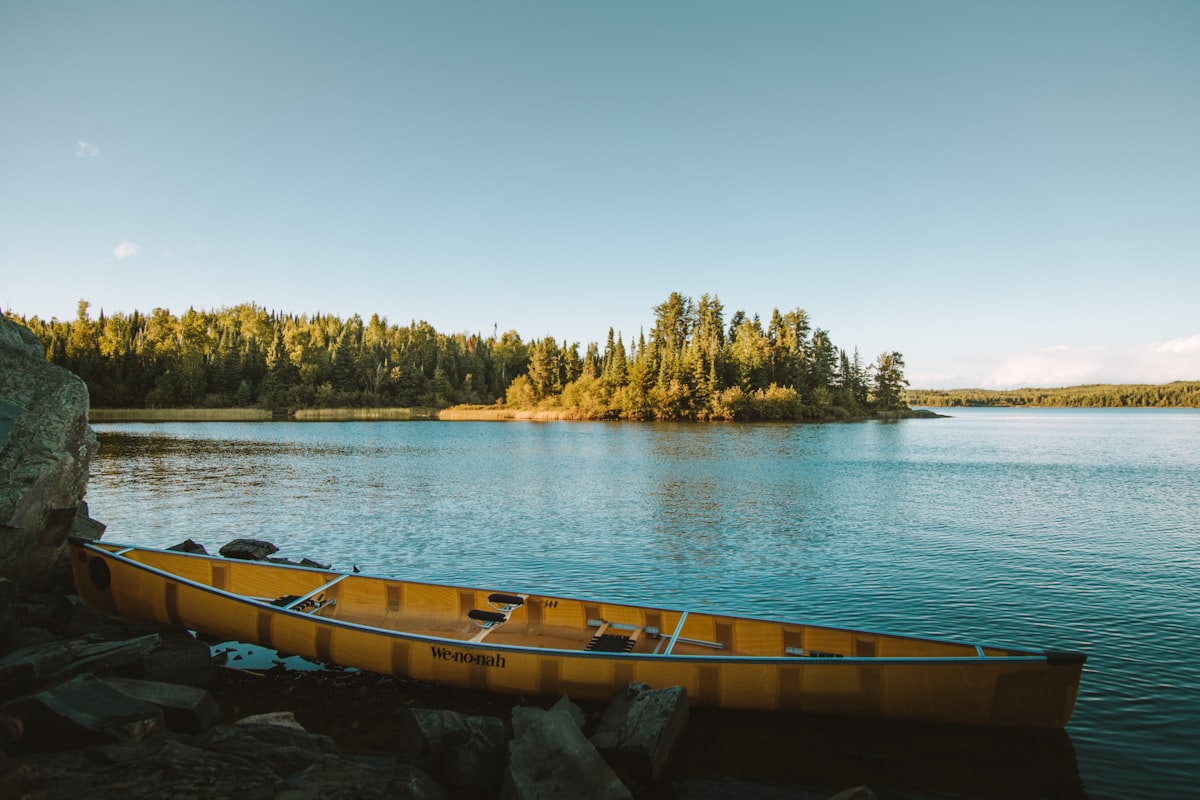
Lake of the Woods is one of North America's great inland fisheries, a vast, island-strewn border lake sprawling across Ontario, Manitoba, and Minnesota, with more than 14,000 islands and some 65,000 miles of shoreline. Fed by the Rainy River and draining north toward Hudson Bay, it is famous above all as a walleye factory, the self-proclaimed "Walleye Capital", but it is far more than that: trophy muskie, hard-fighting smallmouth, abundant northern pike, slab crappie, and, in its deep northern reaches, lake trout and ancient sturgeon. This whole-lake guide covers the entire tri-jurisdiction fishery, the walleye and sauger, the muskie and pike, the panfish and the far-north species, the famous Northwest Angle, and the legendary ice fishing, with a focus on where the fish hold, when they bite, and how to catch them across this enormous northern lake.
The Lake of 14,000 Islands
The scale of Lake of the Woods is hard to overstate. It stretches roughly 70 miles in each direction, split between the U.S. and Canada, and its character changes dramatically from one region to the next: the southern basin, off Minnesota, is big, relatively shallow, and stained, a classic walleye factory; the vast island-filled central and northern sections, in Ontario, are a labyrinth of rocky islands, reefs, and clear, deep water that grows muskie, smallmouth, and lake trout. That variety, shallow and stained here, deep and rocky there, is exactly why the lake supports such a remarkable range of fish. Understanding which region and which structure suits your target species is the first step to fishing this immense water, because no single approach works everywhere on a lake this big and this varied.
Walleye: The Walleye Capital
Lake of the Woods lives up to its "Walleye Capital" billing. Walleye are abundant across the lake and available all year, and the fishery is famous for producing both numbers and quality, limits of eating-sized "eaters" and the real shot at a trophy over 28 inches. Anglers jig with minnows and plastics over the reefs, mud flats, and structure, drift and troll crawler harnesses and crankbaits in summer, and work the current areas near the Rainy River. The southern, Minnesota basin is the classic walleye water, but walleye thrive lake-wide. For countless anglers, a trip to Lake of the Woods means one thing above all: filling the livewell with walleye and maybe tangling with a true giant.
How to Troll a Crawler Harness for WalleyeSauger and the Rainy River Run
Alongside the walleye swims its close cousin, the sauger, a smaller, darker relative that shares the same waters and often the same hook. Saugers school in the deeper current areas and the Rainy River, and mixed bags of walleye and sauger are the norm. The Rainy River, which feeds the lake's southern end, hosts one of the great seasonal spectacles: the spring walleye and sauger run, when huge numbers of pre-spawn fish push up the river and stack in the current, and again a famous fall run draws anglers from across the Midwest. Whether you're jigging the river current in April or the fall, the Rainy River run is one of the signature events of the Lake of the Woods calendar.
Muskie: Trophy Water of the North
The clear, rocky, island-filled Ontario waters of Lake of the Woods are legendary muskellunge country. The lake grows big, healthy muskies, and dedicated hunters cast oversized bucktails, jerkbaits, and topwaters, and troll big baits, along the weed edges, rock structure, and island points for a shot at a 50-inch fish. Like all muskie fishing, it's a game of patience and heavy tackle, the fabled "fish of 10,000 casts", but Lake of the Woods offers both good numbers and genuine trophy potential, especially in the fall when the biggest fish feed up. Handled carefully and released, these apex predators are among the lake's greatest prizes, and the island-studded northern water is a spectacular place to chase them.
Topwater Muskie TipsNorthern Pike: The Toothy Abundance
If muskie are the patient hunter's prize, northern pike are the lake's toothy everyman. Pike are everywhere on Lake of the Woods and eager to bite, ambushing prey from the weedy bays, shorelines, and around the islands. Anglers cast spoons, spinnerbaits, and big soft swimbaits, and the lake produces plenty of big pike along with the smaller "hammer handles." In winter, pike are a prime target for tip-up anglers through the ice. A hard-charging northern is a reliable and thrilling catch when the walleye are slow, a great fish for kids and beginners, and a genuine trophy target for those who seek out the biggest fish in the weedy back bays.
Smallmouth Bass: The Rocky Structure
The rocky reefs, islands, and clear water of Lake of the Woods grow superb smallmouth bass, a fishery that has boomed and that many anglers now travel specifically to enjoy. Bronzebacks stack on the rock structure, points, and shoals, especially in the central and northern parts of the lake, and they hammer tubes, drop-shots, jerkbaits, and topwater through the warm months. A day of numbers of hard-fighting two- to four-pound smallmouth over island rock, against a backdrop of pine-covered shores, is one of the lake's real pleasures, and because so many visitors focus on walleye and muskie, the smallmouth often see less pressure than they would on a dedicated bass lake to the south.
Crappie, Perch, and Panfish
Lake of the Woods holds a fine panfish fishery for anglers who like to keep it simple and fill a fry pan. Black crappie school in the bays and around structure and grow to slab sizes, a favorite target both in open water and through the ice. Jumbo yellow perch roam the lake and are excellent eating, and sunfish and other panfish fill out the light-tackle menu. These fish are perfect for families, kids, and anyone who wants steady action and a delicious meal, and they're a big part of what makes the lake such a well-rounded fishery, there's always something biting, whatever your tackle or your ambitions.
Lake Trout and Sturgeon: The North and the Deep
In the deep, cold, clear water of the far northern reaches, Lake of the Woods holds lake trout, a coldwater char caught by jigging and trolling the deep basins and reefs, most accessible in spring and through the ice, and a special bonus for anglers exploring the lake's northern arms. The lake and its tributaries, especially the Rainy River, also hold lake sturgeon, ancient, armored giants that are carefully protected, with tightly regulated, often catch-and-release seasons. Hooking a big sturgeon in the Rainy River is a growing and thrilling fishery in its own right. These far-north and deep-water species round out a lineup that spans nearly every kind of freshwater fishing North America has to offer, all in one enormous lake.
The Northwest Angle and the Border
Lake of the Woods is home to one of the strangest pieces of geography in North America: the Northwest Angle, a chunk of Minnesota, the only part of the lower 48 north of the 49th parallel, that is cut off from the rest of the U.S. and reachable by land only by driving through Canada, or across the lake by boat or over the ice. "The Angle" is a beloved, remote fishing destination with lodges and world-class walleye and muskie water. It's also a reminder that this is very much a border lake: the international boundary zigzags across it, and anglers must know which country's water they're fishing and carry the correct license and documentation, including for the border crossings the Angle requires.
Ice Fishing: The Winter Capital
Lake of the Woods may be even more famous in winter than in summer. It is one of the premier ice fishing destinations on the continent, and the Minnesota south shore around Baudette is a hub of the sport, with resorts running fleets of heated "sleeper" and day fish houses far out onto the ice. Anglers catch walleye and sauger in remarkable numbers through the ice, along with jumbo perch, crappie, pike (on tip-ups), and even the occasional eelpout (burbot). The long, hard northern winter makes for thick, reliable ice and a months-long season, and the experience, a warm fish house on a vast frozen lake, walleye biting below, is a bucket-list tradition. As always, ice conditions demand caution; go with a resort or guide who knows the lake.
Reading the Lake: Structure and Water
On a lake this enormous, finding fish comes down to reading structure and water type. In the shallow, stained southern basin, walleye relate to mud flats, subtle reefs, and current; a good graph and a map of the reefs are essential. In the clear, rocky north, muskie, smallmouth, and lake trout key on the islands, points, reefs, and depth changes. Wind is a major factor, the lake is huge and can turn dangerously rough fast, and "walleye chop" on a reef can trigger the bite while a gale can pin you in a bay. Learning the lake's regions, its reefs and islands, and how the fish shift with season and weather is a lifetime's pursuit, which is exactly why so many anglers hire a guide or return year after year.
The Towns and Access
Access rings the lake in three jurisdictions. On the Minnesota side, Baudette ("Walleye Capital of the World") and the south-shore resorts anchor the walleye and ice fishing, with the Rainy River and Zippel Bay nearby, plus the remote Northwest Angle. On the Ontario side, Kenora is the major hub at the lake's north end, with Sioux Narrows, Nestor Falls, and countless island lodges and camps opening onto the muskie, smallmouth, and walleye water. Manitoba touches the lake's northwest corner. Numerous ramps, marinas, fly-in and drive-to lodges, and fish camps serve the lake. Given its scale and the border, planning your base around your target species, region, and country is essential.
When to Go
- Spring (April–June): The famous Rainy River walleye and sauger run, then the lake-wide walleye opener; pike in the warming bays; lake trout accessible in the cold north.
- Summer (June–September): Prime walleye across the lake, peak smallmouth on the rock, muskie fishing building, and excellent panfish, the full open-water season.
- Fall (September–November): The best muskie fishing of the year, a strong fall walleye and sauger run on the Rainy River, and big pike feeding up.
- Winter: World-class ice fishing for walleye, sauger, perch, crappie, and pike from the Baudette-area fish houses when the ice is safe.
Licenses (Minnesota, Ontario, and Manitoba)
Lake of the Woods spans three jurisdictions, and you need the correct license for the water you're fishing: a Minnesota license on the U.S. side, and an Ontario or Manitoba licence on the Canadian side (with non-resident anglers needing the appropriate Canadian licence and, often, an outdoors card). The international border runs across the lake, so know which country's water you're in, and the Northwest Angle in particular involves border-crossing requirements and reporting. Walleye, sauger, muskie, pike, bass, lake trout, and sturgeon all carry seasons, size and bag limits, and special rules that differ by jurisdiction and by zone and change over time, sturgeon especially is tightly protected, so always check the current Minnesota, Ontario, or Manitoba regulations for your exact water and border status before you fish.
A Beginner's First Trip
The easiest entry to Lake of the Woods is a walleye trip on the Minnesota south shore, a summer guided trip or a winter fish-house stay out of Baudette puts you on fish and shows you the lake without the overwhelm of its size. On the Ontario side, an island lodge out of Kenora, Sioux Narrows, or Nestor Falls offers a full multispecies experience, from walleye and smallmouth to a shot at a muskie. Panfish and pike keep families and kids busy anywhere on the lake. However you start, hire a guide or stay at a resort your first time, the lake is vast, the border adds complexity, and local knowledge turns an intimidating water into an unforgettable one. Dress for the north and watch the weather.
Gear and Tackle
For walleye and sauger, a light jigging rod with jigs, minnows, and plastics plus a trolling setup for crawler harnesses and crankbaits covers the lake and the Rainy River. Muskie demand heavy baitcasting or trolling gear, oversized bucktails, jerkbaits, and topwaters, a stout leader, and a big net and release tools. Pike take a medium-heavy rod with spoons and swimbaits and a wire leader. Smallmouth call for a medium spinning rod with tubes, drop-shots, and jerkbaits. Panfish need only light gear. In winter, ice rods, an auger, electronics, and a warm shelter are the tools. A good graph and lake map are essential on this immense water, and warm layers and a life jacket are simply part of fishing the north.
From the walleye-filled southern basin to the muskie and smallmouth of the rocky northern islands, the Rainy River runs, the far-north lake trout, and the legendary ice fishery, Lake of the Woods is one of the most complete and beloved fisheries on the continent, a 14,000-island inland sea shared by two nations and three states and provinces. Jig a reef for a limit of walleye, cast the island rock for a giant muskie, or set up a fish house on the winter ice, check the Minnesota, Ontario, or Manitoba rules and the border status for your water, respect the vast lake and its weather, and fish the Walleye Capital of the world. Its Ontario waters are covered in more depth in our how to fish Lake of the Woods, Ontario guide.