Fish
Fish Fire
Fire Hike
Hike Bird
Bird

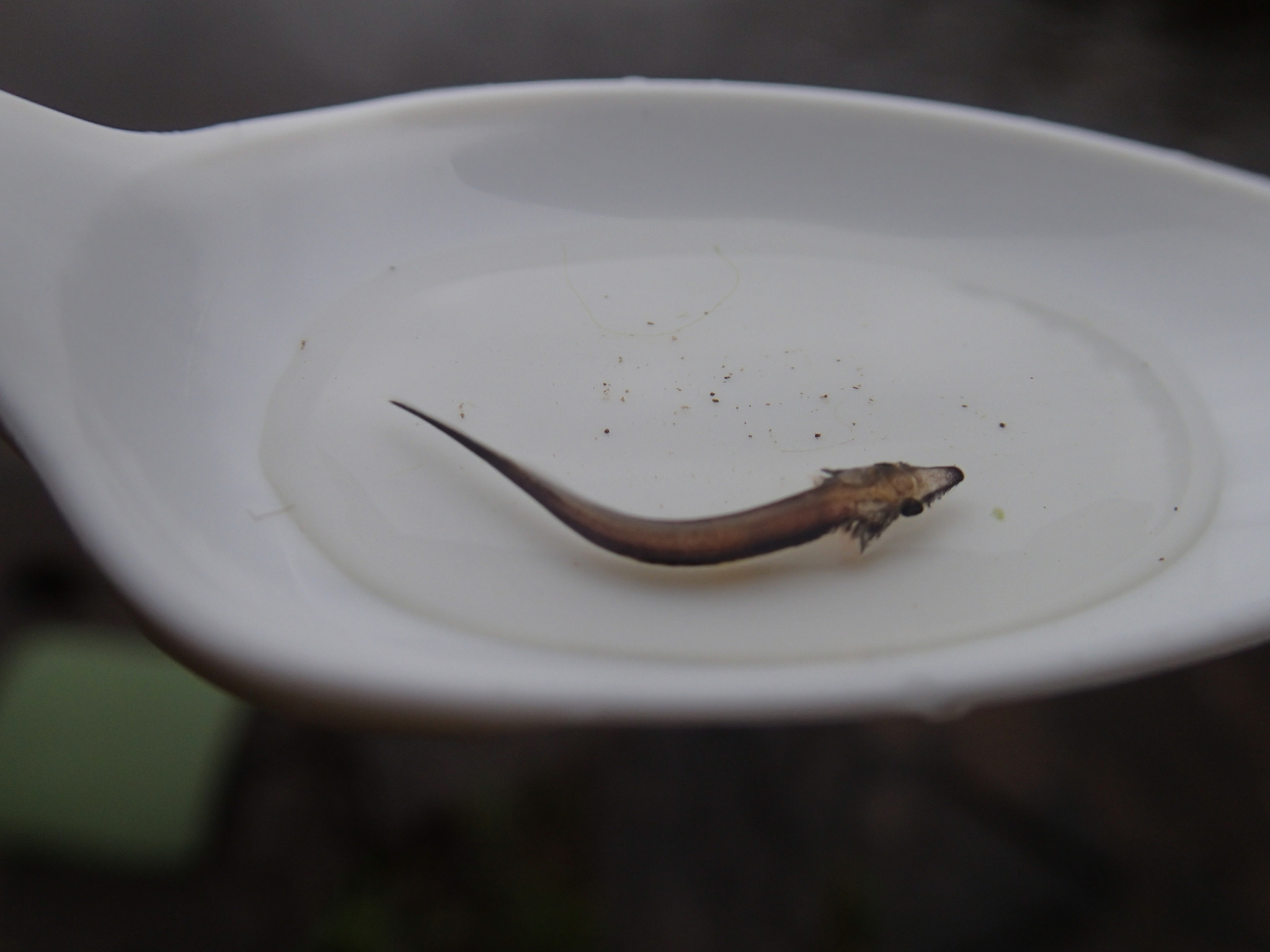

The lake sturgeon is a living dinosaur, a giant, ancient, armor-plated bottom feeder that has swum North America's waters essentially unchanged for over 100 million years, and that today offers anglers the chance to hook one of the largest, oldest, and most awe-inspiring freshwater fish on the continent. Reaching lengths of 6 or 7 feet, weights well over 100 pounds, and ages exceeding 100 years, the lake sturgeon (Acipenser fulvescens) is a true freshwater leviathan, a torpedo-shaped, scute-armored, shark-tailed relic with a vacuum-like protrusible mouth and whisker-like barbels for finding food on the bottom. To hook one is to connect with a fish that may be older than you are, that fights with the dogged, unstoppable power of its great size, and that represents one of conservation's hard-won success stories after a century of overharvest and habitat loss.
Because lake sturgeon are so long-lived, slow-growing, and vulnerable, they are carefully protected: many waters are strictly catch-and-release, seasons are short and tightly regulated, and harvest (where allowed at all) is limited to brief, lottery-style windows. This makes lake sturgeon fishing above all a conservation-minded pursuit, one where knowing and following the regulations, and handling these ancient giants with great care, matters as much as the catch itself. This guide covers what a lake sturgeon is, where to find them, and the proven bottom-fishing techniques, along with the essential handling and rules, for pursuing these prehistoric freshwater giants.
What Is a Lake Sturgeon?
The lake sturgeon is a member of the sturgeon family (Acipenseridae), an ancient lineage of fishes that predates the dinosaurs and has changed remarkably little in over 100 million years, making it a true "living fossil." It has an unmistakable, prehistoric appearance: a long, torpedo-shaped body covered not in scales but in five rows of bony plates called scutes, a shark-like heterocercal tail (the upper lobe longer than the lower), a hard, pointed snout, four sensory barbels dangling in front of a toothless, protrusible, vacuum-like mouth on the underside of the head, and a cartilaginous skeleton. Its coloration is olive-brown to gray. Lake sturgeon grow enormous and old: commonly 3 to 5 feet and 10 to 40 pounds, with giants exceeding 6 feet, 100-plus pounds, and ages over 100 years, females don't even mature until 20-plus years old.
Lake Sturgeon: History and HandlingLake sturgeon are bottom feeders, cruising the bottoms of large lakes and rivers and using their sensitive barbels to detect food, then extending their tube-like mouth to vacuum up insect larvae, crayfish, snails, clams, leeches, small fish, and other invertebrates. This bottom-oriented, scent-and-touch feeding drives how you catch them: natural bait fished on the bottom, where the sturgeon can find it with its barbels. Once abundant, lake sturgeon were decimated by a century of overharvest (for their flesh and prized caviar), pollution, and dams blocking their spawning runs; today they're a protected species across most of their range and the focus of major restoration efforts, which is why regulations are so strict and catch-and-release is the norm.
Where to Find Lake Sturgeon
Lake sturgeon are native to the large rivers and lakes of central and eastern North America, the Great Lakes, the Mississippi, Missouri, and Ohio river systems, the Hudson Bay drainage, and connected waters, though their range and numbers are much reduced from historic levels, and they persist in strongest numbers in certain strongholds (the Great Lakes and their tributaries, the upper Mississippi, and rivers like Wisconsin's and Michigan's famous sturgeon waters). They relate to big water and the bottom. Focus on:
- Large rivers and their deep holes, sturgeon hold in the deeper holes, runs, and channels of big rivers, especially near current.
- Big lakes and reservoirs, deep water and the bottom of large lakes; the Great Lakes and large inland lakes are strongholds.
- Below dams and in tailwaters, sturgeon concentrate below barriers, especially during their spring spawning runs.
- Firm and rocky bottoms, near gravel, rubble, and rock where their invertebrate food lives, and over the clean bottoms they favor.
- Spawning rivers in spring, sturgeon run up rivers to spawn over rocky shoals, concentrating fish (though these areas are often protected or closed).
Because lake sturgeon are bottom-oriented and often hold in specific deep holes and runs, local knowledge is invaluable, sturgeon anglers often fish known holes and stretches. Focus on the deeper water of big rivers and lakes, near current and firm bottom, and pay close attention to seasons and closures, since many spawning areas and times are protected.
Deadly Sturgeon Fishing TechniquesNightcrawlers and Bottom Fishing
The classic and most effective way to catch lake sturgeon is with nightcrawlers fished on the bottom. A big gob of nightcrawlers is the number-one sturgeon bait across their range, perfectly matching the invertebrates they vacuum up and putting out the scent trail their barbels home in on.
Sturgeon Fishing with NightcrawlersFish a large gob of nightcrawlers (often a whole bunch threaded on the hook to make a substantial, scent-rich offering) on a bottom rig, typically a sliding-sinker (Carolina-style) setup or a fixed bottom rig with enough weight to hold on the bottom in current. Cast into a deep hole, run, or channel, let it settle to the bottom, set your rod in a holder, and wait, sturgeon fishing is a patient, soak-the-bait game. When a sturgeon finds the bait, it vacuums it up, and the bite can range from a subtle tap to a rod-bending pull; give it a moment, then set the hook into the fish. Other baits work too, cut bait, crayfish, and other natural offerings, but a big wad of nightcrawlers on the bottom is the tried-and-true sturgeon method. Patience is everything: you may soak baits a long while, but when a giant sturgeon finally takes, the wait is forgotten.
River Fishing
Rivers are the heart of lake sturgeon fishing, and river fishing for them, targeting the deep holes, runs, and current-swept channels where sturgeon hold and feed, is the classic pursuit. Many of the best sturgeon fisheries are big rivers where these giants congregate.
Catching Enormous Lake Sturgeon in a RiverIn rivers, target the deep holes, outside bends, current seams, and channels where sturgeon rest and feed, and fish your bait right on the bottom, using enough weight to hold in the current. Sturgeon often use the same holes year after year, so local knowledge or time spent finding productive holes pays off. Anchoring upstream and fishing baits back into a hole, or fishing from shore into a known deep run, are both effective. Current is important, sturgeon relate to it, and moving water carries the scent of your bait to their sensitive barbels. Below dams and in tailwaters, sturgeon concentrate (especially around their spring spawning runs), though these areas are frequently protected, so always check the regulations. River sturgeon fishing is a patient, powerful, and deeply rewarding pursuit for one of fresh water's true giants.
Ice Fishing
In the northern part of their range, lake sturgeon are pursued through the ice, and ice fishing for them is a hardy, exciting winter tradition, most famously the spectacular spearing season on Wisconsin's Lake Winnebago, but also hook-and-line ice fishing where regulations allow.
Ice Fishing for Sturgeon: The BasicsFor hook-and-line ice fishing, drop a bait (nightcrawlers or other natural bait) to the bottom through the ice in a deep hole or over a known sturgeon area, using stout tackle to handle a potentially huge fish in a confined space. The famous Lake Winnebago season, by contrast, is a spearing fishery, where anglers watch through a large hole in a darkened shanty and spear passing sturgeon, a unique, tightly regulated, lottery-and-tag-controlled tradition steeped in local culture. Whether by hook or spear, winter sturgeon fishing is governed by strict seasons, tags, and rules designed to protect these slow-growing fish, so, as always with sturgeon, know and follow the regulations for your specific water. Ice sturgeon fishing is a cold, patient, and thrilling way to connect with a prehistoric giant in the depths of winter.
Terminal Tackle and Rigging
Getting your rigging right is important for lake sturgeon, both to hook these big, bottom-feeding fish and to do so in a way that allows a safe release. The right terminal tackle makes all the difference.
Sturgeon Rigging: Rod, Reel, Line, and Terminal TackleThe standard sturgeon rig is a sliding-sinker (Carolina) setup: a sliding weight on the main line above a barrel swivel, then a leader (often 1 to 3 feet) to a strong hook, which lets a sturgeon pick up the bait and move off without immediately feeling the weight. Use enough weight (often a heavy no-roll or pyramid sinker) to hold the bait on the bottom in current. For hooks, a strong circle hook is the sturgeon angler's choice, it hooks the fish cleanly in the corner of the mouth as it moves off, which both improves hookups and, crucially, allows a safe, healthy release (avoiding deep-hooking these protected fish). Pair this with heavy line (see tackle below) and a stout rod. Good rigging, a slip-sinker rig and a sharp circle hook, is the foundation of both catching and conserving lake sturgeon.
Tackle for Lake Sturgeon
Lake sturgeon are big, powerful, dogged fighters, so you need stout, heavy tackle to land them (quickly, for their health) and to handle their size. Use a heavy-action rod (a strong catfish or musky rod, or a dedicated sturgeon rod), a large baitcasting or spinning reel with a strong drag and plenty of line capacity, and heavy line, 30 to 65+ pound braid or heavy mono is common, since a big sturgeon will test everything. Strong circle hooks, heavy sinkers, and a slip-sinker rig complete the terminal setup. Beyond tackle, come prepared to handle a giant fish for release: a large landing net or a plan to land the fish in shallow water or the shallows, wet hands or gloves, and a way to support the fish's weight. Because lake sturgeon are so heavily protected and vulnerable, appropriate heavy tackle that lets you land them quickly, rather than fighting them to exhaustion, is itself a conservation tool.
Catch and Release: Handling These Ancient Giants
More than almost any other freshwater fish, lake sturgeon demand careful catch-and-release handling, because they're long-lived, slow to mature, heavily protected, and often required by law to be released. How you handle a sturgeon can determine whether it survives to spawn and be caught again decades later. Follow these essentials: keep the fish in or near the water as much as possible; never lift a large sturgeon vertically by the head, gills, or tail (support its body horizontally with two points of contact, one near the head and one near the tail); use wet hands or gloves; keep air exposure to an absolute minimum; and if you photograph the fish, do it quickly and low over the water. Use a circle hook and heavy tackle so you can unhook and release the fish fast and land it before it's exhausted. Revive the fish fully before release, holding it upright in the current until it swims off strongly. A lake sturgeon you release carefully may live another 50 or 100 years, treat every one as the irreplaceable ancient it is.
Regulations: Know Before You Go
There is no fish for which knowing the regulations matters more than the lake sturgeon. Because they were nearly wiped out and are so slow to recover, lake sturgeon are protected by a complex, strict, and highly variable patchwork of rules: many waters are entirely catch-and-release; where any harvest is allowed, it's typically restricted to very short seasons, minimum/maximum size (slot) limits, mandatory tags, lottery draws, and tiny bag limits (often one fish per year or per season); and many spawning areas and times are completely closed. These rules vary enormously by state, province, and even individual water, and they change. Before you fish for lake sturgeon, thoroughly check the current regulations for your specific water, what's open, when, what tackle is required (often only certain hooks or methods), and whether the fishery is catch-and-release only. Respecting these rules isn't just legal compliance; it's what's slowly bringing this magnificent living fossil back.
Where the Lake Sturgeon Fits
The lake sturgeon is one of several North American sturgeons, all ancient, bottom-feeding, and protected to varying degrees. Its West Coast counterpart, the white sturgeon, is the largest freshwater fish in North America, a giant of the Columbia, Fraser, and Sacramento systems, pursued with similar bottom-fishing bait tactics and the same conservation-minded, catch-and-release ethic. Lake sturgeon also share the continent's waters with other, often highly endangered relatives (the shortnose, Atlantic, pallid, and shovelnose sturgeons), most of which are strictly protected. Among them, the lake sturgeon is the great freshwater giant of the interior lakes and rivers, a living dinosaur that, with careful stewardship, still gives anglers the thrill of connecting with the ancient past.
Put It All Together
Catching lake sturgeon comes down to soaking natural bait on the bottom where these ancient giants feed, and doing so with the care and respect a protected living fossil deserves: fish a big gob of nightcrawlers on a slip-sinker rig with a strong circle hook, in the deep holes, runs, and channels of big rivers and lakes, and be patient, sturgeon fishing rewards the angler who waits. Use heavy tackle to land these powerful fish quickly, handle them with extreme care for a healthy release (never lifting them vertically, keeping them in the water, minimizing air time), and, above all, know and follow the strict, protective regulations for your water. Do that, and you may find yourself holding, however briefly, a scute-armored dinosaur that has outlived a hundred human generations. Few experiences in freshwater fishing run deeper.
Ready to meet a living dinosaur? Do your homework first: pin down the deep holes, runs, and current-swept channels where sturgeon hold on your water, confirm the season, the required tackle, and the catch-and-release rules, and rig up a big gob of nightcrawlers on a slip-sinker with a strong circle hook. Put in the patient hours soaking bait on the bottom, handle whatever you hook with the care an irreplaceable ancient deserves, and you may find yourself connected to one of fresh water's most awe-inspiring fish.