Fish
Fish Fire
Fire Hike
Hike Bird
Bird

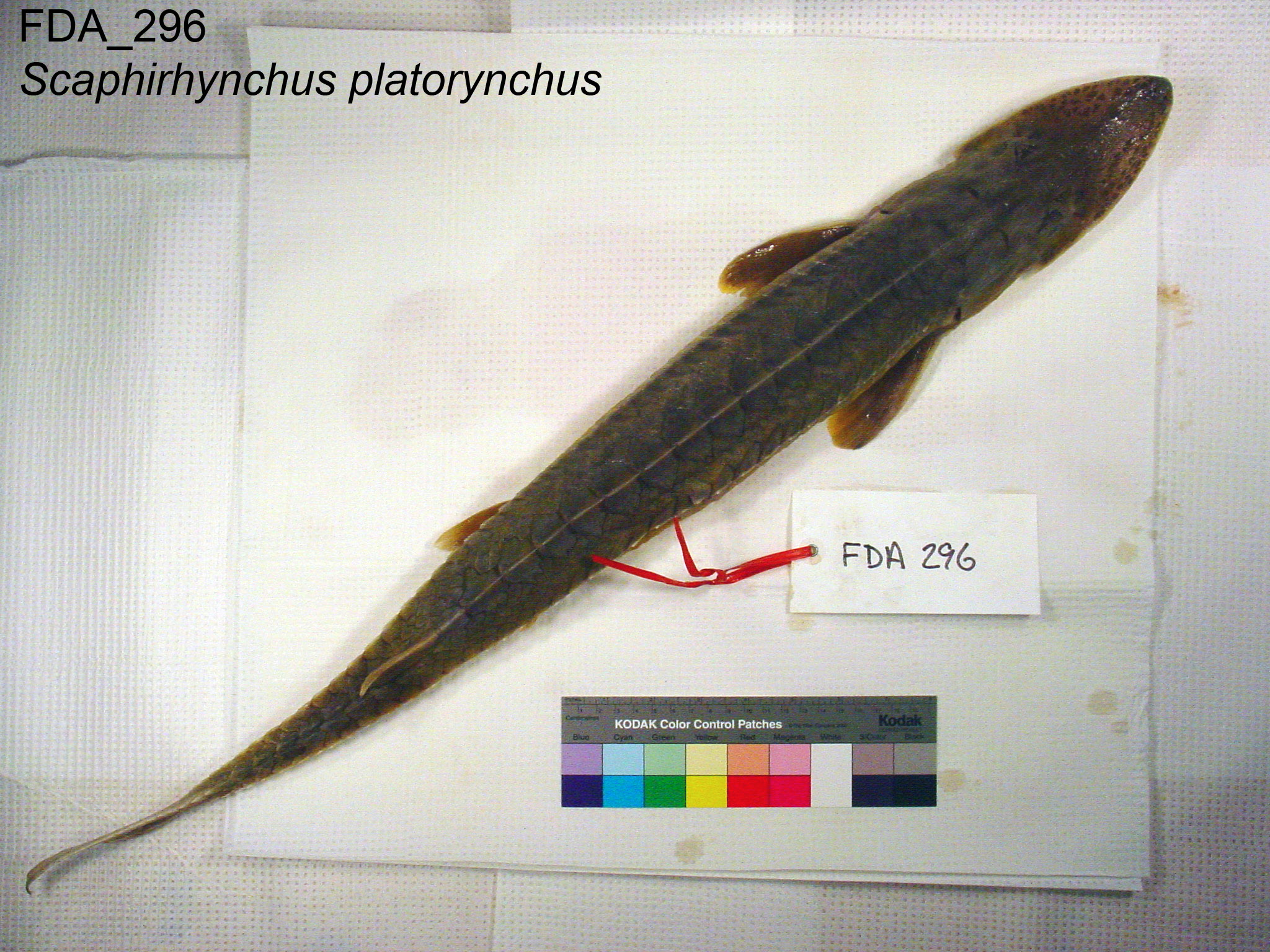

The shovelnose sturgeon is the accessible, catchable member of North America's ancient sturgeon clan, the smallest and most abundant sturgeon on the continent, and, unlike its giant, protected relatives, a fish you can actually and legally fish for across much of the big-river Midwest. Named for its broad, flattened, shovel-shaped snout, the shovelnose sturgeon (Scaphirhynchus platorynchus) is a prehistoric-looking bottom feeder of the Missouri, Mississippi, and other large rivers, prized by river anglers for its scrappy fight, its willingness to bite a simple nightcrawler on the bottom, and, where legal, its prized flesh and roe (the "hackleback" caviar of the culinary world). A typical shovelnose runs 1.5 to 3 feet and 2 to 5 pounds, a manageable, catchable size that makes it a fun and attainable sturgeon for the everyday angler.
But there's a crucial catch: the shovelnose looks nearly identical to the federally endangered pallid sturgeon, with which it shares the same rivers (and even hybridizes), so knowing how to tell them apart, and to release any pallid immediately, is an essential part of shovelnose fishing. This guide covers what a shovelnose is, where to find them, the simple bottom-fishing techniques that catch them, and, importantly, how to distinguish them from their protected look-alike so you can fish for them responsibly and legally.
What Is a Shovelnose Sturgeon?
The shovelnose sturgeon is a member of the ancient sturgeon family (Acipenseridae), the "living fossil" lineage that predates the dinosaurs. It's the smallest North American sturgeon and one of the most distinctive, named for its broad, flattened, shovel-shaped snout. Like all sturgeon, it has a long body armored with rows of bony scutes instead of scales, a shark-like heterocercal tail (often with a long, thread-like filament extending from the upper lobe), four barbels in front of a toothless, protrusible, vacuum-like mouth on the underside of the head, and a cartilaginous skeleton. It's colored a sandy tan to brownish-gray, matching the big-river bottoms it lives on. Shovelnose are small by sturgeon standards, commonly 1.5 to 3 feet and a few pounds, rarely exceeding 5 or 6 pounds.
How to Catch Shovelnose Sturgeon and WhereShovelnose sturgeon are bottom feeders of large, turbid, free-flowing rivers, using their sensitive barbels to detect and their tube-like mouths to vacuum up aquatic insect larvae, small crustaceans, worms, and other invertebrates from the sandy and gravelly river bottom. They're well adapted to strong current and murky water, holding near the bottom in the flowing channels and around sandbars, wing dams, and other river structure. Unlike their giant, imperiled cousins, shovelnose remain relatively abundant across much of their range and support legal fisheries in many states, making them the sturgeon most anglers can realistically catch.
Where to Find Shovelnose Sturgeon
Shovelnose sturgeon live in the large, turbid, free-flowing rivers of central North America, the Missouri, Mississippi, Ohio, and their major tributaries, from Montana to the Gulf, and are most abundant in the big, sediment-rich rivers of the Midwest and Great Plains. They relate to current and the bottom. Focus on:
- Main-river channels and current, shovelnose hold in the flowing water of big rivers, near the bottom.
- Below dams and in tailwaters, a classic and productive spot, where fish concentrate in the current-rich water below barriers.
- Wing dams, rock structure, and sandbars, current breaks and structure where sturgeon feed and hold.
- Deep runs, holes, and channel edges, where the current sweeps food along the bottom.
- Confluences and mouths of tributaries, productive feeding areas where currents and food concentrate.
The key to finding shovelnose is current and firm river bottom. They're fish of moving water, so fish the flowing channels, the tailwaters below dams, and the areas around wing dams and structure where current sweeps food to waiting fish. Tailwaters below the big dams of the Missouri and Mississippi systems are especially reliable, concentrating shovelnose (and lots of other fish) in accessible, current-rich water.
Nightcrawlers and Bottom Rigs
The number-one way to catch shovelnose sturgeon is with nightcrawlers fished on the bottom. These bottom-feeding fish home in on the scent of a gob of worms, and a simple bottom rig with nightcrawlers is by far the most popular and effective shovelnose method, cheap, easy, and deadly.
How to Catch Shovelnose Sturgeon with a Simple Rig and NightcrawlersFish a glob of nightcrawlers (thread several onto the hook for a scent-rich offering) on a simple bottom rig, a sliding-sinker (Carolina) setup or a three-way rig with enough weight to hold on the bottom in current. Cast into a channel, tailwater, or run, let it settle to the bottom, and keep your line reasonably tight to detect the bite, which can range from a light tap to a solid pull. Set your rod in a holder and be patient, but shovelnose are often willing biters, so the wait is usually shorter than for the giant sturgeons. Use enough weight to hold bottom in the current, a heavy bell or no-roll sinker, and expect to lose some tackle in the snaggy river bottom. A gob of nightcrawlers on a bottom rig, fished in the current, is the tried-and-true shovelnose setup.
Other Baits and Worms
While nightcrawlers are king, shovelnose sturgeon will take a variety of natural baits, and matching what they're feeding on can improve your catch. Their invertebrate diet means scent-rich, natural offerings work best.
Fishing for Shovelnose SturgeonBeyond nightcrawlers, effective shovelnose baits include other worms, aquatic insect larvae (like hellgrammites or larvae), small pieces of cut bait, and commercial sturgeon or catfish baits. Some anglers do very well with worms or nightcrawler pieces fished right on the bottom, and in some waters, natural river invertebrates that match the shovelnose's diet are deadly. The common thread is a natural, scent-rich bait presented right on the bottom in current, where the shovelnose can detect it with its barbels. Keep your presentation simple and on the bottom, use fresh bait, and fish the current seams and channels where these fish feed. Whatever the bait, the bottom-in-current approach is what matters most.
Telling a Shovelnose from a Pallid Sturgeon
This is the most important section of this guide, because it's a matter of law and conservation: the shovelnose sturgeon looks nearly identical to the federally endangered pallid sturgeon, the two share the same rivers, they hybridize, and you must release any pallid sturgeon immediately. In some overlap areas, harvest of shovelnose is even restricted specifically to protect pallids, so knowing the difference, and the local rules, is essential.
The Difference Between a Shovelnose and Pallid SturgeonWhile a positive ID can be tricky (and hybrids muddy the picture), some general differences help: the pallid is larger and paler (grayish-white) than the tan shovelnose; the pallid's belly is scaleless while the shovelnose has small scale-like structures (belly plates) on its underside; the barbel arrangement differs (the pallid's inner barbels are set noticeably farther forward than its outer barbels, while the shovelnose's four barbels are more in a row); and there are differences in scute and body proportions. Crucially, in many waters where the two overlap, regulations require releasing all large sturgeon or all fish with pallid characteristics, and some areas prohibit shovelnose harvest entirely. Before you fish, learn the pallid-sturgeon identification and the specific regulations for your water, if you're not certain a fish is a legal shovelnose, treat it as a protected pallid and release it immediately and carefully. When in doubt, let it go.
Eating Shovelnose Sturgeon
Where legal, the shovelnose sturgeon is prized eating, its firm, white, mild flesh is excellent smoked, fried, or grilled, and it's a traditional and valued food fish in the big-river regions where it's caught. Even more famous is its roe: shovelnose sturgeon eggs are processed into "hackleback" caviar, a genuinely esteemed American caviar that has real culinary and commercial value.
Shovelnose Sturgeon: How to Catch and CookIf you keep shovelnose where it's legal to do so, the flesh is commonly smoked (a regional delicacy) or filleted and fried; the firm meat holds up well to smoking and takes seasoning nicely. The caviar, where its harvest is legal, is a valued product, though the commercial demand for hackleback caviar has, at times, added pressure on shovelnose populations and complicated protection of the look-alike pallid, which is one reason regulations are strict in overlap zones. As always, check your local regulations on harvest, size, season, and caviar before keeping any shovelnose, and be certain of your identification. Where the fishery is healthy and legal, a smoked shovelnose or a taste of hackleback caviar is a genuine big-river tradition.
Tackle for Shovelnose Sturgeon
Shovelnose sturgeon don't require heavy sturgeon gear, they're relatively small, but you do need tackle suited to fishing bait on the bottom in current. A medium to medium-heavy rod (a catfish-style setup works well) with a reel holding 15 to 30 pound line handles shovelnose nicely and lets you fish enough weight to hold bottom in the current. Use a sliding-sinker or three-way bottom rig with a heavy bell or no-roll sinker, and a strong hook (a circle hook is a good choice for clean, releasable hookups, important given the pallid look-alike issue). Bring plenty of sinkers, since the snaggy river bottom will claim some, and a rod holder for the patient bottom-soaking approach. Pliers for unhooking and a way to quickly identify and release any potential pallid round out the kit. It's accessible, affordable river fishing, no giant sturgeon tackle required.
Seasonal Patterns
Understanding how shovelnose sturgeon move through the year sharpens your fishing. In spring, rising river flows and warming water trigger the shovelnose spawning migration, and fish move to and concentrate in current-rich areas, especially tailwaters below dams and around rocky, gravelly reaches where they spawn. This is often the most productive time, with fish stacked in accessible current and feeding actively; the higher, warmer water of late spring can produce fast fishing. Through summer, shovelnose spread out through the main river channels, holding near the bottom in current and around wing dams, sandbars, and structure, and they continue to feed on the invertebrates the current sweeps along, steady, dependable fishing for the angler who fishes the flowing channels. In fall, cooling water keeps the fish feeding as they prepare for winter, and they remain catchable on the same bottom-fished baits in the current. In winter, shovelnose slow down and move to deeper, slower wintering areas, becoming harder to catch, though dedicated anglers still take them in tailwaters. Across the seasons, the constant is current and firm bottom: find the flowing water sweeping food along a sandy or gravelly bottom, and you'll find shovelnose.
Conservation and the Bigger Picture
Although shovelnose sturgeon remain relatively abundant compared to their imperiled relatives, they're not without concerns, and thoughtful anglers should understand the bigger picture. The same big-river alterations that devastated other sturgeons, dams, channelization, and habitat loss, have reduced and fragmented shovelnose habitat too, and the commercial demand for hackleback caviar has, in places, added harvest pressure. Most significantly, the shovelnose's near-identical resemblance to the endangered pallid sturgeon means that fishing for shovelnose is inextricably tied to protecting pallids: careless harvest of misidentified fish, or of shovelnose-pallid hybrids, can directly harm pallid recovery. This is why so many overlap waters have strict rules, and why the responsible shovelnose angler takes identification seriously, releases anything uncertain, and follows the regulations to the letter. Fishing for shovelnose sustainably means supporting healthy rivers and giving the endangered pallid every chance to recover. The good news is that where habitat is intact and rules are followed, shovelnose sturgeon continue to provide accessible, legal, and rewarding fishing for a genuinely ancient fish, a privilege worth protecting.
Where the Shovelnose Fits
The shovelnose sturgeon is the small, catchable, big-river member of the sturgeon family, and knowing its relatives matters, especially the one it's confused with. Its endangered look-alike, the pallid sturgeon, shares the same rivers, is federally protected, and must always be released, telling the two apart is central to legal shovelnose fishing. The giant lake sturgeon of the Great Lakes and interior lakes is a much larger, protected relative pursued mainly as strictly regulated catch-and-release, and the white sturgeon is the West Coast giant. Among them all, the shovelnose is the everyman's sturgeon, small, common, willing, and (where legal) both catchable and delicious.
Put It All Together
Catching shovelnose sturgeon is refreshingly accessible: fish a gob of nightcrawlers on a bottom rig in the current-swept channels and tailwaters of big Midwestern rivers, use enough weight to hold bottom, be patient but expect a willing bite, and enjoy the scrappy fight of a prehistoric little fish. Above all, learn to identify the endangered pallid sturgeon and know your local regulations, release any pallid (or any fish you're unsure about) immediately and carefully, and only keep legal shovelnose where the rules allow. Where it's legal, savor the reward: a smoked shovelnose or a taste of hackleback caviar is a genuine big-river tradition. Simple tackle, willing fish, and a connection to an ancient lineage make the shovelnose the sturgeon that everyday river anglers can actually catch.
Want to catch a big-river sturgeon the right way? Get to know the shovelnose rivers and tailwaters near you, learn the simple bottom-fishing tactics that put fish on the bank, and, crucially, teach yourself to tell a legal shovelnose from a protected pallid before you ever wet a line.