Fish
Fish Fire
Fire Hike
Hike Bird
Bird

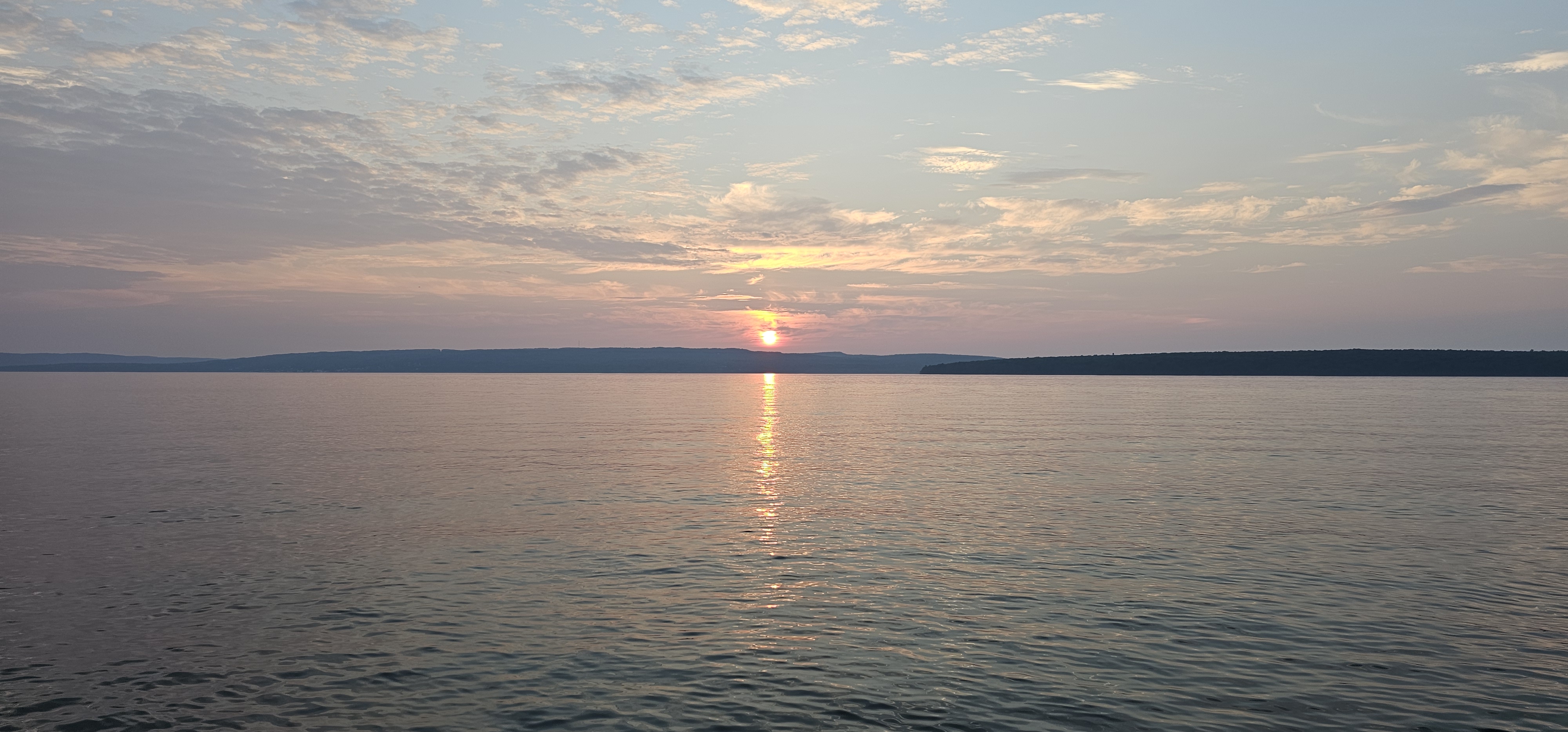

Lake Superior is the largest, deepest, coldest, and clearest of the Great Lakes, the greatest lake of them all, holding more water than the other four combined and stretching across Minnesota, Wisconsin, Michigan, and Ontario. It is a wild, cold, powerful inland sea, and its fishery reflects that: this is the domain of the native lake trout, the famous steelhead of the North Shore streams, a rich mix of salmon and coldwater trout, and, tucked into its warmer bays, a surprising world-class smallmouth and walleye fishery. This whole-lake guide covers what swims in the big cold water, where to find it, and how to fish it, from the sheltered Apostle Islands to the wild, remote Canadian shore, across all four of the states and the province that share this inland ocean.
Lake Trout: The King of the Big Cold Lake
More than any other fish, the lake trout defines Lake Superior. Where lake trout collapsed and had to be rebuilt elsewhere in the Great Lakes, Superior kept its native, self-sustaining populations, and today it offers arguably the best lake-trout fishing in the world. The lake holds several forms, from lean, shallow "lean" lakers to the deep-dwelling, fat-rich siscowet found in hundreds of feet of water. Anglers troll spoons and dodger-and-fly rigs deep with downriggers and wire line, and jig the rocky reefs and humps, catching lakers that can top 30 pounds. In spring and fall the fish move shallow and come within reach of nearshore boats and even shore anglers. A big Superior laker, pulled from cold, clear, deep water, is the signature catch of the lake.
Trolling the Great Lakes for Trout and SalmonSteelhead: The North Shore Run
Lake Superior grows some of the most storied steelhead fishing in the country. These sea-bright rainbow trout fatten in the big lake and run up the tributary streams to spawn, and the rivers of the North Shore in Minnesota, the Wisconsin streams like the Bois Brule, and the Michigan and Ontario tributaries fill with chrome each spring and fall. Fall brings the largest numbers of migrating steelhead, from late September through November, and spring brings the spawning run and the best river fishing. Anglers drift eggs, jigs, beads, and flies to fish holding in the pools and runs, and the rocky, cold, tea-stained rivers of the Superior basin are a fly and float fisher's paradise. It's a wild, weather-hardened fishery with a devoted following.
Steelhead Fishing a Great Lakes TributaryThe Salmon: Coho, Chinook, and Pink
Superior also holds a run of Pacific salmon, though on a smaller, wilder scale than the lower Great Lakes. Coho salmon run the tributaries and stage off the river mouths from mid-September through October; Chinook (king) salmon are caught trolling the big lake and staging in fall; and naturalized pink salmon, accidentally introduced decades ago and now self-sustaining, run the streams, especially in odd years. Along with brown trout that patrol the shorelines and harbors, the salmon add variety to the coldwater troll and give shore and river anglers more chances at migrating fish. Superior's salmon fishing is less about big numbers than about the beauty of chasing them in wild, cold, spectacular country, a quieter, more scenic version of the Great Lakes salmon experience.
Chequamegon Bay and the Apostle Islands
The single most productive corner of Lake Superior is the Apostle Islands and Chequamegon Bay, off the Bayfield Peninsula in Wisconsin. Sheltered and slightly warmer than the open lake, this region is an angler's paradise with an unusually diverse mix of coldwater and coolwater species in one place: trophy smallmouth bass, brown trout, Chinook and coho salmon, walleye, lake trout, and more. The islands' rocky shoals, reefs, and drop-offs, and the bay's shallower flats, concentrate fish, and the protected water is far more forgiving than the open lake. It's the best place on Superior for a beginner to sample the lake's variety, and a legendary fishery in its own right, open water and hard water alike.
Smallmouth Bass and Walleye: The Warm-Water Surprise
Most people think of Lake Superior as too cold for bass and walleye, but its warmer bays tell a different story. Chequamegon Bay and the St. Louis River estuary at Duluth-Superior grow genuinely world-class smallmouth bass, with the cold, clear water producing giant, long-lived fish that draw tournament anglers from across the country. The same warm bays hold strong walleye populations, plus northern pike and even muskie. Anglers cast tubes, drop-shots, and jerkbaits over the rock for smallmouth and troll or jig for walleye, especially in the warmer months when these coolwater fish are most active. It's a delightful surprise: some of the best smallmouth and walleye fishing in the Midwest, on the coldest of the Great Lakes.
Brook Trout, Splake, and the Coasters
Superior is one of the last strongholds of the native "coaster" brook trout, a lake-dwelling form of brook trout that once thrived here and is now the focus of careful restoration, prized and largely protected. Anglers also target stocked splake (a brook-trout/lake-trout hybrid) around the rocky shorelines and in the bays, especially through the ice. These beautiful char, along with the resident stream brook trout of the Superior tributaries, add a special, wilder dimension to the lake's fishery, and catching a coaster brookie from the big cold lake is a rare and memorable experience. Always know the current rules, as brook trout and coasters are tightly protected in many waters.
Whitefish, Cisco, and the Deep-Water Cast
The big cold lake holds a deep-water cast of coldwater fish beyond the trout and salmon. Lake whitefish, a Great Lakes delicacy, are caught over deep water and through the ice, and are prized on the table and in the smoker. Cisco (lake herring or tullibee) school in the cold water, provide light-tackle fun, and are the key forage that feeds the lake trout. Round whitefish, burbot (freshwater cod, caught through the ice), and lake sturgeon in a few waters round out the deep, cold-water community. It's a reminder that Superior's food web is built on cold-water native fish, which is exactly why its lake trout are so healthy and its fishing so distinct from the warmer lakes to the south.
The North Shore and the Wild Country
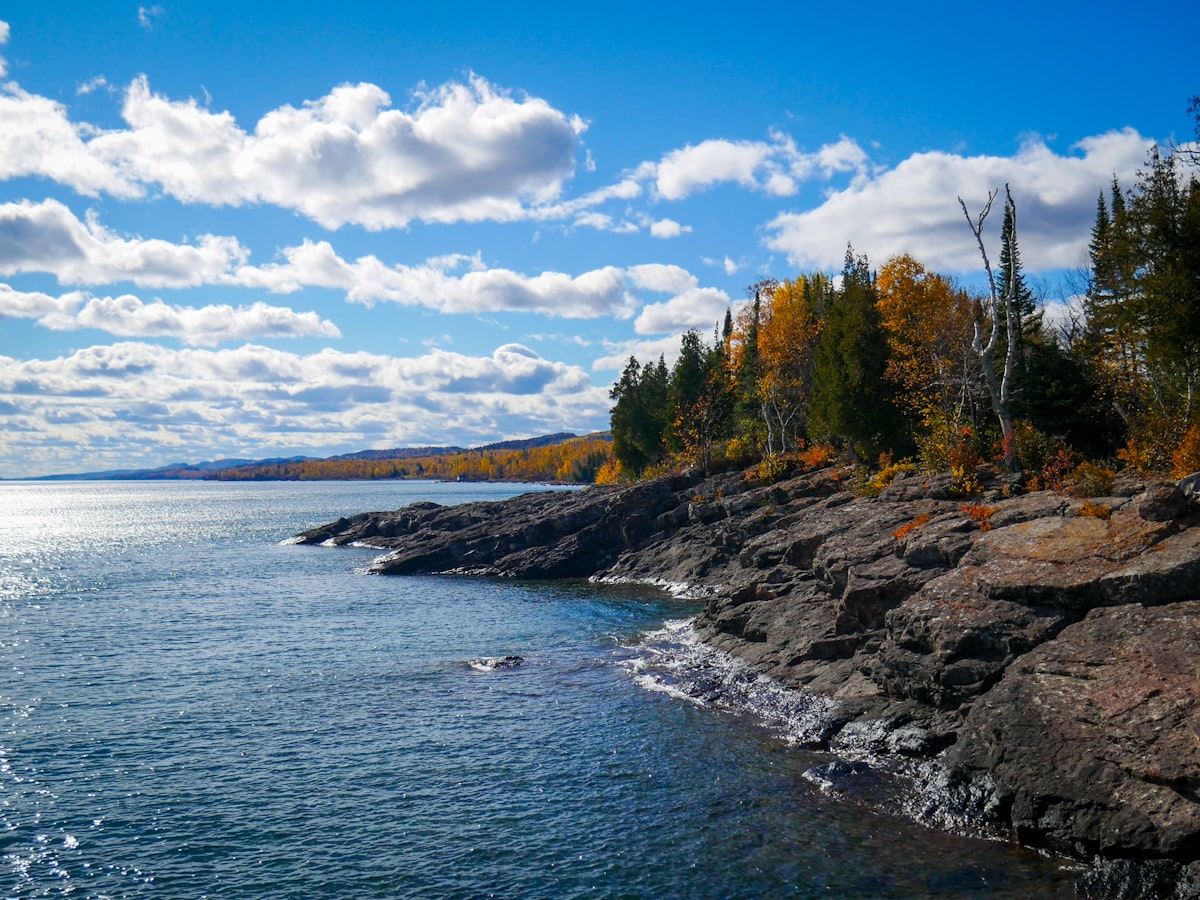
Lake Superior's shoreline is some of the most spectacular fishing country in North America, the basalt cliffs and cobble beaches of Minnesota's North Shore, the sandstone sea caves of the Apostle Islands, the wild rivers of Michigan's Upper Peninsula, and the remote, roadless Canadian coast. The North Shore's tumbling tributary streams are the heart of the steelhead run, and the harbors and river mouths from Duluth up to the Canadian border give shore anglers a shot at trout and salmon. It's rugged, cold, and often remote water, and part of the appeal is that a day of fishing here comes with waterfalls, cliffs, and a sense of true wilderness rarely found on a Great Lake.
Ice Fishing and "Bobbing" for Lakers
When the sheltered bays freeze, Lake Superior offers a unique hard-water fishery. In Chequamegon Bay and among the Apostle Islands, anglers "bob" for lake trout, jigging through the ice over the reefs and holes around Madeline, Basswood, and the other islands, a beloved local tradition. The bays also give up whitefish, splake, brown trout, walleye, and burbot through the ice, and shallow-water anglers pick up trout and salmon off the tributary mouths. As always on big-lake ice, conditions are variable and can be dangerous, wind, current, and pressure cracks weaken it fast, so go with someone who knows the water, check local reports, and never trust Superior's ice without verifying it.
Reading the Cold, Deep Water
Fishing Superior means respecting its cold and its depth. Because it's so cold and deep, the fish, especially the lake trout, often hold deep, so trolling with downriggers, wire line, and lead core to reach them, and jigging the rocky humps and reefs, are the core techniques. The clear water rewards a subtle, natural presentation. Nearshore and in the bays, the smallmouth and walleye relate to the rock, reefs, and warmer shallows, and steelhead and salmon key on the tributary mouths during their runs. And above all, respect the weather: Superior is enormous, frigid, and capable of building deadly seas with terrifying speed, its shipwrecks are legendary, so watch the marine forecast obsessively, dress for cold water year-round, and never take the biggest of the Great Lakes for granted.
The Ports and Getting Around
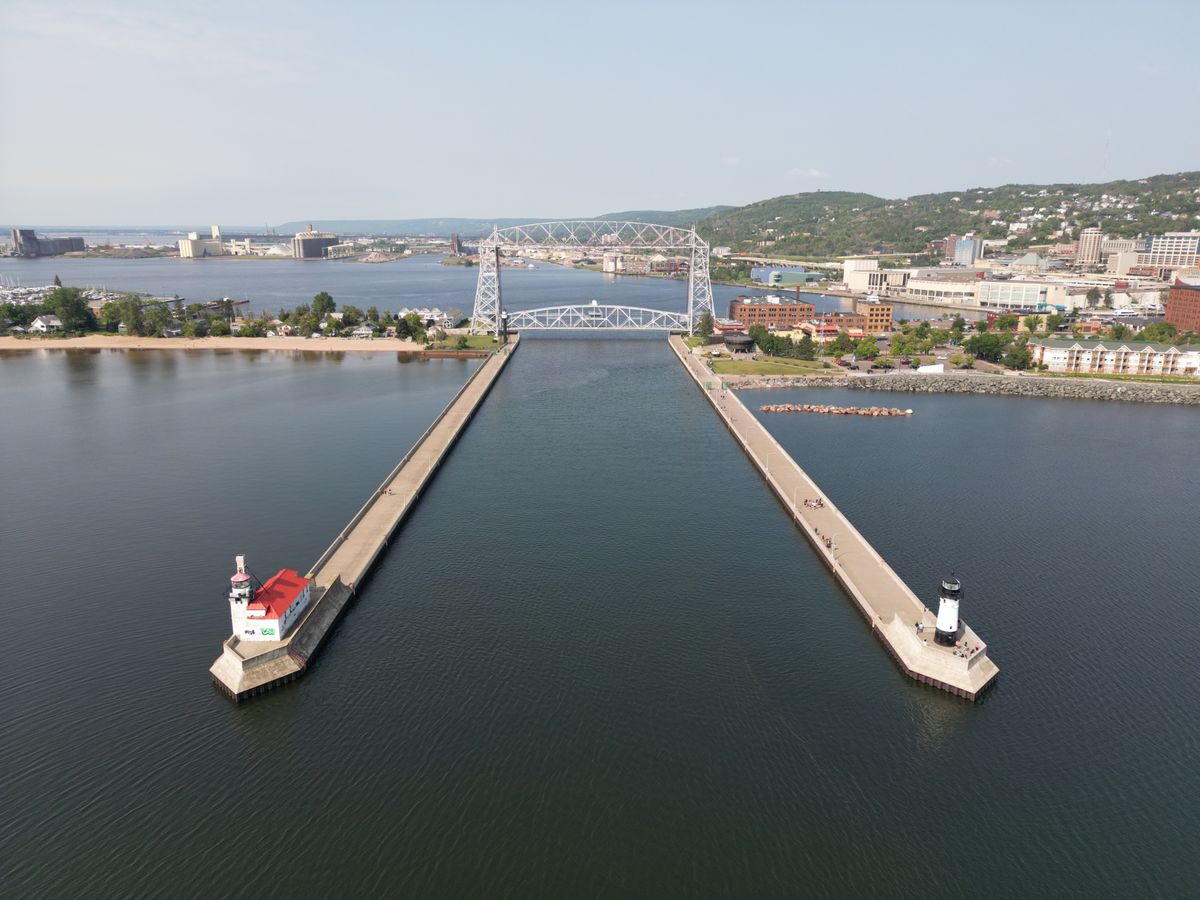
Lake Superior is ringed by fishing communities, each opening onto a different piece of the big lake. On the Minnesota side, Duluth-Superior at the western tip anchors the St. Louis River fishery and the North Shore run, with Two Harbors, Silver Bay, and Grand Marais strung up the shore toward the Canadian border. In Wisconsin, Bayfield and the Apostle Islands are the hub of the region's diverse fishing. Michigan's Upper Peninsula offers ports from the Keweenaw Peninsula to Marquette to Whitefish Bay near the lake's eastern outlet at Sault Ste. Marie. And the Canadian shore, from Thunder Bay eastward, is vast, wild, and lightly fished. Each port keys on its home water's strengths, steelhead streams here, lake-trout reefs there, a sheltered smallmouth bay somewhere else, and given the lake's sheer size and the long distances between ramps, planning your launch around your target and the weather is essential. Wherever you start, a piece of the greatest lake is within reach, and the drive there is as spectacular as the fishing.
When to Go
- Spring (April–June): Steelhead run the tributaries; lake trout and brown trout come shallow and nearshore; downrigging starts in the deeper water.
- Summer (July–September): Peak salmon and lake-trout trolling as fish spread out, plus prime Chequamegon Bay smallmouth and walleye in the warmer bays.
- Fall (September–November): The big steelhead migration and the coho run; staging Chinook; lake trout moving shallow to spawn.
- Winter: Ice fishing the bays and the Apostle Islands, "bobbing" for lake trout, plus whitefish, splake, and walleye, when the ice is safe.
Licenses and Conservation
Lake Superior touches four jurisdictions, Minnesota, Wisconsin, Michigan, and Ontario, and you need a fishing license for the one whose water you're fishing (with a Great Lakes trout/salmon stamp or equivalent for those species on the U.S. side, or an Ontario licence in Canada). Superior's coldwater fish are carefully managed: lake trout, brook trout (especially the protected coasters), steelhead, and salmon all carry seasons, size limits, and special rules that vary by state and water and change over time, so always check the current regulations before you keep a fish. Superior's native, self-sustaining fishery is a treasure, handle and release wild fish carefully, respect the protected coasters and lake trout, and you're helping keep the greatest lake great.
A Beginner's First Trip
The friendliest introduction to Lake Superior is Chequamegon Bay and the Apostle Islands: the water is sheltered, the species are varied, and a summer smallmouth or walleye trip, or a guided lake-trout troll, puts you on fish without braving the open lake. Steelhead-minded anglers can chase the fall or spring run in the North Shore or Wisconsin tributaries with a guide who knows the rivers. And for the full Superior experience, a lake-trout charter out of a North Shore or Apostle Islands port delivers a hard-pulling laker and unforgettable scenery. Any of these gets you onto the greatest of the Great Lakes, just dress warmly and come ready for cold, wild, beautiful country.
Guides and Gear
A charter is the smart way to learn the big cold water and its depths. For gear, trolling rods with downriggers, wire line, and lead core, plus spoons and dodger-and-fly rigs, are the lake-trout and salmon tools; a jigging rod works the reefs for lakers and whitefish. For the bays, a medium spinning rod with tubes, drop-shots, and jerkbaits covers the world-class smallmouth, and a walleye setup handles the coolwater fish. Steelheaders want a long, soft float rod for the tributaries. And whatever you fish, dress for cold, Superior's water stays frigid all year, hypothermia is a real risk, and warm, waterproof layers and a life jacket simply aren't optional on this lake.
Lake Superior rewards anglers who respect its cold, its depth, and its wild power. Jig a native laker from the clear deep water, drift a North Shore river for chrome steelhead, cast the Apostle Islands rock for a giant smallmouth, or bob for trout through the ice, check the rules for your state or province, respect the greatest lake, and fish water that feels like the edge of the world. No other Great Lake is as cold, as clear, as deep, or as wild, and few fisheries anywhere reward a prepared, respectful angler with more, a healthy native fishery, spectacular country, and the sense that you're fishing something truly ancient and untamed. Its neighbors are covered in our how to fish Lake Michigan and how to fish Lake Huron guides.