Fish
Fish Fire
Fire Hike
Hike Bird
Bird

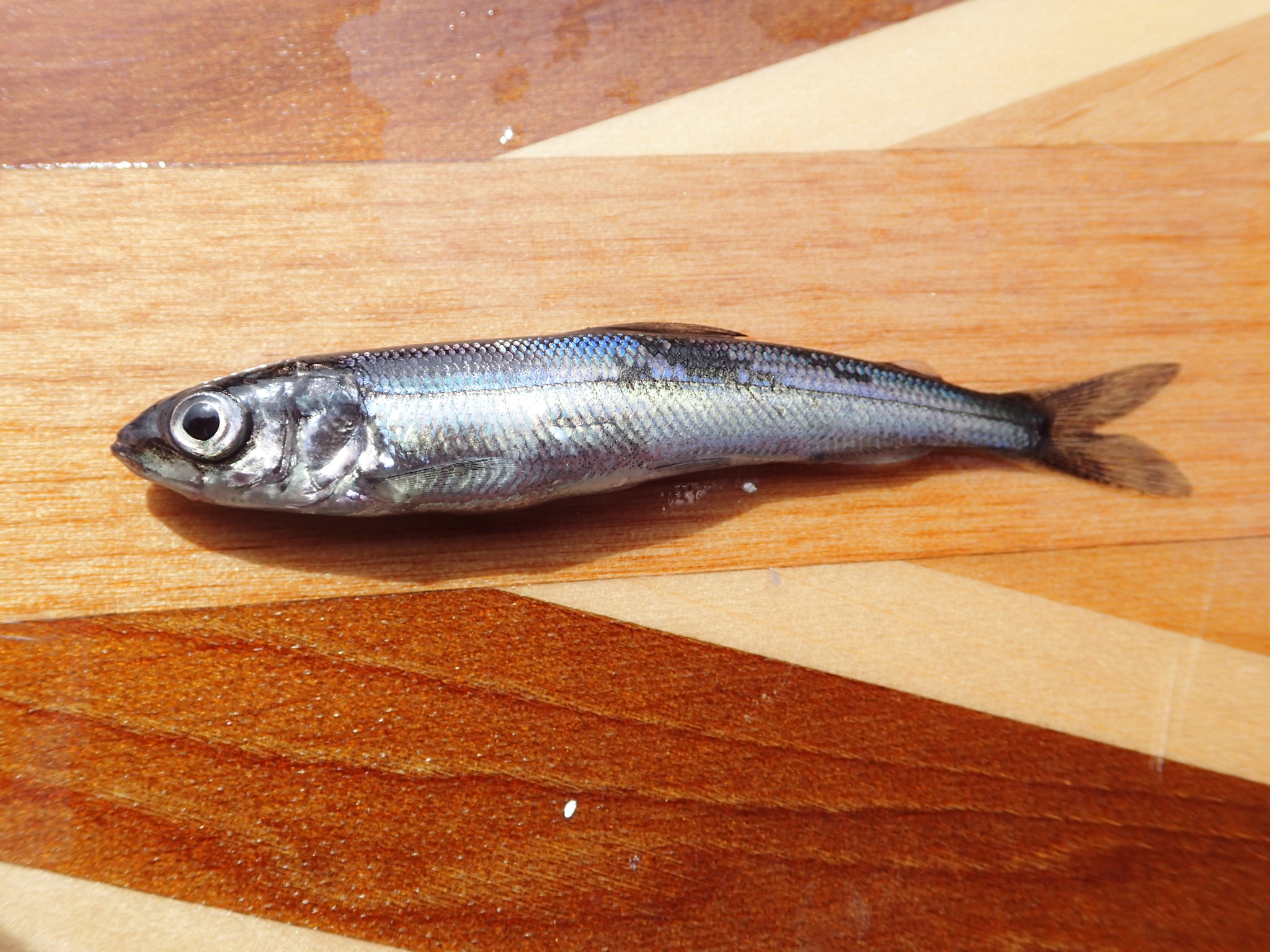

The cisco is one of the most underrated fish in cold, clear northern lakes. Known across the ice belt as the tullibee and in the eastern Great Lakes as the lake herring, the cisco (Coregonus artedi) is a slender, silvery, deep-water schooling fish in the whitefish family. It is a blast on light tackle through the ice, it fights harder than its size suggests, it is superb smoked, and it is the single best natural bait for trophy lake trout and northern pike. Yet most anglers never target it on purpose. This guide covers everything you need to find and catch cisco, whether you want them for the frying pan, the smoker, or the bait bucket.
What Is a Cisco?
Cisco are members of the salmonid family, closely related to lake whitefish, lake trout, and the true trouts and salmons, they even carry the tell-tale adipose fin. Unlike the bottom-oriented lake whitefish, which has a small, downturned mouth for grubbing insects off the bottom, the cisco has a terminal or slightly upturned mouth built for feeding up in the water column on zooplankton and small insects. That single difference, where the mouth points, is the fastest way to tell a cisco from a whitefish in hand.
A typical cisco runs 10 to 16 inches and half a pound to a pound and a half, though some lakes grow "trophy" tullibees over 3 pounds. The body is deeply forked at the tail, laterally compressed, and covered in large silvery scales that flash blue, purple, and green in good light. They are pelagic and highly schooled, roaming open water and suspending at the depth where temperature and oxygen suit them best. Find that depth, find the school, and you can catch cisco one after another.
Where and When to Catch Cisco
Cisco live in cold, deep, well-oxygenated lakes across the northern United States and Canada, Minnesota, Wisconsin, Michigan, the Dakotas, the Great Lakes region, and up through the Canadian Shield into the Northwest Territories. They cannot tolerate warm water, so in summer they retreat to the cold depths below the thermocline and are hard for casual anglers to reach.
The signature cisco season is winter, through the ice. First and mid-winter are prime, when cisco roam the basin at fishable depths and are actively feeding. The other classic window is late fall, when cisco move shallow to spawn over rocky and gravel shorelines in near-freezing water, this fall run is when open-water anglers get their best crack at them and when netting is timed where it is legal. In open water they suspend over the main-lake basin, often in 30 to 80 feet, holding at whatever depth the plankton and comfortable water line up.
Wherever and whenever you chase them, the rule is the same: cisco are a main-basin, open-water, suspended fish. Ignore the weed edges and shoreline structure that hold bass and walleye, and fish the big empty middle of the lake.
How to Locate Cisco
Because cisco suspend in open water and roam constantly, electronics are not optional, they are how you find the fish. Set up over the deepest main-lake basin and watch your sonar or flasher. Cisco show up as marks cruising through the middle of the water column, and they often travel in loose clouds. When you mark a school, drop to their level immediately, because a roaming pod may only be under you for a minute or two.
5 Things You Need to Know About CiscoThe biggest mistake anglers make is fishing too shallow or sitting on the bottom. Cisco frequently hold 10, 20, or 30 feet down over much deeper water. Keep your bait up where you mark fish, be willing to chase suspended marks up and down the column, and stay mobile, if the school moves off and does not come back, drill new holes and go find them rather than waiting them out.
Ice Jigging for Cisco
The number-one way to catch cisco is vertical jigging small spoons and jigs through the ice. Cisco have small, soft mouths and feed on tiny zooplankton, so they respond to small, flashy, subtle presentations far better than big aggressive baits.
Catching Massive Tullibees (Cisco) Through the IceDrop your lure to the marked depth and work it with a light, quivering, lift-drop cadence, short hops, subtle shakes, and long pauses. Cisco often hit on the pause or on the drop, and the bite can be so soft it barely registers, so watch your spring bobber or rod tip closely and set on any hesitation or tick. When a school moves in, the action can be fast and furious; when they are finicky, downsize and slow down until you find what they want.
Rigging: Spoons, Jigs, and Tipping
The best cisco lures are small flash spoons and tungsten jigs in the 1/16 to 1/8 ounce range, the same lures ice anglers use for panfish and whitefish. Silver, gold, glow, and natural minnow finishes all produce. Tip the hook with a waxworm, a couple of spikes (maggots), a small minnow head, or a soft-plastic larvae imitation to add scent and a target.
Tullibee Ice Fishing: How to Rig and Fish CiscoBecause cisco mouths are soft, use a light, sensitive rod, a spring bobber, and light line (2 to 4 pound test) so you can detect the delicate bite and avoid tearing the hook free on the hookset. A small treble on the spoon and a sharp, needle-point jig hook both work; just keep everything scaled down. Sharpen your hooks, a light hookset into a soft mouth needs every bit of point you can get.
Deadstick and a Second Line
Where regulations allow a second line, a deadstick rig is a deadly complement to your jigging hole. Set a second rod in a holder a few feet away with a small jig or plain hook tipped with a lively minnow or spikes, suspended at the cisco depth under a sensitive float or spring bobber, and leave it dead-still.
Mid-Winter Ice Fishing Cisco with a Micro LureThe jigging hole calls fish in with flash and motion; the deadstick then catches the cautious ones that come to look but will not commit to a moving bait. This one-two punch, active jig plus motionless deadstick, is one of the most productive setups for suspended coregonids and dramatically increases your catch on a tough bite.
Using Cisco as Bait for Lake Trout and Pike
For many northern anglers, catching cisco is only step one, the real prize is the lake trout and pike that eat them. Cisco are the primary forage for lake trout in most of the lakes they share, and a fresh cisco is arguably the best big-fish bait in the North.
Targeting Cisco as Lake Trout BaitWhere it is legal to use them as bait, fish a whole dead cisco or a large chunk on a quick-strike rig or a heavy jig under a tip-up, set near the bottom over lake trout and pike structure. The oily flesh and strong scent of a cisco pull big predators from a distance. Always check your local regulations first, many jurisdictions restrict the use, transport, and sourcing of cisco as bait to protect the population and prevent the spread of invasives, so know the rules before you bait up. Cisco are also a favorite live and cut bait for trophy northern pike.
Netting and the Fall Spawn
In some states and provinces, cisco may legally be netted during their late-fall spawning run, when they crowd shallow rocky shorelines in cold water. Cast netting and dip netting during this window is a traditional way to fill the freezer and the bait bucket quickly. This is heavily regulated and season-, gear-, and location-specific, netting that is legal on one lake in one two-week window may be entirely illegal next door, so treat cisco netting as a strictly regulation-driven activity and confirm the current rules with your local agency before you ever put a net in the water.
Cleaning, Eating, and Smoking Cisco
Cisco are excellent eating despite an unfair reputation, and they are outstanding smoked, many northern anglers rank smoked tullibee above almost any other freshwater fish. The flesh is soft and a bit oily, which is exactly what makes it take smoke so well.
How to Clean and Prepare a Tullibee for SmokingBecause the flesh softens quickly, ice your cisco immediately and keep them cold, this is the single biggest factor in good eating quality. Fillet them as you would any fish; they do have some fine bones, which smoking, pickling, or careful filleting handles well. Brined and smoked, cisco is a genuine delicacy; fresh cisco is also good fried. And the roe is prized, golden cisco roe is harvested commercially as a caviar substitute.
Understanding Cisco Behavior
The single most useful thing you can know about cisco is that everything they do is driven by cold water and plankton. Cisco are a coldwater fish with a low tolerance for warmth, and they feed heavily on zooplankton, the tiny drifting animals that bloom in the open water column. Those two facts explain the whole species. In summer, warm surface water pushes them deep, below the thermocline, where they concentrate in a narrow band of cold, oxygenated water and are essentially inaccessible to shore and casual anglers. As the lake cools in fall and turns over, that band expands and the fish spread through the column, becoming catchable again. Under the ice, the entire lake is cold, and cisco roam the basin freely at whatever depth the plankton is thickest.
This is also why cisco are such nomads. Unlike structure-loving fish that sit on a rock pile or weed edge for hours, a cisco school follows its food, and its food drifts. A pod that is under your hole at first light may be a quarter mile away by mid-morning. The successful cisco angler thinks like a plankton-follower, not a structure-fisher: stay over the deep basin, keep your electronics on, and be ready to relocate. Patience in the right spot matters less than mobility across the right water.
Reading the Water and the Weather
On a new lake, start with a contour map and find the largest, deepest basin, that main-lake bowl is cisco country. You do not need classic fish-holding structure; you need depth and open water. Set up over the deepest third of the basin and let your electronics tell you where the fish and the bait are stacked, then adjust your depth to match. If you mark bait clouds but no fish, move; if you mark fish but they will not bite, downsize your lure and slow your cadence before you give up on the spot.
Weather and light matter too. Cisco often feed best during low-light windows, early morning, late afternoon, and overcast days, and a stable or slowly falling barometer usually fishes better than the bluebird high-pressure day after a front. Because they are a visual, plankton-oriented feeder, clear water and a little light penetration help them find your flashy spoon, which is one reason cisco lakes are typically clear, deep, and clean. Pay attention to which depth and which lure produce the first few fish, then repeat the pattern, cisco are schooling fish, so a pattern that works once will usually work again on the next pod.
Conservation and Why Cisco Matter
Cisco are more than a sport and bait fish, they are a keystone forage species and an indicator of lake health. As the primary food of lake trout and an important prey for pike, walleye, and other predators, healthy cisco populations underpin the entire coldwater fishery. Because they demand cold, well-oxygenated, clean water, cisco are also a living gauge of a lake's condition: as lakes warm and their deep coldwater habitat shrinks, cisco are often the first fish to disappear, which is why many southern-edge populations have declined and some are now protected or closely managed.
For the angler, that means a few simple responsibilities. Know and follow your local limits, seasons, and any netting or bait restrictions, which exist specifically to protect these populations. Never move cisco, dead or alive, between lakes, both to protect against spreading invasives and disease and because bait-transport rules are strict. Handle and ice your keepers well so nothing is wasted, and release extras carefully. Fished thoughtfully, cisco offer a nearly unpressured, high-action winter fishery and a direct connection to the big predators every northern angler dreams about.
Bringing It All Together
Cisco reward the angler willing to leave the shoreline and fish the open basin. Read your electronics, find the suspended school, drop a small flashy spoon or jig to their level, and watch for the softest of bites, then decide whether the day's catch is headed for the smoker or the bait bucket for a shot at a giant lake trout. Few fish give you that kind of versatility on light tackle.
For more cold-water species that share the cisco's northern lakes, see our guides to the lake whitefish, the lake trout, and the northern pike.
Learning to read a big northern lake and find suspended fish on electronics takes a few trips to sink in, but cisco are a forgiving species to learn on: the schools are large, the bites come in bunches, and every outing sharpens your sonar eye for the rest of the ice season.