Fish
Fish Fire
Fire Hike
Hike Bird
Bird

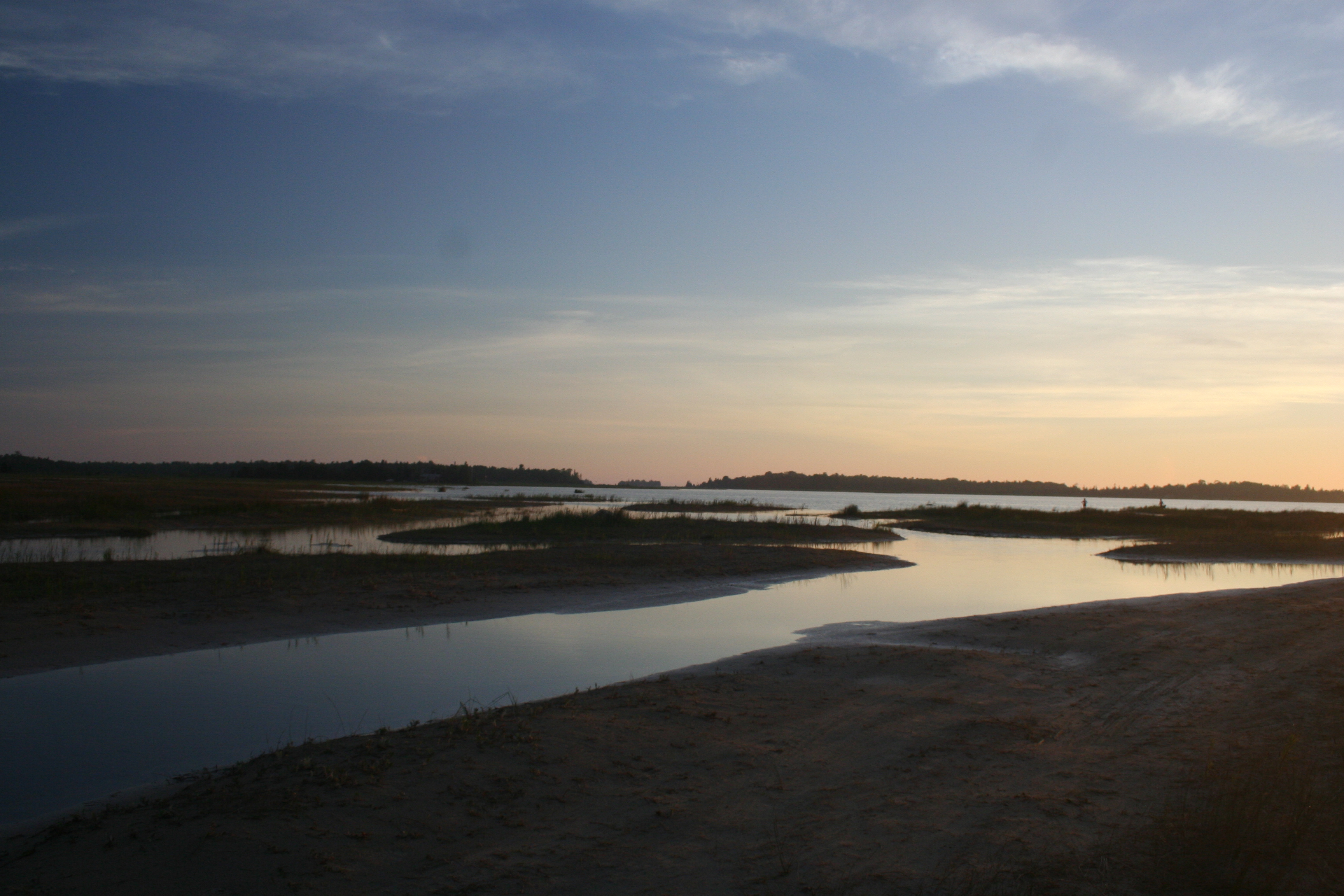

Lake Huron is the second-largest of the Great Lakes, sharing its waters between Michigan and the Canadian province of Ontario. It's a lake of dramatic contrasts and one of the most interesting fishery stories in North America: home to the world-class walleye factory of Saginaw Bay, the rugged smallmouth and pike water of Georgian Bay and the North Channel, a rare place where you can catch several kinds of trout and salmon on a single trip, and a lake that famously crashed and came roaring back. This whole-lake guide covers the species, the story, the regions, and the seasons, and how to fish one of the great inland seas of the continent, whether you launch on the Michigan shore or the Canadian side.
Saginaw Bay: World-Class Walleye
If Lake Huron has a crown jewel, it's the walleye fishing of Saginaw Bay, the huge, shallow, fertile bay on the Michigan side that ranks among the best walleye waters in the country. The bay grows walleye in staggering numbers, and they bite year-round: anglers troll crawler harnesses and crankbaits over the open bay in summer, cast and jig the reefs and river mouths in spring, and drill the ice for them in winter. Where the green, warmer water of the bay meets the clear water of the main lake, the fishing can be spectacular. Saginaw Bay is also a strong yellow perch fishery. For a beginner who wants steady action and great eating, a summer Saginaw Bay walleye trip is one of the surest bets on the Great Lakes.
Walleye Fishing TechniquesThe Collapse and the Comeback: Huron's Fisheries Story
Lake Huron tells one of the most remarkable fisheries stories in the world. For decades it was, like Lake Michigan, a booming Chinook-salmon troll lake, its kings fattening on invasive alewife baitfish. Then, in the early 2000s, the alewife population crashed, and with its food gone, the Chinook fishery collapsed almost overnight around 2004, cutting charter fishing roughly in half and stunning the anglers who depended on it. But the story didn't end there. With the alewives gone, the lake's native fish rebounded: walleye and lake trout exploded in numbers, natural reproduction returned, and Lake Huron transformed from a stocked-salmon lake into a largely self-sustaining native fishery. It's a living lesson in how quickly a great lake can change, and a reason Huron today fishes so differently from its neighbor Lake Michigan.
Lake Trout: The Native Rebound
The biggest winner of Huron's transformation is the lake trout. Once nearly wiped out by overfishing and invasive sea lampreys, lake trout have come back strongly and now reproduce naturally across much of the lake, a genuine conservation triumph. These deep, cold-water bruisers can top 30 or 40 pounds, and anglers troll spoons and dodger-and-fly rigs down deep with downriggers, or jig for them over the lake's rocky humps and reefs. In spring and fall they move shallower and become accessible even to nearshore and pier anglers. A big Huron laker is a hard-pulling, deep-water prize, and the lake now offers some of the best lake-trout fishing on the Great Lakes.
Trolling the Great Lakes for Trout and SalmonA Rare Multi-Species Salmon and Trout Mix
While the Chinook fishery is a shadow of its former self, Lake Huron still offers a salmon-and-trout mix found almost nowhere else, especially in the northern lake and around the Straits of Mackinac and Les Cheneaux Islands, where on a single trip you might catch Atlantic salmon (stocked here in one of the Great Lakes' notable Atlantic programs), lake trout, steelhead, Chinook and coho salmon, and naturalized pink salmon. Brown trout run big nearshore in spring, and the tributaries get fall salmon and winter-into-spring steelhead runs. It's a fascinating, variety-rich troll for the angler who likes never quite knowing what will hit next, a very different flavor of Great Lakes salmon fishing.
Smallmouth Bass, Pike, and the Nearshore
Lake Huron's rocky, clear nearshore water is superb smallmouth bass country. The reefs, points, islands, and shoals, especially in the north and along the Canadian shore, hold big, hard-fighting smallmouth caught on tubes, drop-shots, and jerkbaits, with spring and fall the peak. The weedy bays, river mouths, and the many islands also hold northern pike and, in places, muskie, while largemouth bass fill the warmer backwaters. Add the nearshore browns and the lake trout that push shallow in spring, and the bank, pier, and small-boat angler has plenty to chase without ever running to deep water, one of the ways Huron stays accessible even to those without a big offshore rig.
Georgian Bay and the North Channel
On the Canadian side, Lake Huron opens into two of the finest fishing regions in Ontario: Georgian Bay and the North Channel. This is a labyrinth of pink-granite islands, clear channels, and rocky shoals, the classic Canadian Shield waterscape, and it's a world-class fishery for smallmouth bass, northern pike, muskellunge, and walleye, with lake trout and whitefish in the deeper, colder water. Anglers cast the endless rock for trophy smallmouth and pike, troll and jig for walleye, and hunt muskie among the islands. Remote, beautiful, and lightly pressured in places, Georgian Bay and the North Channel are a bucket-list destination in their own right, the wild Canadian heart of Lake Huron.
Whitefish, Perch, and the Rest
Lake Huron rounds out its cast with several more prizes. Lake whitefish, a Great Lakes delicacy, are caught jigging over deep water and through the ice, and the northern lake and the bays are strong whitefish water. Yellow perch school in Saginaw Bay and the nearshore shallows, cisco (lake herring) provide light-tackle fun and forage, and channel catfish and freshwater drum round out the warmwater mix in the bays and river mouths. It's a lake where the fishing rewards a flexible angler: if the walleye are slow, the smallmouth may be on; if the salmon aren't cooperating, the lakers or the whitefish might be. That built-in backup plan is one of the quiet joys of fishing a lake this rich and this varied.
The Northern Lake: The Straits and Les Cheneaux
The northern end of Lake Huron, around the Straits of Mackinac and the sheltered Les Cheneaux Islands, is the lake's most diverse water and a fishery all its own. Cold, clear, and structure-rich, it's where Huron's remaining salmon-and-trout variety concentrates, and it's famous for producing several species in a single outing, a laker, an Atlantic salmon, a steelhead, and a walleye off the same boat is a real possibility here. The islands and channels of Les Cheneaux also grow outstanding smallmouth bass, northern pike, and even the occasional muskie, and the protected water offers a refuge when the open lake is rough. It's a beautiful, historic corner of the Great Lakes, and for the angler who values variety over big numbers of any one fish, it's hard to beat.
Ice Fishing: A Huron Institution
Lake Huron's shallower bays freeze hard in winter, and ice fishing is a huge part of the local scene. Saginaw Bay is the epicenter, a vast winter city of shanties sprawls across the ice as anglers drill for walleye and jumbo yellow perch, jigging spoons and minnows and often catching limits of both. The northern bays and the Les Cheneaux area draw hardwater anglers for lake whitefish, northern pike on tip-ups with big shiners, and more walleye and perch. Ice fishing opens up water that's tough to reach in summer and turns the cold months into some of the most productive fishing of the year. That said, big-lake ice is notoriously variable and dangerous, pressure cracks, current, and wind can weaken it fast, so go with someone experienced, check local reports, carry safety gear, and never trust the ice without verifying it yourself.
Reading the Lake and Its Ports
Lake Huron is huge, and knowing its regions helps you plan. The Michigan side runs from the Straits of Mackinac and the multi-species northern water down past Alpena, Tawas, and Au Gres to the walleye-rich Saginaw Bay and the "Thumb." The Canadian side sweeps from the St. Marys River and the North Channel through Georgian Bay and down the Bruce Peninsula to the southern shore. Each region has its own strengths, ports, and access, from the salmon-and-laker ports of the north to the walleye towns around Saginaw Bay to the island communities of Georgian Bay. As on any Great Lake, watch the weather: Huron builds big, dangerous seas fast and offers few places to hide, so respect the marine forecast and be ready to fish protected water when the wind is up.
Trolling, Jigging, and Reading the Water
Two techniques cover most of Lake Huron, and knowing when to use each is the key. Trolling, pulling a spread of lures behind a moving boat, is how you cover the big open water for lake trout and the salmon-and-trout mix (with downriggers and divers to reach the exact depth the fish are holding) and for summer walleye in Saginaw Bay (with crawler harnesses and crankbaits behind planer boards). Jigging and casting shine in shallower, more defined water: vertical-jigging the reefs and river mouths for spring walleye, and casting tubes, drop-shots, and jerkbaits to the rock for smallmouth. As always on a big lake, the fish relate to structure and temperature, walleye and smallmouth to the reefs, humps, drop-offs, and river mouths; trout and salmon to the temperature zone and the bait schools. Learn to find the rock and the right water temperature on your electronics, match your technique to the water, and Huron opens up. And keep chasing the active fish, the beauty of this varied lake is that when one bite is off, another is usually on somewhere.
When to Go
- Spring (April–June): Nearshore brown trout and staging fish; the Saginaw Bay walleye run on the reefs and river mouths; smallmouth pre-spawn; lake trout shallow.
- Summer (June–August): Peak Saginaw Bay walleye trolling; the northern salmon-and-trout mix; deep lake-trout fishing; Georgian Bay smallmouth and muskie.
- Fall (September–November): Salmon and steelhead stage off the harbors and rivers; big smallmouth and walleye feed hard; whitefish move shallow.
- Winter: Ice fishing is huge on Huron, especially Saginaw Bay for walleye and perch and the northern bays for whitefish and pike, when the ice is safely thick.
Licenses, Access, and Conservation
Lake Huron is shared by Michigan and Ontario, so you need a fishing license for the jurisdiction whose water you're fishing, a Michigan license (with a Great Lakes trout/salmon component for those species) on the U.S. side, and an Ontario fishing licence on the Canadian side. Seasons and limits for walleye, lake trout, bass, salmon, pike, and muskie vary between the two and change over time, so always check the current Michigan DNR or Ontario regulations for your waters and target. Huron's native-fish comeback is a hard-won success, handle and release fish carefully, follow the limits, and you're helping keep one of the great recovery stories going.
A Beginner's First Trip
The surest introduction to Lake Huron is a summer walleye trip on Saginaw Bay, steady action, great eating, and a beginner-friendly troll or jig. If you'd rather chase something bigger, a lake-trout charter out of a northern port puts you on hard-pulling deep-water fish, and in the north you might tangle with several salmon and trout species in a day. Bass anglers should point their kayak or small boat at the nearshore rock and reefs for smallmouth, and Canadian-side visitors can't do better than casting the islands of Georgian Bay. Any of these gets you onto one of the most varied fisheries on the Great Lakes.
Guides and Gear
A charter is the easy way into the offshore troll and the big water. For gear, a walleye setup, a 7-foot spinning or trolling rod with crawler harnesses, crankbaits, and jigs, covers Saginaw Bay; trolling rods with downriggers, spoons, and dodger-and-fly rigs handle lake trout and the salmon mix; and a medium spinning rod with tubes, drop-shots, and jerkbaits is the nearshore smallmouth tool. In Georgian Bay, add a heavy musky and pike outfit. A good sonar helps you find the reefs, the humps, and the fish on water this vast, and warm, waterproof layers are essential on a cold, moody lake.
Lake Huron rewards the flexible angler who follows its recovery-driven bounty. Troll Saginaw Bay for walleye, jig the deep rock for a native laker, cast the granite of Georgian Bay for smallmouth, or sample the northern salmon-and-trout mix, check the Michigan or Ontario rules, respect the big water, and fish a lake that proves how resilient a great fishery can be. Few large lakes offer this much variety or this remarkable a comeback story, and whether you want a cooler of walleye, a trophy laker, a wall of granite full of smallmouth, or a mixed bag of trout and salmon, Lake Huron has a corner that delivers it. Its neighbor is covered in our how to fish Lake Michigan guide.